
Selecting the perfect baby carrier is one of the most practical decisions you will make as a parent. In the Philippines, where daily routines involve navigating warm tropical weather, busy local markets, and family gatherings, a reliable hands-free carrying option is incredibly valuable. Bebear offers a range of carrier models designed to accommodate different stages of your child’s growth, from the delicate newborn weeks to the active toddler years. Finding the right fit requires balancing your baby’s physical development with your personal lifestyle needs.
The primary factor in your decision must always be your baby’s physical milestones, particularly their head and neck control. A carrier that is perfect for a toddler can be unsafe for a newborn, while an infant wrap may not provide the support needed for a heavier child. By understanding how Bebear’s wraps, structured carriers, and hip seat models align with your baby’s age and your daily environment, you can ensure a safe, comfortable, and ergonomic carrying experience.
Assess Your Baby's Age and Developmental Readiness
A baby’s physical development is the most critical factor when choosing a carrier. During the first few months, an infant’s neck muscles are too weak to support their head. This lack of neck control means newborns require complete head, neck, and spinal support to prevent their chin from slumping forward, which can restrict their airway. Therefore, carrying solutions for the first few weeks must keep the baby in an upright, fully supported position that mimics the spine’s natural curve.
Products mentioned in this guide
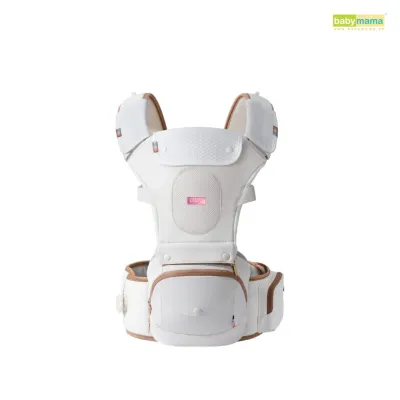
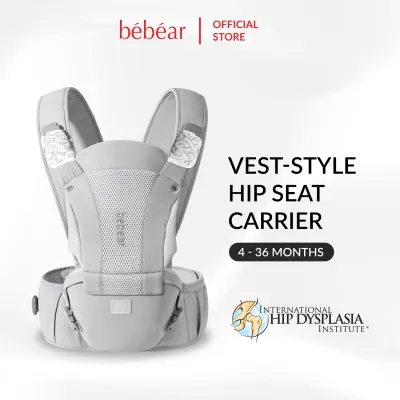
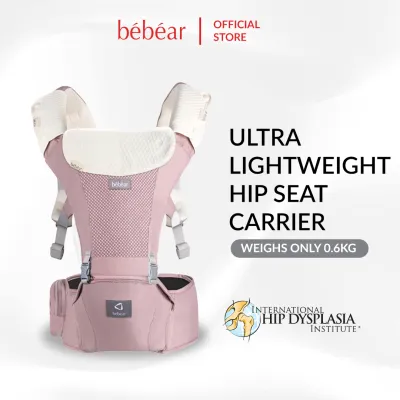
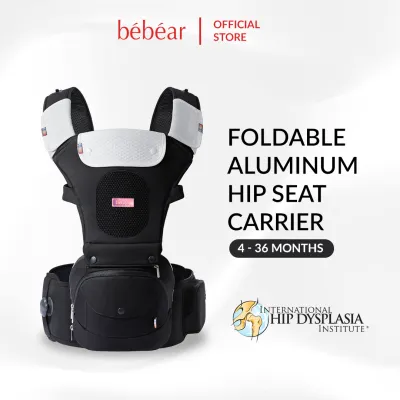
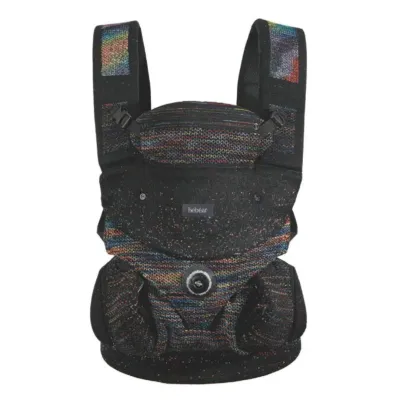
Prices are valid at publication and may change. Please refer to the product page for the latest price.
During this initial phase, fabric wraps are often the most appropriate option. They provide a snug, custom-fit hold that gently supports the infant’s entire body against your chest. Because wraps conform perfectly to a newborn’s small frame, they ensure the delicate neck and spine are held in a safe, ergonomic alignment without unnecessary pressure points.
As your baby grows, they will gradually develop head and neck control, typically between four and six months. Once your baby can hold their head up steadily and shows increased torso strength, they can safely transition to structured carriers. These models feature built-in panels and adjustable supports that accommodate a wider range of movement while still offering reliable upper body support.
Eventually, as your child reaches toddlerhood and can sit independently, their weight and size require a different type of support. This is where hip seat carriers become highly beneficial. Designed for older infants and toddlers with excellent core strength, hip seats feature a firm shelf that shifts the child’s weight away from your shoulders and upper back, distributing it across your hips to prevent caregiver strain.
To ensure safety, never rely on general age guidelines or peer recommendations, as every child develops at their own pace. Always read the manufacturer’s label on your specific Bebear carrier to verify the precise minimum and maximum weight and age limits. Checking these specifications is a critical step in preventing injuries and ensuring the carrier is structurally capable of supporting your child.
Evaluate Your Daily Routine and Carrying Environment
Beyond your baby’s age, your daily habits and environment play a major role in determining which Bebear carrier model will serve you best. Evaluate the typical duration and frequency of your carrying sessions. If you primarily need a carrier to soothe a restless baby to sleep at home or to keep your hands free during light household chores, a soft wrap or lightweight structured carrier is highly effective.

Conversely, if your routine involves long outdoor walks, navigating busy shopping malls, or traveling, you will require a carrier designed for extended wear. Long sessions on your feet demand robust lumbar support, wide padded shoulder straps, and a secure waistband to prevent fatigue. In these scenarios, a structured carrier or a hip seat carrier is much more practical, distributing weight efficiently over hours of use.
Living in the Philippines means climate is a critical consideration. High heat and humidity can quickly make babywearing uncomfortable, causing both you and your baby to sweat excessively. To combat this, look for Bebear models that prioritize breathable fabrics, such as lightweight cotton blends or specialized 3D mesh panels. Some structured models feature zip-down panels that reveal mesh lining, allowing you to easily adapt the airflow.
Finally, consider the learning curve and ease of use. Fabric wraps require practice and patience to master the tying techniques securely. If you or other caregivers, such as grandparents or nannies, prefer a quick setup, a structured carrier or a hip seat with simple buckle adjustments is more suitable. These models allow you to secure your baby in place within seconds, making them highly convenient for busy households.
Comparing Bebear Carrier Types for Your Specific Needs
To help you make an informed decision, let’s compare the distinct features, advantages, and limitations of the three primary Bebear carrier types. Each design is tailored to specific developmental stages and lifestyles, offering unique benefits depending on how and where you plan to use them.
Baby Wraps for Newborns and Close Contact
Baby wraps are long pieces of fabric wrapped and tied around your body to create a secure, custom pouch. They are exceptionally well-suited for the first few months of life, when newborns crave the close contact of skin-to-skin bonding. The gentle, snug pressure of a wrap can help soothe colicky or fussy babies, often lulling them to sleep quickly while keeping your hands free.
However, wraps come with a distinct learning curve. It takes practice to achieve the correct tension, ensuring the wrap is tight enough to support your baby safely without being uncomfortably restrictive. If the wrap is tied too loosely, the baby may slump down, which can pose a risk to their airway. Parents must invest time in learning how to tie the wrap correctly before using it in public.
Additionally, the multiple layers of fabric required to secure a wrap can trap body heat, making them less ideal for outdoor use in tropical climates. In the Philippines, wraps are best reserved for indoor, air-conditioned environments, or for short outdoor walks during cooler morning or evening hours. Choosing a wrap made from lightweight, breathable fabric blends can help mitigate heat retention, but careful monitoring of your baby’s temperature is essential.
Structured Carriers for Versatile, Everyday Use
Structured carriers, or soft structured carriers (SSCs), use a system of pre-formed panels, padded shoulder straps, and heavy-duty buckles to secure your baby. These models are highly versatile and are ideal for infants who have achieved reliable head and neck control. They are designed to distribute your baby’s weight evenly across your shoulders, back, and hips, making them the preferred choice for extended wear.
One of the greatest advantages of a structured carrier is its adaptability. Depending on the specific Bebear model and your baby’s age, you can often use multiple carrying positions, such as front-inward facing, front-outward facing, and back carrying. This flexibility allows the carrier to grow with your child, adapting to their changing developmental needs and curiosity about the world.
Structured carriers are also highly convenient for active lifestyles. They can be adjusted quickly using the straps and buckles, allowing different caregivers to share the carrier with minimal effort. Many Bebear structured models are designed with built-in mesh panels or zip-away covers, making them highly suitable for the warm Philippine climate by promoting excellent ventilation and keeping both parent and baby cool.
Hip Seats for Toddlers and Parent Back Relief
Hip seat carriers feature a firm, lightweight seat base attached to a wide waistband. The child sits directly on this supportive shelf, which shifts their weight away from the parent’s spine and shoulders and onto the hips. This style is specifically engineered for older infants and toddlers who can sit independently and have excellent core stability.
As children grow into toddlers, they frequently transition between wanting to walk on their own and wanting to be held. A hip seat carrier is incredibly convenient for this “up-and-down” phase, as it allows you to lift your child onto the seat quickly without adjusting complex straps or buckles every time. This makes it an excellent option for family outings, shopping trips, or quick walks around the neighborhood.
By providing a stable platform, a hip seat carrier helps maintain your natural posture, preventing you from leaning to one side or arching your lower back to balance your child’s weight. This significantly reduces the risk of physical strain, allowing you to carry a heavier toddler comfortably for longer periods. However, because the seat base is rigid, these carriers are bulkier to pack and store compared to fabric wraps.
Essential Safety Checks and Fit Verification
Regardless of which Bebear carrier model you choose, performing essential safety checks before every use is vital to protect your baby’s health and ensure your own physical comfort. Airway safety is the absolute priority when babywearing. Always ensure that your baby’s face is fully visible, their nose and mouth are completely clear of fabric, and their chin is pointed slightly upward, never slumped down against their chest, as this can restrict their breathing.
Achieving a proper fit is also crucial for preventing caregiver fatigue and back pain. Position the carrier’s waistband snugly around your natural waist or hips, rather than letting it sag, to ensure your core supports the baby’s weight. Adjust the shoulder straps so that your baby is held close to your torso; they should be positioned high enough on your chest that you can easily kiss the top of their head without straining your neck.
Before placing your baby in the carrier, inspect all hardware, buckles, zippers, and seams for any signs of wear, loose threads, or damage. Ensure that all buckles click securely into place and that safety straps are properly threaded. Always look for visible safety standard labels on the product to verify that it meets established quality and safety requirements.
If you observe any unusual wear, loose stitching, or damaged components, or if your baby shows signs of distress, discomfort, or difficulty breathing, stop using the carrier immediately. Consult the manufacturer’s instructions or contact a qualified professional, such as a certified babywearing educator, to resolve the issue before attempting to use the carrier again.
Frequently Asked Questions (FAQ)
Can I use a Bebear hip seat for a newborn?
No, standard hip seat carriers are not safe or suitable for newborns. Hip seats are designed for older infants and toddlers who have already developed independent sitting balance and strong head, neck, and torso control, which typically occurs around six months of age. Placing a newborn on a hip seat poses a severe safety risk because their spine and neck cannot support their weight, and they can easily slump, potentially blocking their airway. Always consult your specific Bebear model’s manual for precise minimum weight and age requirements, and speak with your pediatrician if you are unsure about your baby’s developmental readiness.
How should I care for my Bebear carrier in a humid climate?
To prevent the growth of mildew, mold, and unpleasant odors in the humid climate of the Philippines, proper cleaning and thorough drying are essential. After washing your carrier, always hang it to air-dry completely in a well-ventilated, shaded area away from direct, harsh sunlight, which can weaken the fabric fibers and degrade plastic buckles over time. Always check the sewn-in care label on your specific Bebear carrier for detailed washing instructions, as some models may require hand-washing while others can be machine-washed on a gentle cycle with a mild, baby-safe detergent after removing any rigid foam inserts.
Community discussion
Share your experience or ask a question. Comments are reviewed before publication.