
Choosing the right Baoneo baby carrier requires a careful balance between your baby’s physical development and your daily routine. Because infants grow rapidly, a carrier that works beautifully for a one-month-old may not provide the necessary support or convenience for a highly active ten-month-old. By understanding how different carrier designs accommodate your baby’s changing weight, height, and motor skills, you can make an informed decision that keeps your little one safe and comfortable.
In the Philippines, where daily activities often involve navigating warm, humid environments, crowded public spaces, or quick errands at the local market, your choice of carrier also directly impacts your personal comfort. A carrier is not merely a transport accessory; it is an extension of your daily wear that must distribute weight effectively to prevent shoulder and lower back strain. Evaluating your typical day—whether it involves long walks, frequent transitions in and out of vehicles, or simple chores around the house—will help you narrow down the specific features you need.
Rather than searching for a single universal model, focus on identifying the specific category of carrier that aligns with your current parenting stage. Baoneo offers a variety of configurations, including lightweight wraps, structured soft-bodied carriers, and multi-functional hip seat models. Each design serves a distinct purpose, and selecting the right one involves verifying safety specifications, ergonomic certifications, and material breathability to ensure a pleasant experience for both you and your baby.
Products mentioned in this guide
Prices are valid at publication and may change. Please refer to the product page for the latest price.
Matching Carrier Types to Your Baby's Developmental Stage
During the first few months of life, a baby’s physical needs are highly specialized, centering primarily on head and neck support. Newborns lack the muscle strength to hold their heads upright, making them entirely dependent on external support to keep their airways clear. When selecting a carrier for this early stage, look for designs that offer a snug, wrap-like fit that keeps the infant in an upright, inward-facing position. This position allows the baby’s head to rest safely against your chest, which naturally supports the neck. It is crucial to verify the manufacturer’s minimum weight threshold, which is typically around 3.5 kilograms, to ensure the baby does not slip or slump inside the fabric.
As your baby transitions into the older infant stage, usually between four and six months, their physical capabilities change dramatically. With the development of strong head and neck control, babies become more curious about their surroundings and may tolerate or prefer outward-facing positions. However, this transition must be handled carefully. Outward-facing carrying should only be attempted once the baby can hold their head steady without assistance for extended periods. Additionally, this position alters the wearer’s center of gravity, meaning you should limit outward-facing wear to shorter durations to avoid back discomfort.
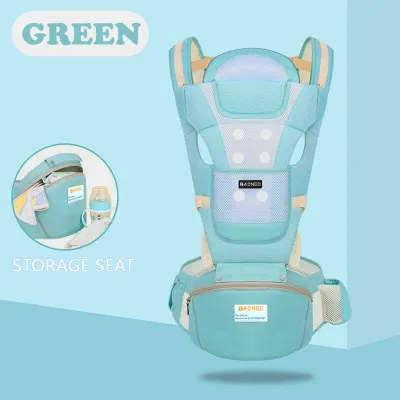
By the time your baby reaches the toddler stage, typically around nine to twelve months, their increased weight and height require a transition to more robust carrying positions, such as back carrying or using a dedicated hip seat. Back carrying is excellent for older, heavier babies as it distributes weight across your larger muscle groups, making long walks much more manageable. This stage also coincides with the baby’s desire to frequently transition between walking and being carried. A hip seat carrier becomes highly practical here, allowing you to quickly lift your toddler up or set them down without navigating complex harness systems.
Regardless of the stage, verifying adjustable seat widths on the specific product label is essential before making a purchase. A high-quality carrier must support the baby’s thighs from knee to knee, preventing the legs from dangling straight down. As your baby grows, the seat width must be adjustable to maintain this ergonomic support. Always consult the physical product manual or official specifications to check the maximum weight limits, which can range from 15 to 20 kilograms depending on the structural integrity of the specific model.
Aligning Carrier Features With Your Daily Lifestyle
The climate in the Philippines plays a significant role in determining which carrier features will provide the most comfort. High humidity and warm temperatures can quickly lead to overheating and skin irritation for both you and your baby. To mitigate this, prioritize carriers constructed with breathable mesh panels, lightweight fabrics, and moisture-wicking properties. Many modern carriers feature a zip-down front panel that reveals a 3D mesh layer, allowing air to circulate freely around the baby’s torso. This adaptability is particularly useful when transitioning between air-conditioned indoor spaces and warm outdoor environments.

For parents who anticipate long-duration wear, such as extended walks, shopping trips, or soothing a colicky baby, structural ergonomics are paramount. Carrying a growing baby for hours can place immense strain on your shoulders, neck, and lower back if the carrier does not distribute weight evenly. Look for models equipped with wide, heavily padded shoulder straps and a supportive lumbar belt. Cross-back strap configurations are highly effective at distributing weight across your entire upper body, preventing localized pressure points. A thick, padded waistband helps transfer a significant portion of the baby’s weight to your hips, which are much better suited for heavy lifting than your shoulders.
Conversely, if your daily routine consists of quick errands, school runs, or frequent transitions in and out of a car, convenience and speed of use should be your primary focus. Complex wrapping techniques or carriers with numerous buckles can become frustrating when you need to get moving quickly. In these scenarios, a simplified structured carrier or a slip-on design with easy-adjust buckles is highly beneficial. Look for models that can be pre-adjusted to your body shape, allowing you to secure your baby in just a few clicks. Additionally, consider how compactly the carrier folds; a model that can be easily stuffed into a diaper bag or stroller basket is invaluable for parents on the go.
Essential Safety and Comfort Checks Before Purchase
Before finalizing your purchase, it is vital to perform a series of safety and ergonomic checks to ensure the carrier supports your baby’s physical development. The most critical ergonomic standard to verify is the “M-shape” hip position, also known as the jockey position. In this position, the baby’s hips are spread naturally, with their thighs supported and knees positioned higher than their bottom. This alignment reduces the risk of hip dysplasia by ensuring the thigh bone sits securely in the hip socket. Avoid carriers that allow the legs to hang straight down, as this places unnatural strain on the developing hip joints.
In addition to hip alignment, the carrier must support the natural “C-shape” curve of your baby’s spine. A newborn’s spine is naturally curved, and a carrier should not force their back into a completely straight position. The fabric should be snug enough to support the back without flattening it, allowing the baby to maintain a comfortable, slightly rounded posture. As you inspect product specifications, look for certifications or design endorsements from recognized pediatric or orthopedic organizations, which indicate that the carrier has been evaluated for ergonomic safety.
Physical safety checks of the carrier’s hardware are equally important. Carefully inspect the quality of the buckles, zippers, and stitching. Buckles should close with a distinct, secure click and remain locked under tension, while straps should slide smoothly through adjusters without slipping during movement. If you plan to use the carrier from birth, verify whether the model requires a separate infant insert or if it has built-in adjustments to narrow the seat and support the head. Ensuring these safety features are present and fully functional is the most effective way to protect your baby while keeping them close.
Building Your Conditional Baoneo Shortlist
To help you navigate the available options, you can organize your choices into three distinct categories based on your primary daily needs and your baby’s age. This structured framework allows you to match your specific parenting lifestyle to the most appropriate carrier design without relying on generic recommendations.
Category A consists of lightweight and breathable models designed specifically for tropical climates and short-duration trips. These carriers typically feature extensive mesh paneling, minimalist strap designs, and highly packable fabrics. They are ideal for quick trips to the local convenience store, indoor chores, or warm afternoon walks where maximizing airflow is your main priority. While they may lack the heavy lumbar support of larger models, their lightweight construction makes them incredibly comfortable for short, active bursts.
Category B focuses on ergonomic structured carriers engineered for extended wear and growing babies. These models feature robust lumbar support belts, thick shoulder padding, and highly adjustable seat widths. They are designed to grow with your baby, transitioning smoothly from infancy to toddlerhood while maintaining the crucial M-shape leg position. If you plan to carry your baby for several hours a day, go on long family outings, or need to manage a heavier infant, this category provides the necessary weight distribution to protect your back and shoulders.
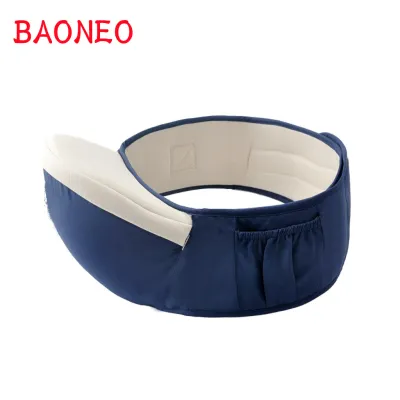
Category C includes multi-position and hip-seat models, which are highly suited for active toddlers and parents who require quick transitions. These carriers feature a firm, padded shelf-like seat that wraps around the parent’s waist, allowing the toddler to sit comfortably while relieving pressure on the wearer’s spine. This design is perfect for the stage when toddlers want to walk independently but frequently request to be held. The independent hip seat can often be detached from the upper harness, offering a simplified way to support your child’s weight during quick up-and-down transitions.
Before making your final decision, always verify current stock, exact model names, and retail prices via official brand channels or authorized retailers on your preferred online marketplace. Prices for these carriers in the Philippines typically range from ₱800 to ₱2,500, depending on the specific model’s features, material quality, and included accessories. Checking official listings ensures you receive an authentic product complete with the manufacturer’s safety manual and warranty information.
Frequently Asked Questions (FAQ)
Can I use a Baoneo carrier for a newborn without an infant insert?
Whether you can use a Baoneo carrier for a newborn without an insert depends entirely on the specific model’s design and minimum weight requirements. Many structured carriers are designed for older infants who already possess basic head control and a wider hip span. If a model has a wide seat that forces a newborn’s legs to stretch too far apart, or if it lacks built-in neck support, using it without a dedicated infant insert can be highly unsafe. Always consult the product manual to verify the minimum weight limit and specific newborn guidelines. If the manual specifies that an insert is required for infants under a certain weight, do not attempt to use the carrier without it, as doing so could compromise your baby’s airway safety and spinal alignment.
How do I clean and maintain the carrier fabric and buckles?
To maintain the structural integrity and safety of your baby carrier, regular cleaning and hardware inspections are essential. Most fabric carriers can be spot-cleaned with a damp cloth and mild, baby-safe detergent for minor spills. For a thorough clean, check the care label on your specific model; many can be machine-washed on a gentle cycle using cold water and a mild detergent. It is highly recommended to place the carrier inside a mesh laundry bag and fasten all buckles before washing to prevent the hardware from damaging the washing machine drum or the carrier fabric. Always air dry the carrier in a shaded, well-ventilated area, as direct sunlight and high-heat tumble dryers can degrade the synthetic fibers, weaken the webbing, and warp plastic buckles over time. Regularly inspect all stitching, zippers, and buckles for signs of wear or damage before each use.

Community discussion
Share your experience or ask a question. Comments are reviewed before publication.