
Watching your baby transition from a quiet newborn to an active explorer is one of the most exciting phases of parenthood. As they begin to wiggle, roll, and pull themselves up, you might start looking for toys that can support their newfound mobility. A baby walker toy is a popular choice, but not all walkers are created equal, and choosing the wrong type can actually hinder your baby’s physical progress.
To make an informed decision, you must match the toy to your baby’s current gross motor milestones rather than relying solely on age recommendations. Whether you are considering a seated activity walker, a push walker, or a versatile convertible model, understanding how these designs interact with your baby’s developing muscles and balance is essential. In the Philippines, where home environments often feature smooth tiled or polished wood floors, selecting a walker with the right stability and wheel traction is particularly crucial for safety and developmental success.
Assessing Your Baby's Current Mobility Milestones
Before browsing online marketplaces or local baby boutiques, take a close look at what your baby can do physically right now. Gross motor development follows a sequential path, and forcing a baby into a stage they are not ready for can cause frustration and poor posture. Observable signs of readiness are your best guide when evaluating different types of baby walker toys.
Products mentioned in this guide
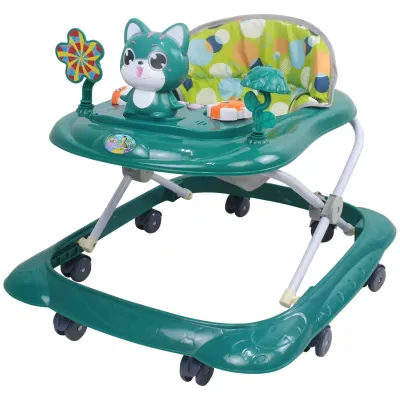
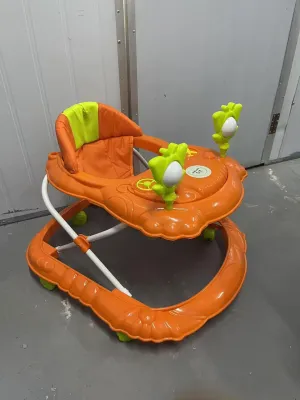
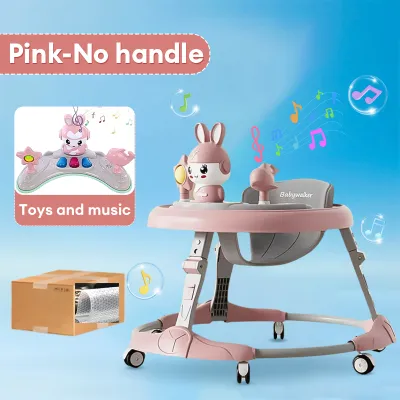
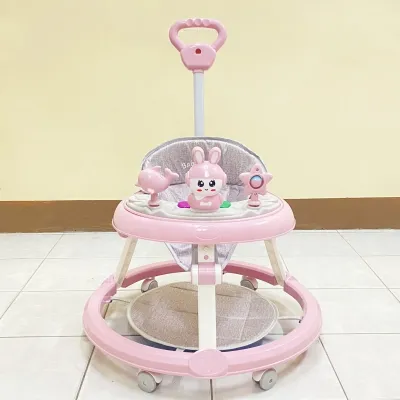
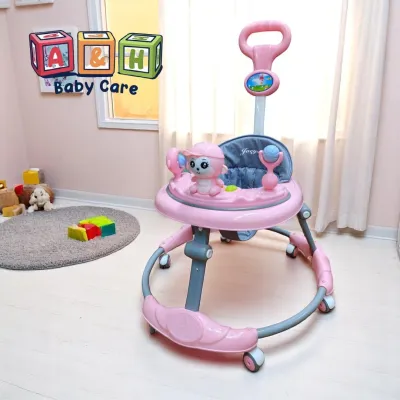
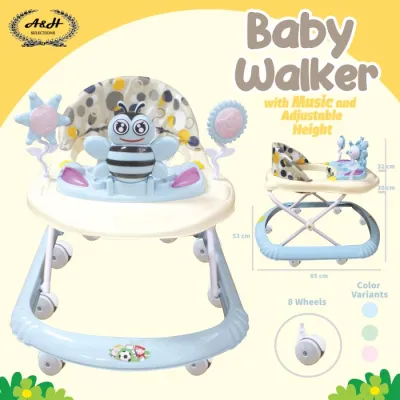
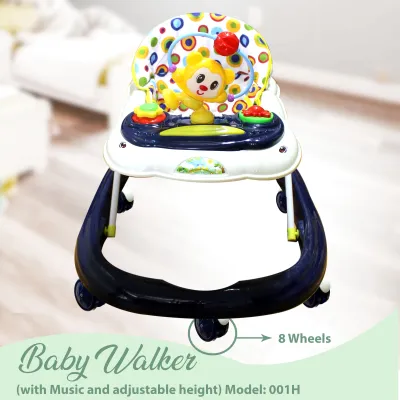
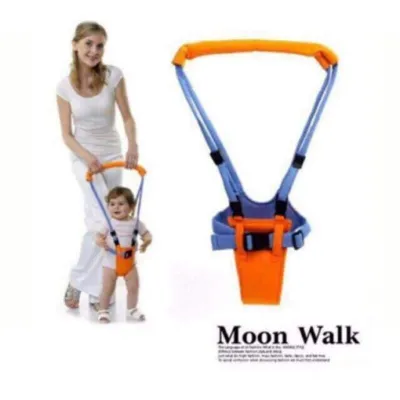
Prices are valid at publication and may change. Please refer to the product page for the latest price.
If your baby can sit upright for extended periods without tipping over but cannot yet support their own weight on their legs, they are in the early sitting stage. If they are actively pulling themselves up using the edge of a crib, playpen, or sofa, they are entering the standing phase. Finally, if they are ‘cruising’—moving sideways while holding onto furniture for support—they are on the cusp of taking their first independent steps.
Matching the baby walker toy to these specific milestones ensures that your baby uses the correct muscle groups. For example, placing a baby who cannot stand into a push walker will only lead to falls, while keeping an active cruiser in a seated walker can restrict their natural gait and limit their balance development. Remember that every baby develops on their own unique timeline; physical milestones are not a race, and you should always consult your pediatrician if you have questions about your child’s motor progress.
Seated Activity Walkers: Best for Early Sitters
Seated activity walkers feature a fabric seat suspended inside a plastic or metal frame, supported by wheels at the base. These models are designed for babies who can sit upright unassisted but are not yet pulling themselves up to stand. The primary appeal of this design is the built-in activity tray, which often includes colorful toys, buttons, and music to keep an infant entertained while they try out their leg movements.

When selecting a seated model, safety and structural integrity must be your top priorities. Look for a baby walker toy with an extra-wide, stable base that extends well past the seating area to prevent the frame from tipping over if your baby leans to one side. Adjustable seat heights are also critical; your baby’s feet must be able to rest flat on the floor with a slight bend in the knees, rather than having them dangle or touch only with their tiptoes.
Operating a seated walker requires strict adherence to safety boundaries. Because these toys allow babies to move surprisingly fast, constant adult supervision is non-negotiable. You must keep the walker completely away from stairs, raised door thresholds, swimming pools, and outdoor steps. In Filipino households, pay extra attention to kitchen entryways and bathroom doors, ensuring they are securely closed or gated to prevent access to hot liquids, cleaning agents, or wet, slippery floors.
Furthermore, always check the manufacturer’s documentation for specific weight and height limits. To support healthy motor development, limit your baby’s time in a seated walker to short sessions of no more than 10 to 15 minutes a day. Overusing a seated walker can cause a baby to rely on the seat for balance rather than developing their own core and leg strength, and it can also encourage toe-walking, which tightens the calf muscles.
Push Walkers: Best for Cruisers and First Steps
Push walkers are sturdy, wheeled toys with a handle that babies grip while walking behind them. Unlike seated models, these toys are intended for babies who can already pull themselves up to a standing position and are beginning to cruise along furniture or take tentative steps with hand-held support.
From a developmental perspective, push walkers are highly effective at promoting natural walking mechanics. Because there is no seat to support the baby’s weight, they must actively engage their core, hips, knees, and ankles to stay upright. This active engagement helps build balance, spatial awareness, and the necessary muscle memory for independent walking. Additionally, a push baby walker toy allows your baby to look down and see their feet moving, which is vital for sensory feedback and coordination.
When shopping for a push walker, performing stability and traction checks is essential. Because smooth tiled and polished hardwood floors are common in the Philippines, a lightweight plastic walker can easily slip or roll away too quickly, causing your baby to fall forward. Look for models that feature a weighted base or allow you to add weight (such as a water chamber) to keep the toy grounded. Many high-quality push walkers also feature adjustable wheel resistance or rubberized traction strips on the wheels, allowing you to slow down the rolling speed to match your baby’s walking pace.
Preparing the environment is just as important as choosing the right toy. Before letting your baby use a push walker, clear a wide, flat pathway free of obstacles. Remove loose area rugs, door mats, and electrical cords that could catch the wheels or cause your baby to trip. Keep the play area dry and clean, as dust or moisture on tiled floors can significantly reduce wheel traction.
Convertible Walkers: Adapting to Growing Mobility
Convertible walkers, often designed as 2-in-1 or 3-in-1 activity centers, are engineered to transition alongside your growing baby. These versatile toys typically start as a stationary activity table or a seated floor toy, convert into a push walker as your baby begins to stand, and sometimes transform into a ride-on toy or a toddler play table for older children.
This type of baby walker toy is an excellent investment for families seeking long-term utility and value. Instead of purchasing multiple separate pieces of baby gear that your child will quickly outgrow, a convertible model adapts to changing mobility needs over several months or even years. This multi-stage functionality is also highly practical for homes with limited storage space.
Before choosing a convertible model, you must verify the ease and security of the conversion process. Ensure that the locking mechanisms are robust and cannot be accidentally released by an active baby. The structural stability must remain uncompromised in every single configuration; for instance, when converted into a push walker, the frame must not flex or wobble under your baby’s weight. Additionally, check if the wheels offer adequate resistance control in push mode to prevent rapid rolling.
Always read the manufacturer’s user manual carefully to understand the specific age, weight, and height guidelines for each individual configuration. A setting that is perfectly safe for a toddler may pose safety risks or physical strain for a younger infant. Never skip safety checks when transitioning the toy between modes, and inspect all joints and fasteners regularly.
Safety Checks and When to Retire the Walker
Regardless of the type of baby walker toy you choose, establishing a daily safety routine is vital to protect your little one from injury. Before every play session, conduct a quick pre-use inspection. Check for any loose parts, cracked plastic edges, or compromised locking mechanisms. Inspect the wheels to ensure they roll smoothly and are free of tangled hair, dust, or pet fur, which can accumulate quickly in humid environments and cause the wheels to lock up or glide unevenly.
Active environmental management is your best defense against accidents. Keep the walker away from uneven floor transitions, slippery polished surfaces, and areas where your baby could reach dangerous items. A baby in a walker has a higher reach than a crawling baby, meaning low countertops, tablecloths, and dangling cords are now within their grasp. Keep hot beverages, heavy decorative objects, and electrical appliances completely out of reach.
Knowing when to retire the baby walker toy is just as important as knowing when to start using it. You should stop using the walker immediately if your baby exhibits any of the following signs:
- They can walk independently without support.
- They attempt to climb out of the seat of a seated walker.
- They exceed the manufacturer's maximum weight or height limits.
Continuing to use a walker past these points increases the risk of tipping, falls, and structural failure. To foster natural movement, balance, and healthy physical development, balance walker play with plenty of barefoot exploration. In the warm Philippine climate, letting your baby walk barefoot on clean, safe indoor floors is highly beneficial. Walking barefoot allows their toes to grip the ground, which strengthens the muscles in their feet, supports natural arch development, and provides critical sensory feedback to their developing nervous system.
Frequently Asked Questions (FAQ)
Do pediatricians recommend baby walkers?
Many pediatric associations worldwide, including the Philippine Pediatric Society, advise against the use of traditional seated baby walkers. This recommendation is due to the high risk of serious injuries, such as falls down stairs, and the potential for developmental delays caused by unnatural hip positioning and toe-walking. In contrast, push walkers are generally viewed more favorably by medical professionals because they require the baby to support their own weight and practice active balance. However, any walking toy must be used under close adult supervision, and you should always consult your own pediatrician for personalized advice tailored to your baby’s development.
How long should my baby use a walker each day?
To protect your baby’s physical development, limit their time in a baby walker toy to brief sessions of no more than 15 to 20 minutes per day. Walkers should never serve as a substitute for essential floor activities like crawling, rolling, and tummy time. These unrestricted movements are crucial for building the core, back, shoulder, and neck strength that your baby needs to stand and walk naturally. Prioritizing active, unassisted floor play ensures your baby develops healthy motor patterns at their own natural pace.
Community discussion
Share your experience or ask a question. Comments are reviewed before publication.