
Finding the right baby bag can feel overwhelming when you are faced with hundreds of options on online marketplaces. However, the secret to choosing the perfect bag lies not in the trendiest design, but in your specific daily logistics. By evaluating how you travel, who is carrying the bag, and how long you typically stay out, you can select a style that makes leaving the house with your little one stress-free rather than a physical chore. The ideal baby bag is one that seamlessly integrates into your existing routine, keeping essentials organized without adding unnecessary bulk to your day.
Quick Diagnostic: Which Bag Fits Your Routine?
To find the right style quickly, match your primary outing patterns to the most functional bag designs:
- Quick errands and car travel: A tote bag or a compact crossbody bag works best. These styles allow you to grab items rapidly without unzipping multiple compartments, which is ideal when you are making quick stops or have a car trunk nearby to store backup supplies.
- Full-day outings, public transit, and solo parenting: A diaper backpack is the most practical choice. It distributes weight evenly across both shoulders, keeps your hands completely free to carry your baby or push a stroller, and offers secure zippered compartments to keep items safe in crowded areas.
- Minimalist trips or older babies: A compact messenger bag or a diaper clutch is perfect. As babies grow, they require fewer specialized items, allowing you to downsize to a lightweight option that holds only a couple of diapers, a small pack of wipes, and a change of clothes.
- Highly varied routines or shared caregiving: A convertible baby bag that switches between a backpack, tote, and crossbody style offers the ultimate versatility. This is particularly useful for families where partners share a single bag but prefer different carrying methods.
Ultimately, the most effective baby bag is highly subjective. Rather than purchasing a bag simply because it is popular, focus on how your daily logistics dictate your storage and carrying needs.
Products mentioned in this guide
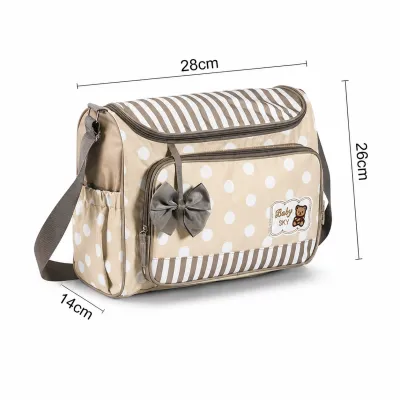
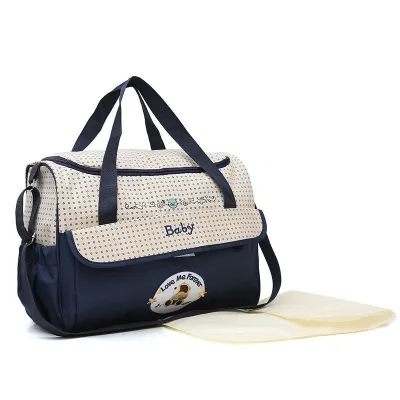
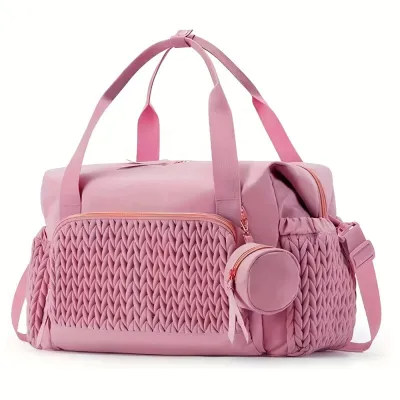
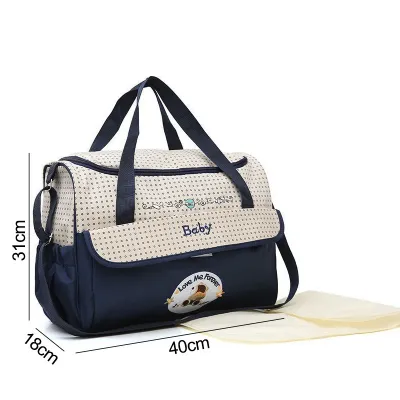
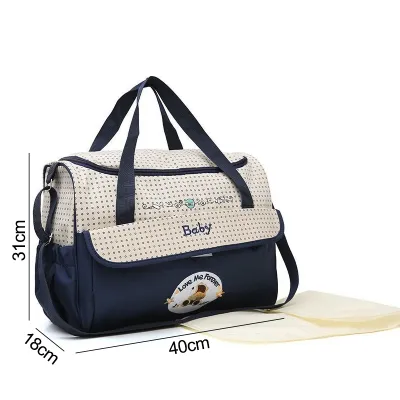
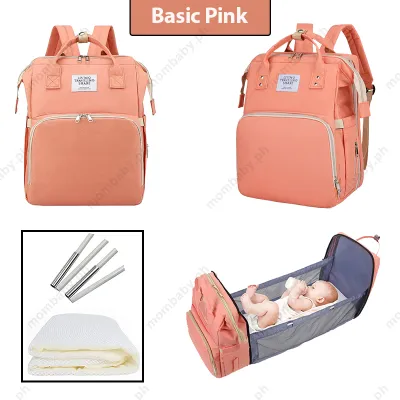
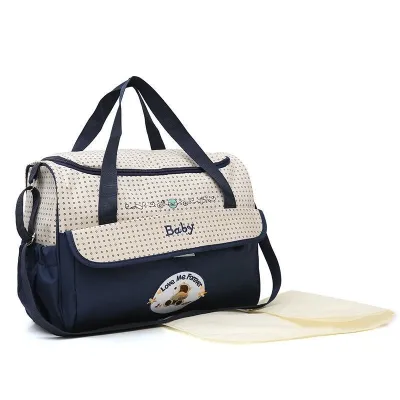
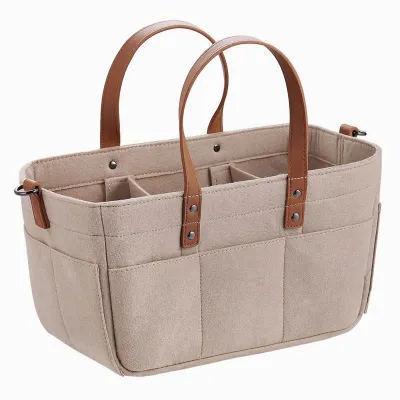
Prices are valid at publication and may change. Please refer to the product page for the latest price.
Assess Your Daily Outing Patterns and Parenting Logistics
Before browsing specific brands, take a close look at your daily lifestyle. Your routines, environment, and parenting setup will naturally highlight the features you need while filtering out options that will only get in your way.

Duration and Distance
Consider how long you are typically away from home. A quick, one-hour stroll around your neighborhood or a brief trip to a local convenience store requires very little gear—often just a single diaper, a small travel pack of wipes, and your personal items. Conversely, an eight-hour day spent visiting family, running multiple errands across town, or navigating a large shopping mall demands a much larger capacity. For long excursions, you must pack multiple diaper changes, extra outfits to handle unexpected spills, feeding equipment, and toys to keep your baby entertained.
Caregiver Setup
Evaluate who will be carrying the bag on a regular basis. If you are frequently solo parenting, keeping your hands free is non-negotiable. You will need to carry your baby, manage doors, pay for purchases, and navigate public spaces simultaneously, making a backpack or a secure crossbody bag highly practical. If you share caregiving duties with a partner or relative, consider a neutral, ergonomic design that everyone feels comfortable wearing. Choosing a style with adjustable straps ensures that caregivers of different heights and body types can carry the bag comfortably without experiencing shoulder or back strain.
Transportation Mode
Your primary mode of transportation heavily influences your bag requirements. If you walk long distances or rely on public transit like buses, jeepneys, or the MRT, you need a lightweight, durable bag with excellent weight distribution and secure closures to prevent theft. If you travel primarily by private car, the physical weight of the bag matters less because the vehicle serves as your primary storage hub. In this scenario, you can keep a larger diaper bag or a backup bin in the trunk and carry a much smaller, lightweight pouch or tote with you into shops and restaurants.
Feeding and Age Stage
Your baby’s feeding method and developmental stage dictate the volume and type of gear you must carry. Exclusively breastfed infants require very little feeding gear, freeing up significant space in your bag. If you formula feed or pump, you will need dedicated space for bottles, a thermos of warm water, formula dispensers, or breast pump parts. Once your baby transitions to solid foods, your packing list will shift to include snack containers, baby spoons, bibs, and water cups. Understanding these shifting requirements prevents you from buying a bag that is either too small for your current needs or unnecessarily bulky for your baby’s age.
Match Your Routine to the Right Baby Bag Style
Once you understand your daily logistics, you can map them directly to a specific style of baby bag. Each design offers distinct advantages and trade-offs that affect your comfort and efficiency on the go.
Backpacks for Hands-Free and Full-Day Outings
For active parents, solo caregivers, and long days away from home, a backpack is often the most functional option. By distributing the weight of your baby gear evenly across both shoulders, a backpack minimizes the risk of muscle fatigue and poor posture. This ergonomic design is highly beneficial when you are wearing a front baby carrier, as it balances the weight on your back and keeps your front clear.
Backpacks are also incredibly practical when managing a mobile toddler who requires quick physical intervention. Because the bag stays securely on your back, you can bend down, run, or climb without the bag sliding forward and obstructing your movement. Look for backpack models with wide, padded shoulder straps and breathable back panels to keep you comfortable in warm, humid weather.
Totes for Quick Errands and Easy Access
Tote bags are a classic choice for parents who prefer the familiar look and feel of a traditional purse. They typically feature a single, wide top opening that allows you to see all your organized contents at a single glance. This makes it incredibly easy to reach in and grab a pacifier, toy, or wipe with one hand while holding your baby with the other.
Totes are ideal for quick errands, car trips, or visits to places where you can easily set the bag down on a clean surface. However, they carry a distinct physical trade-off. Carrying a heavy tote bag on one shoulder for extended periods can cause significant neck, shoulder, and back strain. If you choose a tote, ensure it has comfortable, non-slip straps, and avoid overloading it with heavy, non-essential items.
Messenger and Crossbody Bags for Minimalist Trips
If you prefer a minimalist approach or have an older baby who needs less gear, a messenger or crossbody bag is an excellent middle ground. These bags offer the quick accessibility of a tote while keeping your hands relatively free. They drape across your torso, keeping your essentials close to your body and easily accessible through side or front pockets.
This style is perfect for quick trips to the park or as a secondary bag. Many parents use a small crossbody bag to hold their personal items—like keys, phone, and wallet—alongside a couple of emergency baby supplies, while leaving a larger, fully stocked diaper bag in the car. This setup allows you to travel light without sacrificing preparedness.
Convertible Bags for Versatile Lifestyles
Convertible baby bags are designed for parents whose daily schedules vary wildly. These bags feature clever strap configurations and durable hardware that allow you to transform the bag from a backpack to a tote or a messenger bag in seconds. This versatility is ideal for couples who share a single bag but have different carrying preferences, or for parents who want a professional-looking tote for work that can quickly convert into a practical backpack for weekend family outings.
When evaluating a convertible bag, pay close attention to the quality of the zippers, clips, and strap attachments. The mechanisms that allow the bag to convert can add extra physical weight and structural complexity. Ensure the hardware is robust enough to handle the daily stress of switching configurations while fully loaded.
Calculate the Right Size and Capacity for Your Baby's Stage
One of the most common mistakes parents make is purchasing an oversized baby bag “just in case.” While a large bag seems practical, it often encourages overpacking, resulting in a heavy, disorganized burden that causes unnecessary physical strain.
To determine the correct capacity, perform a quick physical gear audit. Lay out your absolute daily essentials on a table:
- Four to six diapers (depending on the length of your trip)
- A travel pack of baby wipes
- A compact, foldable changing pad
- One or two changes of clothes
- A wet bag for soiled garments
- Feeding supplies (bottles, formula, or snacks)
- A small toy or pacifier
- Your personal essentials (wallet, phone, keys, and water bottle)
Once you see these items laid out, you will have a realistic visual representation of the volume you actually need.
Keep in mind that your space requirements will shrink as your baby grows. Newborns require frequent diaper changes, multiple changes of clothes due to spit-ups, and extensive feeding gear. However, as your child transitions to solid foods, uses fewer diapers, and eventually begins potty training, the amount of gear you need to carry will decrease dramatically. Buying a medium-sized bag with smart organizational pockets is often more sustainable in the long run than buying a massive bag that you will only use for the first few months.
Additionally, always check the empty weight of the bag before purchasing. Heavy materials like thick canvas, heavy-duty denim, or dense faux leather can make a bag heavy before you even add your baby gear. Opt for lightweight, high-density nylon or polyester fabrics that offer durability without adding unnecessary physical strain to your daily carry.
Filter Features Based on Your Actual Environment and Habits
To get the most value out of your baby bag, prioritize functional features that match your local climate and daily habits, while avoiding expensive, gimmicky additions.
Insulated Pockets
Insulated compartments are highly beneficial if you pump breast milk on the go, feed your baby formula, or carry perishable baby food. These pockets help maintain safe temperatures for milk or water while you run errands. However, if you are exclusively breastfeeding or your child has transitioned entirely to shelf-stable snacks and water, multiple insulated pockets are unnecessary and will simply take up valuable space that could be used for other gear.
Material and Lining
In tropical, high-humidity environments, your baby bag will be exposed to sweat, humidity, and occasional sudden downpours. Spills and leaks from bottles are also inevitable. To prevent mold, mildew, and unpleasant odors, look for a baby bag with a water-resistant, wipe-clean interior lining. The exterior should also be made of a water-repellent material that can withstand a sudden rain shower and is easy to clean with a damp cloth.
Stroller Straps
Integrated stroller straps or clips are incredibly convenient for long walks, as they allow you to hang your bag directly from the stroller handlebars, taking the weight off your shoulders. However, you must always prioritize safety when using this feature. Hanging a heavy baby bag on the handlebars can alter the stroller’s center of gravity, causing it to tip backward when you lift your child out of the seat. Always check your stroller manufacturer’s instructions and weight limits, and never leave a heavy bag hanging unattended on the handlebars.
Changing Pads
While many baby bags come with a built-in changing pad, these can sometimes be bulky and difficult to clean. A separate, lightweight, foldable changing pad is often much more practical. It allows you to carry only the pad when making a quick trip to a public restroom, and you can easily toss it into the washing machine or sanitize it with antibacterial wipes after use.
Frequently Asked Questions (FAQ)
Can I just use a regular backpack instead of a dedicated baby bag?
Yes, you can certainly use a standard backpack as a baby bag. Regular backpacks are highly cost-effective and can easily be repurposed once your child grows out of the diaper stage. However, standard backpacks often lack the specialized features that make outings with a baby run smoothly. They typically do not have water-resistant, wipe-clean interior linings to handle spills, insulated pockets to keep bottles at safe temperatures, or quick-access exterior pockets designed specifically for wipes and diapers. If you use a regular backpack, consider purchasing a few lightweight organizational pouches to keep your baby gear sorted and easy to find.
Do I need a different baby bag for the hospital?
Yes, it is highly recommended to use a separate bag for your hospital stay. A hospital go-bag is designed for a multi-day stay and needs to hold clothing, toiletries, recovery essentials, and newborn outfits for your birth and recovery period. Because of this, a hospital bag is typically much larger—similar in size to a carry-on suitcase or a large duffel bag. Your everyday baby bag, on the other hand, should be optimized for daily travel, short errands, and lightweight portability once you are back home. There is no need to carry a massive, fully packed hospital bag on your routine daily outings after discharge.

Community discussion
Share your experience or ask a question. Comments are reviewed before publication.