
Quick Answer: Is Whey Protein Safe While Breastfeeding?
Whey protein is generally considered safe for most postpartum and breastfeeding mothers when consumed in moderation. Because whey is a natural protein extracted from cow’s milk during the cheesemaking process, your body processes it similarly to the dairy products you might already consume. It provides a highly bioavailable source of essential amino acids, which can support your body’s recovery after childbirth.
However, whey protein must only be used to supplement a balanced diet rather than replace whole foods or essential meals. Whole food sources provide a complex matrix of micronutrients and dietary fiber that powders cannot replicate.
Before adding any new supplement to your daily routine, you must consult your OB-GYN, pediatrician, or a registered dietitian. This medical consultation is especially critical if you or your baby have a history of dairy allergies, lactose intolerance, or kidney issues, as your healthcare provider can help you evaluate potential risks and determine a safe intake level.
Products mentioned in this guide
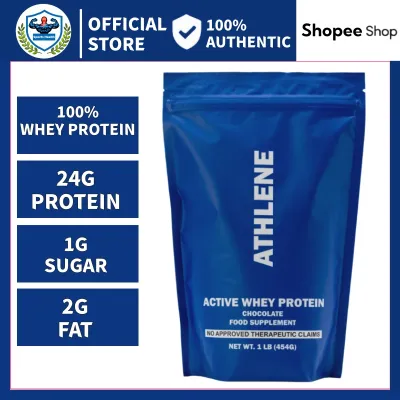
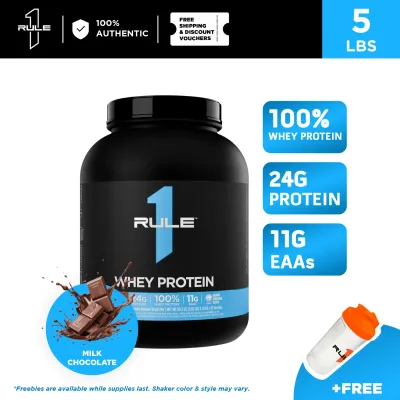
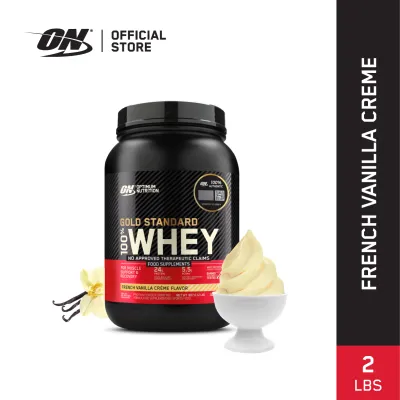
![Optimum Nutrition Gold Standard 100% Whey Protein 10 lbs [FREE Amino 2222 on July 13-31]](https://img.lazcdn.com/g/p/31cb5e2449e042305d667ea4fd0a02ec.png_400x400q80.png_.webp)
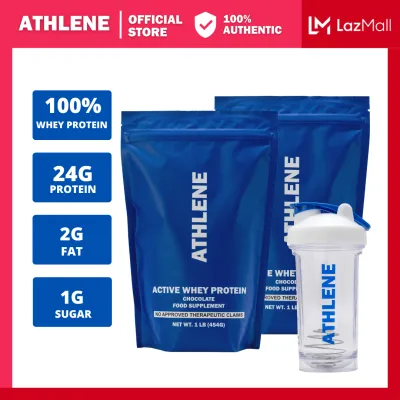
Prices are valid at publication and may change. Please refer to the product page for the latest price.
Protein Needs for Postpartum Recovery and Milk Production
The postpartum period, often referred to as the fourth trimester, places immense physical demands on your body. Healing from childbirth—whether you experienced a vaginal delivery or a Caesarean section—requires a significant amount of cellular repair. Protein serves as the primary building block for repairing damaged tissues, rebuilding pelvic floor muscles, and supporting the uterine involution process.

For mothers who choose to breastfeed, nutritional demands increase even further. Producing breast milk is an energy-intensive process that requires your body to expend extra calories and utilize maternal nutrient stores. Adequate protein intake, alongside sufficient overall caloric consumption, is vital to sustain healthy milk production while preserving your own muscle mass and strength.
In the busy daily life of a mother, finding the time to prepare balanced, protein-rich meals can be incredibly challenging. If you are balancing household responsibilities, caring for a newborn, or transitioning back to a demanding work schedule, cooking elaborate meals often falls to the bottom of your priority list. In these scenarios, whey protein offers a convenient, time-saving option to help you meet your daily nutritional targets without requiring extensive kitchen prep.
While protein is a cornerstone of postpartum recovery, it is only one part of the nutritional puzzle. Staying thoroughly hydrated is equally critical, particularly in warm, tropical climates like the Philippines, where humidity and heat increase your daily fluid requirements. You must combine your protein intake with a diverse range of micronutrients from fruits, vegetables, and whole grains to support your overall wellness and successful lactation.
Potential Risks and Side Effects for Mom and Baby
Although whey protein is highly convenient, it is not entirely free of risks. Because it is derived from cow’s milk, both you and your nursing infant can experience adverse reactions depending on your individual sensitivities and the quality of the supplement you choose.
Digestive Issues and Lactose Intolerance
Whey protein concentrate, which is the most common and cost-effective form of whey, naturally contains lactose. If you have pre-existing lactose intolerance or a sensitive digestive system, consuming concentrate can trigger uncomfortable gastrointestinal symptoms. These often manifest as bloating, painful gas, abdominal cramps, or diarrhea shortly after consumption.
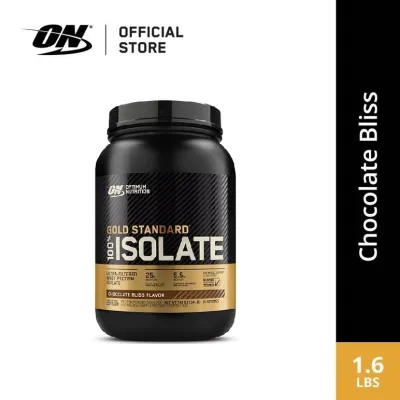
During the postpartum phase, maternal hormones are still fluctuating, which can temporarily alter your digestive efficiency and make you more susceptible to stomach upset. If you experience mild lactose sensitivity but still wish to use whey, whey protein isolate may be a more suitable alternative. Isolate undergoes additional processing and filtration to remove the vast majority of lactose and fat, though it is still derived from dairy.
Dairy Allergies and Infant Sensitivities
When you consume whey protein, intact proteins from the dairy can pass through your bloodstream and enter your breast milk. For infants with Cow’s Milk Protein Allergy (CMPA) or general dairy sensitivities, even trace amounts of these proteins can trigger an adverse immune response or digestive irritation.
As a breastfeeding mother, you must closely monitor your infant for any unusual physical or behavioral changes after you consume whey protein. Common signals of a dairy sensitivity in breastfed babies include unexplained, persistent fussiness, severe colic, eczema, skin rashes, or sudden changes in stool consistency, such as the presence of green mucus or visible specks of blood.
If you observe any of these symptoms in your baby, you should temporarily stop consuming all dairy products, including your whey supplement. You must seek guidance from your pediatrician to determine if an elimination diet is necessary to identify the exact trigger.
Additives, Sweeteners, and Supplement Purity
Many commercially available protein powders contain a wide array of additives designed to improve taste, texture, and shelf life. However, ingredients like artificial sweeteners, synthetic thickeners, chemical preservatives, or artificial food colorings may not be ideal for a developing infant’s system. Furthermore, some powders contain high levels of caffeine or proprietary herbal blends that have not been thoroughly evaluated for safety during lactation.
The dietary supplement market is not as strictly regulated as pharmaceuticals, which introduces the risk of heavy metal contamination, such as lead, arsenic, or cadmium, during the manufacturing process. These heavy metals can accumulate in the body and potentially pass into breast milk, posing health risks to your baby.
To protect your health and your baby’s development, you must strictly avoid “mass gainers” or pre-workout protein blends. These specific products are frequently formulated with high levels of added sugars, creatine, and powerful stimulants like green tea extract or synthetic caffeine, which can easily pass through breast milk and disrupt your baby’s sleep patterns or elevate their heart rate.
How to Choose a Safe Whey Protein Supplement
Navigating the supplement aisle requires a cautious, analytical approach. To select a high-quality whey protein that minimizes risks for both you and your baby, you must learn to evaluate product labels carefully rather than relying on attractive packaging or marketing claims.
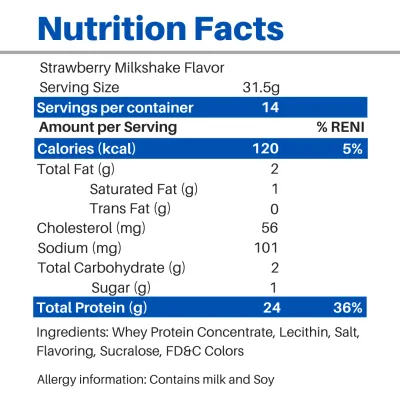
First, prioritize products with short, simple, and recognizable ingredient lists. A high-quality powder should ideally contain only whey protein (either isolate or concentrate), a natural flavoring agent, and perhaps a natural sweetener like stevia. Avoid products that list long strings of chemical additives, artificial flavors, or synthetic thickeners like xanthan gum if you have a sensitive stomach.
Second, understand the differences between Whey Protein Isolate and Whey Protein Concentrate to make an informed choice:
- Whey Protein Isolate: This option offers higher protein purity (usually 90% or more) and contains minimal lactose and fat. It is highly refined, making it easier on the stomach for those with mild dairy sensitivities, though it typically sits at a higher price point.
- Whey Protein Concentrate: This form is more cost-effective and retains some of the beneficial immune-boosting nutrients naturally found in dairy. However, its protein content varies (typically 70% to 80%), and it contains higher levels of lactose and fat, which may trigger digestive issues if you are sensitive.
In the Philippines, high-quality whey protein supplements generally range from ₱1,500 to ₱4,000 per tub, depending on the brand, formulation, and whether it is an isolate or concentrate.
Third, look for independent, third-party testing seals on the packaging. Certifications from reputable, independent organizations—such as NSF International, Informed-Choice, or United States Pharmacopeia (USP)—indicate that the product has undergone strict laboratory testing. These tests verify that the label accurately reflects the contents and that the powder is free from harmful levels of heavy metals, contaminants, or banned substances.
Finally, verify that the protein powder does not contain added herbal supplements, proprietary botanical blends, or mega-doses of vitamins and minerals. Many postpartum mothers already take daily prenatal or postnatal multivitamins. Consuming a protein powder fortified with high levels of fat-soluble vitamins (such as vitamins A, D, E, or K) can lead to accidental toxicity if your total daily intake exceeds the recommended daily allowances for lactating women.
When to Stop Use and Consult a Healthcare Professional
Your safety and your baby’s well-being must always take precedence over convenience. You must establish clear boundaries for when to pause your supplement use and seek professional medical advice.
Immediately stop using the whey protein powder if you experience any personal red flags, such as sudden skin hives, swelling of the lips or face, difficulty breathing, or severe, persistent abdominal pain. These symptoms can indicate a serious allergic reaction that requires urgent medical attention.
Similarly, you must pause the supplement and consult your pediatrician or a certified lactation consultant if your baby develops unexplained skin rashes, persistent vomiting, extreme gas, or unusual changes in their bowel movements. A professional evaluation can help determine whether the baby’s symptoms are linked to the dairy proteins in your diet or another underlying factor.
If dairy is identified as the source of your baby’s discomfort, your healthcare provider may suggest transitioning to alternative protein sources. Plant-based protein powders—such as those derived from pea, soy, or brown rice—can be excellent, dairy-free alternatives. However, you must still apply the same rigorous selection criteria to these alternatives, checking labels carefully for heavy metals, clean ingredient profiles, and third-party safety certifications.
Frequently Asked Questions (FAQ)
Can whey protein decrease my milk supply?
Whey protein itself does not contain any compounds that will decrease your breast milk supply. However, if you use protein shakes as a replacement for actual, calorie-dense meals, you may inadvertently reduce your overall caloric and fluid intake. A sudden drop in daily calories and hydration can negatively impact your milk volume, so you must always treat protein powder as a supplement to, rather than a replacement for, balanced meals.
Is plant-based protein a safer alternative while nursing?
Plant-based protein powders are not automatically safer than whey protein, though they are an excellent alternative if your baby has a cow’s milk allergy or if you suffer from lactose intolerance. Plant-based options, particularly those made from pea, soy, or hemp, still carry risks of heavy metal contamination and can contain unwanted chemical additives. You must evaluate plant-based powders with the same strict standards for third-party testing and ingredient purity.
How much protein powder is safe to consume daily?
There is no single, universal dosage of protein powder that is safe for every postpartum mother, as your ideal intake depends on your body weight, physical activity level, and overall dietary habits. Generally, consuming one serving (providing roughly 20 to 25 grams of protein) per day to fill nutritional gaps is common and well-tolerated. To avoid excessive protein intake, which can strain your kidneys, you should calculate your specific nutritional needs with your doctor or a registered dietitian.
Community discussion
Share your experience or ask a question. Comments are reviewed before publication.