
For most babies, the safe age to start using sunscreen is six months. Before this milestone, an infant’s skin is highly sensitive, thin, and prone to absorbing active chemical ingredients, making physical sun protection like shade and protective clothing the primary defense. When your baby reaches six months, you should look for a dedicated baby sunscreen featuring mineral active ingredients like zinc oxide or titanium dioxide, a broad-spectrum rating, and a fragrance-free formula.
Navigating the baby care aisle can feel overwhelming with the sheer volume of products claiming to be the safest option. Understanding the specific needs of your baby’s developing skin barrier will help you make an informed decision. By learning how to read labels, identify potential irritants, and apply sunscreen correctly, you can safely protect your little one from intense tropical sun exposure.
When to Start Using Sunscreen on Your Baby
During the first six months of life, a baby’s skin barrier is still developing. It is significantly thinner than adult skin, meaning it absorbs topical substances more easily and is highly susceptible to chemical irritation. Additionally, young infants have a high body-surface-area-to-weight ratio, which increases the risk of systemic absorption of sunscreen chemicals. For these reasons, global pediatric guidelines recommend keeping newborns and infants under six months out of direct sunlight entirely rather than relying on sunscreen.
Products mentioned in this guide
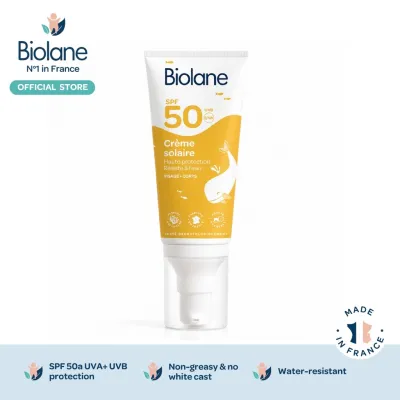
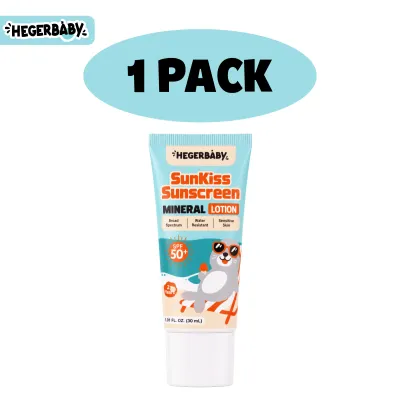
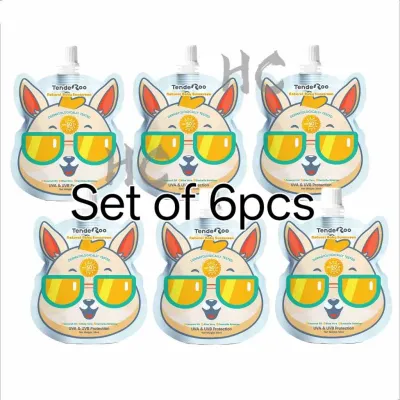
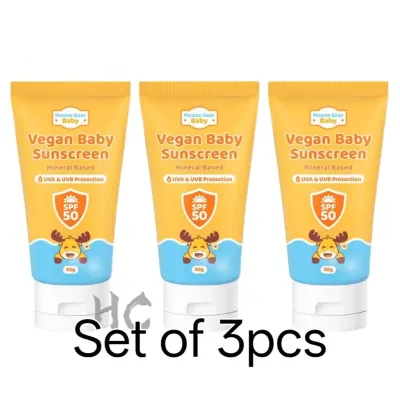
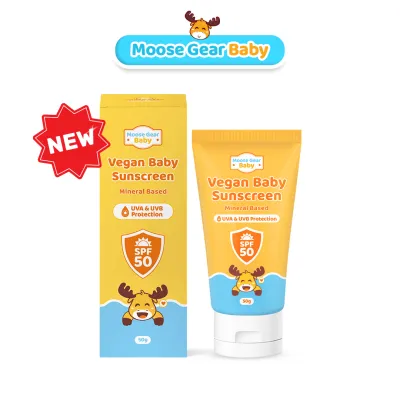
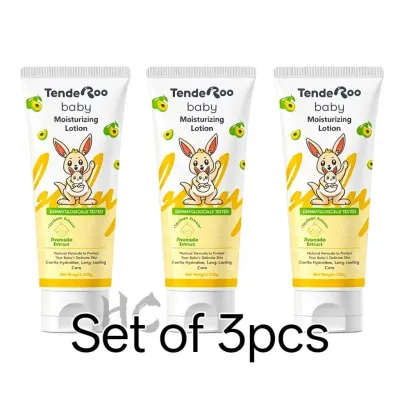
Prices are valid at publication and may change. Please refer to the product page for the latest price.
Once your baby reaches six months of age, their skin has matured enough to handle small amounts of specially formulated baby sunscreen on exposed areas. However, even after this milestone, sunscreen should complement other sun safety measures rather than replace them. You should always check the packaging of any product you purchase to verify the manufacturer’s age recommendations. Most reputable baby sunscreens will explicitly state on the label whether the product is suitable for infants aged six months and older.
If you are considering using sunscreen on a baby under six months due to unavoidable sun exposure, or if your baby has specific skin conditions, you must consult a pediatrician first. Conditions such as eczema, extremely dry skin, or active rashes compromise the skin barrier further. A pediatrician can recommend specialized, ultra-gentle formulations or provide a tailored sun protection plan that minimizes the risk of flare-ups and systemic absorption.
Key Safety Features and Ingredients to Check on the Label
When shopping for baby sunscreen, the active ingredients list is your most reliable guide. Sunscreens generally fall into two categories: physical (mineral) and chemical. Physical sunscreens use active mineral ingredients like zinc oxide and titanium dioxide. These minerals sit on top of the skin’s surface and act like tiny mirrors, reflecting harmful ultraviolet rays away from the body. Because they do not penetrate the skin, they are highly recommended for babies and individuals with sensitive skin.

In contrast, chemical sunscreens contain active ingredients such as avobenzone, oxybenzone, octinoxate, or homosalate. These compounds absorb into the skin and convert UV radiation into heat, which is then released from the body. Because these chemicals are absorbed into the skin barrier, they are much more likely to cause allergic contact dermatitis or irritation on delicate baby skin. When reading the ingredient label, look for zinc oxide or titanium dioxide listed as the sole active ingredients.
Beyond the active ingredients, you must check the packaging for broad-spectrum protection and an appropriate Sun Protection Factor (SPF). A broad-spectrum rating ensures the product protects against both UVA rays, which penetrate deeply and cause long-term skin damage, and UVB rays, which cause sunburn. For babies, pediatricians generally recommend an SPF of 30 to 50. SPFs higher than 50 offer only marginally better protection but often require higher concentrations of active ingredients, which may increase the likelihood of skin irritation.
It is also essential to evaluate common marketing claims like “hypoallergenic,” “fragrance-free,” and “pediatrician-tested.” While these terms suggest a product is gentle, they are not strictly regulated. You should always cross-reference these claims with the actual ingredient list. Avoid products containing synthetic fragrances, parabens, phthalates, and essential oils. Essential oils like lavender, citrus, or tea tree can cause phototoxic reactions when exposed to sunlight, leading to unexpected skin irritation or burns.
How to Apply Safely and When to Stop Use
Before applying any new sunscreen to your baby’s face and body, you should perform a patch test to rule out potential allergic reactions. Apply a pea-sized amount of the sunscreen to a small, discreet area of your baby’s skin, such as the inner forearm or behind the ear. Leave the product on for 24 hours and monitor the spot closely. If you notice any redness, swelling, tiny bumps, or signs of itching, wash the area immediately and do not use that product again.
When you are ready for a full application, apply the sunscreen 15 to 30 minutes before heading outdoors. This allows the product to form an even, protective barrier over the skin. Be meticulous when applying, paying close attention to easily forgotten areas such as the tips of the ears, the back of the neck, the tops of the feet, and the back of the hands. Avoid the immediate eye area and the mouth to prevent your baby from rubbing the product into their eyes or accidentally ingesting it.
To maintain effective protection, you must reapply baby sunscreen at least every two hours. In tropical climates where humidity is high, babies sweat easily, which can wash away even water-resistant formulas. You should also reapply the product immediately after your baby plays in water or is wiped down with a towel. Remember that water-resistant does not mean waterproof; no sunscreen remains fully effective after prolonged water exposure.
Monitor your baby’s skin continuously during and after outdoor activities. If you observe any signs of skin irritation, such as a sudden red rash, hives, raised bumps, or persistent scratching, you must stop using the sunscreen immediately. Gently wash the product off your baby’s skin using cool water and a mild, fragrance-free baby soap. If the irritation does not subside within a day, or if your baby seems highly uncomfortable, consult a healthcare professional for guidance.
Sun Protection Alternatives for Younger Infants
For infants under six months, physical barriers are the safest and most effective way to prevent sun damage. When planning outdoor outings, dress your baby in lightweight, loose-fitting clothing that covers their arms and legs. Look for garments made from tightly woven fabrics, or choose clothing with a certified Ultraviolet Protection Factor (UPF) rating. A wide-brimmed hat is also essential, as it shades the baby’s face, ears, and the back of their neck from direct sunlight.
Strollers and infant car seats should be equipped with adjustable canopies or breathable mesh shades to block out ambient light. When walking outdoors, try to stay on shaded paths under trees, awnings, or umbrellas. Keep in mind that sand, concrete, and water can reflect UV rays even into shaded areas, so combining multiple physical barriers is always the safest approach for young infants.
Timing your outdoor activities is another highly effective strategy. The sun’s UV rays are at their peak intensity between 10:00 AM and 4:00 PM. To minimize exposure, schedule your outdoor walks, park visits, or family gatherings for the early morning or late afternoon. This not only reduces the risk of sunburn but also helps protect your baby from the intense heat of midday.
In warm, humid environments, you must balance sun protection with the risk of overheating. Babies cannot regulate their body temperature as efficiently as adults, making them highly susceptible to heat rash and heat exhaustion. Avoid covering strollers with heavy blankets or towels, as this can trap heat inside and create a dangerous greenhouse effect. Regularly check your baby for signs of overheating, such as flushed cheeks, rapid breathing, damp skin, or unusual fussiness, and move to a cool, air-conditioned indoor space immediately if these signs appear.
Frequently Asked Questions (FAQ)
Can I use regular adult sunscreen on my baby?
You should avoid using regular adult sunscreens on your baby. Adult formulations frequently contain chemical UV filters, heavy synthetic fragrances, alcohol, and preservatives that can easily penetrate a baby’s thin skin barrier, leading to severe irritation or allergic reactions. Baby sunscreens are specifically formulated with gentle, non-nano mineral blockers and minimal additives to respect the delicate nature of infant skin.
Does baby sunscreen expire, and is it safe to use past the date?
Yes, baby sunscreen does expire, and it is not safe to use past its expiration date. Over time, the active mineral ingredients can clump together or separate, resulting in uneven coverage that leaves your baby’s skin vulnerable to burns. Additionally, the preservatives in the formula degrade, allowing bacteria to grow inside the bottle. Always check the packaging for an expiration date or a Period After Opening (PAO) symbol, which looks like an open jar with a number indicating how many months the product remains safe after opening. Discard any product that has expired, changed color, separated, or developed an unusual odor.
Community discussion
Share your experience or ask a question. Comments are reviewed before publication.