
The moment your baby flashes their very first gummy smile, a new milestone of parenthood begins. You should start using a specialized milk teeth toothpaste as soon as the very first baby tooth breaks through the gums, which typically occurs around six months of age. Prior to this milestone, oral care consists of gently wiping the gums with a clean, damp cloth after feedings. However, once that first tiny tooth makes its appearance, transitioning to a dedicated toothbrush and infant-safe toothpaste is essential to protect their developing smile from early decay.
Establishing this routine early helps protect the temporary teeth, which play a vital role in your child’s overall development. These primary teeth help your baby chew food, speak clearly, and guide permanent teeth into their proper positions. In tropical climates like the Philippines, where sweet tropical fruits and complementary soft foods are introduced early, maintaining a clean oral environment is especially important to prevent early childhood caries. Taking proactive steps today sets the foundation for a lifetime of healthy oral hygiene habits.
Recognizing the Right Time: Teething Signs and First Tooth Milestones
The journey to your baby’s first tooth is accompanied by several distinct physical and behavioral signs. While the average age for the eruption of the first milk tooth is around six months, some babies may show their first tooth as early as three months, while others might not display one until their first birthday. Every infant develops at their own unique pace, and variations in this timeline are completely normal. Recognizing the early signs of teething allows you to prepare for the transition to a structured brushing routine.
Products mentioned in this guide
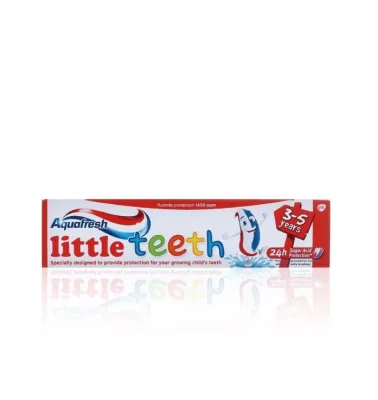
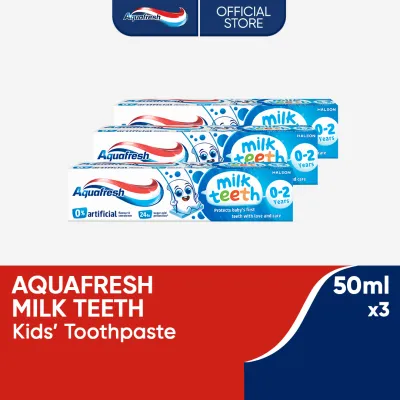
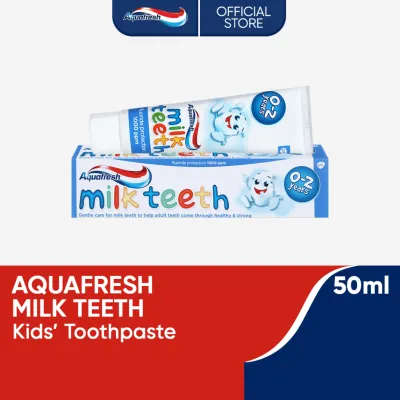
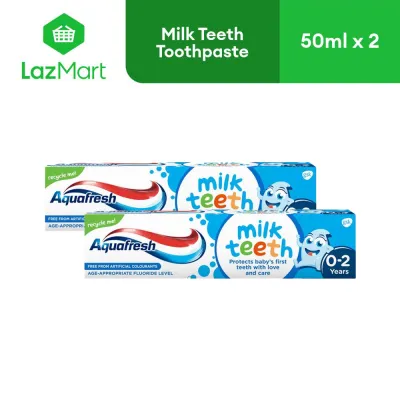
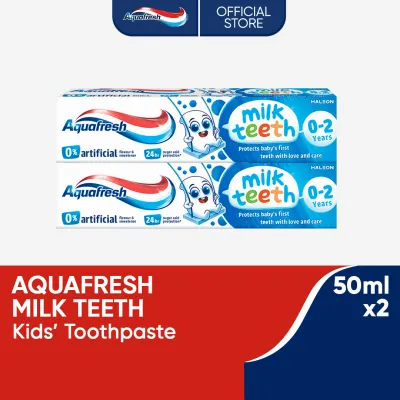

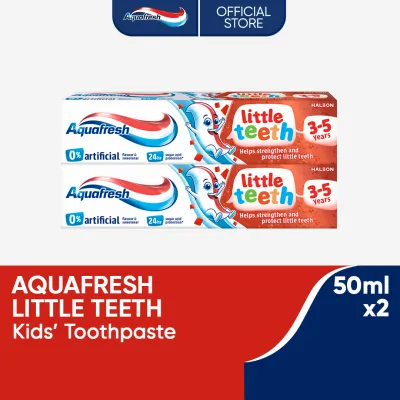
Prices are valid at publication and may change. Please refer to the product page for the latest price.
Common signs of teething include a noticeable increase in drooling, a constant desire to chew on hard objects, and swollen or tender gums. Your baby may also become more irritable than usual, experience temporary sleep disruptions, or rub their cheeks and ears due to referred discomfort from the jaw. During this warm and sensitive phase, parents in the Philippines often find comfort in giving their babies clean, chilled washcloths or silicone teething rings to soothe the gums. It is important to note that while teething causes localized discomfort, it does not cause high fevers or systemic illness; if your baby runs a high fever, consult a pediatrician to rule out other causes.
A frequent misconception among caregivers is that oral care can wait until a full set of teeth has emerged. Waiting too long is a critical mistake that increases the risk of early childhood caries, a rapid form of tooth decay that can affect even the smallest emerging teeth. As soon as any part of a tooth cuts through the gum line, bacteria can begin to colonize its surface. Introducing a tiny amount of milk teeth toothpaste immediately upon eruption ensures that these vulnerable new surfaces are shielded from plaque accumulation and acid wear from food.
Choosing a Safe Milk Teeth Toothpaste: What to Look For
Selecting the right milk teeth toothpaste requires careful attention to ingredient labels and product formulations. Infant oral care products are specifically designed to accommodate a baby’s developing body and their inability to spit out excess foam. Focusing on age-appropriate safety standards and gentle ingredients will help you narrow down the best options for your household.

Fluoride vs. Fluoride-Free: What to Check
Fluoride is a naturally occurring mineral widely recognized for its ability to strengthen tooth enamel and make teeth more resistant to acid attacks from plaque and sugars. However, because infants inevitably swallow toothpaste during the brushing process, the choice between fluoride and fluoride-free formulas must be approached with care. High levels of ingested fluoride during early childhood can lead to dental fluorosis, which causes mild cosmetic changes or spotting on the developing permanent teeth beneath the gums.
When shopping for oral care products, always verify the age recommendations and specific fluoride concentrations printed on the manufacturer’s packaging. Pediatric dental associations often recommend using a tiny smear of fluoride toothpaste from the very first tooth, but local guidelines and individual risk factors can vary. You must check the product label to ensure the formulation is specifically intended for infants and toddlers, as these products contain lower, safer concentrations of fluoride than standard adult variants.
Before making a definitive choice, consult a pediatric dentist or your family pediatrician for personalized guidance. A qualified professional can assess your baby’s specific risk of tooth decay, evaluate their daily diet, and take into account local water fluoridation levels in your specific area of the Philippines. This tailored advice ensures you select a formulation that provides optimal protection against cavities while minimizing any risk of over-exposure.
Safe Ingredients and Flavor Profiles
Reading the full ingredient list is a vital step in protecting your baby’s delicate oral tissues. Many standard toothpastes contain foaming agents, harsh abrasives, and strong flavorings that are entirely unsuitable for an infant’s mouth. Specifically, look to avoid sodium lauryl sulfate (SLS), a common surfactant that can cause dry mouth or irritate the sensitive mucous membranes of a baby’s gums. Additionally, avoid products containing harsh physical abrasives or artificial sweeteners like saccharin, which are unnecessary for basic cleaning.
The flavor profile of the toothpaste plays a major role in how cooperative your baby will be during brushing sessions. Opt for mild, baby-friendly flavors such as natural strawberry, apple, or banana, which make the experience pleasant and positive for the child. Ensure that these flavors are derived from safe, non-cariogenic ingredients and that the product does not rely on actual sugars or harmful additives to achieve its taste. A pleasant, non-burning flavor helps build a positive association with brushing, turning what could be a daily struggle into an enjoyable bonding activity.
Portion Control: How Much Toothpaste to Use at Each Stage
Using the correct amount of toothpaste is the single most effective way to balance cavity prevention with safety. Because babies cannot rinse and spit, controlling the portion size is entirely the caregiver’s responsibility. Visualizing the exact amount needed for each developmental stage prevents accidental over-ingestion while ensuring the teeth receive adequate cleaning.
For babies from the eruption of the first tooth up to the age of three, the recommended portion is a tiny “smear” of toothpaste, which is roughly equivalent to the size of a single grain of rice. To achieve this, do not squeeze a dollop onto the brush. Instead, gently press a minuscule amount onto the very tips of the bristles, spreading it thinly across the brush head. This tiny amount is highly effective at cleaning the small surface area of emerging teeth and is completely safe if swallowed in its entirety during the brushing process.
Once your child reaches the age of three and continues up to age six, you can transition to a “pea-sized” amount of toothpaste. By this stage, children have developed better motor control and can begin learning how to rinse their mouths and spit the remaining foam into the sink. Even as they grow more independent, you must continue to supervise the process closely. Teach them to spit out the excess toothpaste after brushing rather than swallowing it, and encourage them to rinse with a small sip of clean water.
Adult supervision remains critical throughout these early years. Always store toothpaste tubes securely out of your child’s reach to prevent them from treating the product as a sweet treat or squeezing large amounts directly into their mouths. Caregivers should always be the ones to apply the toothpaste to the brush, ensuring that the portion guidelines are strictly followed during every morning and evening brushing session.
Practical Steps for Brushing Your Baby's Emerging Teeth
Brushing a baby’s teeth requires a gentle touch, the right tools, and a comfortable setup. Because a baby’s mouth is small and their gums are highly sensitive—especially during active teething phases—your approach should prioritize comfort and safety to prevent any negative associations with oral care.
Begin by selecting an appropriate cleaning tool designed specifically for infants. For the very first emerging teeth, a clean, soft silicone finger brush that fits over your index finger is an excellent choice, as it allows you to gently massage the gums and clean the tooth surfaces with high precision. As more teeth begin to erupt, transition to an infant toothbrush featuring a small, rounded brush head and extra-soft nylon bristles. Always check the manufacturer’s packaging to verify that the brush is rated for your baby’s specific age range.
Finding a comfortable and secure position is key to keeping your baby calm and ensuring you have a clear, unobstructed view of their mouth. One highly effective technique is the “knee-to-knee” position, which involves two caregivers sitting facing each other with their knees touching; the baby’s body rests on one parent’s lap while their head is cradled securely on the other parent’s lap. If you are brushing alone, you can sit on a comfortable chair or floor mat and lay your baby’s head gently in your lap, securing their arms lightly if they tend to wiggle.
When brushing, use small, gentle circular motions rather than harsh back-and-forth scrubbing. Focus on the gum line where plaque is most likely to accumulate, and make sure to clean all accessible surfaces of each tooth, including the front, back, and chewing surfaces. Keep the sessions short and lighthearted, perhaps singing a favorite nursery rhyme to keep the baby entertained. In the warm Philippine climate, brushing in a well-ventilated room or under a cool fan can help keep a teething, fussy baby comfortable and cooperative.
When to Transition to Professional Dental Care
While consistent home care is the foundation of infant oral health, professional dental evaluations are essential for long-term success. Many parents mistakenly believe that a child does not need to see a dentist until they have a full mouth of teeth or show signs of decay. However, early preventive visits are crucial for identifying potential issues before they become painful or costly to treat.
The general professional guideline is to schedule your baby’s first dental visit within six months of the eruption of their first tooth, or by their first birthday, whichever milestone comes first. This early timeline allows a pediatric dentist to evaluate jaw development, check for early signs of decay, and monitor how the milk teeth are emerging. It also helps your child become familiar with the dental office environment at an early age, reducing anxiety during future visits.
During this initial visit, you can expect a quick, highly gentle visual examination of your baby’s mouth rather than any invasive procedures. The dentist will discuss proper feeding habits, such as avoiding putting your baby to bed with a bottle of milk or juice, which can cause severe nighttime decay. They will also provide personalized advice on brushing techniques, fluoride usage, and teething remedies, establishing a supportive partnership to keep your baby’s smile healthy as they grow.
Frequently Asked Questions (FAQ)
What if my baby swallows the toothpaste?
Swallowing a tiny, rice-sized smear of baby toothpaste during brushing is completely normal and expected at this stage, as infants have not yet developed the coordination required to spit. Formulations designed specifically for babies are created with this in mind and are safe when consumed in these recommended, minuscule amounts. After brushing, simply wipe away any excess foam from their lips with a clean, damp cloth. If your baby accidentally ingests a large, concentrated amount of toothpaste directly from the tube, contact your pediatrician, a healthcare professional, or a local poison control center immediately for guidance.
Can I use adult toothpaste for my baby's milk teeth?
No, you should never use adult toothpaste to clean your baby’s milk teeth. Adult formulations contain significantly higher concentrations of fluoride, which can easily exceed safe limits for infants who cannot spit, increasing the risk of dental fluorosis. Additionally, adult toothpastes often feature harsh physical abrasives that can wear down thin infant enamel, as well as strong minty flavors or chemical foaming agents like SLS that can cause a burning sensation or irritate sensitive gums. Always use a product that is explicitly formulated, tested, and labeled for infants and toddlers.
Community discussion
Share your experience or ask a question. Comments are reviewed before publication.