
Introducing your baby to oral hygiene is a significant milestone that sets the foundation for a lifetime of healthy smiles. Many parents wonder exactly when to transition from simply wiping their infant’s gums to using a structured setup. The general rule is clear: you should start using a baby toothbrush and a tiny smear of toothpaste as soon as your baby’s very first tooth erupts through the gums.
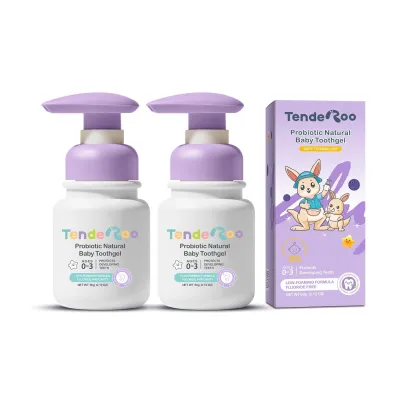
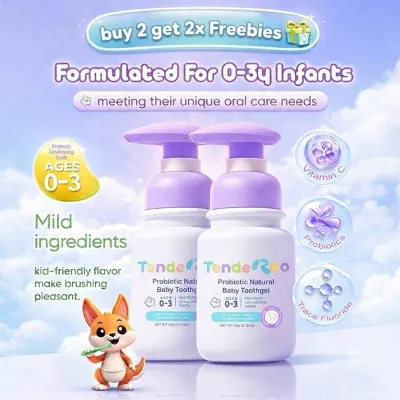
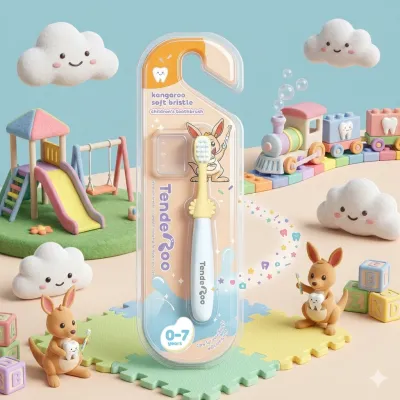
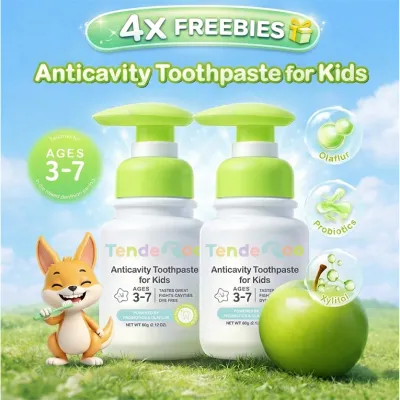
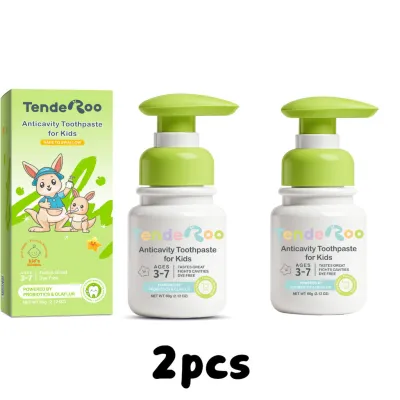
Prior to this milestone, oral care is focused on keeping the gums clean and preparing your child for the sensation of oral cleaning. When that first tooth appears, the risk of tooth decay begins, making active brushing necessary. Parents often look for specialized starter kits, such as a tenderoo toothpaste with toothbrush bundle, to make this transition smoother and more comfortable for their little one.
Establishing this routine early is particularly important in tropical environments like the Philippines, where sweet tropical fruits, juices, and warm-weather treats are common parts of a family’s daily life. By understanding the physical and behavioral signs of readiness, selecting the correct tools, and practicing safe brushing techniques, you can guide your baby through this developmental phase with confidence.
Products mentioned in this guide


Prices are valid at publication and may change. Please refer to the product page for the latest price.
Recognizing the Right Time: Developmental Signs for Oral Care
While chronological age is a helpful general reference, the timeline for starting an active brushing routine depends primarily on your baby’s individual physical development. Most infants sprout their first tooth between the ages of six and ten months, but some may show teeth as early as three months or as late as twelve months. Rather than waiting for a specific calendar date, you should closely monitor your baby’s mouth for the physical emergence of their first tooth.
Several physical signs indicate that your baby is transitioning into the teething phase. You may notice visible tooth buds—small, pale bumps beneath the surface of the gums—or swollen, slightly red gum tissue where a tooth is preparing to break through. An increase in drooling is another classic sign, as the salivary glands become highly active during teething. This excess moisture can sometimes cause a mild drooling rash around the chin and mouth, which is a common occurrence in warm, humid climates. You might also observe changes in chewing behavior, such as your baby constantly gnawing on their fingers, toys, or the edges of their crib to relieve gum pressure.
Behavioral milestones also play a crucial role in determining when your baby is ready to transition to a toothbrush. For safe brushing, your baby should ideally be able to sit up with minimal support, which allows you to position them securely and maintain a clear view of their mouth. Look for signs of curiosity, such as your baby watching you intently while you brush your own teeth, or reaching out to grab your toothbrush. Additionally, your baby should tolerate having safe objects, like clean fingers or soft teething toys, placed in their mouth without exhibiting an intense, defensive gag reflex.
Because every child’s oral anatomy and development are unique, parents should consult a pediatric dentist to confirm the right starting point. A professional dental assessment can verify that the gums are healthy, track the progress of emerging teeth, and provide personalized advice that takes your baby’s specific developmental pace into account.
Choosing the Right Tools: Evaluating a Tenderoo Toothpaste with Toothbrush Set and Other Essentials
Selecting the right oral care products is essential for protecting your baby’s delicate oral tissues and ensuring their safety. A standard adult toothbrush is far too large and abrasive for an infant’s mouth. When shopping for a baby toothbrush, prioritize physical requirements designed specifically for infants. Look for extra-soft bristles made of rounded nylon or food-grade silicone, which gently clean the teeth without scratching the sensitive gums. The brush head must be exceptionally small to fit comfortably within the restricted space of a baby’s mouth, and the handle should be ergonomically designed to allow you, the caregiver, to maintain a firm, slip-resistant grip.

Reading baby toothpaste labels carefully is equally critical to ensure ingredient safety. Always check the packaging for age-specific formulations, typically designated for infants and toddlers from 0 to 2 years old. Verify the complete ingredient list to rule out known allergens, artificial colorants, or strong artificial flavors that might cause oral irritation or make the brushing experience unpleasant for your baby. The label should also provide clear instructions on whether the product is designed to be swallowed in tiny amounts or if it is formulated for children who can already spit reliably.
Many parents find it convenient to evaluate bundled kits, such as a tenderoo toothpaste with toothbrush set, which provides matching tools designed to work together. When considering any bundled kit, you must always physically verify the specific age grading, safety certifications, and ingredient suitability printed on the product packaging before introducing it to your child. Do not rely solely on online marketing descriptions; the physical label is your primary source of safety and usage instructions. In the local market, these starter kits generally fall into broad price bands ranging from ₱150 to ₱500, depending on the materials, brand, and included accessories.
Another key decision involves choosing between fluoride and fluoride-free toothpaste. Fluoride is highly effective at strengthening tooth enamel and preventing cavities, but excessive ingestion during infancy can lead to dental fluorosis. You should check with your local dental association or your pediatric dentist regarding specific guidelines on fluoride use for infants. These recommendations often vary based on regional water fluoridation levels and your baby’s individual risk factors for tooth decay.
Building the Routine: How to Introduce Brushing Safely
Establishing a positive, stress-free brushing routine requires patience, consistency, and the right physical approach. Before your baby’s first tooth even erupts, you can lay the groundwork for good oral hygiene by practicing pre-tooth care. Gently wipe your baby’s gums with a clean, damp, soft cloth or a piece of sterile gauze after feedings. This simple action removes food residue and helps your baby become accustomed to having their mouth cleaned, making the eventual transition to a toothbrush much easier.
When it is time to start brushing, physical positioning is vital for both safety and comfort. Seat your baby securely on your lap, cradling their head gently against your arm, or lay them down on a firm, safe surface like a clean changing mat. Ensure you are in a well-lit area where you have an unobstructed view of their mouth and full control over their head movement. This positioning prevents sudden jerks or slips that could cause the toothbrush to poke the back of their throat or irritate their gums.
Applying the correct amount of toothpaste is another essential safety step. You should strictly follow the specific product’s label instructions and your pediatric dentist’s advice rather than guessing. For infants and toddlers under three years of age, dental professionals generally recommend using a tiny smear of toothpaste—no larger than a single grain of rice. This minimal amount ensures that even if your baby swallows the toothpaste, the risk of digestive upset or excessive fluoride intake remains extremely low.
To make the brushing experience positive and engaging, keep your tone gentle and playful. You can sing a short, familiar song or make gentle humming sounds to soothe your baby during the process. Some parents find success by letting their baby hold a separate, safe silicone teething brush to explore and chew on, while the adult uses the primary toothbrush to clean the teeth. This approach satisfies your baby’s natural desire for independence while ensuring the actual cleaning is done thoroughly.
Caregiver supervision is non-negotiable during this stage of development. An adult must perform the actual brushing, as infants lack the manual dexterity, coordination, and cognitive understanding required to clean their own teeth or spit out toothpaste. Never leave your baby unattended with a toothbrush, as they could easily fall, swallow the brush head, or injure their delicate oral tissues.
Safety Boundaries and When to Consult a Pediatric Dentist
While introducing oral care is highly beneficial, parents must remain vigilant about safety boundaries and potential risks. Monitor your baby closely during and after brushing for any signs of oral irritation, redness, swelling of the gums, or a rash around the lips. If you observe any of these symptoms, or if your baby shows signs of discomfort or an allergic reaction, stop using the specific toothpaste and toothbrush immediately and consult a healthcare professional.
Choking hazards are a serious consideration when managing infant oral care tools. Inspect your baby’s toothbrush thoroughly before every single use. Check for loose bristles, cracked plastic handles, or peeling silicone parts that could easily detach and be swallowed. Because of the high humidity in the Philippines, ensure the toothbrush is stored upright in a clean, dry, and well-ventilated area to prevent the growth of mold or bacteria, and discard the brush immediately if you detect any discoloration or unusual odor.
Excessive ingestion of toothpaste is another risk that requires careful observation. Even training toothpastes designed to be safe if swallowed should not be consumed in large quantities. If your baby manages to access and swallow a significant amount of toothpaste from the tube, monitor them for symptoms like nausea, vomiting, or stomach pain, and contact a pediatrician or a local healthcare provider immediately for guidance.
Ultimately, the milestone of your baby’s first professional dental visit is the most reliable way to ensure their oral health is on track. Dental associations recommend scheduling this visit by your baby’s first birthday, or within six months of the appearance of their first tooth. A pediatric dentist can evaluate your baby’s unique oral development, check for early signs of decay, and provide a personalized oral care plan that overrides general online advice.
Frequently Asked Questions (FAQ)
Is it safe to use fluoride toothpaste for infants?
The safety and appropriateness of fluoride toothpaste for infants depend on several specific factors, including your local water fluoridation levels, your child’s individual risk of developing cavities, and regional pediatric dental guidelines. Some dental professionals recommend using a tiny smear (the size of a grain of rice) of fluoride toothpaste from the eruption of the first tooth, while others suggest starting with fluoride-free training toothpaste. Always consult your pediatric dentist to determine the safest and most effective approach for your baby’s specific needs.
What should I do if my baby refuses to let me brush their teeth?
It is entirely normal for babies to resist brushing at first. To manage this common hurdle, try low-stress alternatives like letting your baby hold a safe, dry teething brush while you use the actual toothbrush, or letting them watch you brush your own teeth to model the behavior. Experiment with different times of day when your baby is well-rested and content, rather than trying to brush when they are overtired or hungry. Keep the routine playful with songs and distractions, and avoid forcing the brush into their mouth if they become highly distressed, as this can create long-term negative associations with oral hygiene.
How often should I replace my baby's toothbrush?
You should always refer to the manufacturer’s replacement guidelines printed on the product packaging. As a general rule, replace your baby’s toothbrush every two to three months, or sooner if you observe visible signs of wear, such as frayed, splayed, or hardened bristles that could scratch their delicate gums. It is also highly recommended to replace the toothbrush immediately after your baby recovers from an illness, such as a cold or a viral infection, to prevent the buildup and reintroduction of harmful bacteria.
Community discussion
Share your experience or ask a question. Comments are reviewed before publication.