
Introducing a pillow to your baby boy’s sleep environment is a major milestone that must be approached with extreme caution. Pediatric health authorities agree that a baby should sleep on a flat, firm surface without any pillows, blankets, or soft toys for at least the first twelve months of life. Many experts recommend waiting even longer, often until the child transitions to a toddler bed, typically between eighteen months and two years of age. While nursery bedding sets sold in online marketplaces often include matching decorative pillows, these items are not safe for infants and must be kept out of the crib during sleep.
The primary reason for this delay is the high risk of accidental suffocation, sudden infant death syndrome (SIDS), and entrapment. An infant’s motor skills and neck strength are still developing, meaning they cannot easily move their head away if a soft object blocks their nose or mouth. Understanding the physical milestones that signal readiness, rather than relying on marketing labels, is the most reliable way to keep your child safe.
The Recommended Age and Key Developmental Milestones
When determining the right time to introduce a pillow, age is the first and most critical benchmark. Major pediatric organizations state that soft bedding—including pillows, quilts, comforters, and bumper pads—has no place in an infant’s sleep area during the first year. For maximum safety, many pediatricians suggest waiting until your child is at least two years old. At this stage, the physical proportions of a toddler’s body have changed, and their shoulders are wider than their head, making a thin pillow more comfortable when they sleep on their side.
Products mentioned in this guide
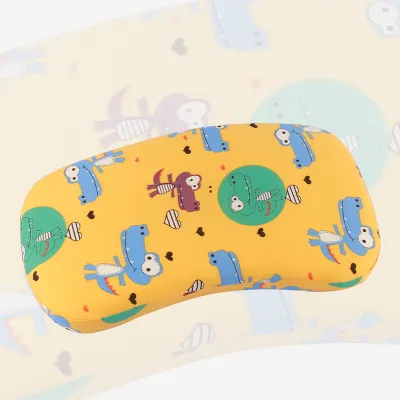
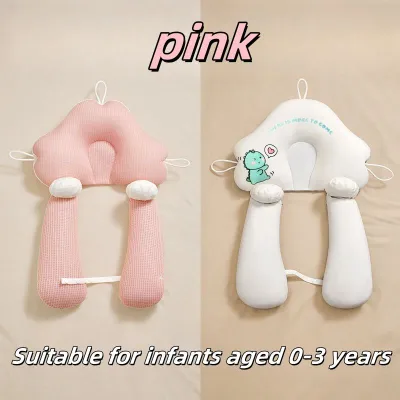
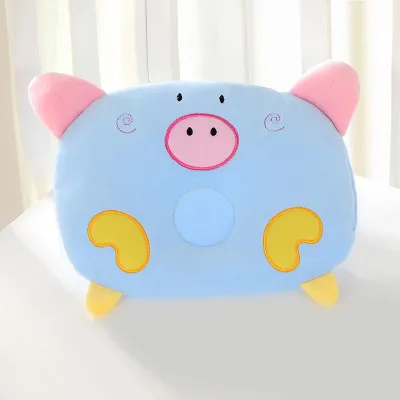
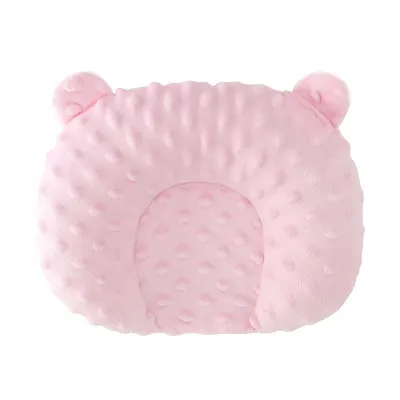
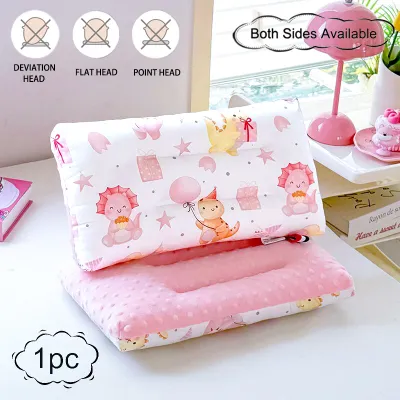
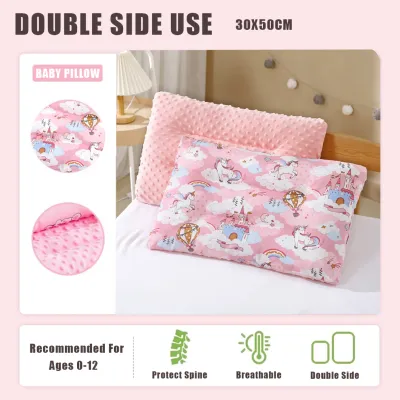
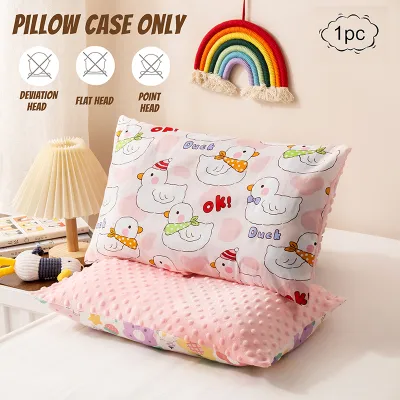
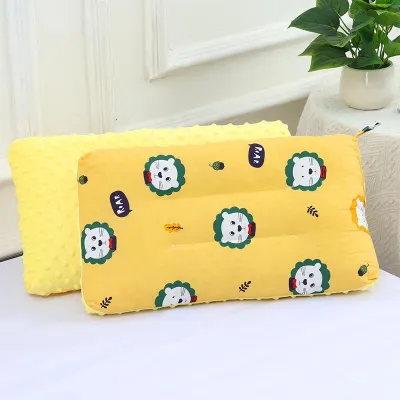
Prices are valid at publication and may change. Please refer to the product page for the latest price.
Physical milestones provide a clearer picture of readiness than age alone. Before you consider placing a small pillow in the bed, your toddler must be able to roll over effortlessly in both directions, sit up independently, and easily push objects away from their face. They should also possess the coordination to adjust their own body position during sleep if they feel uncomfortable or if their breathing is partially obstructed. If your child still struggles to move heavy blankets or lacks head control, they are not yet ready for a pillow.
It is also important to clarify that biological sex does not alter the safety timeline or developmental milestones for pillow use. While parents shopping for a baby boy might look for specific nursery themes, a baby boy’s physical development follows the same fundamental safety rules as a baby girl’s. Bone structure, muscle tone, and respiratory development in infancy require the same flat, firm sleeping surface regardless of gender. Do not let gender-targeted marketing convince you that a “baby boy pillow” is necessary or safe for an infant.
In tropical regions like the Philippines, developmental readiness must also be weighed against local environmental factors. High humidity and warm temperatures mean that infants can easily overheat during sleep, especially if their head rests on a thick, insulating cushion. Overheating is a recognized risk factor for sleep-related accidents, making a flat, unencumbered mattress the safest choice for your baby boy during his first year.
Recognizing Suffocation and Sleep Safety Risks
The risks associated with placing a pillow in an infant’s crib are direct and severe. A baby’s airway is highly pliable and easily compressed. If a baby boy’s head rests on a soft pillow, his chin can be pushed forward onto his chest, which can crimp the trachea and restrict airflow. Additionally, if the baby rolls over and his face sinks into a plush pillow, the fabric and filling can block his nose and mouth, leading to rapid suffocation.

Another critical hazard is carbon dioxide rebreathing. When a baby’s face is close to soft, indented bedding, the exhaled air can become trapped in the pockets of the fabric. The baby then breathes in this stale air, which is high in carbon dioxide and low in oxygen. Because an infant’s brain response to oxygen deprivation is not fully mature, they may not wake up or turn their head, which can lead to fatal outcomes.
To maintain a safe sleep environment, parents should perform regular checks of the crib. The mattress must be firm and covered only by a tight-fitting sheet that does not bunch up or pull away at the corners. There should be absolutely no loose items in the crib—no pillows, no stuffed toys, no flat sheets, and no heavy blankets. If you are concerned about your baby boy getting cold during the night, especially in air-conditioned rooms, a wearable sleep sack is a much safer alternative.
In the Philippines, where tropical warmth is a daily reality, many homes rely on fans or air conditioning to keep the nursery comfortable. It can be tempting to use a soft pillow to cushion the baby from a firm mattress, but firmness is actually what protects the baby’s spine and keeps their airway open. A bare crib might look sparse to adult eyes, but to an infant, it is the only safe way to sleep.
Selecting a Safe Toddler Pillow When Ready
Once your child has reached the appropriate age and demonstrated all the necessary developmental milestones, you can begin shopping for their very first pillow. A safe toddler pillow is vastly different from an adult pillow. It must be exceptionally flat, firm, and small. A typical toddler pillow measures roughly 13 by 18 inches and is only a few centimeters thick. This low profile ensures that the child’s neck remains in a neutral position, preventing strain and keeping the airway completely open.
When evaluating options, always check the product labels for recognized safety and environmental certifications. Look for certifications such as OEKO-TEX Standard 100, which verifies that the fabric and filling have been tested for harmful substances and chemicals. If the pillow contains foam, look for a CertiPUR-US certification to ensure it is made without ozone depleters, heavy metals, or formaldehyde. Reading these labels carefully helps protect your growing toddler from inhaling volatile organic compounds while they sleep.
The choice of materials is especially crucial in warm, humid climates. Avoid pillows filled with down, feathers, or loose polyester fiberfill, as these materials can trap heat and moisture, creating a breeding ground for dust mites and mold. Instead, opt for breathable, hypoallergenic materials like organic cotton, bamboo-derived fabrics, or ventilated latex. A breathable cover allows air to circulate freely, keeping your toddler cool and reducing the risk of heat rash, which is a common issue for young children in tropical environments.
Additionally, avoid any pillows that feature decorative elements such as buttons, tassels, zippers, or long ribbons. These embellishments can easily detach and become choking hazards, or they can wrap around a child’s neck during the night. The pillowcase should fit snugly over the pillow insert without any excess fabric hanging off the ends, ensuring a smooth and secure sleeping surface.
Safe Setup and Monitoring During the Transition
Introducing a pillow to your toddler’s bed requires a careful transition period and consistent monitoring. Start by placing the pillow flat at the head of the bed, ensuring it does not prop up the child’s shoulders or chest. The pillow should only support the head and neck. Keep the rest of the sleeping area clean and free of clutter; do not use this milestone as an excuse to fill the bed with large stuffed animals or heavy, quilted comforters.
During the first few nights of using the pillow, monitor your child’s sleep patterns closely. Observe how they position themselves on the pillow. If you notice that they slide off the pillow completely and sleep on the flat mattress, they may not be ready for it yet, and you can temporarily remove it. Check their neck alignment while they sleep; if their head is tilted upward or pushed forward at an awkward angle, the pillow is too thick and must be replaced with a flatter model.
Pay close attention to signs of discomfort or overheating during the night. If your toddler wakes up with damp hair, a sweaty neck, or a flushed face, the pillow is trapping too much heat. In the humid Philippine climate, this excess moisture can quickly lead to skin irritation or sleep disruptions. If overheating occurs, remove the pillow immediately and look for a more breathable, ventilated alternative.
You must also establish clear conditions for removing the pillow. If your child shows any signs of breathing difficulty, if they tend to cover their face with the pillow, or if they use the pillow to try to climb out of their crib, remove it from the bed at once. Safety must always take precedence over comfort or aesthetic preferences. Reintroduce the pillow only when you are confident that your child can use it safely without supervision.
Frequently Asked Questions (FAQ)
Can I use a standard adult pillow for my toddler?
No, you should never use a standard adult pillow for a toddler. Adult pillows are far too large, thick, and soft for a young child’s developing body. When a toddler lies on an adult pillow, their head sinks deeply into the material, which can easily block their nose and mouth if they turn onto their stomach. Furthermore, the height of an adult pillow forces a toddler’s neck into an unnatural, bent position, causing muscle strain and potentially compressing their delicate airway.
A safe toddler pillow must be firm enough to support the head without allowing it to sink, and it should have a very low profile. Standard adult pillows also contain much larger volumes of filling, which can trap significant amounts of heat and moisture, increasing the risk of overheating and skin irritation in warm climates. Stick to pillows specifically designed for toddlers, verifying that the dimensions and firmness levels are appropriate for their age group.
Do baby boys need specific themed pillows for their nursery?
No, baby boys do not need specific themed pillows, and decorative pillows should never be placed in an infant’s sleeping area. While nursery bedding sets are often marketed with matching blue, athletic, or animal-themed pillows to appeal to parents decorating a baby boy’s room, these items are purely decorative. They are designed for display purposes when the crib is empty and must be removed before you lay your baby down to sleep.
If you want to incorporate a specific theme or color scheme into your baby boy’s nursery, do so through safe, non-sleep elements. You can use themed wall decals, painted murals, framed art, or decorative curtains that are kept well out of reach of the crib. Keeping the sleep environment completely bare is the most effective way to protect your baby from suffocation hazards, regardless of how charming a themed pillow might look in the nursery display.
Community discussion
Share your experience or ask a question. Comments are reviewed before publication.