
Your baby does not need a pillow for sleep during their first year of life. Introducing a pillow too early poses serious safety risks, including suffocation and sudden infant death. Pediatric health organizations worldwide recommend keeping a baby’s sleep space completely free of pillows, blankets, and soft toys until they are at least 12 months old. Many experts suggest waiting even longer, often until your child transitions from a crib to a toddler bed, which typically occurs between 18 and 24 months of age.
In warm and humid tropical climates like the Philippines, keeping the sleep environment bare is also essential for temperature regulation. Extra bedding can trap ambient heat and moisture, leading to dangerous overheating. Understanding the physical milestones of readiness and knowing how to select a safe, low-profile toddler pillow will help ensure your child stays comfortable and safe when the time finally comes to make the transition.
Why Pillows Are Unsafe for Newborns and Infants
During the first year of life, an infant’s physical development makes soft bedding highly hazardous. Newborns and young infants lack the neck strength and motor skills to lift or turn their heads if their breathing is compromised. If a baby rolls over onto a soft pillow, or if a pillow shifts and covers their face, they may not be able to move away, leading to accidental suffocation.
Products mentioned in this guide
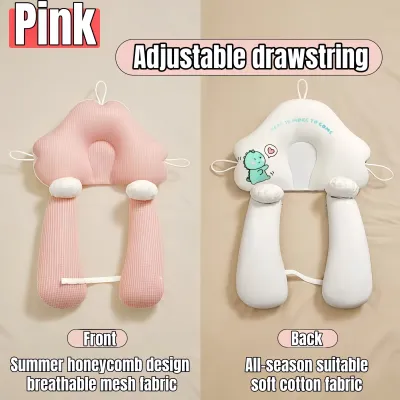
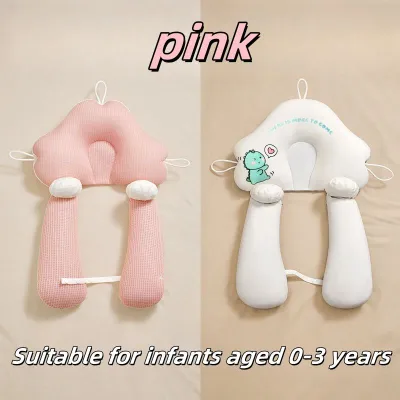
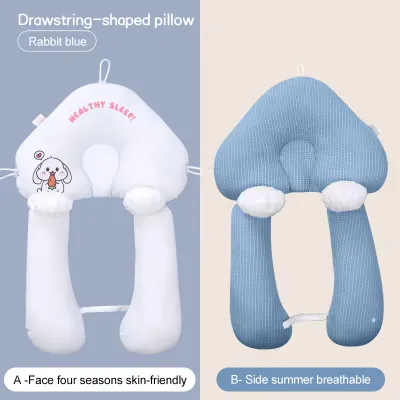
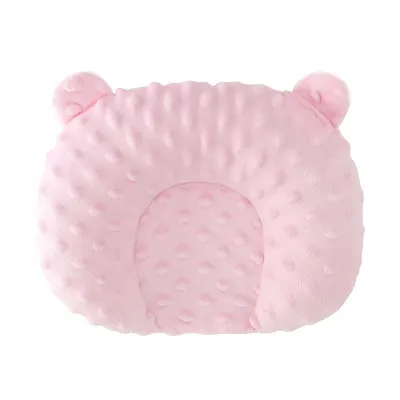
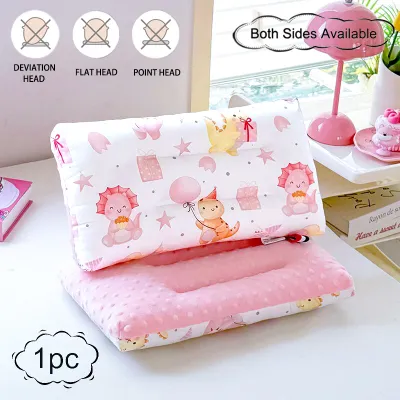
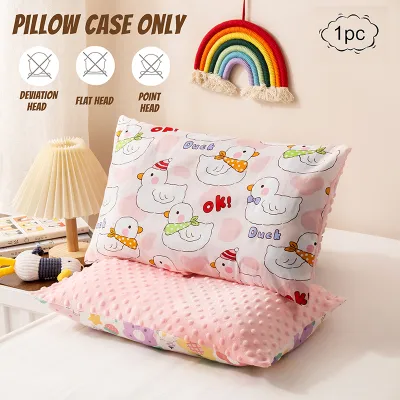
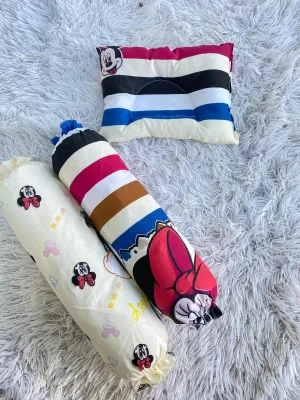
Prices are valid at publication and may change. Please refer to the product page for the latest price.
Another critical risk is airway obstruction. An infant’s airway is narrow and highly flexible. When a baby’s head is propped up on a pillow, their chin can be pushed forward toward their chest. This position can easily crimp and block their windpipe, restricting their oxygen intake. Unlike adults, whose bodies automatically adjust when breathing is restricted during sleep, infants do not have these fully developed protective reflexes.
Rebreathing is an additional danger associated with soft sleep surfaces. When a baby’s face is pressed against a soft pillow, a pocket of stale air can form around their nose and mouth. The baby then breathes in their own exhaled carbon dioxide instead of fresh oxygen. This lack of fresh air circulation can lead to hypoxia and is a major contributing factor to Sudden Infant Death Syndrome (SIDS).
In tropical regions, overheating is a constant concern for parents. High humidity and elevated room temperatures mean that any extra fabric or padding in the crib can trap body heat. Overheating is a recognized risk factor for sleep-related infant deaths. A flat, firm mattress covered only by a tight-fitting sheet allows for maximum air circulation around your baby’s body, helping them stay cool and safe throughout the night.
Many commercial products are marketed as “newborn pillows,” “head-shaping pillows,” or sleep positioners. Manufacturers often claim these products prevent flat head syndrome (plagiocephaly) or keep babies in a specific sleep position. However, safety authorities warn that these items are unsafe for unsupervised sleep. They can easily restrict a baby’s head movement or create a suffocation hazard if the baby slips off them. Parents should verify safety warnings on all bedding products and consult a pediatrician regarding flat head prevention rather than relying on sleep positioners.
When Is Your Child Ready for a Pillow?
The absolute minimum age to consider introducing a pillow is 12 months, but waiting until 18 to 24 months is highly recommended. By this stage, a child’s physical proportions and motor skills have developed significantly. Their shoulders are wider than their head, meaning that sleeping on a completely flat surface may eventually cause their head to tilt uncomfortably when they sleep on their side.

Before introducing any pillow, you must observe your child’s physical milestones. Your toddler should have excellent, sustained head and neck control during waking hours. They must be able to roll over easily in both directions, sit up independently, and easily push objects away from their face. If your child still struggles to move away from blankets or toys in their sleep, they are not yet ready for a pillow.
Behavioral signs can also indicate when your toddler might benefit from a pillow. You might notice them resting their head on a stuffed animal, a folded blanket, or even your arm during quiet moments. Some toddlers will bunch up their bedsheets to create a makeshift headrest, or they may appear restless and struggle to find a comfortable sleeping position on a flat mattress. These actions suggest that their body is naturally seeking a bit of elevation for comfort.
It is often best to coordinate the introduction of a pillow with the transition from a crib to a toddler bed. Introducing a pillow while your child is still in a crib can create a physical hazard, as an active toddler might use the pillow as a step to help them climb over the crib rails. Waiting until they are in a low toddler bed or a floor bed minimizes this fall risk.
How to Choose a Safe Toddler Pillow
When your child is ready, you must not simply give them a standard adult pillow. Adult pillows are far too large, thick, and soft for a young child’s developing spine and neck. A safe toddler pillow must be specifically designed for small children, featuring dimensions that support their unique anatomy.
Look for a pillow with a low loft, meaning it is relatively thin—ideally between 2 and 3 inches thick. This low profile keeps the child’s neck and spine in a neutral, aligned position. The overall size should be small, typically around 30 by 45 centimeters (12 by 18 inches). This smaller footprint ensures the pillow fits neatly in a toddler bed without crowding the sleep space.
Firmness is a critical safety factor. A toddler pillow must be firm enough to support the head without allowing it to sink deeply into the material. You can perform a simple firmness test: press your hand firmly into the center of the pillow and release it. If the pillow immediately springs back to its original shape, it offers adequate support. If it retains the indentation of your hand or feels plush and pillowy, it is too soft and poses a suffocation risk.
Given the warm, humid climate of the Philippines, material selection is highly important. Choose a pillow cover made from highly breathable, natural fibers such as 100% cotton or bamboo-derived fabrics. These materials allow air to circulate freely, wicking away sweat and keeping your child cool. The inner filling should be hypoallergenic and resistant to dust mites, mold, and mildew, which thrive in humid conditions.
Practicality and safety should guide your choice of closures and construction. Toddler bedding requires frequent washing due to sweat, drool, and occasional spills. Ensure both the pillowcase and the pillow itself are machine-washable. Avoid pillowcases with loose buttons, long ties, or exposed zippers that could scratch your child’s skin or become choking hazards. An envelope-style pillowcase, which tucks securely around the pillow without any hardware, is the safest option.
Safe Sleep Practices When Introducing a Pillow
Introducing a pillow should be a gradual process monitored closely by parents. Start by placing the pillow in your child’s toddler bed during nap times when you can easily check on them. Ensure the rest of the sleep surface remains clear of unnecessary clutter, such as large stuffed toys, heavy blankets, or multiple cushions. The pillow should be placed flat at the head of the bed, not propped up against the wall or headboard.
During the first few nights, observe your child’s sleep posture and comfort. Check if they stay on the pillow or if they slide off it completely. If your toddler constantly moves away from the pillow and ends up sleeping at the opposite end of the bed, they may not be ready for it yet. Watch for signs of physical discomfort, such as waking up with a stiff neck, tossing and turning excessively, or sweating heavily around the head and neck.
If you notice your child’s head sinking deeply into the pillow, or if the pillow frequently ends up covering their face during active sleep, remove it immediately. You should also remove the pillow if your child shows any signs of breathing difficulty or if they develop allergies that seem linked to the bedding materials. Always consult your pediatrician if you have concerns about your child’s sleep safety, physical alignment, or developmental readiness.
Remember that a pillow is not a developmental necessity. If your child is comfortable sleeping flat on their mattress, there is no need to rush the transition. Prioritize safety by waiting until they meet all physical milestones, choosing high-quality, breathable materials, and maintaining a clear, well-ventilated sleep environment.
Frequently Asked Questions (FAQ)
Can I use a nursing or positioning pillow for my baby's sleep?
No, you should never use a nursing pillow, C-shaped pillow, or lounging pod for your baby’s sleep. These products are designed strictly for supervised awake time, feeding support, or tummy time. They have soft, raised edges that can easily cause a baby’s head to tilt forward, blocking their airway, or allow the baby to roll into a position where they cannot breathe. If your baby falls asleep on a nursing pillow or lounger, you should immediately transfer them to a firm, flat mattress.
What if my toddler refuses to use a pillow?
If your toddler refuses to use a pillow, you do not need to worry or force them to use one. It is completely normal for young children to prefer sleeping flat on their mattress, and many toddlers continue to sleep without a pillow well into their preschool years. A pillow is purely for comfort and is not required for healthy physical development. Simply keep the pillow out of the bed until your child shows a natural interest in using one, and enjoy the peace of mind that comes with a simpler, safer sleep setup.
Community discussion
Share your experience or ask a question. Comments are reviewed before publication.