
When planning your nursery bedding, you might wonder when it is safe to introduce a pillow for baby sleep routines. The direct answer from pediatric health organizations is clear: a baby should not sleep with a pillow during their first year of life. For infants under 12 months old, the safest sleep environment is a completely bare, flat, and firm surface. Many pediatricians and child safety advocates recommend waiting even longer, suggesting that parents delay introducing a pillow until their child is between 18 and 24 months of age, or until they transition from a crib to a toddler bed.
Introducing a pillow too early poses severe safety risks that far outweigh any perceived comfort benefits. While adults associate pillows with a good night’s rest, infants have different anatomical proportions and developmental needs. Understanding these physical differences and waiting for the right developmental milestones ensures your child remains safe and comfortable as they grow.
Safety Risks of Early Pillow for Baby Sleep
The primary reason to avoid a pillow for baby sleep environments is the risk of Sudden Infant Death Syndrome (SIDS) and accidental suffocation. During the first year of life, an infant’s airway is highly vulnerable. A soft pillow can easily conform to a baby’s face if they roll over, blocking their nose and mouth and cutting off their oxygen supply. Additionally, if a baby’s head sinks into a soft surface, they can re-breathe their own exhaled air, leading to carbon dioxide buildup and oxygen deprivation.
Products mentioned in this guide
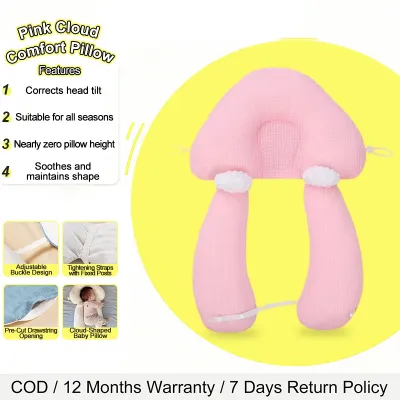
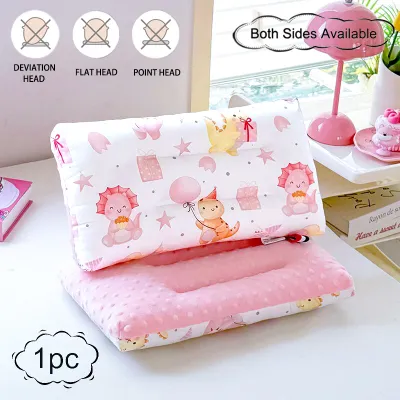
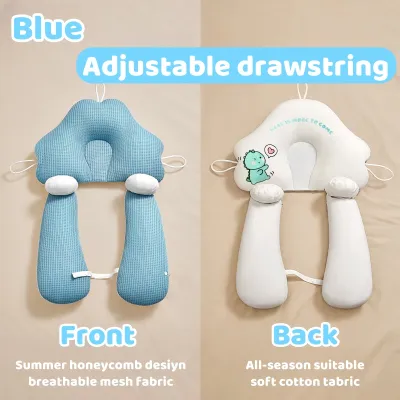
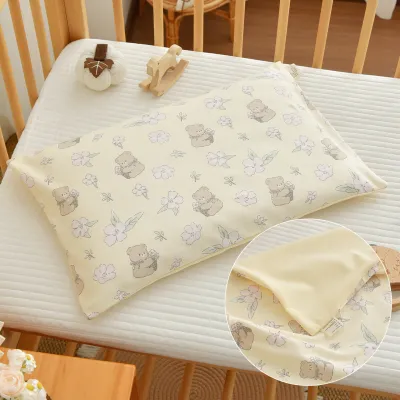
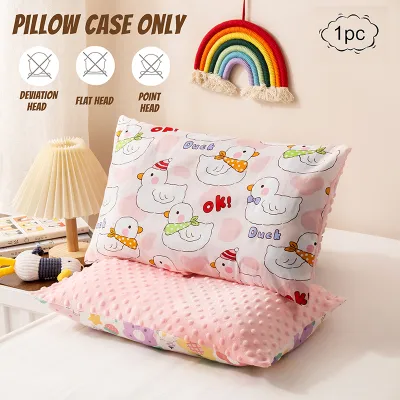
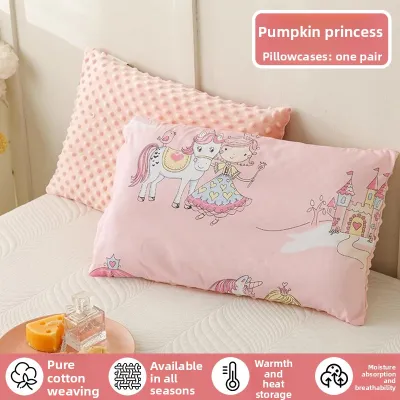
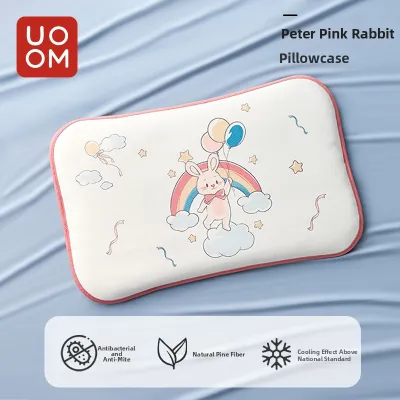
Prices are valid at publication and may change. Please refer to the product page for the latest price.
Anatomical development plays a crucial role in sleep safety. Infants lack the neck strength and gross motor skills required to lift or turn their heads if they find themselves face-down in soft bedding. If a young baby rolls onto a pillow, they may not have the physical capability to extricate themselves from a dangerous position. This physical limitation makes any soft object in the crib a potential hazard.
Overheating is another significant risk factor linked to SIDS, and it is particularly relevant in tropical climates like the Philippines. Many pillows are made from materials that trap body heat. When a baby’s head rests on a thick, non-breathable pillow, their body temperature can rise rapidly, especially during warm, humid nights. Because babies cannot regulate their body temperature as efficiently as adults, this trapped heat increases the risk of heat stress and sleep-related complications.
It is also a common misconception that babies need pillows for comfort. Adults often assume that sleeping on a flat mattress causes neck or shoulder pain, but a baby’s body structure is entirely different. An infant’s head is proportionally larger than their body, and their spine is straight rather than curved like an adult’s. Sleeping on a flat, firm surface supports their natural spinal alignment perfectly, meaning they do not experience the muscle strain that an adult might feel without a pillow.
Recommended Age and Developmental Milestones for a Pillow
The general consensus among pediatricians is to keep pillows out of the sleep space until at least 12 months of age, though waiting until 18 to 24 months is widely considered the safest approach. By the time a child reaches a year and a half, their motor skills, neck strength, and coordination are significantly more advanced, greatly reducing the risks associated with soft bedding. However, age alone should not be the sole deciding factor; parents should look for specific developmental cues.

One of the most practical milestones for introducing a pillow is the transition from a crib to a toddler bed or a regular mattress. This transition usually occurs between 18 months and three years of age. Moving to a larger bed often marks a safe developmental window to introduce basic bedding elements, including a low-profile toddler pillow and a light blanket, under careful parental supervision.
You can also observe your child’s behavior during sleep and playtime for signs of readiness. If your toddler consistently rests their head on a stuffed animal, a folded blanket, or even your own pillow during quiet moments, they may be seeking elevated head support. Additionally, as toddlers grow, their shoulders widen. Once their shoulders become broader than their head, sleeping on their side without support can cause their head to tilt uncomfortably, indicating that a thin pillow may now be beneficial.
While these behavioral and physical signs are helpful indicators, every child develops at their own pace. It is highly recommended to consult your pediatrician before introducing any new bedding items to verify your child’s individual readiness and ensure there are no underlying health or developmental concerns.
How to Choose a Safe First Pillow for Your Toddler
Once your child has reached the appropriate age and developmental milestones, selecting the right pillow requires careful evaluation. A standard adult pillow is entirely unsuitable for a toddler’s small frame. Instead, you should look for a specialized toddler pillow designed specifically for early childhood ergonomics and safety.
Size and Thickness A safe toddler pillow must be significantly smaller and flatter than an adult version. Ideal dimensions are typically around 12 by 18 inches, with a thickness of no more than one to two inches. This low profile ensures that your child’s neck remains in a neutral, natural alignment, preventing the unnatural elevation that can strain their developing spine and restrict their airway.
Firmness and Support The pillow must offer firm support rather than plush softness. You can perform a simple “press test” before purchasing: press your hand firmly into the center of the pillow and release it. A safe pillow should bounce back to its original shape almost instantly. If your hand leaves a lasting indentation or if the pillow feels excessively squishy, it is too soft and could pose a suffocation risk if your child turns face-down.
Materials and Climate Considerations In hot and humid regions like the Philippines, selecting highly breathable materials is essential for comfort and skin health. Look for pillows filled with breathable, hypoallergenic fibers and covered in natural fabrics like organic cotton or bamboo. These materials wick away moisture and allow air to circulate freely, reducing sweat buildup, heat rashes, and the accumulation of dust mites or mold.
Construction and Hazards Examine the construction of the pillow carefully. Avoid pillows with loose fillings, such as down, feathers, or loose foam beads, as these can easily leak through seams and pose a choking hazard. Ensure there are no zippers without safety locks, buttons, tassels, ribbons, or decorative embroidery that could irritate your toddler’s skin or become detached and swallowed.
Certifications Because young children spend hours with their faces close to their bedding, verifying chemical safety is crucial. Look for reputable, independent certifications on the product packaging, such as the OEKO-TEX Standard 100 label, which indicates that the fabric has been tested for harmful substances. Always verify these certifications directly with the manufacturer’s documentation. In the Philippine market, high-quality, certified toddler pillows generally range in price from ₱300 for basic breathable cotton models to ₱1,500 or more for premium organic latex or bamboo options.
Creating a Safe Sleep Environment When Introducing a Pillow
Introducing a pillow is a gradual step in your child’s sleep transition, and it must be managed carefully to maintain overall safety. Even though your toddler may now be ready for a pillow, their bed should not suddenly be filled with other soft items. Keep the sleep area free of heavy quilts, thick comforters, and large stuffed toys, as these still present unnecessary safety hazards.
Proper placement is key to ensuring the pillow functions safely. Position the pillow flat at the very head of the bed. Some parents choose to place the toddler pillow underneath the fitted sheet for the first few weeks to keep it securely in place and prevent it from shifting over the child’s face during active sleep. Ensure the fitted sheet remains tight and secure around the entire mattress.
When you first introduce the pillow, initiate a monitoring period of several nights. Observe how your toddler interacts with it. Watch whether they stay positioned on the pillow or if they tend to slide off and sleep at odd angles. If you notice that the pillow constantly ends up covering their face, or if they seem to struggle to adjust to the elevated position, it is best to remove it and try again a few weeks later.
There are specific conditions under which you should temporarily remove the pillow from the bed. If your child consistently pushes the pillow away, do not force them to use it; they are perfectly fine sleeping flat. Additionally, if your toddler begins using the pillow as a step stool to climb out of their crib or toddler bed, remove it immediately to prevent fall injuries. Finally, during exceptionally warm nights without air conditioning, removing the pillow can help prevent overheating and excessive sweating.
Frequently Asked Questions (FAQ)
Can I use a regular adult pillow for my toddler?
No, you should never use a regular adult pillow for a toddler. Adult pillows are far too large and thick, which forces a young child’s neck into an unnatural angle, potentially straining their spine and compressing their airway. Furthermore, adult pillows are often much softer than recommended for toddlers, creating a serious suffocation risk. They also tend to accumulate dust mites, pet dander, and other allergens over time, which can trigger respiratory issues in young children.
What if my baby rolls onto a pillow or soft toy during sleep?
If your infant is under the recommended age of 12 to 18 months and you find them sleeping on a pillow or soft toy, you should take immediate action. Gently and quietly remove the object from their sleep space without fully waking them if possible. Ensure their mattress is completely bare, and always place them back on their back to sleep. To prevent this scenario, maintain a strict bare-crib policy for every sleep session, including daytime naps.
Do babies need pillows to prevent flat head syndrome?
No, babies do not need pillows to prevent or treat flat head syndrome, also known as positional plagiocephaly. In fact, using specialized shaping pillows or sleep positioners is not recommended by pediatric authorities, as these products can pose severe suffocation risks and have not been proven safe or effective. The safest way to prevent flat spots is through supervised tummy time while your baby is awake, frequently changing the direction your baby faces in their crib, and minimizing the time they spend lying flat in car seats or strollers. If you are concerned about your baby’s head shape, consult your pediatrician for professional guidance.
Community discussion
Share your experience or ask a question. Comments are reviewed before publication.