
When setting up your nursery, the temptation to drape a beautifully designed, plush comforter over the crib is understandable. However, when it comes to infant sleep safety, less is always more. Pediatric safety guidelines and major global health organizations recommend keeping all soft bedding, including thick comforters, quilts, and heavy blankets, completely out of your baby’s sleep environment for at least the first 12 months of life. During this first year, a bare crib with only a firm, flat mattress and a tightly fitted sheet is the safest setup for your baby.
While the absolute minimum age to consider any loose bedding is one year, many pediatricians and child safety experts suggest waiting even longer. A more prudent milestone is between 18 and 24 months of age. By the time your child reaches this toddler stage, they have developed the necessary motor skills, strength, and coordination to easily pull blankets away from their face or adjust their bedding if it becomes uncomfortable or blocks their breathing.
Because every child develops at their own unique pace, age alone should not be your only metric. Some babies may reach developmental milestones earlier, while others take a little longer to gain the physical dexterity needed to manage loose bedding safely. Before you decide to transition your child to a loose comforter, it is highly recommended to consult your child’s pediatrician. A professional evaluation of your toddler’s motor skills and sleeping habits can provide the personalized guidance you need to make a safe transition.
Products mentioned in this guide
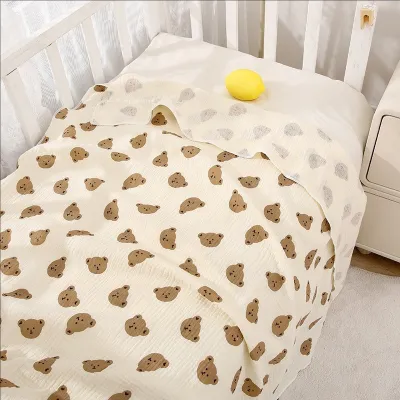
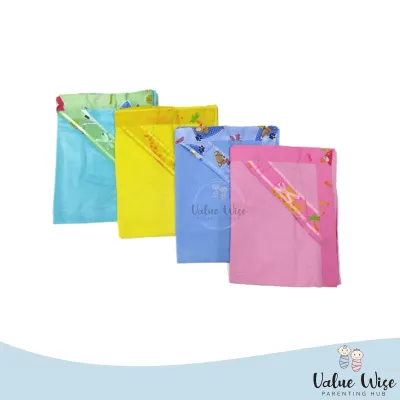
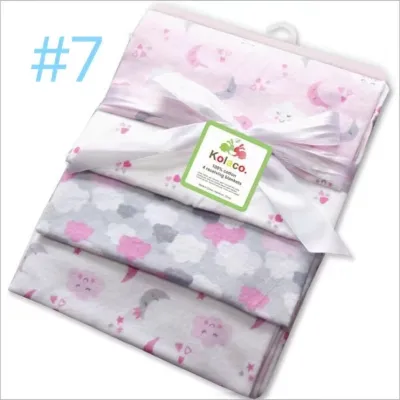
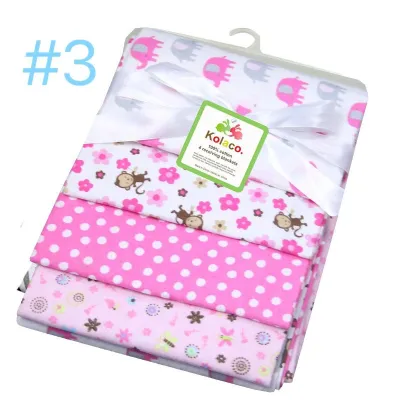
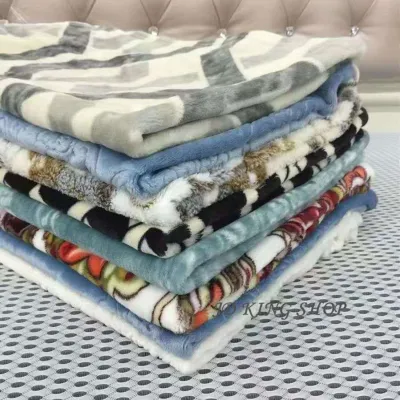
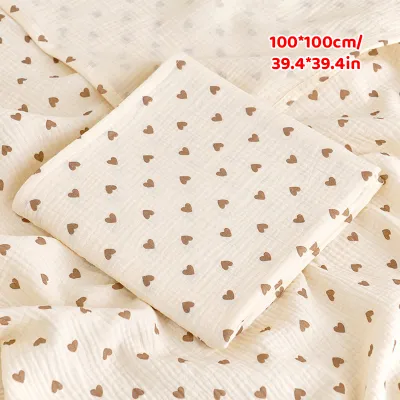
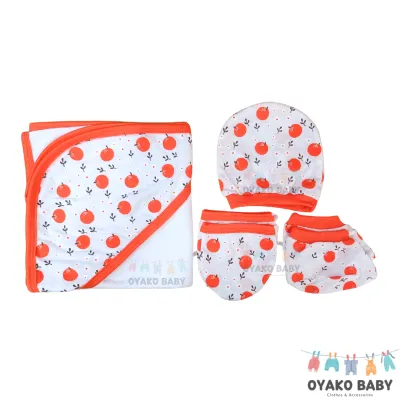
Prices are valid at publication and may change. Please refer to the product page for the latest price.
When browsing for baby beddings comforters, you will often find various sizes, weights, and designs marketed for nurseries. It is crucial to understand that many of these products are intended solely for decorative purposes, tummy time under direct supervision, or for older toddlers who have transitioned out of infancy. Just because a comforter is sold in the baby section does not mean it is safe for an unsupervised infant to sleep with. Always check the manufacturer’s age recommendations and safety warnings on the packaging before making a purchase.
The Recommended Age for Introducing Baby Beddings Comforters
When considering when to introduce baby beddings comforters to your little one’s sleeping environment, the consensus among pediatric health authorities is clear: wait until the toddler years. Specifically, introducing a thick bedding comforter is safest when your child is at least 18 to 24 months old. At this stage of development, children have gained the physical strength and cognitive awareness necessary to navigate loose bedding safely during sleep.
Prior to reaching 12 months, infants are in a highly vulnerable developmental stage. They do not possess the motor skills or neck strength required to push a heavy blanket away if it accidentally covers their nose and mouth. Introducing a comforter too early can create a hazardous sleep environment. Therefore, the first year of life should be entirely free of loose blankets, quilts, pillows, and plush toys.
As your baby grows into a toddler, their physical capabilities expand rapidly. They learn to roll over easily, sit up, push objects away, and adjust their own body position when uncomfortable. These milestone developments significantly reduce the risks associated with loose bedding. However, because every child’s physical progression is unique, you should always evaluate your child’s individual coordination and consult their pediatrician before making changes to their sleep environment.
It is also vital to distinguish between bedding items designed for decorative nursery displays and those intended for actual sleep use. Many baby beddings comforters are sold as part of nursery sets but are only safe for supervised play, tummy time, or as decorative accents when the crib is empty. Always verify the recommended age, weight limits, and specific safety warnings on the product packaging rather than assuming an item is safe simply because it is marketed for babies.
Understanding the Risks: SIDS, Suffocation, and Overheating
To understand why these age guidelines are so critical, it is helpful to look at the underlying safety risks. The primary concern with placing loose, soft bedding in an infant’s crib is the increased risk of Sudden Infant Death Syndrome (SIDS) and accidental suffocation. A thick, plush comforter can easily drape over an infant’s face, blocking their airway and restricting the flow of oxygen.

Infants under 12 months lack the developmental reflexes to rescue themselves in a dangerous situation. If a heavy comforter covers their face, they may not wake up or struggle to remove it. This lack of arousal response, combined with limited neck strength and motor coordination, makes loose bedding a silent but severe hazard in the crib. Keeping the sleep surface completely bare is the most effective way to eliminate these physical risks.
Another major risk factor associated with thick bedding is overheating, or hyperthermia, which is closely linked to an increased risk of SIDS. In tropical climates like the Philippines, managing a baby’s body temperature is a constant challenge. High humidity and warm ambient temperatures mean that heavy, insulated bedding can trap body heat rapidly. Even in air-conditioned nurseries, a thick comforter can cause your baby’s core temperature to rise to unsafe levels, causing physical distress.
Furthermore, loose bedding can present mechanical hazards such as entanglement and strangulation. Comforters decorated with long ribbons, loose threads, heavy embroidery, or decorative tassels pose a risk of wrapping around a baby’s neck or limbs. When selecting sleep items, parents must prioritize simple, clean construction and avoid any products with dangling embellishments or loose stitching that could unravel during use.
Bedding Comforters vs. Security Blankets (Loveys)
There is often confusion among parents regarding the difference between a full-sized bedding comforter and a small security blanket, often referred to as a ‘lovey.’ While these terms are sometimes used interchangeably in retail listings and parenting forums, they serve completely different purposes and carry distinct safety guidelines.
A bedding comforter is a large, thick, multi-layered blanket designed to cover a significant portion of the bed and provide substantial warmth. Because of its size, weight, and bulk, it is highly unsafe for infants and young babies. Comforters are designed for older toddlers and young children who sleep in toddler beds or larger mattresses, where they can independently manage the extra fabric.
In contrast, a security blanket or lovey is a small, lightweight comfort object, typically measuring around 12 by 12 inches. These items are often attached to a small plush toy head or made of highly breathable, single-layer fabrics like muslin or soft cotton. Loveys are not intended to provide warmth; instead, they serve as transitional objects to help babies self-soothe and settle down for sleep.
While some pediatricians agree that a small, breathable lovey may be introduced around 12 months—once the baby has demonstrated excellent head control and the ability to roll easily—large bedding comforters must wait until the toddler years. If you are considering introducing a lovey, always check its size, weight, and breathability. Avoid any security blankets that are large enough to wrap around your baby’s body or those made of heavy, non-breathable materials. A quick breathability test—holding the fabric to your own face to see if you can breathe through it easily—can offer a helpful initial check, though it does not replace developmental readiness.
How to Choose and Introduce a Safe Toddler Comforter
Once your child has reached the toddler stage—typically between 18 and 24 months—and their pediatrician has confirmed they are ready, you can begin selecting their first toddler comforter. The transition should be approached carefully, prioritizing materials and designs that align with both safety and the local climate.
When shopping for toddler bedding, look for lightweight, breathable fabrics. In the Philippines, cotton, bamboo-derived rayon, and high-quality muslin are excellent choices. These materials allow air to circulate freely, helping to regulate your toddler’s body temperature and prevent sweat buildup during warm, humid nights. Ensure the comforter is specifically sized for a toddler bed or crib; using an adult-sized comforter creates a hazard, as the excess fabric can pool around the child and create unnecessary bulk.
Avoid comforters that feature heavy synthetic fillings, which trap heat excessively. You should also carefully inspect the comforter for any small parts that could detach and become choking hazards. This includes decorative buttons, zippers, sequins, or long ribbons. A plain, quilted design with secure, tight stitching is the safest and most durable option for a growing toddler who may pull or chew on their bedding.
To make the transition smoother, try introducing the comforter during daytime naps first. This allows you to supervise your child while they sleep and observe how they interact with the new bedding. Watch to see if they can easily pull the comforter off their face, if they tend to get tangled, or if they show signs of becoming too warm. Only move the comforter to nighttime sleep once you are fully confident in their ability to manage the loose bedding independently.
Additionally, always adjust your child’s sleepwear to match the new bedding setup. If you are introducing a comforter, your toddler will likely need lighter pajamas to avoid overheating. Keep the nursery temperature at a comfortable, consistent level, and regularly feel the back of your toddler’s neck or chest during sleep; if their skin feels hot or sweaty, remove the comforter and opt for a lighter layer. Finally, inspect the bedding weekly for any signs of wear, loose threads, or tearing, and wash it regularly according to the manufacturer’s care instructions to maintain a clean, hygienic sleep environment.
Safe Sleep Alternatives for Infants Under 12 Months
If your baby is under 12 months old, you might worry about how to keep them warm and cozy without using a comforter, especially during cooler rainy seasons or in air-conditioned rooms. Fortunately, there are highly effective, safe alternatives designed specifically to provide warmth without the risks associated with loose bedding.
The most widely recommended alternative is the wearable blanket, commonly known as a sleep sack. A sleep sack is a wearable garment that zips securely over your baby’s sleepwear, keeping their arms free (or swaddled, depending on their developmental stage) while enclosing their legs in a roomy pouch. Because sleep sacks are worn like clothing, they cannot ride up over your baby’s face, eliminating the risk of accidental suffocation while keeping them warm throughout the night.
When selecting a sleep sack, pay close attention to the fabric weight and thermal rating, often measured as a TOG (Thermal Overall Grade) rating. For tropical climates or air-conditioned rooms in the Philippines, a lightweight sleep sack with a low TOG rating (such as 0.5 to 1.0 TOG) is usually ideal. This provides a gentle layer of comfort without trapping excessive heat. Always verify the manufacturer’s sizing chart to ensure the sleep sack fits snugly around your baby’s neck and armholes, preventing them from slipping inside the garment.
To maintain a safe sleep environment, always adhere to the core guidelines established by pediatric health authorities. Always place your baby on their back to sleep, on a firm, flat mattress covered only by a tight fitted sheet. Keep the crib completely bare: this means no pillows, no bumper pads, no stuffed toys, and no loose blankets of any kind. If you feel the room is slightly cool, you can layer their clothing underneath the sleep sack, using lightweight cotton footed pajamas or a simple bodysuit to achieve the perfect level of warmth.
Frequently Asked Questions (FAQ)
Can I use a lightweight muslin blanket instead of a comforter for my baby?
While muslin is highly breathable and lightweight, leaving any loose blanket in an unsupervised crib for a baby under 12 months is unsafe. If your baby moves during the night, even a lightweight muslin blanket can bunch up, wrap around their neck, or cover their airway, presenting a suffocation or entanglement risk. You may use a muslin blanket for supervised swaddling if your baby has not yet shown signs of rolling over, or for warmth while they are awake and under your direct supervision. For unsupervised sleep, always stick to a wearable sleep sack or a bare crib setup until your baby reaches the recommended toddler age.
What should I do if my toddler keeps kicking off their comforter at night?
It is very common for toddlers to kick off their loose blankets during sleep as they shift positions throughout the night. If your toddler frequently kicks off their comforter and wakes up cold, or if they are not yet comfortable managing loose bedding, you do not need to force the transition. Instead, you can transition them back to a toddler-sized sleep sack with foot openings, which allows for mobility while keeping them warm. Alternatively, you can dress them in slightly warmer, breathable sleepwear, such as footed pajamas made of soft cotton, to ensure they remain comfortable even when the comforter is pushed aside.
Community discussion
Share your experience or ask a question. Comments are reviewed before publication.