
Transitioning your little one from a crib to a bigger bed is a major milestone, but it often brings a new worry: nighttime falls. While a bed rail for baby can provide peace of mind, it is not automatically necessary for every child or every sleep setup. Determining whether your child actually needs one depends on their developmental stage, sleep habits, and your specific bedroom environment. This guide will help you assess the real risks and make an informed safety decision.
As babies grow, their sleep environments must adapt to their changing physical capabilities. In many households, especially in warm, tropical climates where families might use lighter bedding or open-air sleep setups, managing a child’s movement at night requires careful planning. Rather than rushing to buy safety accessories, parents should evaluate their child’s unique developmental milestones and the physical layout of the bedroom to determine the most secure path forward.
Developmental Signs Your Baby Might Need a Bed Rail
Babies develop at their own pace, and their sleep behaviors change dramatically as they grow. One of the first indicators that you might need to evaluate your child’s sleeping arrangement is their level of physical activity during sleep. If you observe your child frequently rolling over, sitting up, or even attempting to crawl while half-asleep, their risk of tumbling off an open bed increases significantly.
Products mentioned in this guide
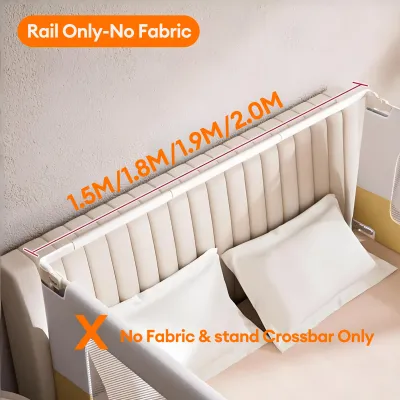

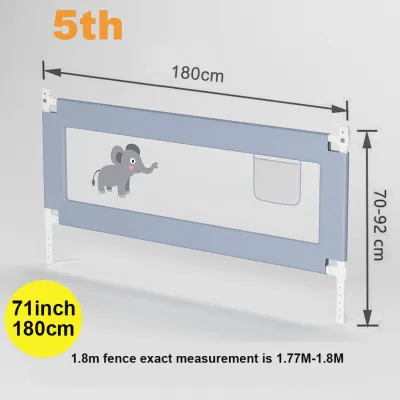
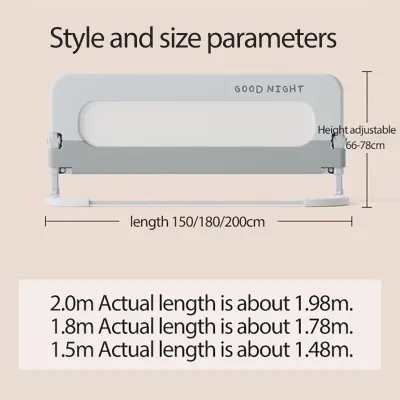
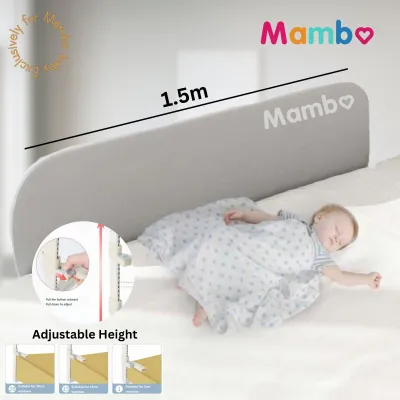
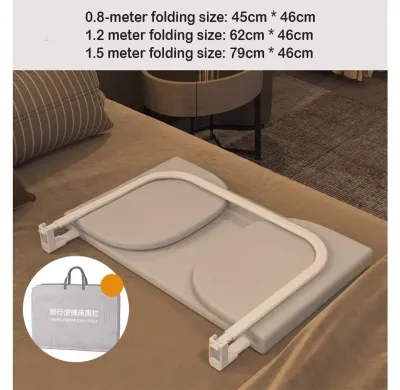
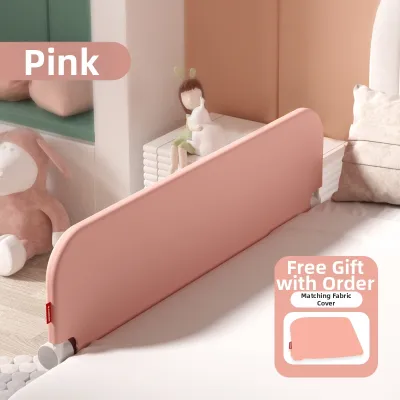
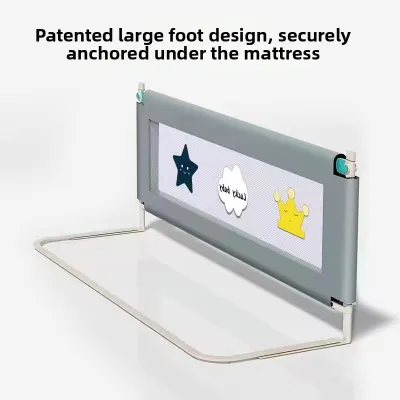
Prices are valid at publication and may change. Please refer to the product page for the latest price.
During the transition from a standard crib to a toddler bed or a regular mattress, children must adapt to a sleep space that lacks high, protective wooden slats. In a crib, a baby can bump against the sides safely, but on an open bed, those same movements can lead to a fall. Watch how your child behaves during naps and nighttime sleep to see if they tend to migrate across the mattress.
Notice if their unconscious movements consistently bring them close to the edge of the bed. Some children are active sleepers who travel from head to foot, while others remain relatively still. If your child regularly ends up sleeping perpendicular to the mattress or clinging to the very edge, it is a clear sign that they lack the spatial awareness to stay centered, making some form of edge protection necessary.
Evaluating Your Current Sleep Environment and Fall Risks
Before purchasing any safety gear, take a close look at your current bedroom setup. The physical structure of the bed plays a massive role in determining fall risks. Measure the mattress height from the floor and inspect the bed frame structure. You must also check for any gaps between the bed and adjacent walls, bedside tables, or other furniture, as these spaces can become dangerous entrapment zones if a child slips off the mattress.

In many homes in the Philippines, bedroom floors are made of hard materials like ceramic tile, polished concrete, or hardwood. Falling onto these unyielding surfaces poses a much higher risk of injury than falling onto carpet. Evaluate your flooring and consider whether you need to place cushioned rugs, interlocking foam play mats, or specialized floor pads around the bed to soften any accidental falls.
Additionally, confirm if you are already using alternative fall-prevention setups. For instance, many families opt for a floor bed, placing the mattress directly on the floor or on a low wooden pallet. If your mattress is already extremely low to the ground, the risk of injury from a fall is minimal, which might make a traditional bed rail redundant or unnecessary.
When a Bed Rail Is Not Necessary or Safe
While bed rails are useful tools, they are not suitable for every situation and can sometimes introduce new hazards. If your infant is still sleeping in a standard, safety-compliant crib with all sides securely intact, you should never install an aftermarket bed rail. Cribs are designed to be self-contained, and adding external rails can interfere with the structure or create dangerous gaps.
The most significant hazard associated with bed rails is entrapment. If there is any gap between the bed rail and the mattress, a child’s limbs, torso, or head can become wedged in the space. This can lead to serious injury or suffocation. If your mattress is too soft, too light, or does not fit the rail’s mounting system perfectly, a gap will inevitably form, making the rail highly unsafe to use.
Furthermore, you must strictly adhere to the age and weight limits specified on the product label. Most standard bed rails are not designed for infants under two years of age. Young babies lack the strength and developmental coordination to free themselves if they roll into the mesh or become trapped between the rail and the mattress. Always verify the manufacturer’s age, weight, and developmental thresholds before installing any rail, and consult a pediatrician if you are unsure about your child’s readiness.
How to Choose and Install a Bed Rail Safely
If you have determined that a bed rail is the right solution for your child’s open bed, selecting and installing the product correctly is paramount. Start by verifying the product label for applicable age ranges, weight limits, and specific mattress thickness compatibility. Not all rails fit all mattresses; a rail designed for a thick queen mattress may not secure properly to a thin toddler mattress.
Ensure the rail is securely anchored to the bed frame or held firmly in place under the mattress by a robust anchoring system. The folding, sliding, or locking mechanisms must be completely child-proof so that an inquisitive toddler cannot accidentally release the rail from the outside or inside. Look for heavy-duty straps or metal brackets that physically prevent the rail from shifting outward when pressure is applied.
Installation is not a one-time task. You must make it a habit to check the straps, brackets, or weights for a tight, gap-free fit against the mattress before every single use. Over time, daily movement, changing the bedsheets, or a child leaning against the rail can cause the components to loosen. If you observe even a small gap forming between the fabric mesh and the side of the mattress, stop using the bed immediately and adjust the fittings until the connection is completely flush and secure.
Alternative Baby-Proofing Strategies for the Bedroom
If you decide that a bed rail is not the right fit for your home, or if your child is too young for one, there are several highly effective alternative baby-proofing strategies. One of the simplest approaches is to transition to a floor bed. Placing the mattress directly on a clean floor or a low-profile wooden slat base minimizes the distance of any potential fall, turning a scary tumble into a minor roll.
To complement a low bed setup, place thick, non-slip play mats or cushioned rugs securely around the perimeter of the sleeping area. In tropical climates, lightweight foam mats are easy to clean and do not trap heat, making them an excellent choice for local bedrooms. Ensure these mats are flush against the bed base so there are no exposed hard floor sections.
Finally, clear the entire space around the bed of any potential hazards. Remove hard objects, sharp-cornered nightstands, toys, and exposed power cords from the immediate fall zone. By creating a wide, cushioned landing area free of obstacles, you can significantly reduce the risk of injury without relying on physical barriers.
Frequently Asked Questions (FAQ)
At what age should I stop using a bed rail?
You should generally stop using a bed rail when your child can safely get in and out of bed independently and no longer exhibits restless rolling behaviors that bring them close to the edge. Additionally, always check the manufacturer’s maximum age or weight recommendations, as exceeding these limits can compromise the rail’s structural integrity. If your child begins trying to climb over the rail, it becomes a climbing hazard and should be removed immediately to prevent a high-altitude fall.
Can I use a bed rail on a toddler bed?
Before attempting to install an aftermarket bed rail on a toddler bed, you must carefully check the toddler bed manufacturer’s instructions. Many toddler beds are designed with built-in, low-profile safety rails that are sufficient for preventing falls. Furthermore, many toddler beds are structurally lightweight or use non-standard mattress sizes, meaning they are not designed to accommodate third-party high rails safely, which could lead to instability or dangerous gaps.
Community discussion
Share your experience or ask a question. Comments are reviewed before publication.