
Introducing a loose blanket into your baby’s crib is a major milestone, but doing so too early poses serious safety risks. According to general pediatric consensus, it is only safe to introduce a loose blanket for baby sleep once your child is at least 12 months old. Before this first birthday, the sleep environment must remain completely free of loose bedding, pillows, and soft toys to minimize the risk of accidental suffocation and Sudden Infant Death Syndrome (SIDS).
While the 12-month mark serves as a standard baseline, developmental readiness is highly individual. A baby must possess the motor skills necessary to easily manipulate objects, roll over in both directions, and clear their own airway if a fabric covers their face. Before making any changes to your child’s sleep setup, observe their physical milestones and consult your pediatrician for personalized guidance tailored to your baby’s specific growth and motor development.
The Right Age: When Is It Safe to Introduce a Blanket?
During the first year of life, an infant’s sleep space should be as sparse as possible. Pediatricians and child safety organizations worldwide recommend a completely bare crib—consisting only of a firm, flat mattress and a tight-fitting sheet—for the first 12 months. This strict guideline exists because infants under one year old do not have the physical strength, coordination, or neurological maturity to rescue themselves if a loose blanket covers their nose and mouth.
Products mentioned in this guide
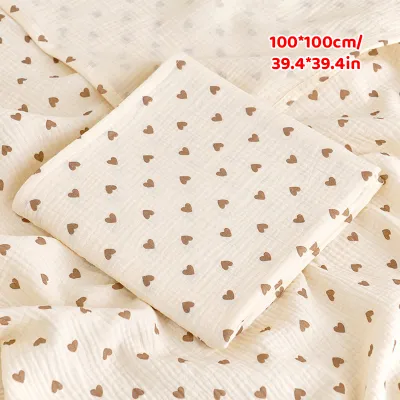
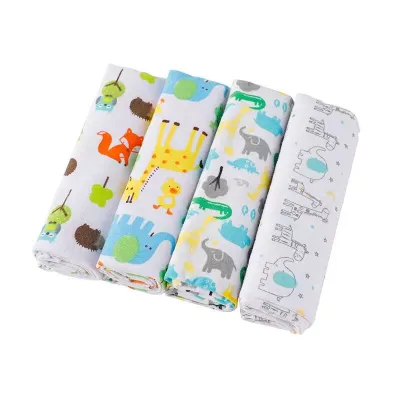
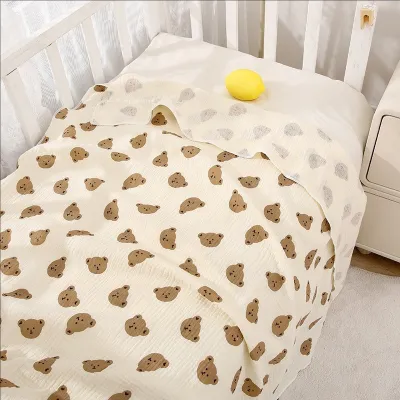
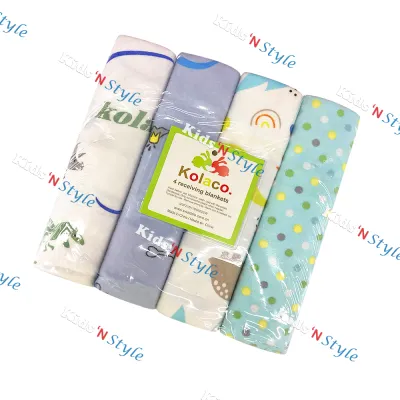
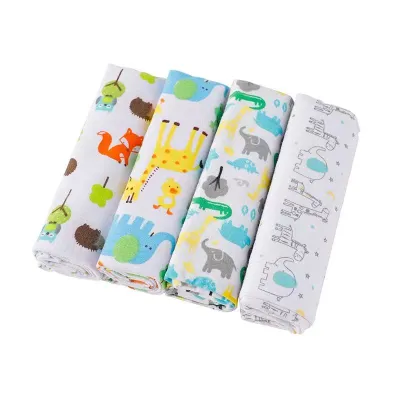
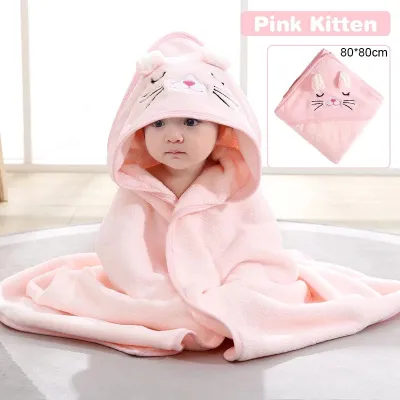
Prices are valid at publication and may change. Please refer to the product page for the latest price.
As your baby grows, they hit critical developmental milestones that gradually reduce these risks. By 12 months of age, most infants have developed strong head and neck control, can sit up independently, and can roll over effortlessly from back to front and front to back. More importantly, they possess the manual dexterity and cognitive awareness to push a stray piece of fabric away from their face if it begins to obstruct their breathing. If your child is still struggling to roll over or lacks robust upper-body strength, they are not yet ready for a loose blanket, regardless of their chronological age.
Because every child develops at their own pace, age alone should not be your only metric. Some babies born prematurely or those with specific developmental delays may need to wait longer before it is safe to use loose bedding. Always discuss your baby’s physical progress with your pediatrician during routine well-child visits. Your doctor can help you assess whether your baby’s motor skills are sufficiently advanced to safely handle a blanket in their sleep space.
Understanding the Risks: Suffocation, SIDS, and Overheating
To make informed decisions about your nursery setup, it is vital to understand the physiological hazards associated with premature blanket use. The most immediate threat is physical suffocation. If a loose blanket shifts during sleep, it can easily drape over an infant’s face. Young babies lack the motor reflexes to pull the blanket down, leading to rapid airway obstruction. Additionally, loose bedding can lead to entrapment, where a baby becomes tangled in the fabric, restricting their movement and compromising their breathing positions.

Another critical hazard is carbon dioxide rebreathing. When a blanket creates a pocket or canopy over a baby’s face, the exhaled air becomes trapped. The baby then breathes in this oxygen-depleted, carbon dioxide-rich air. This lack of fresh oxygen can cause rapid hypoxia and silent carbon dioxide toxicity, which is a primary underlying mechanism linked to SIDS. Keeping the crib entirely free of loose items is the single most effective way to eliminate this specific hazard.
In tropical, humid climates like the Philippines, overheating is an equally critical risk factor that parents must manage. Infants cannot regulate their body temperature as efficiently as adults because their sweat glands are not yet fully developed. Wrapping a baby in heavy or non-breathable blankets traps body heat, causing their core temperature to rise rapidly. Overheating deeply disrupts an infant’s autonomic sleep regulation, making it harder for them to wake up when their breathing is compromised, which significantly elevates the risk of SIDS.
Essential Safety Features to Look for in a Baby Blanket
Once your pediatrician confirms that your baby is developmentally ready for a loose blanket, you must select the bedding with extreme care. Not all blankets are created equal, and many products sold on online marketplaces or in local baby boutiques are designed for stroller use or decoration rather than safe sleep. Evaluating specific safety features will help you choose a blanket that keeps your toddler comfortable without compromising their safety.
Breathable and Lightweight Materials
When shopping for a blanket for baby use, the fabric composition should be your primary consideration. Natural, long-staple fibers are highly recommended because they allow air to circulate freely and wick moisture away from the skin.
- 100% Cotton: Offers excellent durability and breathability, making it easy to wash and comfortable for year-round use.
- Muslin Cotton: Features a loose, open weave that is exceptionally lightweight, reducing the risk of heat retention even on warm tropical nights.
- Bamboo Linen: Known for its natural temperature-regulating properties and soft texture, though you must verify the manufacturer's care instructions to ensure proper upkeep.
Always check the product label to verify the material composition. Avoid heavy, plush, fleece, or tightly woven synthetic fabrics like polyester. While these materials may feel incredibly soft to the touch, they act as thermal insulators that trap moisture and stagnant heat, creating a stifling sleep environment that can trigger heat rash or dangerous overheating.
Proper Size and Secure Fit
An ideal toddler blanket should be small and proportional to both your child and their mattress. Look for blankets specifically labeled as crib-sized or stroller-sized, which typically measure around 30 by 40 inches (approximately 75 by 100 centimeters).
This size is large enough to cover your child’s chest and legs while allowing you to tuck the bottom and sides securely under the mattress. It is small enough to prevent excess fabric from bunching up, folding over, or migrating up toward your baby’s neck and face during active sleep. Never place oversized adult throw blankets, heavy family quilts, or fluffy duvets into a crib, as their sheer weight and volume pose severe suffocation and restriction hazards.
Avoiding Physical Hazards
Before purchasing any bedding, inspect the blanket thoroughly for decorative elements and construction quality. A safe baby blanket must be entirely functional and free of embellishments.
- No Embellishments: Avoid blankets with ribbons, bows, buttons, tassels, lace trims, or heavy embroidery. These decorative elements can easily detach during sleep or washing, presenting immediate choking hazards.
- No Loose Weaves or Fringe: Open-knit or crochet blankets with large holes can trap your baby's fingers, toes, or limbs, leading to injury or restricted circulation.
- Secure Stitching: Look for flat, double-stitched hems and secure borders. The stitching must be robust enough to withstand frequent machine washing at high temperatures without fraying, shedding loose threads, or unraveling.
Safe Sleep Alternatives and Proper Usage Guidelines
If your baby is under 12 months old and you are worried about them getting cold during cooler rainy seasons or in air-conditioned rooms, you do not have to resort to loose blankets. There are highly effective, pediatrician-approved alternatives designed to keep your baby warm and secure.
Wearable blankets, commonly known as baby sleep sacks, are the safest alternative to loose bedding. These garments are designed to be worn over your baby’s regular sleepwear, zipping up securely while leaving the arms and head completely free. They provide consistent warmth throughout the night without any risk of riding up over the face or nose. When choosing a sleep sack in the Philippines, check the Thermal Overall Grade (TOG) rating. For warm, tropical climates, a low rating of 0.5 to 1.0 TOG is ideal, as it provides a light, breathable layer that prevents overheating.
Once your child reaches the appropriate age and developmental milestones to transition to a loose blanket, you must follow strict positioning guidelines to maintain a safe sleep environment:
- Feet-to-Foot Position: Always place your baby with their feet touching the very bottom edge of the crib. This physical barrier prevents them from sliding down underneath the blanket.
- Tuck It Securely: Cover your baby only up to their chest, keeping their arms outside the blanket. Tuck the bottom and sides of the blanket firmly beneath the crib mattress so it cannot be easily kicked loose or pulled upward.
- Maintain the Bare Crib Rule: Even with the introduction of a safe blanket, do not add other soft items. Keep pillows, stuffed animals, and crib bumpers out of the sleep space. A firm mattress, a fitted sheet, and your securely tucked blanket are all your toddler needs.
Frequently Asked Questions (FAQ)
Can I use a receiving blanket for swaddling?
Yes, thin and breathable receiving blankets made of cotton or muslin are excellent tools for swaddling newborns. Swaddling helps soothe young infants by mimicking the tight, secure environment of the womb and preventing the startle reflex from waking them. However, you must stop swaddling immediately at the very first sign of your baby attempting to roll over—which typically occurs between 2 and 4 months of age. Once a baby can roll, swaddling them with their arms restricted poses an extreme suffocation hazard if they turn onto their stomach.
How do I know if my baby is too hot while sleeping?
To accurately assess your baby’s temperature, place your hand directly on their chest or the back of their neck. Their skin should feel warm and dry. Do not rely on their hands or feet to gauge body temperature, as an infant’s extremities naturally feel cool due to their developing circulatory system. Watch closely for physical signs of overheating, which include sweating, damp hair, flushed cheeks, rapid breathing, or a heat rash. If you observe any of these signs, immediately dress your baby in lighter clothing, adjust the room’s ventilation or air conditioning, or switch to a lower TOG-rated sleep sack.

Community discussion
Share your experience or ask a question. Comments are reviewed before publication.