
Determining when your baby is ready for a baby hip seat carrier is a crucial milestone in your parenting journey. While many manufacturers suggest a general starting point of around six months of age, chronological age is only a secondary guideline. The true indicator of readiness lies in your baby’s physical development, specifically their ability to support their own head and sit up with minimal assistance. Introducing this type of carrier too early can place undue stress on a developing spine and compromise your baby’s airway.
In tropical climates like the Philippines, where daily outings often involve navigating warm, humid environments, choosing the right time to transition to a hip seat carrier can make a significant difference in comfort for both you and your little one. A hip seat carrier shifts the baby’s weight to your hips, reducing strain on your shoulders and back during walks in the neighborhood or trips to the local mall. However, before making this transition, you must carefully evaluate your baby’s physical milestones, verify the specific safety parameters of your carrier, and understand how to maintain safe positioning at all times.
Recognizing Physical Readiness and Developmental Milestones
Before you secure your baby into a hip seat carrier, you must observe their physical capabilities closely. The most critical prerequisite is complete, steady neck and head control. Your baby must be able to hold their head up independently without any wobbling or support, even when you move or gently shift positions. If your baby’s head still tilts or slumps when they get tired, their neck muscles are not yet strong enough to handle the upright posture required by a hip seat.
Products mentioned in this guide
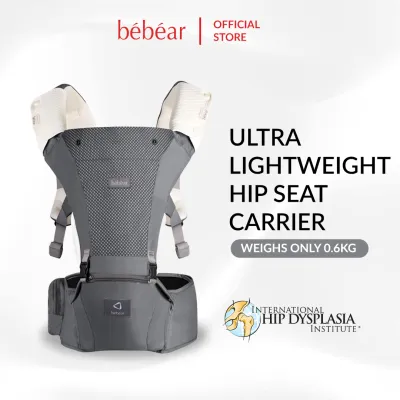
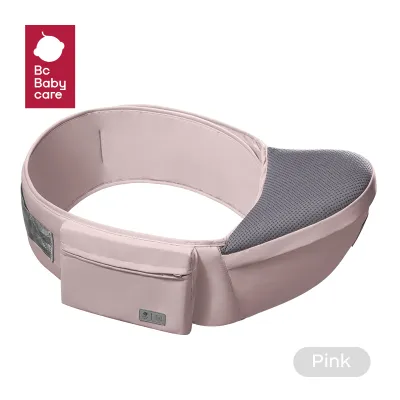
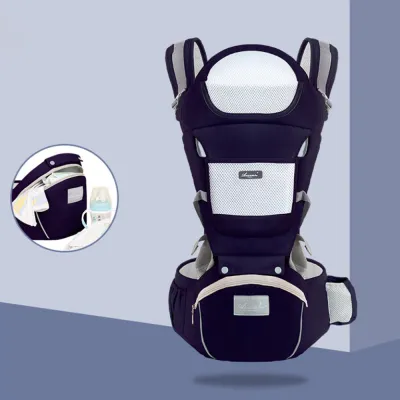
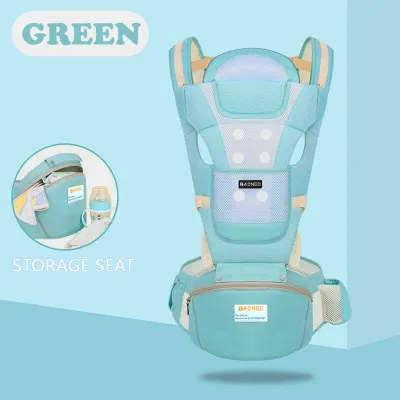
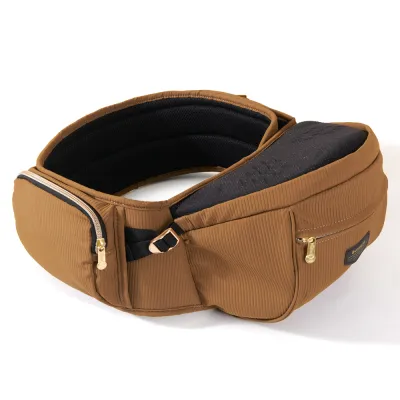
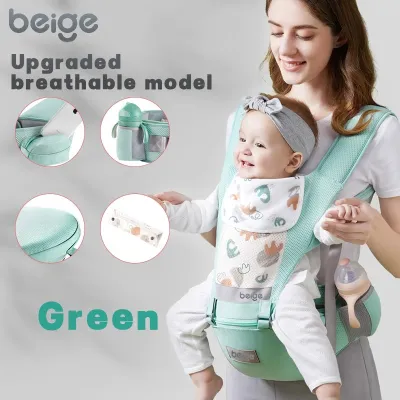
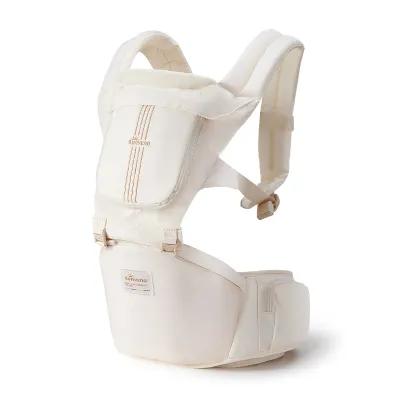
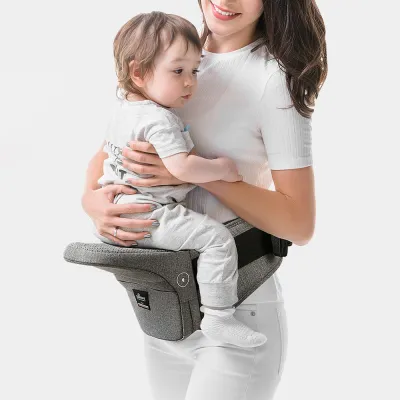
Prices are valid at publication and may change. Please refer to the product page for the latest price.
In addition to neck control, your baby should demonstrate the ability to sit independently or with very minimal support. This milestone indicates that their core and back muscles have developed sufficiently to support their spine in an upright position. When a baby sits up on their own, their musculoskeletal system is better prepared to absorb the minor jolts and movements that occur while you walk. Placing a baby with a weak core into a hip seat can cause them to slump forward or sideways, which can restrict their breathing and strain their delicate spine.
Relying solely on chronological age can be misleading because every baby develops at their own unique pace. While one baby might achieve robust core strength at five months, another might require seven or eight months to reach the same developmental stage. Always prioritize these observable physical milestones over the age recommendation printed on the box. If you have any doubts about your baby’s physical readiness, it is always best to wait a few weeks or consult your pediatrician for a professional assessment.
In warm and humid conditions, physical fatigue can set in more quickly for both you and your baby. A baby who is tired or overheated may lose their muscle tone faster, leading to slumping even if they normally have good core strength. When using a carrier during warm days, monitor your baby’s posture continuously to ensure they are not leaning heavily to one side or letting their chin drop toward their chest as they grow tired.
Verifying Manufacturer Weight and Age Specifications
Every baby hip seat carrier is engineered with specific structural limits that you must verify before its first use. These safety parameters are typically printed on a fabric label sewn directly onto the carrier, or detailed within the manufacturer’s user manual. You should locate both the minimum and maximum weight limits, as using a carrier outside of these boundaries can compromise its structural integrity and put your baby at risk.

Minimum age and weight requirements vary significantly between different brands and designs. Some carriers are designed as multi-functional systems that transition from a soft structured carrier to a standalone hip seat, while others are dedicated hip seat units intended only for older infants. Never assume that a weight limit or age recommendation for one brand applies to another. Carefully read the specific instructions provided by your carrier’s manufacturer to understand how the seat is intended to support your baby’s weight at different stages.
Using hand-me-down carriers or purchasing secondhand gear from online marketplaces requires extra caution. Over time, fabric fibers can degrade, buckles can become brittle, and stitching can weaken, especially when exposed to humid tropical climates. Before using a pre-owned hip seat carrier, inspect every strap, buckle, zipper, and seam for visible wear, fraying, or cracking. Ensure that all safety loops are intact and that you have access to the original user manual, which can often be downloaded from the manufacturer’s official website.
If any part of the carrier appears damaged, stretched, or missing, do not attempt to repair it yourself or use it. A compromised buckle or a worn zipper can fail suddenly under the weight of a moving baby. Prioritize your baby’s safety by verifying that all fastening mechanisms click securely into place and remain locked under tension before you begin your walk.
Ensuring Safe Positioning and Airway Protection
Proper positioning is the cornerstone of safe babywearing, particularly when using a hip seat carrier. You must always ensure that your baby’s hips and knees form a natural “M” shape, where the knees are slightly higher than the hips and the thighs spread comfortably around your torso. This ergonomic position supports healthy hip joint development and helps prevent hip dysplasia by keeping the thigh bone securely seated in the hip socket.
The design of the hip seat should support your baby’s spine in its natural, slightly curved shape rather than forcing it into an unnaturally straight or rigid upright position. When your baby is seated, their back should be gently rounded, and the carrier’s panel or your arm should provide steady support without pressing too tightly against their spine. Avoid positions that cause your baby’s lower back to arch excessively or their torso to slump forward, as this can place pressure on their developing vertebrae.
Airway protection is the most critical safety consideration when carrying your baby. You must keep your baby’s face fully visible and their airway clear at all times, ensuring that their nose and mouth are never obstructed by fabric, your clothing, or your body. A safe rule of thumb is to ensure that you can always fit two fingers between your baby’s chin and their chest. If your baby’s chin rests on their chest, their airway can become restricted, which can lead to silent suffocation.
In warm weather, the risk of overheating can also affect your baby’s breathing and comfort. Choose carriers made with breathable, lightweight fabrics or those featuring mesh panels that allow for adequate airflow. Keep a close eye on your baby’s skin temperature and color, ensuring they are dressed in light, breathable clothing to prevent heat stress while snuggled close to your body.
Warning Signs and When to Stop Using the Hip Seat
As your baby grows, you must remain vigilant for signs that the hip seat carrier is no longer providing a safe or comfortable ride. Regularly check your baby’s legs and thighs for red marks, deep indentations, or signs of restricted circulation caused by the edges of the seat. If your baby becomes unusually fussy, squirmy, or tries to push away from your body while in the carrier, they may be experiencing discomfort or pressure points that require you to adjust the fit or take a break.
You must stop using the hip seat immediately if your baby exceeds the manufacturer’s maximum weight limit or if they show signs of trying to climb or lean out of the carrier. As babies become more active and curious, they may attempt to stand up on the hip platform or twist their bodies to see their surroundings. If the carrier’s safety straps or panel can no longer securely contain their movements, transitioning to a stroller or a different style of carrier is necessary to prevent falls.
Caregiver comfort is another essential factor to monitor. If using the hip seat carrier causes you to experience persistent back, shoulder, or pelvic strain, it may be a sign that the carrier is not adjusted correctly or that your baby has grown too heavy for comfortable carrying. Avoid pushing through physical pain, as a strained back can compromise your balance and safety while holding your child. If adjustments to the waistband do not relieve the pressure, consider alternative transport options like a lightweight stroller suitable for local terrain.
Frequently Asked Questions (FAQ)
Can a newborn use a hip seat carrier with an infant insert?
Traditional hip seat carriers are generally not recommended for newborns, even with an infant insert, because newborns lack the spinal strength and neck control required for a seated position. Most hip seats feature a wide, rigid platform that can force a newborn’s legs into an unnatural stretch and fail to provide the snug, wrap-like support their delicate bodies need. For the first few months, a soft wrap or a structured carrier specifically designed for newborns is a much safer choice to keep their airway clear and their spine properly supported.
How long can a baby stay in a hip seat carrier at one time?
There is no universal time limit for how long a baby can stay in a hip seat carrier, but you should prioritize taking regular breaks to let your baby stretch, move, and change positions. In warm and humid climates, keeping a baby in a carrier for extended periods can quickly lead to overheating and skin irritation from sweat buildup. Observe your baby closely for signs of fatigue, restlessness, or damp clothing, and aim to take them out of the carrier every thirty to forty-five minutes to allow both of you to cool down and rest.
Are hip seat carriers safe for babies with hip dysplasia?
If your baby has been diagnosed with hip dysplasia, has a family history of hip joint issues, or is undergoing treatment with a harness or brace, you must consult your pediatrician or a pediatric orthopedist before using any hip seat carrier. While ergonomic carriers support healthy hip development in typically developing infants, babies with specific orthopedic conditions require specialized positioning that must be evaluated by a medical professional. A doctor can guide you on whether a hip seat carrier is safe for your baby’s specific therapeutic needs.

Community discussion
Share your experience or ask a question. Comments are reviewed before publication.