
Parents often look for ways to support their child’s growth, especially during the crucial early years when the immune system is still developing. Walking down the baby care aisle of any local pharmacy or supermarket in the Philippines, you are highly likely to spot colorful bottles of Scott’s Gummies. With their appealing fruit shapes and sweet flavors, these dietary supplements are frequently marketed as a convenient way to fill nutritional gaps. However, despite their candy-like appearance, these products are active supplements that carry strict age limits and physical safety considerations.
Babies and toddlers under the age of three should not take Scott’s Gummies or any other brand of gummy vitamins. Most gummy supplements are formulated and legally labeled for children aged three or four years and older. Introducing these chewable vitamins prematurely poses severe developmental and physiological risks, primarily centered around choking hazards and inappropriate nutrient dosages. Before offering any chewable supplement to a child, parents must carefully read the manufacturer’s packaging and consult a pediatrician to verify suitability.
Understanding the exact reasons behind these age restrictions is essential for keeping your child safe. By evaluating your child’s physical readiness, learning to manage dosages strictly, and exploring safer liquid alternatives, you can protect your little one while ensuring they receive the proper nutritional support for their developmental stage.
Products mentioned in this guide

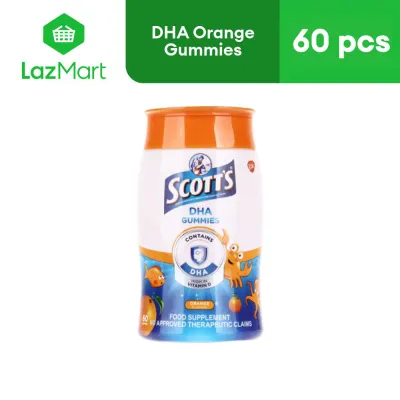
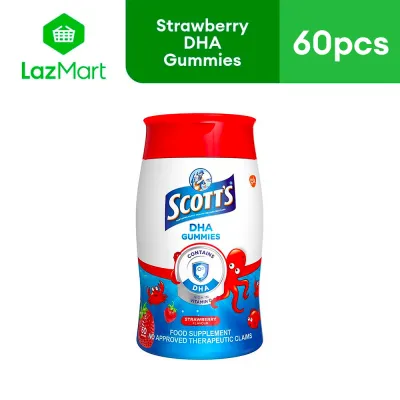

![Scotts DHA Gummies Strawberry + Orange 60s [Pack of 2] Helps Support Brain Development](https://img.lazcdn.com/g/p/57c252d1cbab5822cf70bdee533730fd.png_400x400q80.png_.webp)
![[BUY 2 TAKE 1] Scotts DHA Gummies Strawberry and Orange 60s (Pack of 2) get 1 FREE Scotts Pastilles 50s](https://img.lazcdn.com/g/p/9b77b2adc3db029f7f791b72e2261a33.jpg_400x400q80.jpg_.webp)
![Little Explorer Pack: Scotts 100% Vitamin C Pastilles 50s [Pack of 2] + DHA Gummies 60s [Pack of 2]](https://img.lazcdn.com/g/p/d7cb1cd69d871a4df5a2fb1d8e9c8fae.png_400x400q80.png_.webp)
Prices are valid at publication and may change. Please refer to the product page for the latest price.
What Is the Safe Age to Start Scott's Gummy Vitamins?
The absolute minimum age to safely introduce Scott’s Gummies is three years old, though some specific product variants are formulated for children aged four and older. This age threshold is not an arbitrary recommendation; it is directly based on a child’s physical oral development. Children under the age of three generally lack the fully developed primary molars and coordinated chewing mechanics required to grind down dense, rubbery, or gelatinous textures before swallowing.
Every product variant within the Scott’s range has a unique formulation and target age group. For instance, some pastilles and DHA gummies are explicitly labeled for children aged three and above, while multi-benefit formulations might be restricted to older age brackets. Because formulations change and new products enter the market, parents must make it a habit to check the “Directions for Use” or “Recommended Age” section printed on the back of the specific bottle they purchase.
Dosage requirements also dictate these strict age limits. The daily value of vitamins and minerals packed into a single gummy is calibrated for the metabolic rates and body weights of older children. Giving these concentrated doses to an infant or a two-year-old toddler can easily overwhelm their digestive system and kidneys, which are not yet equipped to process high concentrations of synthetic nutrients.
Before purchasing any chewable supplement, schedule a consultation with your pediatrician. A healthcare professional can evaluate your child’s growth chart, assess their actual dietary intake, and confirm whether a supplement is medically necessary. They can also provide a personalized recommendation on the safest delivery format for your child’s age.
Key Safety Risks of Gummy Vitamins for Young Children
Choking Hazard
The most immediate physical danger of giving gummy vitamins to babies and toddlers is the risk of choking. Gummy supplements are thick, chewy, and highly cohesive, meaning they do not dissolve quickly when exposed to saliva. If a young child attempts to swallow a gummy whole or only bites it once, the sticky mass can easily lodge in their narrow airway, which is roughly the size of their pinky finger.

In the tropical, humid climate of the Philippines, storage conditions can exacerbate this choking risk. High ambient heat and humidity can cause the gelatin or pectin in the gummies to melt slightly and stick together inside the bottle. When these partially melted gummies are pulled apart and given to a child, they may be tougher, stickier, and significantly harder to chew, increasing the likelihood of throat adhesion.
Vitamin Overdose and Toxicity
Because gummy vitamins are designed to taste like sweet fruits, young children naturally mistake them for regular candy. If a bottle is left within reach, a curious toddler can easily consume multiple gummies in a single sitting. This poses a major risk of vitamin overdose, particularly with fat-soluble vitamins like Vitamin A or Vitamin D, which accumulate in the body’s fat tissues and liver rather than being flushed out through urine.
Even water-soluble nutrients like Vitamin C, which are prominent in Scott’s formulations, can cause adverse health effects when consumed in excess. An overdose of Vitamin C can lead to acute gastrointestinal distress, including severe stomach cramps, diarrhea, and vomiting. If the supplement contains minerals like iron, the risk of acute toxicity is even higher and can be life-threatening for a small child.
Sugar Content and Dental Health
To make vitamins palatable to children, manufacturers often use glucose syrup, sucrose, or other added sugars. The sticky nature of gummies means that these sugars cling tightly to the deep grooves and crevices of a child’s primary teeth. Unlike liquid foods, these sticky residues are highly resistant to the natural cleansing action of saliva.
In the Philippines, early childhood caries (tooth decay) is a prevalent dental health issue among toddlers. Regularly consuming sugary, sticky gummies provides a constant food source for acid-producing oral bacteria, rapidly accelerating tooth decay. If a child consumes these gummies right before bed without thorough teeth brushing, the sugars remain on the enamel for hours, compounding the risk of cavities.
Essential Safety Rules When Giving Gummy Vitamins
Assessing Chewing Readiness
Age is not the sole indicator of readiness; physical development varies from child to child. Before introducing any gummy vitamin to a child who has reached the age of three, parents should carefully observe their eating habits with other solid foods. Ensure your child can thoroughly grind down tough textures, such as raw apple slices or soft meats, using their back molars rather than simply swallowing them in large chunks.
Strict Dose Management
Always treat gummy vitamins as medicine, never as treats or rewards. Avoid referring to them as “peras” or “candy” to entice your child to take them, as this language blurs the line between supplements and snacks. Administer only the exact daily dosage specified on the manufacturer’s label, and supervise your child closely while they chew and swallow the gummy to ensure they do not try to gulp it down whole.
Safe Storage Practices
Keep all supplement bottles stored in a high, locked cabinet or a secure pantry that is completely out of your child’s sight and physical reach. Do not rely on the child-resistant cap as a foolproof safety measure, as many determined toddlers can eventually figure out how to twist or press them open. Additionally, store the container in a cool, dry place below 30°C to maintain the structural integrity of the gummies and prevent them from melting into a single, unsafe mass.
Oral Hygiene Routine
To mitigate the risk of dental decay, establish a strict oral hygiene routine around supplement consumption. Have your child take their gummy vitamin immediately before their morning or evening tooth-brushing session. If brushing is not possible right away, ensure they drink a full glass of water immediately after consuming the gummy to help wash away the sticky sugars clinging to their tooth enamel.
Safe Vitamin Alternatives for Babies and Toddlers
For infants and toddlers under the age of three who require nutritional support, liquid drops and powders are much safer options. Pediatricians frequently prescribe liquid vitamin drops that can be easily measured with a syringe or dropper. These liquid formulations eliminate the choking hazard entirely and can be administered directly into the child’s mouth or mixed seamlessly into breastmilk, infant formula, or smooth purees.
It is important to remember that a balanced, nutrient-rich diet should always serve as the primary source of essential vitamins and minerals for your child. For babies under six months, breastmilk or infant formula provides all the necessary nutrients. As you transition your baby to solid foods, focus on introducing a colorful variety of local, nutrient-dense ingredients rather than relying on commercial supplements.
Incorporate local Philippine produce into your child’s daily meals to naturally boost their vitamin intake. Pureed or finely mashed kamote (sweet potato) is rich in Vitamin A, while ripe papayas and mangoes provide abundant Vitamin C. Adding finely chopped malunggay (moringa) leaves to clear broths like tinola offers a powerful dose of iron, calcium, and essential vitamins in a highly bioavailable, easily digestible format.
Before purchasing any over-the-counter liquid vitamins, consult your pediatrician to determine if your child actually has a nutritional deficiency. Unnecessary supplementation can place an extra metabolic burden on your child’s developing organs and lead to unnecessary household expenses.
Warning Signs: When to Stop and Call a Doctor
Even if your child is of the appropriate age and has been cleared by a doctor to take Scott’s Gummies, you must remain vigilant for any adverse reactions. Monitor your child closely after they consume a supplement, especially during the first few weeks of introduction. Stop giving the gummies immediately and consult your pediatrician if you observe any of the following warning signs:
- Allergic Reactions: Watch for physical signs of an allergic response, such as sudden skin rashes, hives, itching, or swelling of the face, lips, tongue, or throat. If your child experiences any difficulty breathing, wheezing, or a sudden cough, seek emergency medical care immediately.
- Digestive Distress: Take note of persistent nausea, vomiting, diarrhea, severe abdominal pain, or a sudden loss of appetite, which may indicate that the supplement's formulation is too harsh for your child's stomach.
- Symptoms of Toxicity: Be alert for signs of potential vitamin toxicity, which can manifest as extreme lethargy, unusual drowsiness, severe headaches, joint pain, or persistent, unexplained irritability.
In the event of an accidental overdose—such as if your child accesses the bottle and consumes multiple gummies unsupervised—do not wait for physical symptoms to develop. Do not attempt to induce vomiting at home, as this can cause further throat irritation or aspiration. Instead, immediately gather the supplement bottle so you know the exact ingredients and dosages, and contact the National Poison Management and Control Center or rush your child to the nearest hospital emergency room for professional evaluation.
Frequently Asked Questions (FAQ)
Can I cut Scott's gummies in half for my 2-year-old?
No, you should never cut Scott’s Gummies in half to give them to a two-year-old. Cutting the gummy does not eliminate the choking hazard, as the rubbery, sticky texture of the piece still requires mature grinding molar action that a two-year-old child has not yet developed. Furthermore, active ingredients are not always distributed uniformly throughout a gummy, meaning cutting it can result in an inaccurate, unpredictable dosage that could harm your child’s health.
Do babies need multivitamin gummies if they are picky eaters?
No, babies do not need multivitamin gummies to address picky eating habits. Picky eating is a very common, normal developmental phase for toddlers, and introducing gummies prematurely only exposes them to unnecessary choking hazards and high sugar content. If you are concerned about your child’s nutritional intake, consult your pediatrician, who can run growth checks and prescribe safe, age-appropriate liquid vitamin drops or recommend dietary adjustments instead.
Community discussion
Share your experience or ask a question. Comments are reviewed before publication.