
Determining whether your baby needs vitamin D3 supplementation is a vital step in supporting their early growth and long-term skeletal health. While the human body can naturally synthesize vitamin D through skin exposure to sunlight, infants have highly sensitive skin that must be protected from direct ultraviolet rays. Consequently, many pediatricians recommend daily vitamin D3 drops, particularly for breastfed infants, to ensure they receive a consistent and safe amount of this essential nutrient. Understanding your baby’s specific feeding habits, daily environment, and physical development will help you make an informed decision alongside your healthcare provider.
Evaluating Your Baby's Vitamin D Requirements
Vitamin D3 plays an indispensable role in your baby’s body by acting as the primary regulator for calcium and phosphorus absorption. Without an adequate supply of vitamin D3, the calcium your baby consumes through breast milk or infant formula cannot be properly absorbed by the intestines. This nutrient is the foundation for building strong, dense bones and healthy teeth during the rapid growth spurts of infancy. A prolonged deficiency in vitamin D can lead to developmental delays, weakened muscle tone, and in severe cases, childhood rickets, a preventable condition characterized by soft, malformed bones.
Pediatric consensus emphasizes that infants require a reliable, daily source of vitamin D from their first weeks of life. Because breast milk naturally contains limited amounts of this vitamin, and direct sun exposure carries dermatological risks, oral supplementation is frequently recommended. However, because every baby’s physiological needs and growth rates are unique, the exact daily dosage must always be verified with a healthcare provider.
Products mentioned in this guide

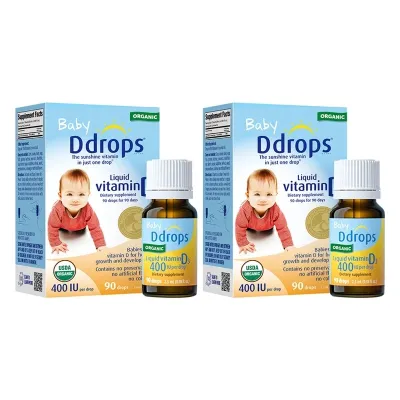
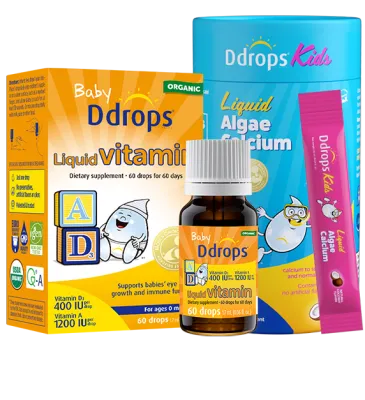

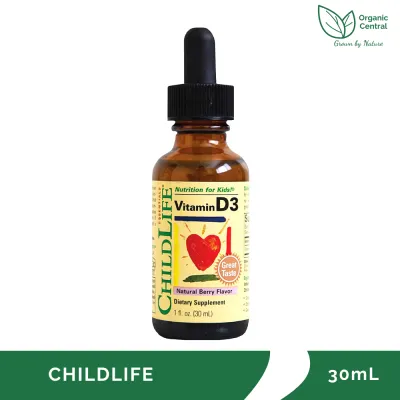



Prices are valid at publication and may change. Please refer to the product page for the latest price.
Before scheduling a consultation with your pediatrician, it is helpful to gather a clear picture of your baby’s daily routine and nutritional intake. Prepare a simple checklist of observable factors to share during your next clinic visit. Note down whether your baby is exclusively breastfed, exclusively formula-fed, or receives a combination of both. Additionally, keep track of their typical daily outdoor time, the climate in your area, and any specific skin sensitivities or allergies they have shown. This practical information allows your doctor to make a highly personalized recommendation tailored to your infant’s precise lifestyle.
Assessing Needs Based on Feeding and Environment
An infant’s daily nutritional source and physical environment are the primary variables that determine whether they require external vitamin D3 supplementation. Examining how these factors interact helps parents understand why health guidelines vary.

Breastfed vs. Formula-Fed Considerations
Breast milk is the gold standard for infant nutrition, providing a perfect balance of antibodies, proteins, and healthy fats. Despite these benefits, breast milk naturally contains very low concentrations of vitamin D, regardless of maternal diet. Because of this, pediatric health authorities recommend that exclusively or partially breastfed infants receive daily vitamin D3 drops starting shortly after birth to ensure consistent skeletal development.
In contrast, commercial infant formulas are fortified with vitamin D. If your baby is exclusively formula-fed, they may already receive their recommended daily intake from their bottles. To verify this, carefully read the nutritional information panel on the formula packaging to check the exact amount provided per serving. Because mixing feeding methods or changing formula brands can alter these daily totals, consult your pediatrician to calculate your baby’s exact intake and avoid accidental double-dosing.
Sun Exposure and Lifestyle Factors
In tropical regions, abundant sunlight might lead parents to assume that natural vitamin D synthesis is easy to achieve. However, pediatricians advise against exposing young infants to direct sunlight due to the extreme sensitivity of their developing skin. An infant’s skin barrier is much thinner than an adult’s, making them highly vulnerable to sunburns, heat stress, and UV damage. Consequently, relying on sun exposure to meet your baby’s vitamin D requirements is not medically recommended.
Furthermore, modern daily routines and environmental factors influence how much natural light a baby receives. Many families keep infants indoors in air-conditioned spaces to protect them from intense tropical heat, humidity, and outdoor air pollution. Cloud cover, shade, and protective clothing further reduce the skin’s ability to synthesize vitamin D naturally. Because these variables are unpredictable, relying on a controlled, measured oral supplement under pediatric guidance is a safer, more consistent approach.
Selecting and Administering D3 Drops Safely
When selecting d3 vitamins for baby health, parents must read product labels with meticulous attention. It is essential to choose a liquid formulation specifically manufactured and labeled for infants, as adult supplements contain concentrations that are far too high for a baby’s delicate system. Carefully inspect the ingredient list to ensure the product is free from artificial colors, synthetic flavors, added sugars, and common allergens like gluten, soy, or dairy. Opting for clean, simple formulations minimizes the risk of digestive upset or allergic reactions.
Accurate administration is critical to prevent accidental underdosing or a risky overdose. Always use the exact dropper, syringe, or measuring device packaged with the specific supplement you are using. Never substitute household spoons, kitchen measuring tools, or droppers from other medications, as even a tiny variance in liquid volume can lead to incorrect dosing. If you are unsure how to read the measurements on the provided dropper, ask your pharmacist or pediatrician to demonstrate the correct technique.
Proper storage of liquid supplements is especially important in warm, humid climates to preserve their potency. High temperatures and moisture can cause the active ingredients in vitamin D3 drops to degrade rapidly, rendering them ineffective. Store the bottle in a cool, dry cupboard away from direct sunlight, and ensure the cap is tightly sealed after every use. Always check the manufacturer’s expiration date printed on the packaging, and discard any remaining liquid once the product has been open for the duration specified in the instructions.
When to Consult Your Pediatrician
Before introducing any new supplement to your baby’s daily routine, a professional medical consultation is necessary. If you observe any unusual physical reactions after administering vitamin D3 drops, stop using the product immediately and contact your pediatrician. Watch closely for signs such as excessive spitting up, sudden changes in stool consistency, skin rashes, hives, or unexplained fussiness. These observable symptoms can indicate a sensitivity to the carrier oil or an underlying digestive intolerance that requires professional evaluation.
Any decision to start, stop, or adjust the dosage of d3 vitamins for baby must be approved by a qualified healthcare professional. Your pediatrician will calculate the appropriate dosage based on your baby’s current weight, age, feeding method, and overall developmental progress. Attempting to self-diagnose a deficiency or adjusting the dosage on your own can lead to insufficient nutrient levels or vitamin D toxicity, which can strain your baby’s developing kidneys.
Finally, parents must strictly avoid using adult vitamin D supplements, guessing liquid dosages, or relying on non-medical advice from online forums. Infant health decisions require precise, evidence-based guidance that only a licensed medical professional can provide. By maintaining an open dialogue with your pediatrician and attending regular well-baby checkups, you can confidently support your baby’s nutritional needs in a safe, controlled manner.
Frequently Asked Questions (FAQ)
Can I get enough vitamin D for my baby through my own diet while breastfeeding?
While a mother’s dietary choices and prenatal vitamins directly influence the overall nutritional quality of her breast milk, transferring therapeutic levels of vitamin D to an infant solely through breastfeeding is highly difficult. To raise the vitamin D content of breast milk to a level that meets an infant’s daily requirements, a lactating mother would need to consume exceptionally high doses of the vitamin. Doing so without strict medical supervision can carry health risks for the mother. Therefore, pediatric health organizations continue to recommend direct infant vitamin D3 drops as the most reliable and consistent method to ensure your baby receives the correct daily amount.
What should I do if I miss giving my baby their daily vitamin D3 dose?
If you miss a daily dose of your baby’s vitamin D3 supplement, do not administer a double dose the following day to make up for the missed day. Simply resume your normal, single-dose schedule the next day as prescribed by your pediatrician. Giving a double dose can upset your baby’s sensitive digestive system and lead to unnecessary nutrient spikes. For specific guidance regarding your particular product, or if you have missed several consecutive doses, read the manufacturer’s product label carefully or consult your pediatrician or a local pharmacist for personalized advice.
Community discussion
Share your experience or ask a question. Comments are reviewed before publication.