
Quick Answer: What’s in a Crib Set and What Do You Actually Need?
A typical baby crib complete set is a bundled furniture package designed to coordinate your nursery. These sets usually include a crib frame, a matching mattress, a dresser, a changing table, and sometimes a glider chair or decorative bedding accessories. While these bundles offer a beautifully matching aesthetic and the convenience of a single purchase, parents rarely require every single piece included in the set to create a functional room.
The absolute non-negotiable essentials for a safe nursery are a sturdy, certified crib frame and a firm, flat, snugly fitting crib mattress. Optional items like dedicated changing tables, matching dressers, and specialized nursing chairs are highly useful but can easily be substituted, skipped, or purchased later. Prioritizing these core sleep essentials ensures your baby has a safe environment while keeping your budget and nursery space flexible.
What’s Inside a Typical Baby Crib Complete Set
When shopping for nursery furniture, complete packages are often marketed as all-in-one solutions. Understanding the utility of each component helps you distinguish between what is vital for your baby’s daily life and what is simply a decorative or non-essential add-on.
Products mentioned in this guide
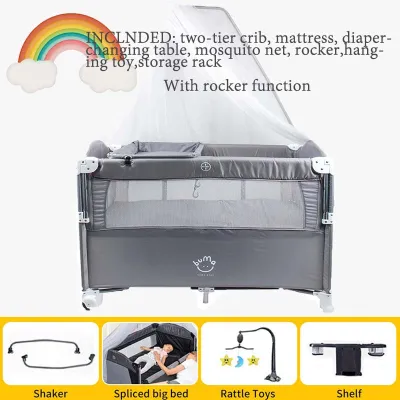
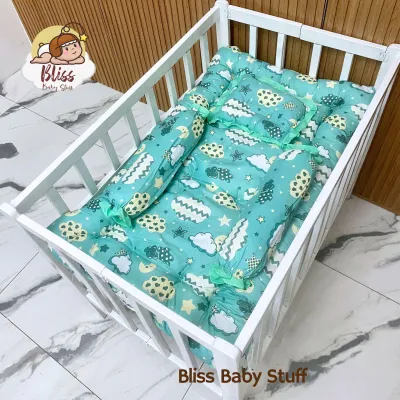
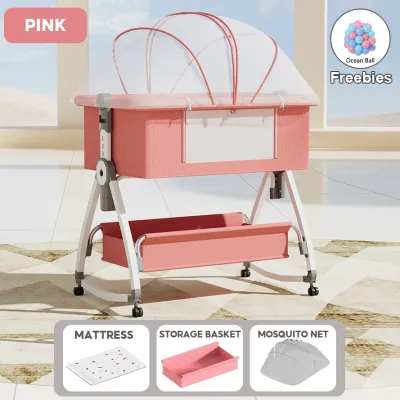
Prices are valid at publication and may change. Please refer to the product page for the latest price.

The Absolute Must-Haves
The Crib Frame The crib frame is the centerpiece of your nursery and must prioritize structural integrity over style. Modern safety guidelines require fixed sides; drop-side cribs are highly unsafe and should never be used due to the risk of moving parts detaching. Look for a frame constructed from solid wood, which resists warping and wear over time. Additionally, ensure the crib features an adjustable mattress support base with at least three height levels, allowing you to lower the mattress as your baby grows, rolls, and eventually learns to stand.
The Crib Mattress A high-quality crib mattress is just as important as the crib itself. Unlike adult mattresses, an infant mattress must be exceptionally firm and flat to prevent suffocation and support growing bones. It should not contour to your baby’s head or body shape. The mattress must fit the interior dimensions of the crib frame perfectly, leaving no gaps where a baby could become wedged. Waterproof covers are highly recommended to protect the mattress core from diaper leaks and moisture buildup, especially in humid climates.
The Practical "Nice-to-Haves"
The Changing Table A dedicated changing table provides a waist-height surface that reduces back strain during the thousands of diaper changes you will perform in the first year. These tables usually feature safety guardrails, a safety strap, and open shelving underneath for quick access to diapers, wipes, and ointments. While convenient, a changing table is not strictly necessary if you have limited space. You can easily convert a standard dresser into a changing station by securing a contoured changing pad to the top surface.
The Dresser or Chest of Drawers A matching dresser offers excellent, long-term storage for baby clothes, swaddles, blankets, and extra sheets. Because baby clothing is small, having organized drawers with dividers can make daily routines much smoother. Unlike specialized baby items, a sturdy dresser is a highly versatile piece of furniture that can transition with your child from infancy through their teenage years. However, if your nursery already features built-in closets or wardrobe storage, a separate dresser may be redundant.
The Glider or Nursery Chair A glider or rocker provides a smooth, soothing motion that helps calm fussy infants and assists in putting them to sleep. It also serves as a comfortable, supportive seat for late-night feedings, which can last for hours in the early months. When evaluating a glider, look for supportive armrests at a comfortable height for holding your baby and breathable fabric that remains comfortable in warm weather. While highly beneficial for parent comfort, you can substitute a glider with any supportive armchair or sofa already in your home.
Items to Skip or Avoid for Safety
Decorative Bedding and Crib Bumpers Many decorative crib sets come bundled with matching quilts, pillows, bumper pads, and fabric canopy drapes. Despite their visual appeal, pediatric health organizations strongly advise against placing these items in a baby’s sleep area. Crib bumpers, thick blankets, and pillows present severe risks of suffocation, entrapment, and restricted airflow. Once your baby begins to pull themselves up, bumper pads can also serve as a step, allowing them to climb out of the crib and risk a fall.
Prioritizing a Bare Sleep Space To maintain a safe sleep environment, your baby’s crib should remain entirely bare. The only items in the crib should be a firm mattress covered by a tightly fitted sheet. If you are concerned about your baby getting cold, use a wearable sleep sack or swaddle instead of loose blankets. Always read the manufacturer’s safety labels on any bundled bedding items, and do not hesitate to discard or repurpose decorative quilts as play mats on the floor rather than using them inside the crib.
How to Decide Which Optional Pieces You Actually Need
Selecting the right configuration of nursery furniture requires balancing your physical living space, daily habits, budget, and long-term family plans. Taking a systematic approach prevents you from overpaying for items that will ultimately clutter your home.
Space Constraints and Room Layout
Before purchasing a multi-piece furniture set, measure your nursery dimensions carefully and sketch a layout. In tropical climates like the Philippines, maintaining excellent room ventilation is crucial for your baby’s comfort and health. Overcrowding a room with a large crib, a bulky dresser, a changing table, and a glider can block natural airflow from windows or obstruct air conditioning units and fans.
Ensure there is at least a clear, comfortable pathway to the crib for late-night check-ins, and verify that all doors and drawers can open fully without hitting other furniture. If space is limited, prioritizing a compact crib and utilizing vertical closet space is far more practical than squeezing in a full furniture set.
Lifestyle and Daily Routines
Consider how you plan to manage daily care. If you live in a multi-story home, you may find that you rarely walk upstairs to use a stationary changing table during the day. Many parents prefer setting up small diaper caddies with portable changing pads in the living room or family area where they spend most of their daytime hours.
If you plan to room-share with your baby during the first six months, a massive, complete nursery set may sit unused while a simple bedside bassinet or compact crib in your master bedroom handles the daily sleep duties. Align your furniture choices with where you will actually spend your time.
Budget Allocation and Local Pricing
Complete nursery furniture sets can represent a significant financial investment, with entry-level packages starting around ₱12,000 and premium, solid-wood collections exceeding ₱40,000. Calculate the individual costs of the items you actually plan to use versus the bundled price of the set.
Often, buying a safe, basic crib frame and investing heavily in a premium, highly breathable mattress individually is more cost-effective than buying a complete set. This approach prevents you from paying a premium for a matching dresser or glider that you could otherwise source more affordably or do without.
Long-Term Utility and Transitions
Evaluate how well each piece of furniture will adapt as your child grows. A convertible crib is an excellent investment because it can transition from a baby crib to a toddler bed, a daybed, and eventually a full-sized headboard.
Similarly, a high-quality dresser provides storage that remains useful for a decade or more. In contrast, a standalone changing table has a very short lifespan, as babies typically outgrow them by the time they reach one year of age or begin rolling actively. Opt for pieces that offer multi-functional, long-term value to maximize your investment.
Essential Safety and Quality Checks Before You Buy
Regardless of whether you choose a complete set or buy individual pieces, verifying safety standards and material quality is critical. Infant furniture must meet strict construction guidelines to prevent accidents.
- The Two-Finger Mattress Test: When the mattress is placed inside the crib, there should be no significant gaps between the mattress edge and the crib sides. If you can fit more than two fingers between the mattress and the frame, the mattress is too small and poses a dangerous entrapment risk.
- Slat Spacing Limits: Measure the distance between the crib slats. To prevent your baby’s head or limbs from getting caught, the slats must be spaced no more than 2 3/8 inches (approximately 6 centimeters) apart.
- Non-Toxic Materials and Finishes: Babies frequently chew on crib rails when teething. Ensure the product specifications explicitly state that all paints, stains, and finishes are non-toxic, lead-free, and phthalate-free. In humid environments, look for high-quality, moisture-resistant solid wood finishes to prevent mold growth.
- Anti-Tip Hardware Installation: Heavy furniture like dressers and changing tables present a severe tip-over hazard as babies grow into curious toddlers who try to climb drawers. Ensure any dresser or tall unit in the set includes robust wall-anchoring hardware, and install it securely before your baby begins crawling.
- Manufacturer Guidelines: Always read and follow the manufacturer's specific assembly instructions, weight limits, and age warnings. Never modify the furniture or use alternative hardware that did not come in the original packaging.
Is a Complete Crib Set Worth It? (Set vs. Individual Pieces)
Deciding between a complete bundle and shopping à la carte depends on your aesthetic preferences, room size, and budget flexibility. Both approaches have distinct advantages depending on your situation.
When a Complete Set Makes Sense
Buying a complete crib set is highly beneficial if you are starting with a completely empty nursery and want a cohesive, professionally designed look without the stress of matching different wood stains or paint colors. Bundling these items often provides a clear price discount compared to purchasing the exact same pieces individually from the same brand. It also saves significant time, as all your major nursery furniture arrives in a single delivery, allowing you to assemble and organize the room well before your baby’s arrival.
When to Buy Individually
Shopping piece-by-piece is the superior choice if you are working with a small nursery or a tight budget. It allows you to skip unnecessary items like a dedicated changing table and focus your budget on a top-tier, breathable mattress. Buying individually also gives you the freedom to mix and match styles, such as pairing a simple, clean white crib with a vintage dresser you already own, creating a personalized nursery that fits your home’s unique layout and style.
Your Custom Comparison Checklist
Before making your final purchase, complete this quick comparison to find the best value:
- List the Essentials: Note down the prices of the individual crib frame, mattress, and storage solutions you actually need.
- Compare Total Costs: Add up the individual prices and compare them directly to the package price of the complete set.
- Verify Dimensions: Ensure the footprint of every piece in the complete set fits comfortably in your nursery layout without blocking doors, windows, or airflow.
- Assess Longevity: Confirm if the crib in the set is convertible and if the dresser can be used as your child grows.
Frequently Asked Questions (FAQ)
Can I use a standard mattress instead of the one included in the crib set?
No, you must never use a standard adult, toddler, or soft foam mattress in an infant crib. Infant mattresses are specifically engineered to be much firmer than standard mattresses to prevent suffocation and are sized precisely to eliminate dangerous gaps where a baby could become trapped. Always check the mattress label to verify that it is designed specifically for infant crib use and matches the exact interior dimensions of your crib frame.
When should I transition my baby from the crib to a toddler bed?
The transition from a crib to a toddler bed is based on your child’s physical development and behavior rather than a specific age. You should transition your child when they show signs of being able to climb out of the crib, when the top of the crib rail is lower than their chest level when standing, or when they reach the manufacturer’s stated maximum height or weight limit. Always consult your crib’s instruction manual to verify these specific physical limits to ensure ongoing safety.
Community discussion
Share your experience or ask a question. Comments are reviewed before publication.