
Caring for your newborn baby’s oral health is a vital practice that should begin long before the first tooth emerges. The safest and most suitable tool for this early stage is a food-grade silicone finger brush or a specialized ultra-soft gum massager designed for infants from birth. Alternatively, many parents start with a clean, damp cotton washcloth before transitioning to a dedicated brush. Choosing the right brush for newborn baby care ensures you can gently clean your infant’s gums without causing discomfort or irritation.
Why Early Oral Care Matters Before Teeth Erupt
Many first-time parents believe that oral hygiene only becomes necessary once primary teeth begin to break through the gums. However, milk residue from breastmilk or formula can easily accumulate on a newborn’s tongue and gum pads after feeding. Over time, this buildup can create a breeding ground where bacteria thrive, potentially leading to issues like oral thrush, sour breath, or plaque-causing bacteria that can affect future primary teeth.
In the warm and humid tropical climate of the Philippines, maintaining excellent hygiene for all feeding and oral care accessories is particularly important. High humidity and elevated temperatures can accelerate the growth of bacteria and mold on damp surfaces. Cleaning your baby’s gums daily helps prevent milk residue from lingering, ensuring their mouth remains fresh and healthy while protecting their developing immune system.
Products mentioned in this guide
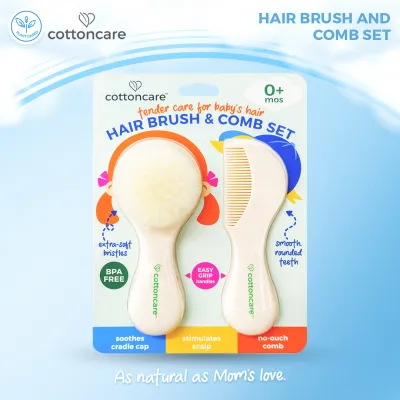
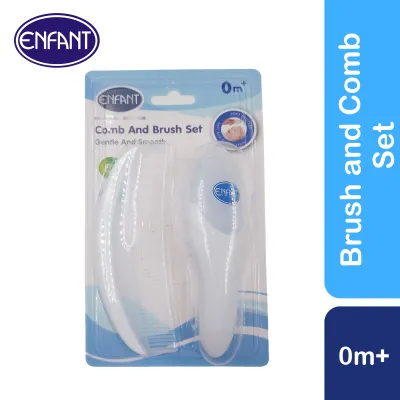
Prices are valid at publication and may change. Please refer to the product page for the latest price.
Beyond cleanliness, introducing a gentle oral care routine within the first few weeks of life serves an important developmental purpose. It helps acclimate your newborn to having their mouth touched and cleaned. This early sensory habituation reduces oral sensitivity and makes the eventual transition to regular brushing with a standard toothbrush much easier as they grow.
Establishing this routine also helps parents get into the habit of inspecting the baby’s oral cavity regularly. By looking inside your baby’s mouth daily, you can quickly spot early signs of teething, irritation, or oral infections. This proactive approach ensures that any discomfort is addressed promptly before it affects the baby’s feeding or sleep patterns.
Essential Safety and Design Features for a Brush for Newborn Baby
When selecting a brush for newborn baby care, material safety is your absolute highest priority. The oral cavity of an infant is incredibly delicate and highly absorbent, meaning any tool used must be completely non-toxic. Parents should look for products made from 100% food-grade silicone that are certified BPA-free, phthalate-free, and latex-free. Always inspect the product packaging to verify these safety certifications before making a purchase.

The texture of the cleaning surface must be exceptionally gentle to avoid scratching or bruising the baby’s sensitive gums. Traditional nylon bristles, even those labeled as soft for adults, are far too rigid for a newborn. Instead, choose brushes that feature ultra-soft, rounded silicone nubs or specialized micro-fine nylon filaments designed specifically for infants aged zero to six months.
Handle design is another critical safety factor to evaluate. If you choose a traditional-style brush rather than a finger sleeve, it must feature a wide, ergonomic grip that is easy for a parent to control securely. More importantly, it must include a built-in choke guard. This wide plastic or silicone shield acts as a physical barrier, preventing the brush head from being inserted too deeply into the baby’s throat.
In a humid environment, the physical structure of the brush can directly impact its hygiene. Brushes with complex, multi-piece constructions, hollow handles, or deep crevices are prone to trapping water, which quickly leads to mold and bacterial accumulation. Opt for seamless, single-piece silicone designs that are easy to wash, rinse, and sterilize completely.
Furthermore, the size of the brush head must be proportional to a newborn’s tiny oral cavity. A brush head that is too large can cause gagging, discomfort, and resistance from the baby. Ensuring the brush head is compact and rounded allows you to navigate the narrow spaces of the mouth without scraping the inner cheeks or the roof of the mouth.
Comparing the Main Types: Finger Brushes vs. Soft-Bristled Options
As you explore your options, you will find that newborn oral care tools generally fall into two main categories: silicone finger brushes and traditional-style, soft-bristled baby toothbrushes. Both options are designed to clean delicate oral tissues, but they offer very different user experiences for both parent and child.
Choosing between these two styles often depends on your comfort level with handling, your baby’s sensory tolerance, and their specific stage of early oral development. Understanding the distinct advantages and limitations of each type will help you select the most effective tool for your daily routine.
Silicone Finger Brushes: Pros, Cons, and Best Use Cases
Silicone finger brushes are simple sleeves that fit snugly over a parent’s index finger, featuring tiny, soft silicone bumps on one side.
Pros of Finger Brushes:
- Excellent Tactile Feedback: You can feel exactly how much pressure you are applying to your baby's delicate gums, preventing accidental injury.
- Gentle Gum Massage: The flexible silicone nubs provide a soothing sensation that can help relieve gum discomfort during early teething phases.
- Easy Transition: For babies who are already used to having their gums wiped with a soft cloth, the finger brush feels like a natural and non-threatening next step.
Cons of Finger Brushes:
- Biting Hazards: Once your baby's first sharp incisors begin to erupt, your finger is vulnerable to being bitten, which can be quite painful.
- Hygiene Risks: If the inside of the finger sleeve is not dried thoroughly after washing, it can easily trap moisture and breed bacteria.
- Sizing Issues: Parents with exceptionally large or very small fingers may find it difficult to get a secure, comfortable fit on their index finger.
Best Use Cases: The silicone finger brush is ideal for the first few months of life, specifically from birth to six months. It is perfect for highly sensitive newborns who reject hard plastic handles and for parents who prefer maximum physical control during oral cleaning.
Soft-Bristled Baby Toothbrushes: Pros, Cons, and Best Use Cases
Soft-bristled baby toothbrushes resemble miniature versions of adult toothbrushes but are engineered with ultra-soft filaments and specialized safety shields.
Pros of Soft-Bristled Brushes:
- Familiar Handling: The traditional handle design is highly intuitive for parents, making it easy to navigate the baby's oral cavity.
- Extended Reach: The brush head can easily reach the back of the gums without requiring you to insert your entire finger into the baby's mouth.
- Built-In Choke Guards: Most high-quality models come equipped with a protective shield to ensure the brush cannot be over-inserted.
Cons of Soft-Bristled Brushes:
- Reduced Sensitivity: Because you are holding a plastic handle, you lose the direct tactile feedback of your finger, making it easier to apply too much pressure.
- Initial Rejection: Some newborns may find the sensation of nylon bristles or the presence of a hard plastic handle in their mouth uncomfortable or alarming.
- Complex Cleaning: Nylon bristles can trap food particles or milk residue more easily than smooth silicone, requiring more meticulous cleaning.
Best Use Cases: These brushes are excellent for parents who prefer traditional grooming tools and for babies who are approaching the eruption of their first teeth. They are highly effective for introducing the physical concept of brushing as your baby transitions toward toddlerhood.
Step-by-Step Guide to Safely Cleaning Your Newborn's Gums
Cleaning your newborn’s mouth is a straightforward process, but it requires a gentle touch and careful attention to hygiene.
1. Prepare Your Hands and the Brush: Before touching your baby’s mouth, wash your hands thoroughly with antibacterial soap and warm water. Ensure that the finger brush or soft-bristled brush has been properly cleaned and sterilized according to the manufacturer’s instructions.
2. Position Your Baby Securely: Hold your baby in a comfortable, cradled position in your arms, ensuring their head is slightly elevated and well-supported. This position allows you to see clearly into their mouth while keeping them calm and secure.
3. Moisten the Brush: Dampen the brush with clean, drinking-safe water. Do not use tap water if you live in an area where the local water supply is not certified safe for drinking. Never use toothpaste of any kind for a newborn unless explicitly directed by a pediatric dentist.
4. Clean the Gums and Tongue: Gently insert the brush and use very soft, circular motions along the upper and lower gum pads. Wipe the surface of the tongue gently from back to front to remove any white milk coating, taking care not to insert the brush too far back to avoid triggering the gag reflex.
5. Maintain a Regular Schedule: Perform this cleaning routine at least twice a day, preferably after the first morning feeding and right before bed after the last feeding. This prevents milk residue from sitting on the gums during sleep when saliva flow is reduced.
6. Clean and Dry the Tool: After each use, rinse the brush thoroughly under clean running water to remove all traces of milk and saliva. Shake off any excess water. Because of the high humidity in the Philippines, it is crucial to air-dry the brush in a well-ventilated, clean area. Never store a damp baby brush inside a closed cabinet, drawer, or plastic container, as this creates a perfect breeding ground for mold.
7. Sterilization Guidelines: Silicone finger brushes can typically be sterilized in boiling water for a few minutes or placed in a steam sterilizer. For nylon-bristled brushes, check the manufacturer’s label to see if they can tolerate high heat; many should only be washed with warm, soapy water and air-dried.
Safety Boundary: Always prioritize your baby’s comfort and safety. Stop the cleaning process immediately and consult a pediatrician or a pediatric dentist if your baby shows signs of severe distress, if you notice bleeding or unusual redness on the gums, or if you spot persistent white patches on the cheeks or tongue that do not wipe away easily, which may indicate oral thrush.
Pre-Purchase Checklist: Verifying Safety Labels and Age Guidelines
Before purchasing any oral care tool for your newborn, go through this practical checklist to ensure the product is safe and appropriate:
- Verify the Age Grading: Read the packaging carefully to locate the explicit age recommendation. Look for labels such as "0+ months," "newborn," or "stage 1." Never purchase a brush labeled for older infants or toddlers, as the bristles and head size will be too large and rigid.
- Check Material Certifications: Ensure the packaging clearly states that the product is non-toxic, BPA-free, phthalate-free, and made of food-grade silicone or safety-tested plastics. Look for recognized safety standards or regulatory compliance marks.
- Inspect for Choking Hazards: Examine the physical product. Ensure there are no small, detachable parts or loose bristles that could easily break off and pose a choking hazard. If buying a traditional brush, verify it has a secure, wide choke guard.
- Evaluate Price and Source: High-quality, certified newborn brushes generally range from ₱50 to ₱300 on reputable local online marketplaces or baby specialty shops. Avoid buying extremely cheap, unbranded oral care products that lack clear ingredient lists or safety labels.
- Consult a Professional for Special Conditions: If your baby was born prematurely, has a cleft lip or palate, or has any other developmental or medical condition affecting the oral cavity, consult a pediatric dentist or pediatrician before introducing any brushing tools.
Frequently Asked Questions (FAQ)
When should I start brushing my newborn's gums?
Gum care can begin within the first few days or weeks after birth. Wiping your baby’s gums after feedings helps maintain a clean oral environment and establishes a healthy routine early on. Always check the specific age recommendations on the brush packaging and consult your pediatrician to ensure the timing is appropriate for your baby’s unique health.
Do I need to use toothpaste with a newborn brush?
No, toothpaste is not necessary for a newborn baby who does not have teeth. Plain, clean drinking water is completely sufficient for wiping away milk residue from the gums and tongue. You should consult a pediatric dentist before introducing any toothpaste; if recommended, only use a tiny smear of approved infant toothpaste under professional guidance.
How do I know when it is time to replace the brush?
You should inspect your baby’s brush daily for physical signs of wear and tear. Look for fraying or loose bristles, torn or peeling silicone, discoloration, or mold spots in the crevices. Always follow the manufacturer’s specific replacement instructions, but as a general guideline, replace the brush every 2 to 3 months, or immediately after your baby has been sick.
Community discussion
Share your experience or ask a question. Comments are reviewed before publication.