
Preparing for your baby’s scheduled immunization visit can feel like a major logistical undertaking, especially when navigating busy clinics, long queues, and unpredictable waiting times. Packing a well-organized vaccination bag ensures you have every essential document, comfort item, and clean-up tool within arm’s reach during a stressful moment. By planning ahead and setting up a dedicated system, you can focus entirely on soothing your little one rather than rummaging through a chaotic pile of baby gear.
A successful clinic visit relies on balancing administrative preparation with physical comfort. In the Philippines, this also means preparing for the stark contrast between humid outdoor commutes—whether traveling by car, tricycle, or public transit—and chilly, heavily air-conditioned waiting rooms. Having a structured approach to your baby’s health documents and immediate needs will make the entire appointment run much more smoothly for both you and your child.
Quick Checklist: What to Pack in Your Vaccination Bag
Before heading out the door, a final sweep of your vaccination bag can save you from unnecessary stress at the registration desk. Keeping a clear checklist ensures you do not leave behind the critical items required for clinic administration or immediate post-shot comfort.
Products mentioned in this guide
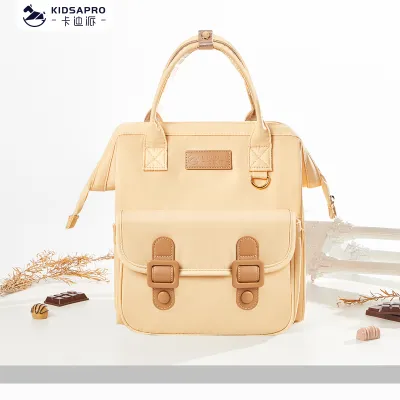
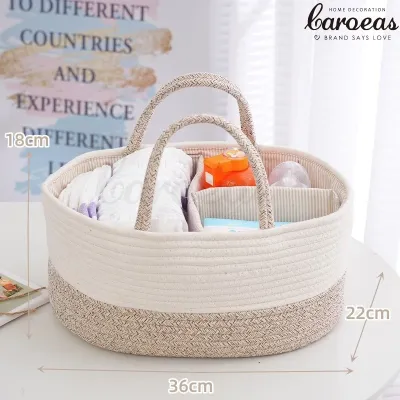
Prices are valid at publication and may change. Please refer to the product page for the latest price.
Here is a concise list of the absolute essentials to verify before leaving the house:
- Official health documents: Your baby's immunization card, health booklet, or pediatrician's referral.
- Feeding supplies: A breathable nursing cover, pre-measured formula dispensers, or expressed breast milk in an insulated pouch.
- Comfort items: A pacifier with a clip, a small soft toy, or a familiar security blanket to ease clinic anxiety.
- Diapering basics: Three to four diapers, travel-sized baby wipes, a portable changing mat, and diaper rash cream.
- Clothing changes: One complete change of clothes for the baby and a spare shirt for the caregiver.
- Hydration and snacks: A bottle of water and light snacks for the caregiver to maintain energy during long wait times.
- Sanitization essentials: A small bottle of pocket hand sanitizer or alcohol spray for quick hand cleaning.
Documents and Medical Essentials for the Clinic
The primary purpose of your immunization visit is medical, which makes your paperwork the most critical component of your vaccination bag. In the Philippines, pediatricians and local health centers rely heavily on the baby’s official immunization card, often referred to as the Expanded Program on Immunization (EPI) card or the Child Health Book. This document tracks every vaccine dose received, calculates future due dates, and serves as an official medical record for school enrollment later in life.

To protect these essential papers from accidental spills, baby spit-up, or sudden tropical downpours, store them in a dedicated, waterproof sleeve or zippered plastic folder. Placing this folder in an easily accessible section of your bag ensures you can present it immediately at the reception desk without digging through diapers and toys.
Post-vaccine care preparation is another vital aspect of your medical packing. Some infants may experience mild side effects, such as a low-grade fever or localized soreness at the injection site. If your pediatrician has previously recommended or prescribed a specific fever-reduction medication, such as infant paracetamol drops, pack it in your bag along with the exact dosing syringe or dropper.
Always consult your pediatrician for precise dosage instructions based on your baby’s current weight and age before administering any medication. Never self-prescribe or reuse old dosage charts, as infant weight changes rapidly during the first year of life. If your baby exhibits unusual symptoms, high fever, or prolonged crying after the injection, contact your doctor or seek professional medical assistance immediately.
Finally, slide a small notepad and a pen into your document sleeve. The clinic environment can be distracting, and having a physical space to write down the doctor’s verbal instructions, next appointment dates, or specific symptoms to watch out for ensures you do not forget crucial details once you return home.
Feeding and Comfort Items to Soothe Your Baby
An immunization visit can be an overwhelming sensory experience for a young baby, making immediate soothing techniques incredibly valuable. Feeding is one of the most effective ways to calm a distressed infant before, during, or immediately after an injection. The physical closeness of nursing or bottle-feeding releases comforting hormones and provides a powerful distraction from the brief pain of the needle.
If you breastfeed, pack a lightweight, breathable nursing cover that allows you to feed comfortably in busy or semi-private waiting areas. For bottle-fed babies, pack pre-measured formula dispensers and sterilized bottles filled with the correct amount of water, or keep expressed breast milk in a small insulated pouch with a cold pack. Because clinic schedules can run late, always pack enough milk or formula for at least one extra feeding beyond your expected transit time.
Familiar comfort items play an essential role in reducing anxiety in an unfamiliar clinical setting. If your baby uses a pacifier, bring two—one to use and a spare sealed in a clean container in case the first one falls onto the clinic floor. A small, soft lovey or a favorite quiet toy can also help redirect your baby’s attention during the physical examination.
A clean, multi-functional muslin swaddle or large burp cloth is another indispensable addition to your vaccination bag. This versatile piece of fabric can serve as a clean barrier over the clinic’s changing table, a light blanket if your baby gets chilly, or a protective shield over your shoulder during post-feeding burping.
Diapering Gear and Climate-Appropriate Clothing
Routine messes do not pause for doctor appointments, meaning your vaccination bag must be fully equipped for diaper changes. Pack a standard supply of diapering essentials, including three to four diapers, a travel-sized pack of gentle baby wipes, and a small tube of diaper rash cream. Having a compact, wipeable changing mat is particularly important in public clinics, where you want to minimize your baby’s direct contact with shared surfaces.
Choosing the right outfit for your baby on immunization day requires balancing physical accessibility with climate comfort. Select clothes with simple snap buttons or loose-fitting legs that allow easy access to the baby’s thighs or upper arms. Pediatricians typically administer infant vaccines in the anterolateral thigh muscle, so outfits like rompers with bottom snaps or loose shorts prevent you from needing to fully undress a crying baby in the examination room.
The tropical climate of the Philippines introduces unique temperature challenges that you must plan for. While the commute to the clinic might be hot and humid, the waiting room itself is often heavily air-conditioned and chilly. Dress your baby in a breathable, lightweight cotton base layer for the journey, and pack a soft, long-sleeved cardigan, a light jacket, or a wearable blanket in your bag to layer on once you step inside the clinic.
Always prepare for unexpected diaper blowouts, spit-ups, or heavy sweating by packing at least one full change of clothes for your baby, including clean socks. It is equally wise to pack a spare, lightweight t-shirt for yourself, as a distressed baby may spit up or sweat heavily on your clothes while being held and comforted after the injection.
Smart Organization Tips for Your Vaccination Bag
A well-stocked vaccination bag is only as good as its organization. When your baby is crying and you need to hand over an immunization card or grab a wipe, a disorganized bag can escalate your stress levels. Utilizing smart packing strategies ensures you can find exactly what you need in seconds.
Divide the contents of your bag using color-coded packing cubes or zippered pouches. Keep all medical documents in one clear folder, diapering supplies in a dedicated pouch, and feeding gear in an insulated compartment. This separation keeps clean items hygienic and prevents liquids from leaking onto important paperwork.
Prioritize your bag’s pockets by placing high-frequency items in the most accessible spots. The outer zippered pockets or top sections of the main compartment should be reserved for the immunization card, a pacifier, and a small pack of wipes. These are the items you will need to retrieve quickly at the registration desk or during the actual injection.
Always pack a small, foldable wet bag or a few clean plastic bags to store soiled clothing, dirty burp cloths, or used diapers when a trash bin is not immediately available. This simple addition prevents odor and moisture from transferring to the clean items remaining in your bag.
Finally, establish a habit of auditing and restocking your vaccination bag immediately after you return home from an outing. Replace used diapers, wash dirty bottles, restock wipes, and return the immunization card to its designated spot. Keeping the bag continuously prepared ensures you are always ready for scheduled check-ups or unexpected clinic visits.
Frequently Asked Questions (FAQ)
Should I feed my baby right before the vaccination?
Feeding your baby shortly before the appointment can be highly beneficial for soothing, but timing is important. It is best to complete a full feed about 30 minutes before the scheduled injection time. Avoid overfeeding or feeding right before the shot, as the physical pressure of holding your baby tightly during the injection can sometimes trigger spit-up or vomiting if their stomach is completely full.
What is the best outfit for a baby's vaccination day?
The ideal outfit is a soft, loose-fitting cotton onesie or romper with simple snap fasteners along the inner legs. This design allows the pediatrician easy access to the baby’s thighs without requiring you to pull clothes over their head or remove their entire outfit. Avoid complicated clothing with multiple layers, tight sleeves, overalls, or stiff denim, which can prolong the examination and increase your baby’s distress.
Community discussion
Share your experience or ask a question. Comments are reviewed before publication.