
Preparing for your baby’s immunization appointment can feel overwhelming, especially when you are trying to anticipate how your little one will react to the shots. A well-prepared vaccination bag ensures that you have every document, comfort item, and hygiene essential within arm’s reach during what can be a stressful visit. By packing strategically, you can focus entirely on comforting your baby rather than searching through a cluttered bag for a missing health record or a clean pacifier.
At its core, a vaccination bag is a highly streamlined, purpose-focused version of your daily diaper bag. Instead of packing for a full day of general outings, you are packing specifically for the unique environment of a medical clinic or health center. This means prioritizing critical health documents, items that provide immediate physical comfort after an injection, and hygiene barriers designed for shared clinical spaces. Having these essentials organized beforehand minimizes wait times and helps you navigate the appointment with calm confidence.
The Core Vaccination Bag Checklist
To make your pre-visit prep as simple as possible, it helps to categorize your items so you can verify your bag’s contents in minutes before leaving the house. Grouping your essentials ensures that you do not accidentally overlook administrative necessities or comfort items. A quick run-through of this checklist will give you peace of mind that you are fully prepared for the clinic environment.
Products mentioned in this guide
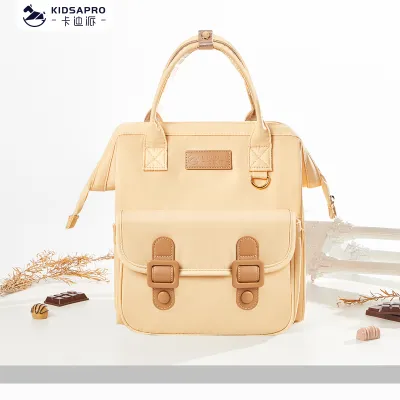
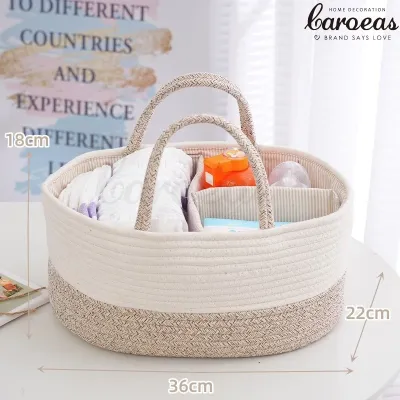
Prices are valid at publication and may change. Please refer to the product page for the latest price.
Here is a quick-reference checklist categorized by priority to help you pack efficiently:
- Documents: Baby's immunization card or EPI booklet, pediatrician's contact details, clinic appointment card, health insurance or HMO cards, and a black ink pen.
- Soothing Items: A lightweight muslin swaddle or receiving blanket, a pacifier (if your baby uses one), a small washable comfort toy, and a complete change of clothes for both the baby and yourself.
- Feeding & Care: A breathable nursing cover, pre-measured formula with sterilized bottles, an insulated thermos of warm water, burp cloths, and clean bibs.
- Diapering & Hygiene: Three to four diapers, travel-sized baby wipes, a portable wipeable changing pad, hand sanitizer, and disinfecting wipes.
By keeping these items separated and easily accessible, you avoid the need to rummage through unnecessary clutter while holding a crying baby. This basic framework balances administrative needs with physical comfort, ensuring a smoother workflow from the moment you check in at the reception desk to the moment you head home.
Essential Documents and Health Records
The administrative portion of a vaccination visit is often the most critical step, as missing paperwork can result in delayed appointments or rescheduled vaccines. Unlike a standard trip to the park, an immunization visit requires specific medical records that track your baby’s developmental milestones and vaccine history. Keeping these documents organized in a dedicated folder or pouch within your bag is the best way to prevent administrative headaches.

The absolute most critical item in your vaccination bag is your baby’s immunization card, often referred to as the Expanded Program on Immunization (EPI) booklet or baby health book. This card serves as the permanent medical record of your child’s vaccine history, showing which doses have been administered and when the next ones are due. Pediatricians and health center staff must review this record before administering any new doses to ensure proper spacing and safety.
In addition to the immunization card, always pack your pediatrician’s contact information and the clinic appointment card. If you are visiting a private clinic or hospital, remember to bring your health insurance or HMO cards, along with any pre-authorization forms required by your provider. Because health cards for newborns are sometimes still in the process of being issued, carrying the mother’s or principal member’s insurance details, along with the baby’s birth certificate copy, is a smart backup plan.
Finally, do not forget to slip a reliable black ink pen into your document pouch. Clinic waiting rooms often require parents to fill out health declaration sheets, consent forms, or growth chart updates before seeing the doctor. Utilizing your own pen is not only a faster way to complete these forms without waiting for clinic staff to find one, but it is also a highly effective way to maintain personal hand hygiene in a high-traffic clinical setting.
Comfort and Soothing Items for the Clinic
Receiving an injection is a stressful sensory experience for a baby, making comfort and soothing items indispensable. Medical clinics can also present challenging physical environments, often transitioning from hot, humid outdoor weather to heavily air-conditioned waiting rooms. Preparing for these temperature shifts and planning for immediate post-shot distraction will help soothe your baby’s nervous system quickly.
A lightweight receiving blanket or muslin swaddle is one of the most versatile comfort items you can pack. In cool, air-conditioned waiting rooms, it serves as a cozy layer to keep your baby warm and relaxed. During the actual immunization, a swaddle can be used to gently secure your baby’s arms, preventing sudden movements and allowing the healthcare provider to administer the injection safely and quickly. Afterward, wrapping your baby closely in a familiar blanket provides a comforting sense of security.
Familiar soothing tools are excellent for distracting a baby immediately after the shot. If your baby uses a pacifier, pack a clean one in a protective case, along with a spare in case one drops on the clinic floor. For older babies, a small, easy-to-clean comfort toy, such as a silicone teething ring or a smooth plastic rattle, can provide a helpful sensory distraction. Avoid plush toys or fabric dolls for clinic visits, as these materials can easily absorb environmental germs and are difficult to sanitize on the go.
Always pack at least one full change of clothes for your baby, opting for outfits with simple snap buttons or zippers that allow easy access to the thighs or upper arms. This design prevents you from having to fully undress a nervous or crying baby during the appointment. Additionally, remember to pack a spare top for yourself. A distressed baby may sweat, spit up, or have an unexpected diaper leak while being held closely for comfort during or after the injection, making a fresh shirt a welcome relief for the journey home.
Post-Vaccination Feeding and Care Supplies
Feeding your baby immediately after their immunization is one of the most effective ways to soothe them, as the physical act of sucking provides immediate comfort and helps lower their heart rate. Whether you breastfeed or formula-feed, having your supplies organized and ready to use without delay is essential for managing post-shot fussiness.
For breastfeeding mothers, packing a lightweight, breathable nursing cover is highly recommended. Clinic waiting areas can be crowded, and having a cover allows you to breastfeed comfortably and privately wherever a seat is available. The familiar closeness of nursing, combined with the skin-to-skin contact, acts as a natural pain reliever and helps calm your baby down rapidly after the injection.
If you are formula-feeding, preparation is key to avoiding delays when your baby is crying. Pack pre-portioned formula powder in a dry dispenser, sterilized feeding bottles, and a reliable insulated thermos filled with warm water. Always test the temperature of the water on your wrist before mixing the bottle to ensure it is safe and will not burn your baby’s mouth. Having these components pre-measured allows you to prepare a warm bottle in seconds, right in the waiting room.
Be sure to pack several clean burp cloths and bibs to handle any spit-up or drool during feeding. Feeding a baby who is still slightly upset from their shot can sometimes lead to air swallowing, which increases the likelihood of spit-up afterward. Keeping these cloth supplies easily accessible at the top of your bag ensures you can clean up quickly and keep both your baby’s and your own clothing clean.
When it comes to post-vaccination care, safety boundaries regarding medication are incredibly important. Caregivers should never pre-medicate their baby or administer infant paracetamol or other fever reducers before the clinic visit unless explicitly directed by their pediatrician. Pre-medicating can mask early symptoms of other health issues or potentially interfere with the baby’s natural immune response to the vaccine. Always rely on the specific post-vaccine instruction sheet provided by your clinic, and consult your pediatrician for the correct dosage, which must be calculated based on your baby’s current weight and exact temperature.
Diapering and Hygiene Basics for Clinical Settings
Maintaining strict hygiene is a top priority during a clinic visit, as medical waiting rooms are shared by many children who may be visiting for various illnesses. Having a dedicated set of diapering and sanitizing supplies allows you to care for your baby comfortably while protecting them from exposure to environmental germs on shared clinical surfaces.
Your diapering kit should include enough diapers to cover your expected waiting and travel time, plus at least two extra diapers to account for unexpected delays or nervous diaper blowouts. Pair these with a travel-sized pack of gentle baby wipes and a small tube of diaper rash cream. Because stress and changes in routine can sometimes affect a baby’s digestion, being over-prepared for diaper changes is always the safest approach.
A portable, wipeable changing pad is an absolute necessity for clinical settings. Public or clinic changing tables are high-traffic areas that may not be thoroughly sanitized between uses. Laying down your own clean, waterproof changing pad creates a safe, hygienic barrier for your baby. Choose a pad that can be folded easily with one hand and has a smooth surface that is simple to wipe down with disinfectant after use.
To protect both yourself and your baby, pack a travel-sized hand sanitizer containing at least 60% alcohol, along with a pack of disinfecting wipes. Use the hand sanitizer before and after every diaper change, and before feeding your baby. Disinfecting wipes are incredibly useful for cleaning high-touch surfaces, such as the armrests of waiting room chairs, clinic table edges, or the changing station before you lay down your portable pad. Taking these quick precautions significantly reduces the transfer of unwanted germs.
Smart Packing Tips for a Stress-Free Clinic Visit
Organizing your vaccination bag efficiently can make a massive difference in how smoothly your appointment goes. When you are holding a squirming, upset baby, you do not want to spend minutes digging through a disorganized bag to find a single item. Simple packing strategies can minimize your physical strain and mental load during the visit.
Utilizing small pouches, wet bags, or packing cubes is the best way to keep your bag organized. You can dedicate one color-coded pouch for all essential health documents, another for diapering essentials, and a separate waterproof wet bag for soiled clothes or burp cloths. This modular approach allows you to pull out exactly what you need with one hand, leaving your other arm free to support and comfort your baby.
Keep your bag as lightweight as possible by leaving non-essential items at home. It can be tempting to pack multiple toys, heavy books, or excess baby gear, but a heavy bag will quickly cause physical fatigue, especially if you are managing the appointment alone without a stroller. Focus strictly on the essentials listed in your checklist, ensuring that every item in your bag serves a specific, immediate purpose for the immunization visit.
Finally, remember that you do not need to purchase a specialized, expensive product marketed specifically as a “vaccination bag.” You can easily convert your daily diaper bag or backpack into a highly efficient vaccination bag. Simply empty out the general items you use for casual outings, and swap in your dedicated document pouch, extra sanitizing wipes, and specific comforting swaddles. This keeps your routine familiar while ensuring your gear is perfectly customized for a successful, stress-free clinic visit.
Frequently Asked Questions (FAQ)
Should I give my baby pain reliever before the vaccine?
No, you should not give your baby paracetamol or any other pain reliever before their immunization unless your pediatrician has explicitly instructed you to do so. Pediatricians prefer to assess your baby’s baseline temperature and natural physical state before administering vaccines. Additionally, giving preventive medication is unnecessary and can potentially mask early signs of other underlying conditions or alter the body’s natural immune response to the vaccine.
What if my baby develops a fever after the immunization?
It is common for babies to experience mild post-vaccination reactions, such as a low-grade fever, slight redness or swelling at the injection site, mild fussiness, or temporary sleepiness. These are normal signs that your baby’s immune system is actively building protection. Always refer to the specific post-vaccine instruction sheet provided by your clinic for guidance.
If your baby develops a high fever, cries inconsolably for more than three hours, exhibits extreme lethargy, or shows any signs of an allergic reaction such as facial swelling or difficulty breathing, seek immediate medical attention. Always consult your pediatrician before administering any fever-reducing medication to ensure you are giving the correct dosage based on your baby’s current weight.
Community discussion
Share your experience or ask a question. Comments are reviewed before publication.