
As your baby transitions from crawling to pulling themselves up, the sharp corners of coffee tables, TV consoles, and dining tables become immediate hazards. Silicone table edge protectors offer a soft, impact-absorbing barrier to help prevent painful bumps and bruises. However, choosing the right protector involves more than just picking the first option you see online. To ensure effective baby-proofing, you must evaluate material safety, adhesive durability under local climate conditions, and how well the protector matches your specific furniture.
While these safety accessories provide excellent peace of mind, they are designed to support, not replace, active adult supervision. Taking the time to select high-quality materials and install them correctly ensures your home remains a secure environment for your little explorer.
Quick Checklist: What to Verify Before You Buy
Before purchasing any edge protectors, running through a quick verification checklist can save you time and prevent product failures. Keep these essential factors in mind as you browse your options:
Products mentioned in this guide
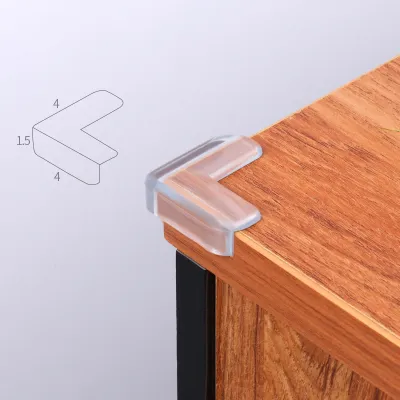
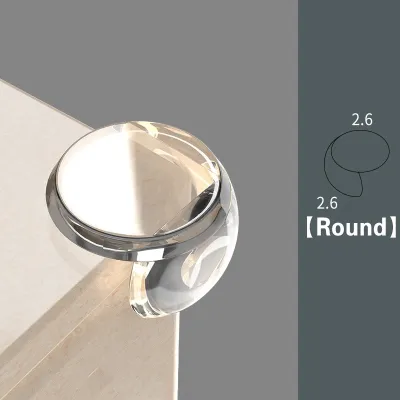
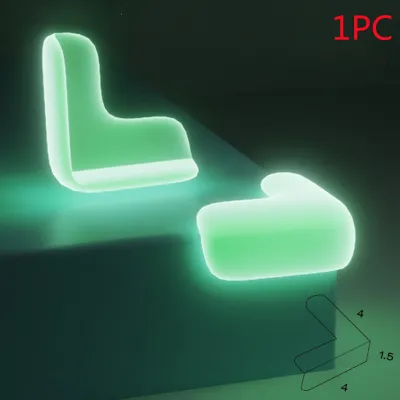
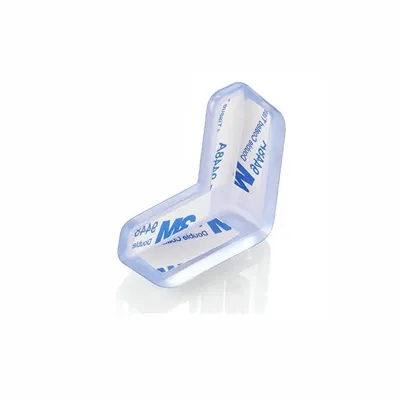
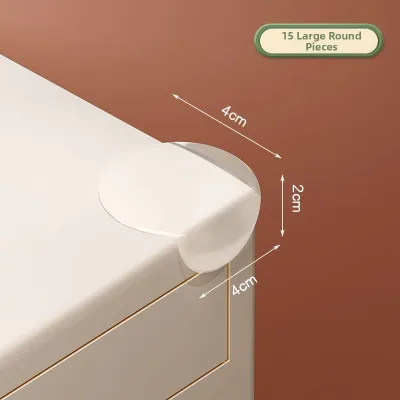
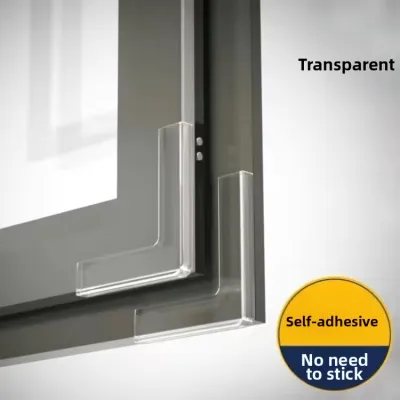
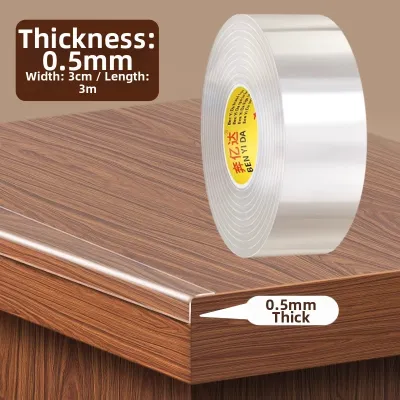
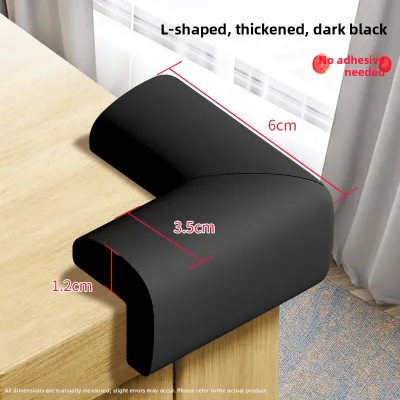
Prices are valid at publication and may change. Please refer to the product page for the latest price.
- Material Composition: Verify that the product is made of food-grade silicone, free from harmful chemicals, and rated for baby use.
- Adhesive Compatibility: Check if the included adhesive is suitable for your furniture's surface (wood, glass, or metal) and can withstand high humidity.
- Dimensions and Profile: Measure your table's edge thickness and shape to choose between L-shaped, U-shaped, or flat strip designs.
- Coverage Plan: Calculate the total length needed and determine if you require pre-molded corner guards in addition to edge strips.
Assessing Your Furniture and Baby-Proofing Needs
Every home has a unique layout, and baby-proofing requirements change as your child grows. When babies begin to crawl, low-lying surfaces like coffee tables and media units pose the greatest risk. Once they start cruising and walking, taller dining tables and kitchen countertops become the primary concern. Walk through your living spaces to identify sharp edges that align with your baby’s current height and head level.

Accurate measurement is crucial before making a purchase. Use a flexible measuring tape to determine the length of each exposed edge you plan to cover. Do not forget to count the corners. While some edge protectors can be bent around corners, using dedicated, pre-molded corner pieces often provides a cleaner fit and reduces the risk of the protector peeling away at the joints.
Matching the protector’s shape to your furniture profile ensures both safety and durability. L-shaped protectors are ideal for standard right-angle edges, covering both the top and the side of the table. U-shaped protectors wrap around the top, edge, and bottom, making them excellent for thin glass tables or metal frames. Flat strips work best on wide, rounded edges where a traditional angled protector would not sit flush.
Evaluating Material Safety and Adhesive Strength
When buying baby-proofing gear, material safety is paramount. Because infants explore their world with their mouths, they may attempt to bite or chew on edge protectors. Always inspect the manufacturer’s packaging or product listings for clear material specifications. Look for labels indicating food-grade silicone, which is naturally non-toxic and free from BPA, phthalates, and heavy metals. Verify any listed safety standards or age-grade suitability ratings provided by the manufacturer.
Silicone quality varies significantly across products. High-density silicone offers superior impact absorption and resists tearing when subjected to tiny teeth. When reading product descriptions and user reviews, look for feedback regarding the material’s firmness and thickness. A protector that is too soft may bottom out upon impact, failing to cushion a fall, while one that is too thin may degrade quickly under daily wear.
The adhesive is what keeps the protector in place, and its performance is highly dependent on your environment. In tropical climates, high humidity and warmth can cause low-quality adhesives to soften and slide off. Look for reputable double-sided tapes or acrylic gel adhesives that specify heat and moisture resistance. Always check the manufacturer’s compatibility warnings; some adhesives can strip the finish off delicate solid wood or leave stubborn residue on tempered glass.
Installation, Maintenance, and When to Replace
Proper installation is key to ensuring the protector stays firmly attached. Begin by thoroughly cleaning the furniture surface to remove dust, grease, and fingerprints. Use a mild soap solution or rubbing alcohol, ensuring the surface is completely dry before applying the adhesive. Press the protector down firmly along its entire length and allow the adhesive to cure for the manufacturer-recommended time—often 24 hours—before letting your baby near it.
Maintaining hygiene is essential, especially since dust and spilled food can accumulate around the edges of the protector. Wipe down the silicone regularly with a damp cloth and mild, baby-safe soap. Avoid harsh chemical cleaners or abrasive scrubbing pads, which can degrade the silicone surface or seep underneath, weakening the adhesive bond.
No baby-proofing solution lasts forever. Regularly inspect the edge protectors for signs of wear and tear. Look for peeling corners, cracks in the silicone, or loose sections. If a protector becomes partially detached, it not only loses its protective function but also becomes a serious choking hazard if the baby manages to pull off a piece. Replace any damaged or loose protectors immediately to maintain a safe environment.
Frequently Asked Questions (FAQ)
Can silicone edge protectors be reused on different furniture?
Generally, the adhesive backing on silicone edge protectors is designed for single-use application. Once removed, the adhesive loses its bonding strength and will not secure the protector safely to a new surface. Attempting to reuse them with old adhesive increases the risk of the protector falling off or being pulled loose by a child. If you must move a high-quality silicone strip to another table, you should completely clean off the old adhesive residue and apply fresh, heavy-duty double-sided tape recommended by the manufacturer.
How do I remove silicone protectors without damaging wood or glass?
To remove silicone protectors safely, use a hair dryer on a low, warm setting to gently heat the adhesive underneath. This softens the bond, allowing you to peel the protector away slowly. For any remaining residue, apply a small amount of baby oil or a mild adhesive remover to a cloth and gently rub the area. Always test any removal solution or heat application on a hidden spot of your furniture first to ensure it does not damage the wood finish, paint, or glass coating.
Are clear silicone protectors better than colored ones?
The choice between clear and colored silicone protectors depends on your aesthetic preferences and safety goals. Clear protectors blend seamlessly with glass or light wood, keeping your home’s decor intact and making the safety gear less noticeable to curious toddlers who might be tempted to pull at it. However, clear silicone can sometimes yellow over time when exposed to sunlight. Colored protectors can match specific wood tones or dark metal frames, and their high visibility can also serve as a visual cue for walking toddlers to avoid sharp corners.
Community discussion
Share your experience or ask a question. Comments are reviewed before publication.