
A cesarean delivery (C-section) is a major abdominal surgery that requires a careful, supportive recovery process. As you navigate the physical demands of caring for your newborn while healing, finding the right support can make a significant difference in your daily comfort. Specialized binders for cesarean recovery help stabilize the abdomen, protect the surgical incision, and reduce pain during movement. However, choosing the wrong binder can lead to skin irritation, excessive pressure, or restricted breathing, which can hinder your recovery. To find an effective and comfortable binder, you must look for soft, moisture-wicking materials suitable for warm climates, adjustable compression zones, and secure, flat closures that do not rub against your healing scar.
Understanding the Role of Binders in Cesarean Recovery
During a C-section, multiple layers of tissue, including the abdominal wall, are affected. In the weeks following surgery, your core muscles are temporarily weakened, making simple movements like sitting up, standing, or coughing feel challenging and painful. A post-cesarean binder acts as an external support system, gently holding the abdominal tissues in place. This stabilization helps reduce the micro-movements that pull on your incision, significantly lowering pain levels and giving you a greater sense of physical security as you move around.
Beyond incision protection, these binders provide valuable postural support. Many new mothers experience lower back pain due to shifted posture during pregnancy and the physical strain of holding and feeding a baby. By supporting your abdominal wall, a binder helps distribute your body weight more evenly, reducing the burden on your lower back muscles. This can make breastfeeding or bottle-feeding sessions much more comfortable.
Products mentioned in this guide
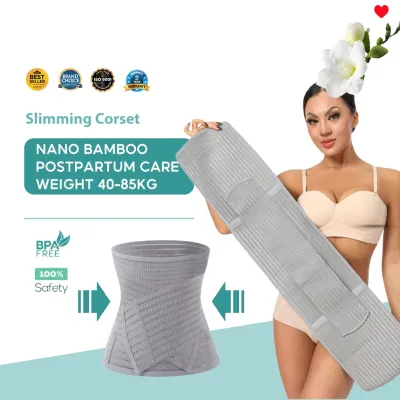
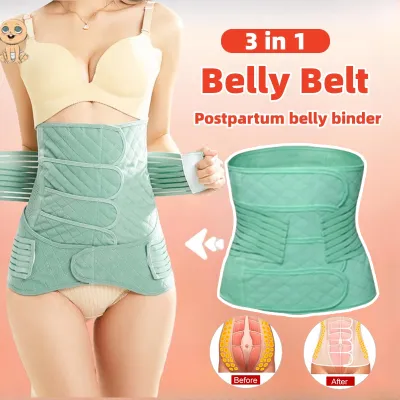
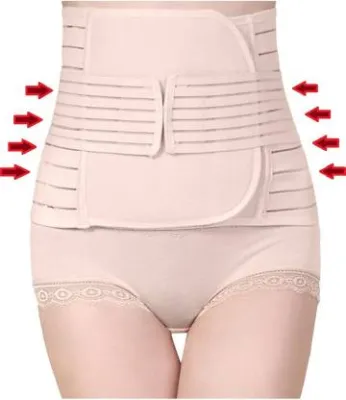
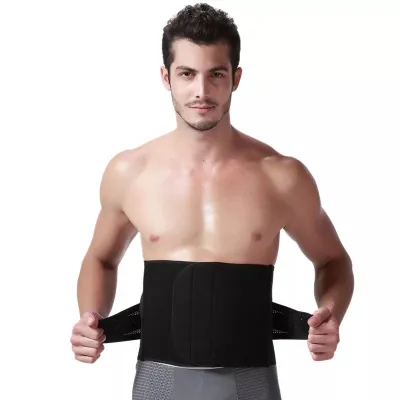
Prices are valid at publication and may change. Please refer to the product page for the latest price.
It is crucial to understand that a recovery binder is designed purely as a supportive rehabilitation tool, not a weight-loss or waist-slimming device. Using compression garments to force the body back into a pre-pregnancy shape too quickly can place dangerous pressure on your internal organs and pelvic floor. The goal of a postpartum binder is to assist your body’s natural healing process, not to compress it excessively.
Before purchasing or wearing any compression garment after a C-section, you must obtain explicit medical clearance from your obstetrician or healthcare provider. Every recovery journey is unique, and your doctor will evaluate your incision’s healing progress, overall health, and any potential risks before confirming that a binder is safe for you to use.
Essential Features to Evaluate in a Post-Cesarean Binder
Selecting a high-quality postpartum binder requires looking beyond aesthetics or general sizing. Because the garment sits directly over or near a healing surgical wound, every design element—from the weave of the fabric to the placement of the straps—impacts your comfort, safety, and recovery speed. Carefully evaluating specific features on product labels and manufacturer descriptions ensures you select a supportive, safe garment.

Breathable and Skin-Friendly Materials
The climate in the Philippines is characterized by high temperatures and intense humidity, which can make wearing close-fitting garments uncomfortable. For a postpartum mother, trapped heat and sweat near a surgical incision create a breeding ground for bacteria and yeast, significantly increasing the risk of wound infection or skin dermatitis. Therefore, the material of your binder is one of the most critical factors to consider.
Look for binders made from moisture-wicking, hypoallergenic, and highly breathable fabrics. Cotton blends and medical-grade mesh are excellent options because they allow air to circulate freely, keeping the skin dry and cool. Avoid rigid, non-porous synthetic materials that trap moisture. Additionally, inspect the garment for rough seams or internal plastic boning that could press into your skin or rub against your lower abdomen.
Hygiene is paramount during the early postpartum weeks, as you will be dealing with postpartum bleeding (lochia) and increased sweating. Check the care labels to ensure the binder is machine-washable. Having a binder that is easy to wash and quick to dry allows you to maintain a clean environment around your incision without hassle.
Adjustable Compression and Support Zones
Your body changes rapidly in the weeks following childbirth. As swelling decreases and your uterus shrinks back to its normal size, a binder with a fixed level of tightness will quickly become either too loose to provide support or too tight to wear comfortably. This is why adjustable compression is a non-negotiable feature for post-cesarean recovery.
Choose a binder that features graduated compression or independent support panels. These designs allow you to customize the level of tension across different areas of your torso. Ideally, you want gentle, upward support under the lower abdomen to lift pressure off your incision, paired with a firm but comfortable wrap around your midsection. The binder should never apply harsh, downward pressure that pushes your organs toward your pelvic floor.
While the binder must feel supportive, it should never restrict your normal bodily functions. If you find it difficult to take a deep breath, feel restricted when digesting meals, or experience any tingling or numbness, the compression is too high. A good binder should feel like a firm, reassuring hug rather than a restrictive corset.
Secure and Easy-to-Use Closures
In the early days after a C-section, your mobility will be limited. Bending over, twisting, or applying significant force with your hands can be painful and may strain your incision. The closure mechanism of your binder determines how easy it is to put on, adjust, and remove throughout the day, especially during frequent bathroom visits.
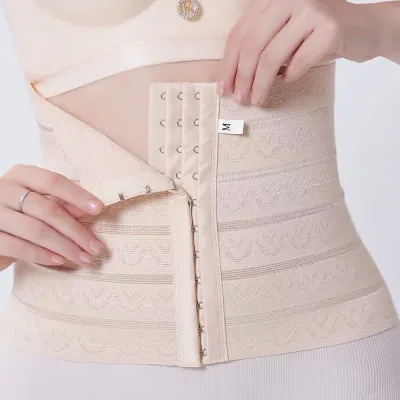
There are three common closure types available on the market: hook-and-eye closures, Velcro (hook-and-loop) straps, and zippers. For the immediate postpartum phase, wide Velcro closures or multi-row hook-and-eye systems are highly recommended. Velcro offers the highest level of adjustability, allowing you to loosen or tighten the band in seconds, whether you are sitting down to feed your baby or standing up to walk.
Be cautious of binders with thin, sharp, or poorly covered closures. Low-quality Velcro or exposed zippers can easily snag your clothing, dig into your skin when you sit, or scratch the sensitive skin around your incision. Look for designs where the closures are fully lined or padded to prevent any direct contact with your skin.
Comparing Common Binder Designs for Your Recovery Stage
Postpartum binders come in various styles, each suited for different phases of your recovery journey. Understanding the differences between these designs helps you choose the right product for your current healing stage.
| Design Type | Best For (Recovery Stage) | Key Advantages | Limitations | Adjustability Level |
|---|---|---|---|---|
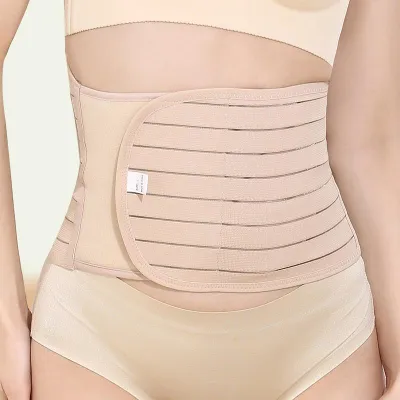
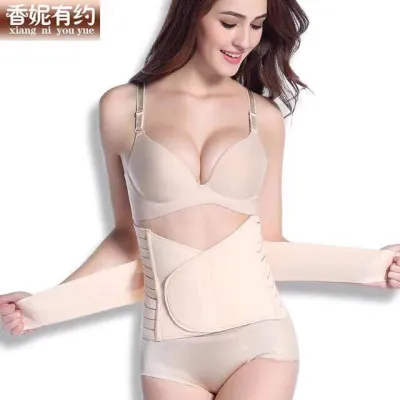
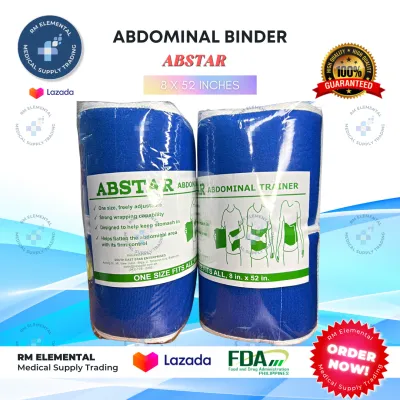
| Wrap-Around Abdominal Belts | Early postpartum (Weeks 1 to 6) | Highly adjustable; easy to put on while lying down; does not rub against the pelvic floor. | Can sometimes roll or bunch up at the waist if not positioned correctly. | High (fully customizable Velcro panels) |
| Pull-On Compression Shorts / Girdles | Mid-to-late recovery (Week 6 onwards, after incision is fully closed) | Seamless fit under clothing; provides continuous support to both abdomen and hips; stays in place. | Difficult to pull up over a fresh, tender incision; limited adjustability. | Low to Moderate (fixed fabric elasticity) |
| Full-Torso Postpartum Corsets | Late recovery (after full medical clearance) | Offers structured back and posture support; smooth silhouette. | Often too rigid for early healing; can restrict breathing if worn too tight. | Moderate (multi-row hook-and-eye closures) |
During the immediate postpartum period, wrap-around abdominal belts are generally the preferred choice. Because they can be fully opened and wrapped around your body, you do not have to step into them or pull them up over your legs, which prevents painful friction against your C-section scar. They also allow you to adjust the tightness easily as your swelling fluctuates throughout the day.
As your incision fully heals, your stitches are removed or dissolved, and your doctor clears you for more active movement, you may choose to transition to pull-on compression shorts or high-waisted girdles. These styles provide a smoother fit under daily clothing and do not shift or slide when you move, making them convenient for returning to light daily activities.
Full-torso postpartum corsets should be approached with caution. While they offer excellent back support, their rigid structure can be highly uncomfortable during early healing. They may also apply too much downward pressure on your pelvic floor or restrict your diaphragm, so they should only be worn during later recovery phases and with your doctor’s explicit approval.
How to Measure and Ensure the Right Fit
An ill-fitting binder is not only uncomfortable but can also compromise your recovery. If the binder is too tight, it can restrict blood flow and delay wound healing; if it is too loose, it will fail to provide the necessary support. Taking accurate measurements and checking the fit regularly is essential.
To find your correct size, always measure your waist and hips using a soft measuring tape, and compare your numbers directly to the specific manufacturer’s sizing chart. Do not rely on your pre-pregnancy clothing size or generic size labels (such as Small, Medium, or Large), as sizing standards vary widely between brands and regions. If you are purchasing a binder before your delivery, a common recommendation is to measure your belly circumference during your thirty-sixth week of pregnancy and subtract a few inches, or consult the brand’s specific guidance for pre-delivery purchases.
Once you put the binder on, use the “two-finger rule” to verify the tightness. Slide two fingers flat underneath the fabric of the binder near your abdomen. If you cannot slide your fingers in easily, the binder is too tight and should be loosened. If there is a large gap and the fabric feels loose against your skin, it is too loose to provide effective compression.
Proper positioning is also key to avoiding discomfort. The binder should generally start just below your bustline and extend down to your upper hips, fully covering your lower abdomen and incision site. If the binder is placed too high, it will roll down and dig into your ribs; if it is placed too low, it can press downward on your pelvic floor, which can exacerbate postpartum pelvic floor weakness. Re-evaluate the fit of your binder at least once a week, adjusting the straps or switching to a smaller size as your postpartum swelling naturally subsides.
Safety Boundaries and When to Consult Your Doctor
While binders are incredibly helpful tools, they must be used with care and moderation. They are designed to support your muscles temporarily as they heal, not to take over their job permanently. Overusing a binder can lead to muscle weakness, as your core muscles may begin to rely on the external support rather than rebuilding their own strength.
To prevent muscle dependency and skin irritation, do not wear your binder 24/7. It is highly recommended to remove the binder while you sleep to allow your skin to breathe and your muscles to rest. Limit your daily wear to the hours when you are most active—such as when you are walking, holding your baby, or doing light household chores—and keep the total wear time to the limit recommended by your doctor, which is typically between 8 to 12 hours per day.
You must monitor your body closely for any signs of complications. Remove the binder immediately and contact your obstetrician or healthcare provider if you experience any of the following red flag symptoms:
- Increased or sharp pain around your incision or within your abdomen
- Redness, warmth, swelling, or foul-smelling discharge from the C-section wound
- Numbness, tingling, or a pins-and-needles sensation in your legs or pelvic area
- Shortness of breath, dizziness, or difficulty taking deep, comfortable breaths
Remember that a postpartum binder is strictly a temporary, passive support tool. It does not replace the active rehabilitation needed to restore your core and pelvic floor strength. Once your incision has healed and you have received clearance from your doctor, incorporating gentle postpartum exercises or working with a pelvic floor physical therapist will provide the long-term strength and stability your body needs for full recovery. Always prioritize your doctor’s specific post-operative instructions above any general guidelines.
Community discussion
Share your experience or ask a question. Comments are reviewed before publication.