
Choosing a shark blanket for your child involves balancing playful design with practical comfort, safety, and durability. While the whimsical appeal of shark fins and teeth makes these blankets an instant favorite for playtime and bedtime, parents must look beyond the visual charm to evaluate the underlying quality. In a tropical climate like the Philippines, where high humidity and warm temperatures are constant factors, selecting the right fabric, size, and construction is essential to keep your child comfortable without overheating. A well-chosen blanket should offer a soft touch against sensitive skin, withstand frequent laundering, and remain completely free of safety hazards.
To make an informed decision, you need to assess the material composition, check for potential choking hazards, verify the sizing against your child’s bed, and understand the safety implications of wearable or hooded designs. This guide provides a comprehensive framework to help you evaluate these factors, ensuring that your purchase is both a delightful toy and a safe, functional piece of bedding.
Material and Safety Standards for Kids' Bedding
The fabric of your child’s bedding directly impacts their skin health, sleep quality, and overall comfort. When shopping for a shark blanket, the material should be your primary consideration, especially since children have more sensitive skin than adults and are more prone to irritation from synthetic dyes or rough fibers.
Products mentioned in this guide
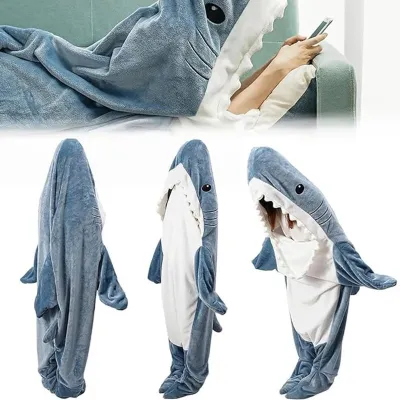
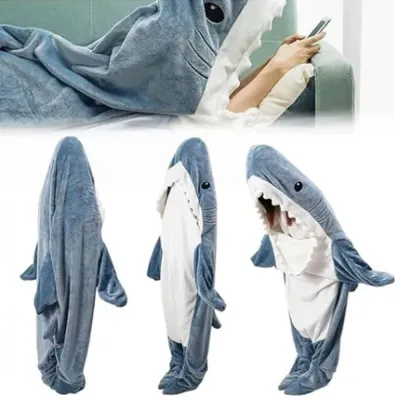
![[Hot Sale]Shark Tail Blanket Wearable Cosplay Hooded Loungewear Animal Shark Sleeping Bag Blanket Hoodie Sleep Dress Blanket](https://img.lazcdn.com/g/p/bf4e665f3676d11fffd8232424775ad6.jpg_400x400q80.jpg_.webp)
Prices are valid at publication and may change. Please refer to the product page for the latest price.
Cotton remains a premier choice for children’s bedding due to its natural breathability and exceptional softness. It allows air to circulate freely, which helps regulate body temperature and wick away sweat during warm tropical nights. If you choose a cotton shark blanket, look for options made from long-staple cotton, which offers superior durability and becomes softer with every wash. However, cotton blankets can sometimes be prone to shrinkage if not laundered correctly, so verifying the care instructions is crucial.
Microfiber is a popular synthetic alternative known for its affordability, lightweight feel, and resistance to wrinkles. It is made from finely woven synthetic fibers, usually polyester, which can mimic the softness of natural materials. While microfiber is highly durable and dries quickly after washing, it lacks the natural breathability of cotton. In a warm environment, a dense microfiber blanket might trap heat, making it more suitable for air-conditioned bedrooms rather than naturally ventilated spaces.
Fleece, including flannel fleece and polar fleece, is frequently used for shark blankets, particularly wearable “sleeping bag” styles, because of its plush, velvety texture. Fleece is excellent for providing warmth and cozy comfort, making it ideal for cooler rainy days or heavily air-conditioned rooms. However, because fleece is typically made from polyester, it can trap moisture and heat if the room temperature rises. Parents should look for lightweight, low-pile fleece options that provide the desired softness without excessive bulk.
Beyond the fabric type, safety checks are paramount when selecting bedding for children. Inspect the blanket closely for any small, detachable parts that could pose a choking hazard. Many shark blankets feature decorative elements like plastic eyes, felt teeth, or 3D fins. Ensure these components are securely stitched onto the main fabric rather than glued or loosely attached. Avoid blankets with loose sequins, beads, or dangling threads that a curious toddler could pull off and swallow.
Always check the manufacturer’s care labels and age recommendations before purchasing. Bedding designed for older children may not be safe for infants or toddlers. Manufacturers often specify age limits on packaging, particularly for wearable blankets or designs with heavy hoods. For infants, standard safe sleep guidelines recommend keeping the sleep environment free of loose blankets entirely, so any shark-themed bedding for babies should be reserved for supervised awake time or strictly follow pediatric safety recommendations.
Sizing, Weight, and Construction Details
Selecting the correct dimensions and weight for a shark blanket ensures that it fits your child’s sleeping space properly and does not pose a physical hazard or cause discomfort during the night. A blanket that is too large can bunch up and create a suffocation risk, while one that is too small will fail to keep your child covered.

When matching blanket dimensions to standard beds in the Philippines, it is helpful to know the typical measurements. A standard crib mattress usually measures around 28 by 52 inches (approximately 71 by 132 centimeters), requiring a small, lightweight receiving or swaddle blanket if used under direct supervision. For toddlers transitioning to a toddler bed, a blanket measuring roughly 40 by 60 inches (102 by 152 centimeters) provides adequate coverage without excess fabric dragging on the floor. If your child sleeps in a single bed, a standard single blanket of approximately 60 by 80 inches (152 by 203 centimeters) is the appropriate choice.
The construction quality of the blanket determines how well it will survive the rigors of daily childhood use and frequent trips to the washing machine. Examine the stitching along the edges; look for double-stitched seams or reinforced edge binding. Satin borders or blanket-stitched edges not only prevent fraying but also provide a comforting tactile experience for young children. Weak or single-row stitching can easily unravel under the strain of active play, leading to loose threads that can wrap around a child’s fingers or toes.
Blanket weight and thermal properties must be carefully balanced against the local climate. In the Philippines, where daytime temperatures are high and nighttime temperatures can vary depending on the use of air conditioning, a versatile blanket is essential. A heavy, thick quilt may cause your child to wake up drenched in sweat, leading to heat rash or disrupted sleep. Instead, opt for a lightweight, breathable weave or a multi-layered muslin blanket that offers a comforting weight without trapping excessive heat. If your child’s room is consistently air-conditioned, a medium-weight fleece or a quilted cotton blanket can provide the necessary warmth to keep them cozy throughout the night.
Shark Designs, Hoods, and Interactive Features
The design of a shark blanket is what makes it exciting for a child, turning a routine bedtime into an imaginative adventure. However, parents must evaluate these interactive features to ensure they do not compromise safety or sleep quality.
Wearable shark blankets, which often feature a hood shaped like a shark’s head and a body that tapers into a tail fin, are highly popular for lounging and playtime. While these designs are excellent for older children during supervised relaxation, they are not suitable for unsupervised sleep, especially for infants and younger toddlers. Hoods can easily slip down over a child’s face during sleep, obstructing their airway. If you purchase a hooded shark blanket, ensure it is used primarily as a robe or loungewear during waking hours, and transition your child to a standard, hoodless blanket when it is time to sleep.
Print durability and colorfastness are critical for maintaining the blanket’s appearance over time. Children’s bedding requires frequent washing to remove sweat, spills, and dirt. Low-quality prints can crack, peel, or fade after just a few cycles, ruining the shark design and potentially releasing small flakes of plastic print material. Look for blankets that use water-based, non-toxic dyes that are chemically bonded to the fabric fibers rather than thick, plasticized screen prints that sit on top of the fabric. This ensures the design remains vibrant and soft to the touch.
Avoid shark blankets with overly bulky or rigid 3D elements. While a large, stiff dorsal fin or thick stuffed teeth might look impressive on a store shelf, they can make the blanket uncomfortable to lie on. Rigid elements can press into a child’s back or side, disrupting their sleep posture and causing physical discomfort. Opt for designs where the 3D features are made from soft, pliable fabrics that flatten easily under pressure, allowing the blanket to drape naturally over your child’s body.
Building Your Shortlist and Verifying Quality Before Purchase
When you are ready to buy, creating a systematic approach to compare different shark blankets will help you find the best value for your money while prioritizing your child’s safety and comfort.
Start by browsing reputable e-commerce platforms or visiting local department stores, and cross-reference product descriptions with actual buyer reviews. Pay close attention to feedback regarding fabric shrinkage, pilling, and color bleeding. If multiple reviews mention that the blanket shrank significantly after a cold wash or that the blue dye bled onto other clothes, it is a strong indicator of low-quality materials. Look for reviews from parents who have owned the blanket for several months to gauge its long-term durability.
Establish a realistic budget in ₱ that reflects the quality of the materials. While it can be tempting to opt for the cheapest option available online, extremely low-priced blankets often compromise on fabric safety, stitching quality, and print durability. A moderately priced blanket made from certified safe materials and robust construction will offer a much lower cost per use over time, as it will not need to be replaced after a few washes. Consider the purchase as an investment in your child’s sleep comfort and safety.
Once your chosen shark blanket is delivered or purchased from a physical store, perform a thorough quality inspection before letting your child use it. Check the physical tags for fiber content and care instructions, ensuring they match the product description. Inspect every seam and edge for loose threads, skipped stitches, or weak spots. Gently tug on any 3D elements, such as fins or teeth, to verify they are securely attached. Finally, smell the blanket; a strong chemical odor indicates the presence of residual dyes or finishing agents. If you detect a harsh smell, wash the blanket thoroughly before use, or return it if the odor persists, as these chemicals can irritate your child’s respiratory system and skin.
Frequently Asked Questions (FAQ)
Are hooded shark blankets safe for infants to sleep in?
No, hooded shark blankets are not safe for infants to sleep in. Safe sleep guidelines for infants emphasize that the sleep environment should be free of loose bedding, pillows, and toys to prevent suffocation, strangulation, and sudden infant death syndrome (SIDS). A hood can easily slide over an infant’s face, blocking their nose and mouth, while the excess fabric of a loose blanket poses a significant entanglement hazard. For infants, wearable sleep sacks without hoods or sleeves are the recommended choice for keeping them warm. Hooded shark blankets should be reserved strictly for supervised playtime or lounging for older toddlers and children who have the motor skills to adjust the fabric if it covers their face.
How should I wash a shark blanket to prevent shrinking or fading?
To preserve the softness, shape, and vibrant colors of a shark blanket, always refer to the manufacturer’s care label first. As a general rule, wash the blanket in cold water on a gentle or delicate cycle using a mild, baby-safe detergent. Cold water helps prevent the fabric fibers from shrinking and keeps the dyes from bleeding or fading. Avoid using bleach or harsh fabric softeners, which can degrade the fibers and ruin the texture of fleece or microfiber. When drying, air drying out of direct sunlight is the gentlest option, especially in the warm Philippine climate. If you must use a dryer, select a low-heat or tumble-dry setting to protect the synthetic fibers and printed designs from heat damage.
Community discussion
Share your experience or ask a question. Comments are reviewed before publication.