
At two years old, your child’s developmental milestones bring significant changes to their daily routines, including how they self-soothe. If your toddler still relies on a pacifier, continuing to use their infant-sized soother can pose hidden risks to their oral development and physical safety. Finding a proper pacifier for 2 years old toddlers requires looking beyond cute colors and focusing on specific structural features, such as reinforced materials, wide dental-safe shields, and orthodontic nipple shapes that accommodate a growing jaw.
At this stage, a toddler’s bite force is remarkably stronger than it was just a year ago. They are no longer simply sucking for comfort; they are actively chewing, exploring textures, and testing the limits of their toys and soothers. Consequently, standard infant pacifiers are not built to withstand this level of wear and tear, making a transition to specialized toddler models essential.
In tropical climates like the Philippines, where high humidity can exacerbate skin irritation around the mouth, selecting the right design is even more critical. Saliva trapped behind a poorly ventilated shield can quickly lead to painful drool rashes, making structural ventilation holes a key comfort factor. Understanding what features to verify on the packaging will help you keep your toddler safe, comfortable, and developmentally on track.
Products mentioned in this guide
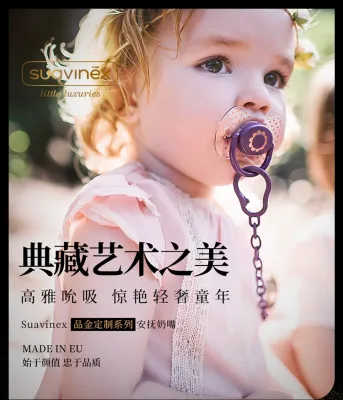
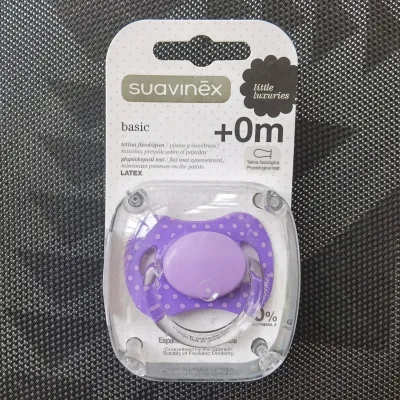
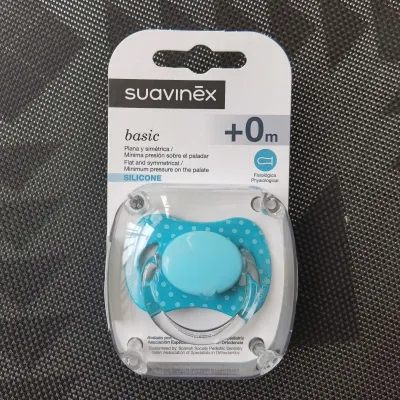
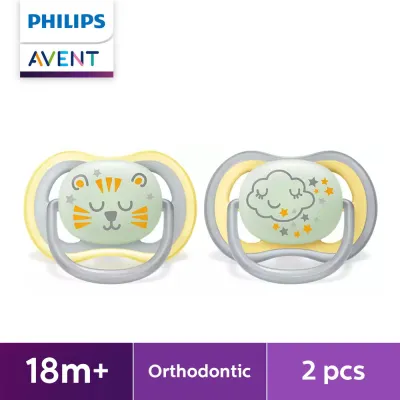
Prices are valid at publication and may change. Please refer to the product page for the latest price.
Why You Must Choose a Dedicated Pacifier for 2 Years Old Toddlers
As children reach their second birthday, their physical anatomy undergoes rapid changes. The jaw expands to accommodate emerging primary teeth, including the first set of molars, which significantly increases their biting pressure. Infant pacifiers are engineered with soft, thin silicone or latex designed for the gentle suction of a newborn, not the powerful jaw muscles of an active toddler. Using an undersized soother can result in the material tearing under the pressure of new teeth, presenting an immediate choking hazard if a piece breaks off in the mouth.
The physical size of the pacifier shield must scale alongside your child’s facial growth. An infant pacifier has a relatively small shield designed not to block a tiny baby’s nose. However, a two-year-old has a much wider mouth and stronger jaw coordination. If a toddler uses an infant-sized pacifier, they can easily pull or compress the entire shield past their lips and into their oral cavity, creating a severe choking hazard. Toddler-specific models feature significantly larger, wider shields that cannot be accidentally swallowed or drawn entirely into the mouth.
Prolonged use of an improperly sized pacifier can exert unnatural pressure on a toddler’s developing palate and dental arches. Because the bones of the mouth are still highly malleable at age two, a nipple that is too narrow or incorrectly shaped can cause the upper teeth to tip forward or result in the palate narrowing over time. This misalignment can lead to speech difficulties, chewing issues, and the development of open bites or crossbites. Selecting a pacifier specifically engineered to support the wider, flatter oral cavity of a toddler helps distribute sucking pressure more evenly across the gums and teeth.
To mitigate these risks, parents must systematically phase out infant pacifiers and look for products explicitly labeled for “18+ months” or “24+ months.” These age indicators are not arbitrary marketing suggestions; they signify that the product has undergone testing for structural integrity, material density, and shield dimensions appropriate for older children. Always verify the manufacturer’s age and safety guidelines on the packaging before purchase, as standards can vary between brands.
Essential Design Features to Check on the Label
When shopping for a pacifier for 2 years old toddlers, reading the packaging carefully is your first line of defense. Look past the aesthetic designs and focus on the technical specifications, material certifications, and physical dimensions detailed by the manufacturer.

Size and Shield Dimensions
The shield of a toddler pacifier must act as an effective physical barrier that cannot fit inside the child’s mouth under any circumstances. When evaluating a product, look for a shield that is wide, slightly curved to match the natural contour of a toddler’s face, and equipped with large ventilation holes. In the warm and humid climate of the Philippines, these ventilation ports are vital because they allow air to circulate freely, preventing sweat and saliva from pooling against the sensitive skin around the lips, which can cause painful chafing or yeast infections.
The length and volume of the pacifier nipple must match the deeper oral cavity of a two-year-old. If the nipple is too short, the toddler will have to exert extra suction force to keep it in place, which can fatigue their jaw muscles and put undue pressure on their front teeth. Conversely, a nipple that is too long can contact the soft palate at the back of the mouth, triggering a distressing gag reflex. A properly sized toddler pacifier rests comfortably against the hard palate, allowing for a relaxed, natural resting position.
Rather than relying on generic descriptions like “toddler size” or “stage 3,” always cross-reference the exact age and weight recommendations printed on the manufacturer’s packaging. Different brands utilize distinct sizing scales, and some “toddler” products may only be rated up to 18 months. Ensure the packaging explicitly states suitability for 18 to 36 months, or 24+ months, to guarantee that the shield and nipple dimensions conform to the safety requirements of a two-year-old.
Nipple Shape and Material Durability
The shape of the nipple plays a critical role in how it interacts with your child’s teeth and jaw. Orthodontic nipples feature a flattened bottom and a slightly rounded or angled top, designed to mimic the natural shape of a mother’s breast during feeding and adapt to the tongue’s natural movement. Symmetrical or cherry-shaped nipples are rounder and can be inserted in any direction, which some toddlers prefer for convenience. However, orthodontic designs are generally recommended for older toddlers because they minimize the vertical space between the upper and lower teeth, reducing the risk of dental misalignment.
For a two-year-old, material durability is paramount due to their sharp primary teeth. Medical-grade silicone is the preferred choice for this age group because it is significantly thicker, firmer, and more resistant to puncture and tearing than natural rubber latex. While latex is softer and more flexible, it degrades quickly when exposed to saliva, heat, and sunlight—common environmental factors in tropical regions. Thicker silicone maintains its structural integrity longer and is less likely to be bitten through by an active toddler.
Always check the product label for clear safety certifications, such as BPA-free, phthalate-free, and PVC-free designations. Because your child will have this item in their mouth for extended periods, verifying that the materials are non-toxic and food-grade is non-negotiable. Look for indicators of medical-grade or high-durability silicone on the packaging, which confirm that the material has been tested to withstand rigorous biting forces without releasing harmful chemical compounds.
Handle and Grip Design
At two years old, children are rapidly developing their fine motor skills and independence. A toddler pacifier should feature an ergonomic handle or pull-ring that is easy for small hands to grasp, allowing them to insert and remove the pacifier without assistance. This self-sufficiency supports their cognitive development and helps them manage their own soothing routines, particularly during transition times or when preparing for sleep.
While a functional handle is beneficial, it must not pose a safety risk. Avoid pacifiers with oversized, rigid handles that can easily catch on clothing, toy edges, or crib rails. If a toddler falls or moves abruptly while the handle is snagged, it could pull the pacifier forcefully, injuring their mouth or gums, or pose a strangulation risk if caught on loose bedding. Opt for low-profile, flexible rings that lay relatively flat against the shield when not in use.
The connection between the handle and the shield is a common point of mechanical failure. To prevent small parts from snapping off and becoming choking hazards, look for designs where the handle or ring is seamlessly integrated into the shield. Avoid pacifiers with complex multi-piece construction, decorative plastic charms, or small buttons attached to the front, as these can easily break loose under the force of a toddler’s vigorous pulling and throwing.
Best Pacifier Types for Active Toddlers
Not all toddler pacifiers are created equal; different styles cater to various daily activities, sleep patterns, and chewing habits. Understanding the distinct categories available on the market will help you select the most practical option for your family’s lifestyle.
Orthodontic Toddler Pacifiers
Orthodontic toddler pacifiers are specifically engineered to accommodate the natural growth of the oral cavity. The angled, flattened nipple shape allows the tongue to rest in its natural, forward position while supporting the natural curvature of the roof of the mouth. This design helps distribute the pressure generated during sucking away from the front teeth and gums, directing it more evenly across the palate.
Pediatric dentists frequently recommend orthodontic shapes for older toddlers who still use pacifiers, as they are designed to minimize the risk of developing an open bite—a condition where the front teeth do not meet when the mouth is closed—or a crossbite. By reducing the thickness of the nipple neck (the portion that rests between the front teeth), these pacifiers exert less outward force on the erupting teeth, helping to preserve natural dental alignment as your child approaches the age for weaning.
When purchasing an orthodontic pacifier, look for explicit “orthodontic” or “dental-approved” labeling on the packaging. Ensure that the age range specified is appropriate for a two-year-old (typically 18-36 months), as orthodontic pacifiers designed for infants will not provide the necessary resistance or size required to protect a toddler’s developing jaw structure.
One-Piece Silicone Pacifiers
One-piece silicone pacifiers feature a unibody construction molded entirely from a single piece of medical-grade silicone. This design completely eliminates the risk of the nipple detaching from the shield, which is a common hazard in traditional multi-piece pacifiers where the nipple is glued or snapped into a plastic base. For an active two-year-old with a strong bite, this seamless design offers the highest level of structural safety.
These durable soothers are ideal for daytime play, outdoor excursions, and travel. Because there are no crevices, joints, or seams between different materials, dirt, sand, and moisture cannot become trapped inside the pacifier. This makes them exceptionally hygienic and easy to rinse off quickly when dropped on the ground during a trip to the park or a family outing.
Despite their superior durability, one-piece silicone pacifiers are not completely indestructible. The constant friction from emerging molars can eventually cause micro-tears in the silicone. Parents should perform daily visual inspections, gently stretching the nipple in all directions to check for tiny cracks, punctures, or weakened areas, and discard the pacifier immediately if any wear is detected.
Night and Glow-in-the-Dark Pacifiers
Nighttime pacifiers often feature a specialized flat, button-like shield instead of a traditional protruding handle. This design is highly beneficial for toddlers who sleep on their side or stomach, as it prevents the pacifier from being pressed forcefully into their cheek or jaw if they roll over. The low-profile front also reduces the likelihood of the pacifier being accidentally knocked out of the mouth by blankets or a sleeping toy.
Finding a lost pacifier in the middle of the night can disrupt everyone’s sleep. Glow-in-the-dark pacifiers utilize a safe, light-absorbing material embedded in the shield that emits a soft, gentle glow in pitch-dark rooms. This allows both parents and toddlers to quickly locate the pacifier without needing to turn on bright overhead lights, helping your child self-soothe and return to sleep more rapidly.
When choosing a glow-in-the-dark model, it is vital to verify that the luminescent material is fully encapsulated within the durable plastic or silicone shield. The glowing substance must never be exposed to the surface where it could contact the child’s mouth or skin. Check the manufacturer’s packaging to ensure the product complies with international safety standards for non-toxic children’s toys and accessories.
Safety Checks, Cleaning, and Weaning Guidance
Maintaining proper hygiene is essential to protect your toddler from bacteria and mold, especially in warm, humid climates. Always check the manufacturer’s care instructions before cleaning, as materials react differently to heat. Many high-durability silicone pacifiers are dishwasher-safe or can be sterilized in boiling water for five minutes. After sterilization, always allow the pacifier to cool completely and squeeze out any trapped water from the nipple before giving it to your child to prevent accidental burns.
Before handing a pacifier to your 2-year-old, perform a quick structural safety check. Grasp the nipple firmly and pull it vigorously in all directions to ensure it remains securely attached to the shield. Inspect the surface closely for signs of wear, such as stickiness, cloudiness, discoloration, or tiny bite marks. If you notice any changes in texture, structural weakness, or micro-tears, dispose of the pacifier immediately in a secure bin where the child cannot retrieve it.
It can be tempting to secure a pacifier to your child’s clothing using a long ribbon or string to prevent it from dropping. However, you must never tie a pacifier around a toddler’s neck, wrist, or crib frame, as this poses an extreme strangulation hazard. If you choose to use a pacifier clip, select a short, safety-certified toddler clip with a breakaway mechanism that attaches firmly to their shirt. Ensure the clip’s strap is no longer than 7 to 8 inches and never leave a clip attached while the child is sleeping unsupervised.
Pediatric and dental health associations generally recommend initiating the weaning process between the ages of 2 and 4 to prevent long-term structural changes to the teeth and jaw. Prolonged pacifier use beyond this window can lead to persistent bite alignment issues that may require orthodontic intervention later in childhood. Monitor your child’s bite regularly and consult a pediatric dentist or pediatrician for a personalized evaluation of their oral development. They can provide tailored behavioral strategies to help your toddler transition away from the pacifier smoothly and comfortably.
Frequently Asked Questions (FAQ)
When should a 2-year-old stop using a pacifier?
Most pediatric dentists recommend gradually weaning your child off the pacifier between their second and fourth birthdays. By age two, many toddlers are developmentally ready to transition to other self-soothing techniques, such as holding a favorite stuffed animal or blanket. Look for behavioral signs of readiness, such as using the pacifier less frequently during the day or easily letting it go when distracted by play. Because every child’s dental structure and emotional development are unique, consult your pediatric dentist for a personalized assessment of your toddler’s oral health to determine the ideal timeline for your family.
Can a 2-year-old use an infant pacifier in an emergency?
No, you should never allow a two-year-old to use an infant-sized pacifier, even during a temporary emergency or tantrum. The small shield of an infant pacifier is designed for a newborn’s mouth and can easily be pulled past a toddler’s teeth and lips, posing an immediate and severe choking hazard. If you do not have an age-appropriate toddler pacifier available, utilize alternative soothing methods to comfort your child. Offering a safe teething toy, providing a favorite comfort object, or engaging them in a calming distraction are much safer ways to manage the situation until you can obtain a properly sized replacement.
How often should I replace a toddler's pacifier?
As a general rule, manufacturers recommend replacing toddler pacifiers every 4 to 8 weeks, even if they appear to be in perfect condition. Over time, exposure to saliva, biting pressure, cleaning agents, and environmental humidity can degrade the silicone, making it weaker and more prone to tearing. For toddlers who are actively teething or have a strong tendency to chew on their soothers, you may need to replace them much more frequently. Always follow the specific replacement guidelines printed on the product packaging, and discard the pacifier immediately at the first sign of any material degradation or wear.
Community discussion
Share your experience or ask a question. Comments are reviewed before publication.