
Welcoming a newborn brings a flurry of preparations, and ensuring your baby sleeps soundly and safely is often at the top of the list. A newborn swaddle wrap set is designed to mimic the cozy, secure environment of the womb, helping to soothe the startle reflex and promote longer, more restful sleep. However, walking down the baby care aisle or browsing online marketplaces reveals an overwhelming array of options, from traditional square blankets to modern zippered pods. Choosing the right set requires balancing ease of use, fabric suitability for warm tropical climates, and essential developmental safety standards. By understanding what features to prioritize, you can select a swaddle set that keeps your little one comfortable while offering you peace of mind during those precious sleeping hours.
In the Philippines, where high humidity and warm temperatures are constant companions, selecting baby bedding requires extra care. Parents must navigate the delicate balance of keeping their infants snug without causing them to overheat. A well-chosen swaddle wrap set not only aids in temperature regulation but also simplifies nighttime diaper changes and ensures the baby remains securely wrapped throughout the night. This guide breaks down the critical factors you need to evaluate—including design types, closure mechanisms, fabric breathability, sizing, and construction quality—so you can confidently build a safe and practical sleep wardrobe for your newborn.
Understanding Swaddle Wrap Types and Closures
When shopping for a newborn swaddle wrap set, the first major decision involves choosing between traditional flat swaddle blankets and modern, structured swaddle wraps. Traditional swaddles are large, square pieces of fabric that require a specific folding technique to secure the baby. While they offer maximum versatility—doubling as nursing covers, stroller shades, or play mats—they also come with a steeper learning curve. If the fold is too loose, a wriggly baby can easily break free, creating loose fabric in the crib, which poses a serious sleep hazard. If the fold is too tight, it can restrict breathing or natural joint movement.
Products mentioned in this guide

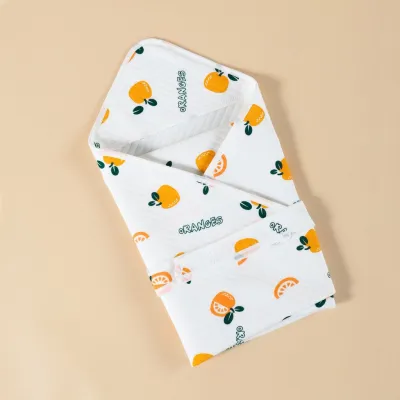
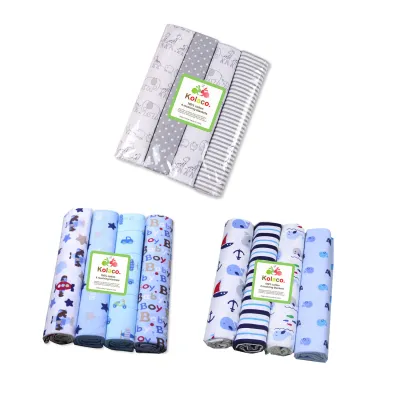
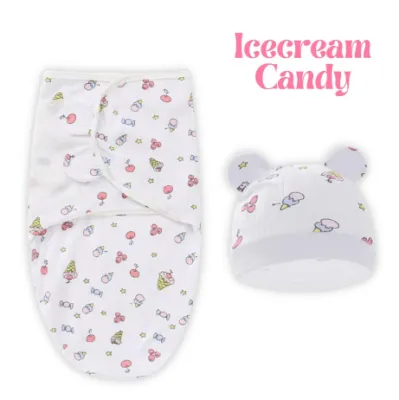
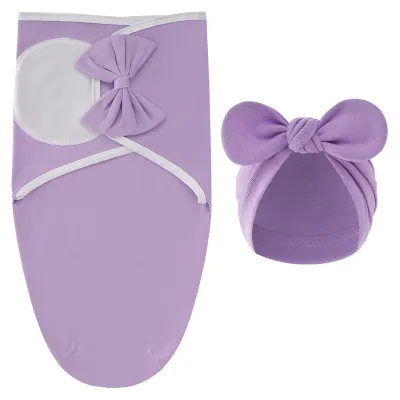
Prices are valid at publication and may change. Please refer to the product page for the latest price.
To address these challenges, many parents turn to structured swaddle wraps equipped with dedicated closure systems. These modern designs typically feature pre-shaped pockets for the baby’s legs and adjustable wings that wrap around the torso, securing with hook-and-loop fasteners, zippers, or snap buttons. These fasteners significantly reduce the risk of the swaddle unraveling during the night, providing a consistent, secure fit even for active sleepers. When evaluating these options, consider how noisy the closures are; loud hook-and-loop fasteners can startle a sleeping baby during a midnight diaper change, making quiet zippers or snaps highly appealing.
Safety must remain the primary focus when evaluating any closure mechanism. You should inspect the placement of zippers and fasteners to ensure they do not rub against your baby’s delicate chin or neck. Many high-quality swaddle wraps feature fabric zipper guards or fabric tabs at the collar to prevent chafing. Additionally, look for designs that offer two-way zippers. This feature allows you to unzip the swaddle from the bottom up, enabling quick diaper changes without exposing your baby’s chest to the cool air of an air-conditioned room or fully waking them up.
Regardless of the style you choose, always check the manufacturer’s instructions for correct wrapping techniques and hip-healthy positioning. A proper swaddle should be snug around the chest but loose enough around the hips and knees to allow the baby’s legs to bend and flare out naturally. Avoid any wrap that forces the baby’s legs into a straight, rigid position, as this can interfere with proper joint development. Testing the wrap’s flexibility and reading the manufacturer’s guidelines on hip clearance will help ensure your baby remains both secure and physically supported.
Evaluating Fabric, Breathability, and Comfort
The fabric of your newborn’s swaddle wrap set plays a vital role in thermal regulation and skin health. Newborns cannot regulate their body temperature as effectively as adults, making them highly susceptible to overheating, especially in tropical climates. When selecting a swaddle, prioritize lightweight, highly breathable materials that allow heat and moisture to escape. Cotton muslin, bamboo-derived rayon, and lightweight cotton jersey are excellent choices for local conditions. These fabrics offer natural breathability and a gentle stretch that accommodates the baby’s movements without losing shape.

To assess the suitability of a swaddle fabric, examine its weave density and weight. Many manufacturers use a Thermal Overall Limit (TOG) rating to indicate the warmth of the sleepwear. In warm, humid environments, a low TOG rating—typically around 0.2 to 0.5 TOG—is ideal for preventing heat rash and overheating. If your nursery is consistently air-conditioned, a slightly higher rating of 1.0 TOG might be appropriate, but it should still be paired with lightweight undergarments. Always feel the fabric yourself if shopping in-store, or look for detailed fabric weight specifications when purchasing online to ensure the material feels airy and cool to the touch.
In addition to breathability, the fabric must be exceptionally gentle on sensitive newborn skin. Babies are prone to contact dermatitis, eczema, and heat rashes, which can be aggravated by rough textures or synthetic fibers. Check product labels to verify the material composition, opting for natural fibers over synthetic polyesters whenever possible. Look for certifications or labels indicating that the fabric is free from harsh chemical dyes and flame retardants. Choosing hypoallergenic materials reduces the risk of skin irritation and ensures a more comfortable sleep environment.
Finally, consider the practical aspects of fabric maintenance. Newborn bedding requires frequent laundering due to inevitable spit-ups, diaper leaks, and sweat. Review the washing instructions on the care label before making a purchase. Swaddles that require delicate hand-washing or air-drying may quickly become a burden for busy parents. Look for machine-washable fabrics that retain their softness, shape, and elasticity after multiple high-temperature wash cycles. Pre-shrunk fabrics are also highly desirable, as they prevent the swaddle from becoming too tight or unusable after the first wash.
Sizing, Fit, and Developmental Safety Checks
Achieving a proper fit is not just a matter of comfort; it is a fundamental safety requirement for newborn sleep. A swaddle that is too large can easily slip over the baby’s mouth and nose, creating a suffocation hazard. Conversely, a swaddle that is too small can restrict breathing, compress the chest, or cause overheating. When shopping for a swaddle wrap set, never rely solely on age recommendations like ‘0-3 months.’ Instead, always match the weight and length ranges specified on the product packaging to your baby’s current, actual measurements.
A critical aspect of swaddle safety is ensuring a hip-healthy design. The International Hip Dysplasia Institute recommends swaddling techniques and products that allow the baby’s hips to bend up and out. When evaluating a swaddle wrap, verify that the leg pouch is wide enough to let your baby flex their hips and knees naturally into a ‘frog-leg’ position. Avoid swaddles that tightly bind the legs together or force them straight down. You should be able to easily slide your hand between the swaddle fabric and your baby’s chest, while the lower half of the swaddle remains loose and roomy.
Parents must also remain vigilant about developmental milestones that dictate when to stop swaddling. Swaddling must be discontinued as soon as your baby shows any signs of attempting to roll over, whether from back to front or front to back. Once a baby can roll, having their arms confined inside a swaddle prevents them from pushing their head up to clear their airway if they turn onto their stomach. This milestone can occur as early as two months of age, though it varies for every infant. When this stage approaches, you must transition your baby from a full swaddle to an arms-free sleep sack.
To ease this transition, many swaddle wrap sets feature convertible designs. These versatile wraps allow you to swaddle with both arms in, one arm out, or both arms out. Investing in an adjustable or transitional swaddle set can extend the product’s usability, allowing you to adapt the wrap to your baby’s changing developmental needs without needing to purchase an entirely new sleep wardrobe immediately. Always inspect the transition features to ensure that when the arms are out, the remaining fabric wraps securely around the chest and cannot ride up toward the face.
Building Your Shortlist: Quality Indicators and Care Requirements
Once you have narrowed down your options based on design, fabric, and safety, it is time to evaluate the physical quality and durability of the swaddle wrap sets on your shortlist. High-quality construction is essential for items that will undergo daily wear and frequent washing. Start by inspecting the stitching along the seams and edges. Look for flat, double-stitched seams that will not unravel under tension or irritate your baby’s skin. Raw or poorly finished edges can fray quickly in the washing machine, rendering the swaddle unusable after only a few weeks.
The durability of the fasteners is another critical quality indicator. If the swaddle uses hook-and-loop fasteners, examine the quality of the tabs. Low-grade hook-and-loop material can lose its grip after a few washes, allowing your baby to break free easily. It can also snag other delicate garments in the laundry. Look for soft, quiet, and high-density fasteners that maintain their stickiness over time. If the swaddle features zippers, ensure they are made of durable, smooth-gliding plastic or metal, and check that the zipper pull is securely attached so it does not pose a choking hazard.
Care requirements should also heavily influence your final decision. Read the care labels carefully to understand the shrinkage risks and maintenance effort required. Cotton and bamboo fabrics are prone to shrinking if dried on high heat, so look for manufacturers that provide clear, realistic care instructions. If you plan to use a clothes dryer, ensure the fabric is rated for tumble drying. Additionally, consider how the fasteners behave during washing; swaddles with hook-and-loop tabs should have ‘washing tabs’ or folding flaps that cover the scratchy surface to prevent them from damaging other clothes in the wash cycle.
Before making your final purchase, cross-reference user feedback on reputable e-commerce platforms and parenting forums. Look for consistent patterns in reviews regarding real-world fit, fabric shrinkage, and durability over time. Pay close attention to feedback from parents living in similar warm climates, as they can provide valuable insights into how breathable the fabric actually is during hot nights. While individual experiences may vary, a swaddle set with consistently positive reviews for maintaining its shape, softness, and fastener strength through dozens of wash cycles is a reliable addition to your nursery.
Frequently Asked Questions (FAQ)
How many swaddle wraps should I buy for a newborn?
For a practical newborn wardrobe, a baseline of three to four swaddle wraps is generally recommended. This quantity allows for a functional rotation: one swaddle for the baby to wear, one in the laundry, and one clean backup ready for unexpected diaper leaks, spit-ups, or sweat dampness. If you do not have daily access to laundry facilities or if you live in a highly humid area where line-drying takes longer, increasing your inventory to five or six swaddles can reduce daily stress and ensure you always have a dry, clean wrap on hand.
Can I use a swaddle wrap if my baby prefers having their arms out?
Yes, you can use a swaddle wrap for a baby who prefers having their arms out, provided you use a swaddle specifically designed for this purpose or adjust the wrap correctly. Many modern swaddle wraps feature armholes with snaps or wings that can be secured snugly around the chest under the armpits. If you choose to swaddle with arms out, you must perform a strict safety check to ensure the wrap is fastened securely around the torso and cannot slide up over the baby’s chin, mouth, or nose during sleep. If the wrap cannot be secured safely below the shoulders with the arms free, you should transition to a standard baby sleep sack instead.
Community discussion
Share your experience or ask a question. Comments are reviewed before publication.