
Stepping out with a baby requires careful preparation, as even a short trip to the mall or park demands an array of essential supplies. From diapers, wipes, and changing mats to bottles, spare clothes, and soothing toys, the sheer volume of items can quickly overwhelm a standard handbag. Finding a functional tote bag for baby things big enough to accommodate these items while keeping them organized is key to maintaining peace of mind on the go. A well-designed baby tote serves as your mobile command center, ensuring that every essential has a dedicated space and is easily accessible when your hands are full.
To make a successful purchase, you must evaluate several non-negotiable features beyond mere aesthetic appeal. The ideal bag must combine structured capacity, durable and weather-resistant materials, secure yet accessible closures, and ergonomic carrying straps. By understanding how these elements interact with your daily routine and the local climate, you can select a bag that offers long-term utility and comfort. This guide details the essential design factors to consider, helping you navigate your options and make a practical, informed decision.
Evaluating Capacity and Compartment Layout for Baby Gear
When assessing potential bags, it is easy to confuse total volume with usable space. A massive, unstructured bag might seem ideal at first glance, but without internal support, it can quickly turn into a disorganized pit where small items like pacifiers or sanitizing gels disappear. To avoid this, prioritize a tote with a structured base that allows the bag to stand upright on its own. This self-standing capability is incredibly useful when you need to rest the bag on a flat surface, such as a changing table or a car seat, to retrieve an item with one hand while holding your baby with the other.
Products mentioned in this guide
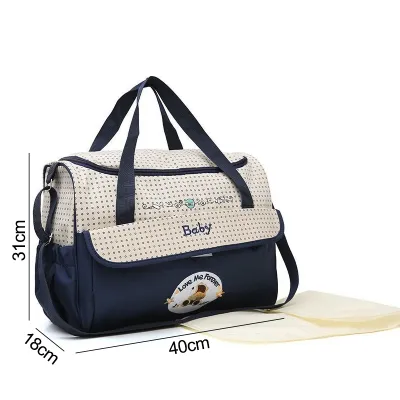
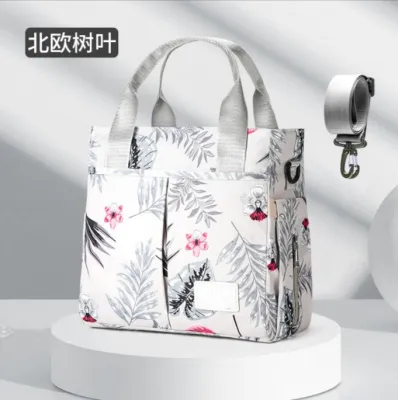
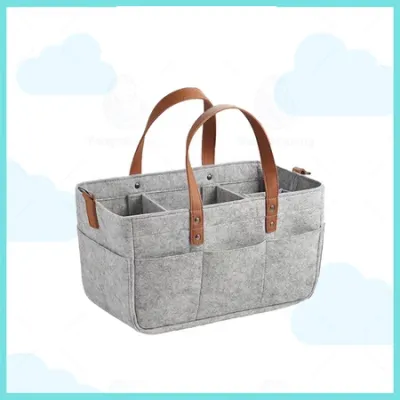
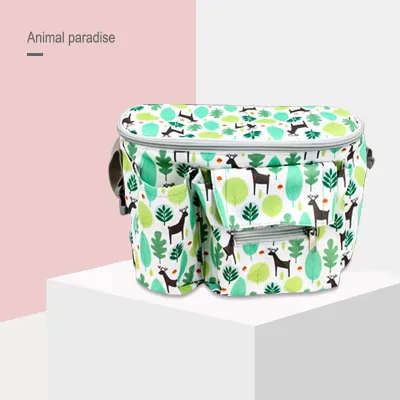
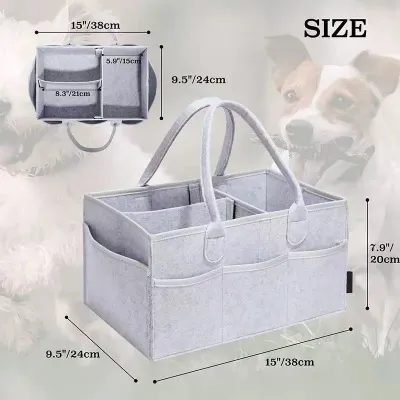
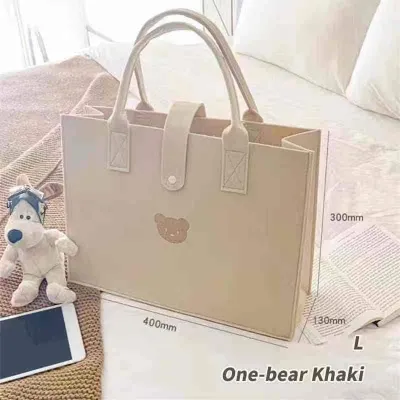
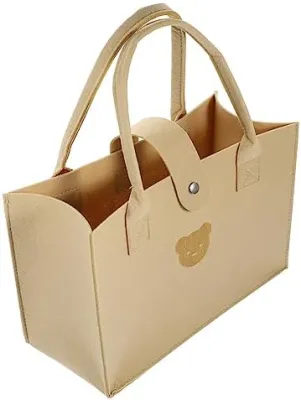
Prices are valid at publication and may change. Please refer to the product page for the latest price.
Internal organization is the foundation of a functional baby bag. Look for a layout that features dedicated, elasticized pockets designed specifically for bottles, wipes, and diapers. These pockets prevent items from shifting or tipping over during transit, minimizing the risk of messy leaks inside the main compartment. Ideally, the bag should feature a mix of open slip pockets for rapid retrieval and zippered pockets for securing personal items like your wallet, phone, or keys.
The main opening of the tote deserves close inspection. A wide, unobstructed opening—often supported by a structured metal frame or a wide-set zipper—allows you to view the entire contents of the bag at a single glance. If the opening is too narrow, you will find yourself constantly rummaging blindly, which can be highly frustrating during a diaper emergency.
Finally, verify the bag’s internal dimensions against the size of your preferred portable changing pad. A standard travel changing pad typically measures between 30 to 40 centimeters when folded. The tote bag should be wide and deep enough to accommodate this pad flat against the back panel or standing vertically along the side without compressing the rest of your gear or preventing the bag from closing securely.
Choosing a Tote Bag for Baby Things Big Enough for Daily Use and Humid Weather
The tropical climate of the Philippines introduces unique challenges for baby gear maintenance. High humidity, intense heat, and sudden seasonal downpours require materials that are not only durable but also resistant to mold, mildew, and moisture buildup. When evaluating exterior fabrics, always consult the manufacturer’s product labels and technical specifications rather than relying on general marketing claims.

Nylon and high-density polyester (such as 600D or 900D polyester) are excellent choices for the exterior of a baby tote. These synthetic materials are lightweight, highly resistant to tearing, and dry quickly if exposed to rain. Canvas is another popular option due to its classic, casual look; however, untreated canvas can absorb moisture and stain easily. If you prefer canvas, ensure the manufacturer specifies that the fabric has been treated with a water-repellent coating.
The interior lining of the bag is just as important as the exterior. Spilled milk, formula, and leaky water bottles are inevitable occurrences. To handle these incidents, look for bags featuring water-resistant, wipeable interior linings made of materials like thermoplastic polyurethane (TPU) or high-grade polyester. This allows you to quickly clean up spills with a damp cloth or a baby wipe, preventing stubborn odors and bacterial growth.
Additionally, pay close attention to the base of the tote bag. Because you will frequently place the bag on public surfaces—such as restaurant chairs, park benches, or restroom floors—the bottom should be reinforced with scuff-resistant materials, metal feet, or a wipeable rubberized coating. This protective layer acts as a barrier against moisture and dirt, extending the lifespan of the bag. Always review the manufacturer’s care instructions, noting whether the bag is machine washable or spot-clean only, to ensure you can sanitize it properly without damaging the fabric or structural elements.
Comparing Closure Types for Quick Access and Security
The type of closure on your baby tote directly impacts how quickly you can access your gear and how secure those items remain while you are on the move. Different closure mechanisms offer distinct trade-offs in terms of speed, protection, and ease of use.
Zippers provide the highest level of security and weather protection. A fully zippered main compartment ensures that nothing falls out if the bag tips over in your car trunk or under a stroller basket. It also protects your baby’s clean clothes and diapers from sudden rain or dust. However, operating a zipper typically requires two hands, which can be difficult when you are carrying your infant. If you choose a zippered tote, look for high-quality, smooth-gliding zippers with large pull tabs that can be operated easily with one hand.
Magnetic snaps and open-top designs offer unparalleled speed of access. You can reach into the bag instantly to grab a pacifier or a wipe without fumbling with fasteners. The main disadvantage is the lack of security; items can easily spill out if the bag is dropped, and the open design leaves your personal items vulnerable in crowded public areas.
Drawstrings and magnetic flap covers serve as a practical middle ground. A flap cover with a magnetic clasp provides a neat aesthetic and moderate protection against the elements while remaining relatively easy to lift with one hand. When deciding on a closure type, read user reviews to verify the long-term durability of the zippers and the holding strength of the magnetic clasps, ensuring they do not lose their effectiveness after repeated daily use.
Assessing Strap Comfort and Safe Carrying Options
A fully packed baby tote can easily weigh several kilograms once you load it with water bottles, formula, spare outfits, and personal items. Carrying this weight over long periods can cause significant physical strain on your neck, shoulders, and back. Therefore, assessing the design of the carrying straps is essential for your comfort and physical well-being.
Start by checking the strap drop length, which is the distance from the top of the strap to the top of the bag. For a shoulder tote, look for a drop length of at least 25 to 30 centimeters. This ensures the bag sits comfortably under your arm without pinching, even if you are wearing a structured baby carrier or a light jacket.
The width and padding of the straps are critical for weight distribution. Narrow, unpadded straps can dig painfully into your skin under a heavy load. Opt for wide, flat straps or those with integrated shoulder pads that help distribute the weight evenly across your shoulder girdle.
Versatility in carrying options is highly beneficial. A great tote bag should offer dual carrying methods: reinforced short top handles for quick hand-carries, and a longer, adjustable, and detachable shoulder or crossbody strap. A crossbody strap allows you to distribute the weight diagonally across your torso, keeping your hands entirely free to tend to your child.
Crucial Safety Warning: Many parents utilize stroller straps or hooks to hang their tote bags from the stroller handlebar. Before doing this, you must always consult your stroller manufacturer’s user manual to check the certified weight limits and safety guidelines. Hanging a heavy tote bag from the handlebar can shift the stroller’s center of gravity, causing it to tip backward. This poses a severe risk of injury to your child. If you must attach the bag, ensure it complies with the manufacturer’s instructions, and never leave the stroller unattended with a heavy bag attached to the handle.
Identifying Practical Add-Ons and Exterior Pockets
While the main compartment houses the bulk of your baby gear, secondary design features and exterior pockets can significantly enhance your daily efficiency. These practical details keep high-frequency items within arm’s reach, saving you from digging through the depths of the bag.
Exterior slip pockets and zippered pouches are ideal for storing items you need to access instantly. This includes your smartphone, keys, hand sanitizer, or a small pack of wet wipes. Keeping these items on the outside of the bag prevents them from getting lost among diapers and baby blankets.
An internal key leash or clip is another small but highly useful feature. By clipping your keys to a dedicated strap inside the bag, you can retrieve them instantly without having to empty the contents of your tote at your doorstep or in a parking lot.
Many specialized baby totes include wet/dry pouches and insulated bottle holders. A separate, waterproof wet bag is invaluable for isolating soiled clothing, wet bibs, or used washcloths from the rest of your clean items. Insulated bottle pockets help maintain the temperature of milk, formula, or warm water. When evaluating insulated compartments, verify the manufacturer’s specific insulation duration claims in the product documentation, as actual performance depends on the insulation material’s thickness and quality.
For parents who travel frequently, a built-in luggage sleeve (also known as a trolley strap) is an exceptionally convenient feature. This fabric sleeve on the back of the tote allows you to slide the bag securely over the telescoping handle of a rolling suitcase, keeping your hands free to navigate busy airport terminals or transit stations.
A Practical Checklist for Shopping on E-Commerce Platforms
Shopping for a baby tote bag online offers convenience and a wide variety of choices, but it also requires careful verification to ensure the product meets your expectations. Because you cannot physically touch or inspect the bag before purchasing, use this checklist to guide your decision-making process on online marketplaces:
- Verify Exact Dimensions: Do not rely on generic terms like 'large', 'jumbo', or 'oversized' in the product title. Scroll down to the technical specifications and verify the exact height, width, and depth in centimeters. Compare these measurements with a bag you already own to visualize its actual size.
- Check the Empty Weight: A large tote should be as lightweight as possible when empty—ideally under 1 kilogram. A heavy empty bag will quickly become uncomfortable once fully packed with baby gear.
- Analyze Customer Reviews for Durability: Filter the review section using keywords like 'zipper', 'strap', 'stitching', or 'peeling'. Look for comments regarding how the bag performs after several months of daily use, paying close attention to reports of torn seams or broken hardware.
- Examine Unedited Customer Photos: Marketing photos are often professionally styled and stuffed to look perfect. Look at the real-life photos uploaded by customers in the review section to see how the bag looks when naturally folded, its true color, and the actual layout of the interior pockets.
- Confirm the Return and Warranty Policy: Check the seller's return policy to ensure you can return or exchange the bag if the material quality, structural stiffness, or weight does not match the online description.
Frequently Asked Questions (FAQ)
Can I use a regular large tote bag instead of a specific diaper tote?
Yes, you can absolutely use a standard fashion tote bag. However, keep in mind that regular fashion totes typically lack specialized features like water-resistant interior linings, insulated bottle compartments, and numerous built-in pockets. If you prefer the aesthetic of a standard tote, you can easily adapt it by using modular organizers, packing cubes, or a removable diaper bag organizer insert. This allows you to maintain your preferred style while still achieving the structured organization required for baby gear.
How heavy should a fully packed baby tote bag be?
To prevent physical strain and long-term musculoskeletal discomfort, a fully packed baby tote bag should generally not exceed 10% to 15% of your body weight. It is important to choose a bag that is lightweight when empty to maximize your carrying capacity for actual essentials. To manage the weight effectively, perform a weekly audit of the bag’s contents. Remove accumulated items like outgrown spare clothes, excess diapers, expired snacks, and redundant toys that are no longer necessary for your baby’s current developmental stage.

Community discussion
Share your experience or ask a question. Comments are reviewed before publication.