
When traveling with an infant or toddler, your choice of gear can make the difference between a smooth journey and a stressful ordeal. A reliable baby travel bag serves as a mobile command center, keeping diapers, feeding supplies, changes of clothes, and soothing items organized and within arm’s reach. To find the ideal bag, look for a combination of durable, weather-resistant materials, highly structured compartments, ergonomic carrying options, and travel-friendly features like insulated pockets and luggage sleeves.
In tropical climates, additional considerations such as breathability, mold prevention, and resistance to sudden downpours are essential. Selecting the right bag requires balancing your typical travel habits, the age of your child, and the physical comfort of whoever will be carrying the load. By prioritizing functional utility over purely aesthetic trends, parents can invest in a bag that supports their family’s mobility for years to come.
Quick Answer: Must-Have Features for Any Baby Travel Bag
While baby travel bags come in various shapes and sizes, several non-negotiable features distinguish a highly functional travel companion from a standard backpack or tote. First and foremost, look for a water-resistant exterior and an easy-to-wipe interior lining. These materials protect your gear from unpredictable tropical downpours and ensure that interior spills, such as leaked milk or purees, can be cleaned up quickly without leaving permanent stains or sour odors.
Products mentioned in this guide
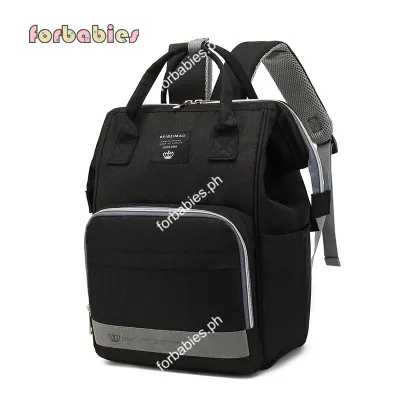
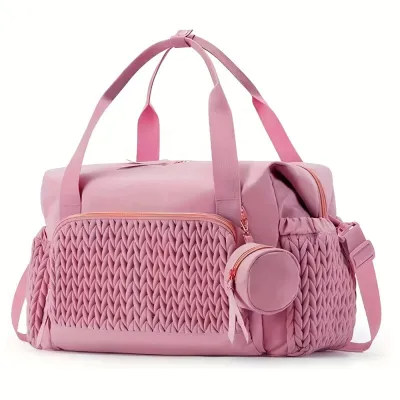
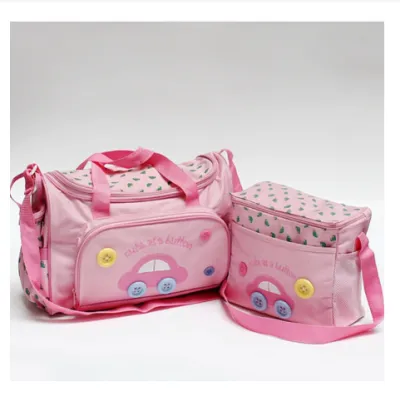
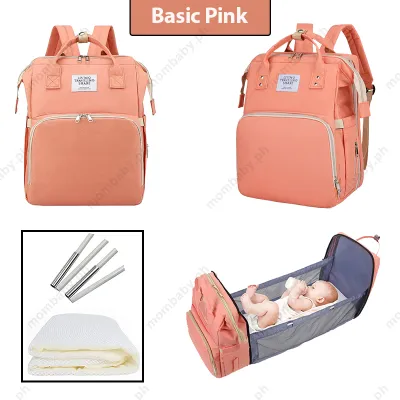
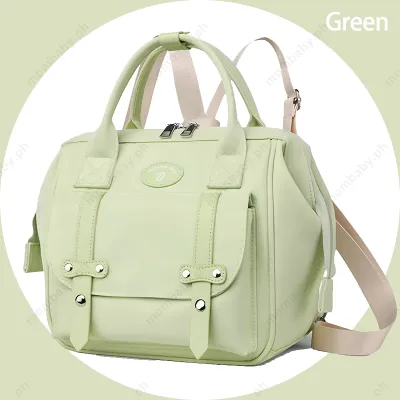
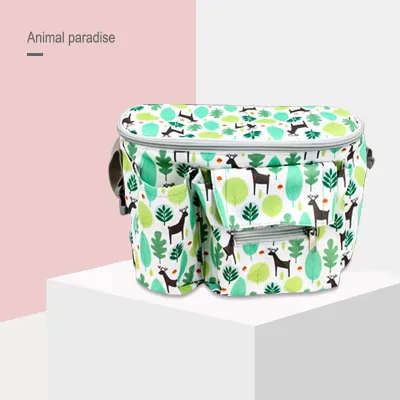
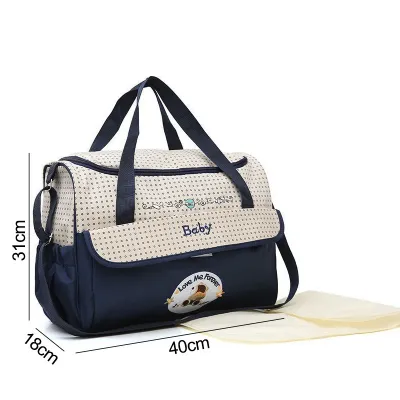
Prices are valid at publication and may change. Please refer to the product page for the latest price.
Organization is equally critical, which is why dedicated wipe-access compartments and insulated bottle pockets are essential. A quick-access pocket allows you to pull out baby wipes instantly during diaper emergencies without rummaging through the main compartment. Insulated pockets help maintain the temperature of milk, water, or baby food, which is especially important when traveling in warm climates.
Finally, physical comfort and versatility should never be overlooked. Padded, adjustable shoulder straps are necessary to prevent neck and shoulder strain during long transit days, while built-in stroller straps or an integrated trolley sleeve allow you to secure the bag to other gear. Ultimately, the best baby travel bag is one that aligns with your specific travel habits, your baby’s current developmental stage, and the duration of your typical outings.
Capacity and Organization: Matching Storage to Your Itinerary
A bag that is too small will force you to leave essential items behind, while an oversized bag can become unnecessarily heavy and cumbersome to carry. Finding the right balance requires evaluating how much gear your child actually requires based on their age and your typical travel itineraries.

Estimating Capacity by Trip Length and Baby's Age
The volume of gear you need to carry changes dramatically as your child grows. During the newborn stage, babies require frequent diaper changes, multiple changes of clothes due to spit-ups or blowouts, and specialized feeding equipment such as breast pumps, bottles, or formula dispensers. For this stage, a larger bag with a capacity of 25 to 30 liters is often necessary, even for day trips, to accommodate the sheer volume of clean and soiled items.
As your child transitions into toddlerhood, their physical gear requirements shift. While you will need fewer diapers and changes of clothing, you will need more space for solid food containers, spill-proof sippy cups, snacks, and small toys to keep them entertained during transit. For toddlers, a medium-sized bag of 18 to 22 liters is often sufficient for daily outings, though longer overnight trips will still demand a larger capacity.
When shopping, always check the manufacturer’s stated dimensions and liter capacity rather than relying on visual estimates. Keep in mind that a bag’s usability is determined not just by its total volume, but by how that volume is partitioned. A single, deep compartment can quickly become a chaotic mess, whereas a well-partitioned bag allows you to assign a dedicated home to every item.
Smart Compartments and Accessibility
Strategic pocket placement is the key to maintaining sanity during stressful travel moments. Look for a baby travel bag that features external pockets designed for high-frequency items. A dedicated side pocket with a magnetic flap or zipper opening for baby wipes allows you to clean up messes instantly without having to open the entire bag and expose its contents to the elements.
Another critical organizational feature is a dedicated wet/dry separation zone. Traveling often involves dealing with damp swimsuits, soiled clothes, or wet bibs that cannot be washed immediately. Having a built-in waterproof pouch or a separate zippered compartment keeps these damp items isolated, protecting your clean clothes, dry diapers, and electronics from moisture and cross-contamination.
The color of the bag’s interior lining also plays a surprisingly large role in daily usability. Avoid bags with dark black or deep navy interiors, as they create a “black hole” effect where small items like pacifiers, medicine droppers, or keys become nearly impossible to locate in low-light environments. Instead, opt for light-colored linings—such as light gray, beige, or pastel shades—which reflect light and make it easy to spot small objects at a glance.
Materials and Durability: Withstanding Humid and Tropical Climates
The climate in which you travel dictates the materials you should choose for your baby travel bag. In tropical environments like the Philippines, high humidity, intense heat, and sudden heavy rainfall can quickly degrade low-quality fabrics and hardware.
Exterior Fabrics: To protect your baby’s essentials from the elements, prioritize exterior fabrics made from high-density, water-resistant, or waterproof materials. Heavy-duty nylon, polyester, and treated canvas are excellent choices because they resist water penetration and are tough enough to withstand being placed on airport floors, park benches, or sandy beaches. Before purchasing, verify the manufacturer’s specific water-resistance ratings or fabric treatments, as some materials may only be splash-proof rather than fully water-resistant.
Interior Linings: The interior of the bag is highly susceptible to spills, leaks, and crumbs. Look for non-porous, wipeable linings made from materials like polyester with a water-resistant coating or high-quality TPU (thermoplastic polyurethane). These fabrics prevent liquids from soaking into the padding or structural layers of the bag, which can lead to mold growth and unpleasant, persistent odors. If a spill occurs, you should be able to clean it completely with a simple sanitizing wipe or a damp cloth.
Hardware and Zippers: A bag is only as durable as its closure systems. Check for robust, smooth-gliding zippers—ideally made from rust-resistant metals or heavy-duty plastics—since salty sea air and high humidity can cause low-grade metal zippers to corrode or jam. Look for reinforced double-stitching at high-stress points, such as where the shoulder straps and carrying handles attach to the main body of the bag, to prevent tearing when the bag is fully loaded.
Care and Maintenance: To ensure the longevity of your bag, always consult the manufacturer’s care label and product documentation before attempting to clean it. Many high-performance travel bags feature specialized water-resistant coatings that can be stripped away by harsh detergents, hot water, or machine washing. For general maintenance, spot cleaning with mild soap and lukewarm water is typically recommended, followed by thorough air-drying.
Carrying Styles: Choosing the Most Comfortable Fit for Travel
How you carry your baby travel bag directly impacts your physical comfort and mobility, especially when navigating crowded airports, public transportation, or busy shopping districts.
Backpacks vs. Totes vs. Crossbody Bags
Backpack-style travel bags are widely considered the most ergonomic option for active parents. By distributing the weight of the bag evenly across both shoulders, backpacks minimize the risk of muscle strain and fatigue during extended wear. Most importantly, a backpack keeps both of your hands completely free, allowing you to push a stroller, carry your child, or handle travel documents without constantly adjusting a slipping strap.
Tote bags offer a more classic, stylish appearance and provide rapid access to the bag’s contents through a wide top opening. They are highly convenient for short car trips or quick errands where you do not need to carry the bag over long distances. However, because a tote places the entire weight of the load on a single shoulder, overloading it can quickly lead to neck, shoulder, and back discomfort.
Crossbody or messenger bags offer a middle ground, keeping the bag close to your body and allowing you to swing it forward to access items without taking it off. This style is excellent for quick transitions and public transit, but like totes, they can cause asymmetrical muscle strain if worn for long periods with a heavy load. When selecting a style, consider your physical comfort and how long you expect to carry the bag during a typical day of travel.
Ergonomic Straps and Weight Distribution
Regardless of the carrying style you prefer, the design of the straps is a critical factor in overall comfort. For backpack styles, look for wide, heavily contoured shoulder straps that feature thick padding and breathable mesh lining. Narrow, unpadded straps will dig into your shoulders under the weight of a fully packed bag, while non-breathable materials can cause excessive sweating and discomfort in hot, humid weather.
An adjustable sternum or chest strap is another valuable feature to look for in a travel backpack. By clipping across your chest, this strap prevents the shoulder straps from slipping outward and helps shift a portion of the load’s weight toward your core, stabilizing the bag as you move. This is particularly helpful when walking on uneven terrain or navigating crowded spaces.
Finally, ensure that the straps are easy to adjust while the bag is on your back. If you share parenting duties, the bag should be highly adjustable so that it can be quickly resized to fit different body types and heights comfortably. Testing the strap adjustability and checking user reviews regarding strap comfort can save you from chronic discomfort down the road.
Travel-Specific Extras: Stroller Compatibility and Insulation
To elevate a standard diaper bag into a true travel companion, look for specialized features designed to solve the unique challenges of traveling with an infant.
Stroller Attachment: Many baby travel bags feature integrated stroller straps, clips, or D-rings that allow you to hang the bag directly from your stroller’s handlebar. While this is an incredibly convenient way to free up your shoulders, it comes with a critical safety warning. Always check your specific stroller manufacturer’s user manual for handle weight limits and stability warnings. Hanging a heavy travel bag on the handlebar can alter the stroller’s center of gravity, causing it to tip backward and pose a severe safety hazard to your child. If you do hang a bag, always supervise the stroller closely and remove the bag before lifting your child out.
Insulated Pockets: Keeping milk, formula, or baby food at a safe temperature is a major concern when traveling, particularly in warm climates where spoilage can happen rapidly. Look for bags with dedicated, foil-lined insulated pockets that feature elastic bands to keep bottles upright and prevent leaks. Before purchasing, verify the maximum bottle size the pockets can accommodate, as some narrow insulated pockets may not fit wider, natural-shape baby bottles or thermal flasks.
Changing Pads and Luggage Sleeves: A portable, wipeable changing pad is an indispensable accessory for travel, allowing you to create a clean, hygienic surface for diaper changes in public restrooms, park benches, or airport terminals. Additionally, if you frequently travel by air, look for a bag with a built-in trolley sleeve. This fabric band on the back of the bag allows you to slide it securely over the telescoping handle of your rolling suitcase, keeping your shoulders free and your luggage consolidated as you navigate the airport.
How to Choose: Matching Features to Your Travel Style
Selecting the perfect baby travel bag requires evaluating your family’s unique travel habits and matching them to the features that will provide the greatest daily utility.
If your family travels primarily by air, prioritize a compact, highly organized backpack that features a dedicated trolley sleeve, TSA-friendly compartments, and dimensions that comply with standard airline carry-on or personal item limits. This ensures you can keep your baby’s essentials close at hand under the seat in front of you without struggling with overhead bins.
For families who rely heavily on public transit or enjoy walking tours, a lightweight, highly ergonomic backpack is the ideal choice. Prioritize breathable mesh back panels, padded shoulder straps, and integrated stroller clips to maximize your physical comfort and hands-free mobility. In this scenario, look for a bag with a low empty weight, as every extra ounce of fabric will add to your physical fatigue over a long day of walking.
If you primarily take road trips or weekend staycations, a spacious tote or a larger multi-compartment duffel-style bag may be more suitable. Since you will not be carrying the bag over long distances, you can prioritize maximum storage capacity and wide-open access over lightweight ergonomics. This allows you to pack extra outfits, larger toy sets, and bulkier feeding gear with ease.
Before making your final decision, always weigh the empty bag itself. Some high-end bags feature heavy metal hardware, thick canvas, and extensive padding that make the bag heavy before you have even packed a single diaper. Aim for an empty weight of under 1.2 kilograms (approximately 2.6 pounds) to ensure the bag remains manageable once fully loaded. Finally, always verify the exact dimensions, weight limits, and material care specifications on the manufacturer’s official product label or website to ensure the bag meets your safety and durability standards.
Frequently Asked Questions (FAQ)
Can I use a regular backpack instead of a specific baby travel bag?
While you can technically use a standard backpack for short outings, it often lacks the specialized features required for efficient baby care. Standard backpacks typically feature one or two large, unstructured compartments, which can lead to disorganization and delay you during an urgent diaper change or feeding. Furthermore, regular backpacks rarely include insulated bottle pockets, dedicated quick-access wipe compartments, or waterproof wet/dry zones. Without these features, managing wet clothes, keeping bottles upright, and maintaining overall hygiene becomes significantly more challenging during extended travel.
How do I prevent my baby travel bag from getting moldy in humid weather?
To prevent mold and mildew growth in humid, tropical climates, establish a strict post-trip cleaning routine. Immediately after returning home, empty the bag completely and wipe down both the interior and exterior with a damp cloth and mild, baby-safe soap. Leave all zippers, pockets, and compartments wide open, and place the bag in a well-ventilated, shaded indoor area to air dry completely. Never store damp items, such as wet bibs, used washcloths, or half-empty bottles, inside the bag for extended periods, as trapped moisture is the primary cause of mold and persistent sour odors.
What is the ideal weight for a fully packed baby travel bag?
While the exact weight limit depends on your individual physical strength and comfort, ergonomic guidelines generally recommend that a carried load should not exceed 10% to 15% of the carrier’s body weight. For example, a parent weighing 60 kilograms should aim to keep their packed bag under 6 to 9 kilograms to prevent chronic back, neck, and shoulder strain. To keep the weight manageable, pack only the essentials for your immediate itinerary and replenish supplies as you go. Whenever safe and permitted by the manufacturer’s guidelines, utilize your stroller’s under-seat basket to carry heavier items rather than wearing them on your back.

Community discussion
Share your experience or ask a question. Comments are reviewed before publication.