
A complete baby feeding essentials set for weaning should include a suction bowl, a divided plate, soft-tipped training spoons, and a transitional training cup. These core items support your baby’s developmental shift from a liquid-only diet to solid foods, helping them explore new textures safely. In a warm, humid climate like the Philippines, choosing the right combination of these items also means prioritizing materials that resist moisture buildup, clean easily, and withstand frequent washing.
Introducing solids is a major milestone that requires the right tools to keep mealtimes manageable. Rather than buying random tableware pieces as you go, a coordinated feeding set ensures you have age-appropriate items ready for each stage of the weaning journey. By focusing on functional designs and safe materials, you can foster your baby’s independence while keeping mealtime messes to a minimum.
Core Components Every Weaning Feeding Set Needs
A comprehensive weaning set must accommodate different stages of food introduction, starting from the very first spoonful of smooth puree to independent self-feeding. In the initial weeks of weaning, a deep, sturdy bowl is the most critical component. Parents need a bowl with high, curved sides that make it easy to scoop up thin purees, mashed vegetables, or iron-fortified cereals with one hand while supporting the baby with the other.
Products mentioned in this guide
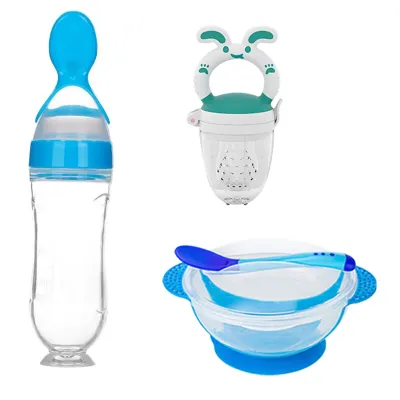
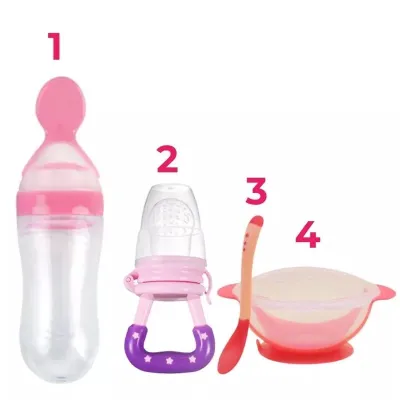
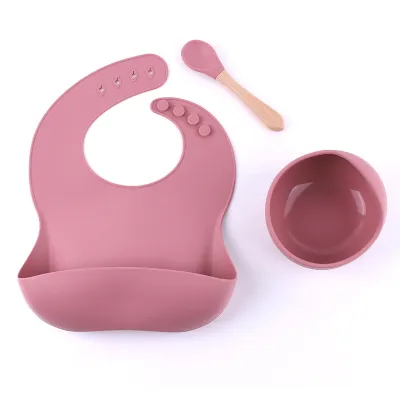
Prices are valid at publication and may change. Please refer to the product page for the latest price.
As your baby transitions to baby-led weaning or starts exploring finger foods, a divided plate becomes highly useful. These plates feature separate compartments that keep different food groups distinct, allowing babies to explore individual textures and flavors without them mixing together. This separation is particularly helpful when introducing local staples like mashed squash, flaked fish, and soft rice, as it encourages sensory exploration and helps parents identify specific food preferences or potential sensitivities.
Utensils in a weaning set must be specifically engineered for developing mouths and hands. Early training spoons should feature soft, shallow tips made of flexible material to protect sensitive, teething gums from accidental bumps. As your baby begins to grasp the spoon themselves, short, textured handles are much easier for tiny hands to control than long-handled feeding spoons designed solely for parent use.
Drinking vessels are the final essential component of a complete feeding set. Transitional cups help babies learn the oral motor skills required to sip liquid rather than suck it from a bottle nipple. A well-rounded set typically includes a training cup that can transition from a straw lid to an open cup, allowing you to gradually build your baby’s drinking skills as they grow.
Beyond the basic tableware, a few practical additions can significantly improve the daily feeding routine. A food-grade silicone bib with a deep, wide pocket catcher is invaluable for catching stray pieces of food and liquids before they land on your baby’s clothes or the floor. Additionally, a compact food masher tool allows you to quickly prepare fresh, soft fruits like ripe mangoes, avocados, or bananas directly in the serving bowl, saving time and reducing the number of dishes to wash.
Material and Safety Checks for Baby Tableware
When selecting a baby feeding set, evaluating the safety and durability of the materials is paramount. Food-grade silicone has become a highly popular choice for weaning tableware because it is flexible, shatterproof, and exceptionally durable. In tropical environments where high humidity can encourage mold growth, silicone is particularly advantageous because it is non-porous, dries quickly, and does not support the growth of bacteria or fungi when properly cleaned.

Stainless steel is another excellent material option, prized for its longevity, hygienic properties, and resistance to scratching. While stainless steel plates and bowls cannot be used in a microwave, they are highly effective at keeping food at a safe temperature and are virtually indestructible. Bamboo and natural wood tableware offer an organic aesthetic, but they require diligent maintenance, including immediate hand-washing and thorough air-drying, to prevent warping or splitting in humid climates.
Plastic tableware remains widely available and lightweight, but it requires careful scrutiny before purchase. Parents must physically inspect product packaging and labels to verify that any plastic components are completely free from bisphenol A (BPA), phthalates, and other potentially harmful chemical additives. Look for clear food-contact safety certifications and age-appropriateness indicators printed directly on the packaging to ensure the product meets recognized manufacturing standards.
Before introducing any new tableware item to your baby, perform a thorough physical inspection to identify potential hazards. Run your fingers along the edges of plastic spoons and bowls to check for sharp manufacturing seams or rough spots that could scratch your baby’s mouth. Inspect silicone items for structural integrity by gently pulling on suction bases, valves, or straw attachments to ensure no small parts can tear off and present a choking hazard.
Design Features That Encourage Self-Feeding
To foster self-feeding skills and minimize frustration, baby tableware should incorporate specific design elements tailored to a child’s developing motor skills. One of the most critical features is a strong suction base on bowls and plates. Without a secure suction mechanism, a baby’s natural instinct to explore can easily result in the entire meal being flipped onto the floor, leading to wasted food and extra cleanup.
To get the most out of suction tableware, it is helpful to understand how to test and apply them effectively. Suction bases work best on completely smooth, non-porous surfaces, such as plastic high chair trays, glass, or polished stone countertops. Textured wooden tables or matte finishes may not hold a vacuum seal as effectively, so testing the suction on your specific dining surface before mealtime is highly recommended.
Ergonomically designed utensils are equally important for encouraging self-feeding. Look for spoons and forks with short, bulbous, or rounded handles that fit naturally into a baby’s palmar grasp. Non-slip textures or silicone ridges on the handles prevent the utensils from slipping out of soapy or food-covered hands, giving your baby the control they need to successfully guide food to their mouth.
Transitional cups should also feature designs that support independent drinking. Dual, easy-grip handles allow babies to stabilize the cup with both hands, reducing spills as they learn to tilt the cup. Spill-proof valves are excellent for preventing messes during travel, but they should be removable so your baby can practice drinking with a free flow of liquid as their coordination improves.
Curating Your Set: Bundles vs. Individual Pieces
Deciding whether to purchase a pre-packaged baby feeding essentials set or to buy individual pieces depends on your budget, storage space, and specific weaning approach. Pre-packaged bundles are highly convenient and often more cost-effective, typically offering a complete matching set of a bowl, plate, cup, spoon, and bib for a lower combined price than purchasing each item separately. Bundles also ensure that all components share a cohesive design and color palette, which many parents find appealing.
However, curating your own set from individual pieces offers greater flexibility to customize the tableware to your baby’s unique needs. If you are practicing baby-led weaning, you might prefer to invest in multiple high-quality divided plates and skip the pureeing bowls entirely. Buying individually also allows you to mix and match materials, such as choosing a stainless steel bowl for hot meals and silicone plates for cold snacks, while keeping your kitchen cabinets free from unused items.
As your baby grows, their feeding needs will naturally evolve, meaning some items will serve as short-term tools while others become long-term investments. Soft silicone spoons and small suction bowls are typically used heavily during the first six months of weaning but are eventually outgrown. In contrast, high-quality divided plates, straw cups, and durable stainless steel utensils can easily transition into toddlerhood, making them worth a slightly higher initial investment.
When shopping for feeding sets on local e-commerce platforms or online marketplaces, take time to verify the credibility of the seller. Read through customer reviews to see how the tableware performs in real-world scenarios, paying close attention to feedback regarding suction strength and durability after multiple washes. Always check the seller’s return policies and warranty terms so you can easily exchange any items that arrive with manufacturing defects or shipping damage.
Frequently Asked Questions (FAQ)
How often should I replace my baby's feeding set items?
You should replace baby feeding items as soon as you observe physical signs of material degradation. For silicone and plastic items, look for deep scratches, persistent discoloration, peeling, or a sticky texture, as these crevices can harbor bacteria and make thorough cleaning difficult. Always inspect utensils for loose components or tears in the tips, and follow the manufacturer’s specific care guidelines to ensure the items remain safe for daily use.
Can I put all baby feeding essentials in the dishwasher and microwave?
No, you cannot put all baby feeding essentials in the dishwasher or microwave, as heat tolerance varies significantly by material. Always locate and read the specific product’s care label or embossed symbols on the bottom of the tableware before heating or washing. While food-grade silicone is generally dishwasher and microwave safe, materials like bamboo, wood, and certain plastics can warp, crack, or release chemicals when exposed to high temperatures, requiring gentle hand-washing instead.
Community discussion
Share your experience or ask a question. Comments are reviewed before publication.