
Tikitiki is a well-known pediatric vitamin brand in the Philippines, widely trusted by parents to support their children’s nutritional needs. At its core, the supplement is formulated with B-complex vitamins, with a primary focus on Thiamine (Vitamin B1). Depending on the specific product variant—such as drops designed for infants or syrup formulated for older toddlers—the ingredient profile may also include other essential nutrients like Vitamin A, Vitamin C, Vitamin D, and Vitamin E.
These vitamins work together to support normal energy metabolism, healthy growth, and the overall development of a child’s nervous and immune systems. Because formulations vary significantly across product lines, parents must carefully read the packaging and consult a pediatrician to determine if a supplement is appropriate for their child’s specific developmental stage.
Understanding the Active Ingredients in Tikitiki
Thiamine, or Vitamin B1, is the foundational active ingredient in these formulations. It plays a critical role in energy metabolism, helping a child’s developing body convert carbohydrates from food into usable energy. This vitamin also supports the healthy development of the nervous system and muscle function during key growth milestones.
Products mentioned in this guide
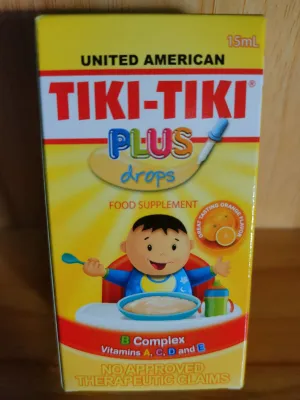
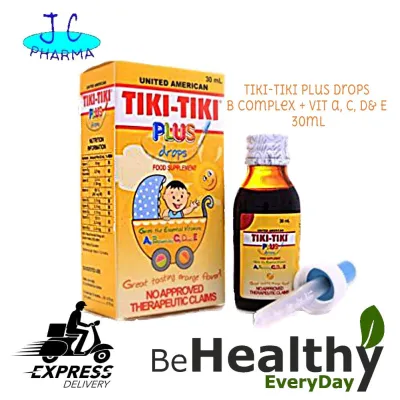
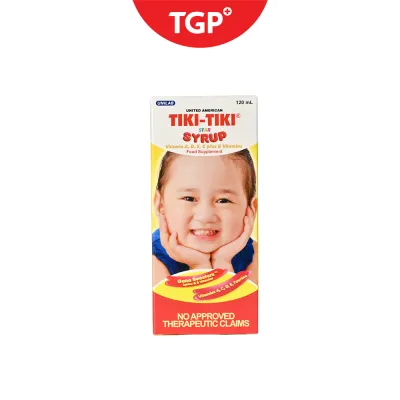
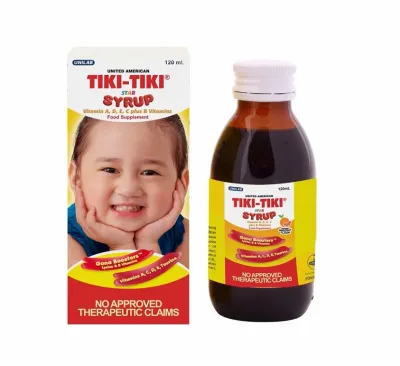

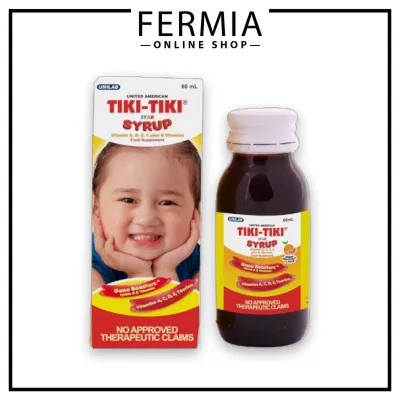

Prices are valid at publication and may change. Please refer to the product page for the latest price.
Other B-complex vitamins, such as Riboflavin (Vitamin B2) and Niacinamide (Vitamin B3), are often included to support cellular respiration. These nutrients help maintain healthy skin, support vision, and promote a properly functioning digestive tract.
Pyridoxine (Vitamin B6) and Cyanocobalamin (Vitamin B12) are also standard inclusions in many multi-vitamin syrups. Vitamin B6 is essential for brain development and protein metabolism, while Vitamin B12 is crucial for the formation of red blood cells and maintaining healthy nerve cells.
Vitamin C, or ascorbic acid, is frequently added to support the immune system and protect cells from oxidative stress. It also plays a vital role in collagen synthesis, which is necessary for the growth and repair of tissues, and significantly enhances the absorption of iron from plant-based foods.
Vitamin A and Vitamin D are often incorporated to address specific developmental needs. Vitamin A supports healthy vision and immune defense, while Vitamin D is essential for calcium absorption, helping build strong bones and teeth.
Product lines vary in their exact active ingredients and concentrations depending on whether you purchase drops or syrup. Infant drops are highly concentrated so that a very small liquid volume delivers the necessary daily nutrients, whereas syrups are formulated with lower concentrations per milliliter to accommodate the larger dose volumes suitable for older, heavier children.
Parents must read the “Supplement Facts” or active ingredient panel on the packaging to confirm the exact formulation of the specific bottle purchased. This panel lists the precise amount of each vitamin per serving and the corresponding Percent Daily Value (%DV) or Recommended Energy and Nutrient Intakes (RENI) for specific age brackets.
In the Philippines, B-complex vitamins are often culturally associated with stimulating a child’s appetite or promoting rapid weight gain. While B-vitamins are essential for metabolic processes that help the body convert food into energy—which in turn supports a healthy, normal appetite—they do not contain active pharmaceutical ingredients designed to medically force appetite stimulation. If a child experiences persistent or severe appetite loss, parents should consult a pediatrician to identify the root cause rather than relying on over-the-counter vitamins as a cure.
Age Appropriateness and Safety: Is It Right for Your Child?
An infant’s nutritional requirements change rapidly during the first few years of life. Exclusively breastfed infants receive a highly tailored mix of nutrients from breastmilk, though pediatricians may recommend specific single-nutrient supplements based on clinical guidelines. Formula-fed infants receive vitamins already integrated into their daily formula intake. As infants transition to solid foods, their dietary patterns become highly variable, which is when multi-vitamin supplements are most commonly considered to fill potential nutritional gaps.

Because a child’s baseline nutrient intake depends heavily on their diet, there is no universal age or weight at which a child should start taking a multi-vitamin. Parents must check the manufacturer’s packaging for specific age thresholds and minimum weight requirements. Never assume a product is safe for an infant or toddler based solely on the brand name. Always consult a pediatrician to verify that the supplement is necessary and to obtain an accurate dosage recommendation tailored to the child’s current weight.
Liquid pediatric vitamins are highly concentrated, meaning even a small dosing error can lead to accidental over-supplementation. Parents must always use the exact measuring dropper or dosing cup provided in the specific product’s box. Never substitute a kitchen spoon, a household syringe, or a dropper from a different medicine bottle, as these devices are not calibrated for the viscosity and concentration of the specific liquid vitamin.
While pediatric vitamins are formulated for safety, some children may experience adverse reactions or sensitivities. Parents must monitor their child closely after introducing any new supplement. If the child exhibits signs of discomfort, such as unusual fussiness, abdominal pain, loose stools, vomiting, or skin reactions like hives or rashes, stop administering the supplement immediately and consult a healthcare professional.
Beyond the Vitamins: Checking Additives, Sweeteners, and Allergens
In addition to active vitamins, liquid supplements contain inactive ingredients, or excipients, that are necessary to stabilize the formula, prevent microbial contamination, and make the taste appealing to young children. These additives can vary significantly between brands and product lines.
Liquid vitamins frequently contain added sugars, sucrose, liquid glucose, or sugar alcohols like sorbitol to mask the naturally bitter or metallic taste of B vitamins. Parents should review the “Other Ingredients” list to identify these sweeteners. This is especially important for parents who wish to limit early sugar exposure in toddlers or for children who are sensitive to sugar alcohols, which can sometimes cause mild bloating or digestive discomfort.
Some formulations may also include artificial food colorings and preservatives like sodium benzoate to extend shelf life. If a child has a history of sensitive skin, asthma, or known food allergies, parents must carefully inspect the inactive ingredient list to ensure the product does not contain any potential triggers.
When evaluating a supplement, parents can use this practical checklist to compare the ingredients against their child’s dietary needs:
- Sweeteners: Identify if the product uses cane sugar, corn syrup, or sugar alcohols, and ensure it aligns with dietary preferences.
- Preservatives: Look for stabilizing agents like sodium benzoate and verify if they are suitable for your child.
- Artificial Dyes: Check for the presence of synthetic coloring agents if your child has a history of sensitivities.
- Common Allergens: Scan the label for warnings regarding soy, gluten, or dairy processing in the manufacturing facility.
The warm, humid climate of the Philippines can compromise the stability of liquid vitamins and increase the risk of spoilage once the bottle is opened. Parents must follow the storage instructions printed on the label. Many liquid vitamins should be stored in a cool, dry place below 30°C, away from direct sunlight, while some may require refrigeration after opening to maintain ingredient potency. Always keep the bottle tightly closed and stored in its original carton to protect it from light.
Supplements vs. Diet: When Does Your Baby Actually Need Them?
Pediatric vitamins are designed to bridge temporary nutritional gaps, not to replace a healthy, balanced diet. The primary source of nutrients for any growing child should always be high-quality breastmilk, infant formula, and a diverse range of solid foods. Whole foods provide a complex matrix of fiber, proteins, healthy fats, and micronutrients that are easily absorbed and utilized by a child’s developing body.
A pediatrician may advise starting a vitamin supplement under specific circumstances. These include children who are highly selective eaters and consistently miss entire food groups, children recovering from an illness that temporarily reduced their food intake, or infants diagnosed with specific nutritional deficiencies.
As a child transitions from an exclusive liquid diet to a varied diet of solid foods—incorporating local vegetables like squash, malunggay, and sweet potatoes, alongside fruits and proteins—their natural intake of vitamins and minerals increases. Consequently, their reliance on liquid supplements typically decreases as they begin to meet their nutritional targets through daily meals.
Parents should view vitamin supplements as a temporary, targeted support tool rather than a permanent dietary fixture. It is highly recommended to bring the supplement bottle to routine well-child check-ups. This allows the pediatrician to evaluate the child’s growth, review their current dietary habits, and determine whether the supplement is still necessary, requires a dosage adjustment, or can be discontinued.
Frequently Asked Questions (FAQ)
Can I mix Tikitiki with my baby's milk or food?
Parents should always check the manufacturer’s label for specific mixing guidelines. The primary risk of mixing a liquid vitamin dose into a full bottle of milk or a large portion of food is incomplete consumption; if the baby does not finish the entire bottle or meal, they will not receive the full, intended dose of the vitamin. If mixing is permitted, it is generally safer to mix the precise dose with a very small, guaranteed-to-be-consumed portion of pureed food or milk, or administer the liquid directly into the child’s mouth using the provided dropper.
What should I do if I miss a dose?
Missing a single dose of a daily vitamin supplement is not a cause for alarm and will not negatively impact your child’s long-term health. If you miss a dose, administer it as soon as you remember. However, if it is almost time for the next scheduled dose, skip the missed dose entirely and resume the regular daily schedule. Do not double the dose to compensate for the missed one, as exceeding the recommended daily intake of certain vitamins—particularly fat-soluble vitamins like Vitamin A and D—can lead to adverse health effects.
Does Tikitiki require a prescription from a pediatrician?
Tikitiki is classified as an over-the-counter (OTC) dietary supplement and is widely available without a prescription in local pharmacies, drugstores, and verified online marketplaces across the Philippines. Despite its over-the-counter availability, parents should always consult a pediatrician before introducing any new supplement to their child’s routine. A healthcare professional can assess whether the child actually requires supplementation, calculate the correct dosage based on the child’s weight, and ensure the product is safe for their specific developmental stage.
Community discussion
Share your experience or ask a question. Comments are reviewed before publication.