
As a parent, watching your child grow and learn is one of the most rewarding experiences. During the first few years of life, a child’s brain undergoes a massive developmental surge, forming millions of neural connections every second. To fuel this rapid growth, the brain relies heavily on key nutrients, with one specific fatty acid playing a central role: Docosahexaenoic acid, commonly known as DHA.
While you may have seen the term highlighted on milk cans or baby food packaging, understanding what this nutrient does is essential for making informed choices about your child’s health. Many parents wonder if their children are getting enough of this essential fat through their daily meals or if they should introduce targeted dha brain kid vitamins to bridge any nutritional gaps.
This guide breaks down the science behind DHA, explains how it supports cognitive and visual development, and provides practical advice on choosing and storing supplements safely. By understanding your child’s nutritional needs, you can confidently navigate the grocery aisles and pharmacy shelves to support their growing mind.
Products mentioned in this guide
![Scotts DHA Gummies Strawberry + Orange 60s [Pack of 2] Helps Support Brain Development](https://img.lazcdn.com/g/p/57c252d1cbab5822cf70bdee533730fd.png_400x400q80.png_.webp)
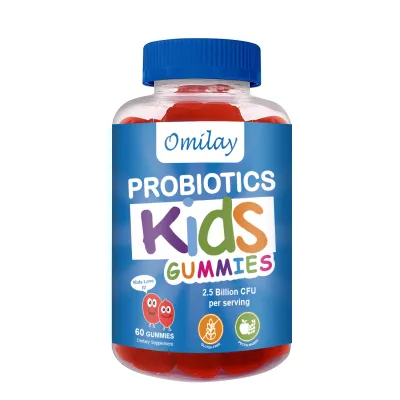
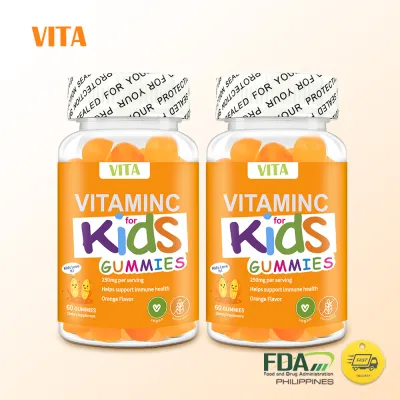
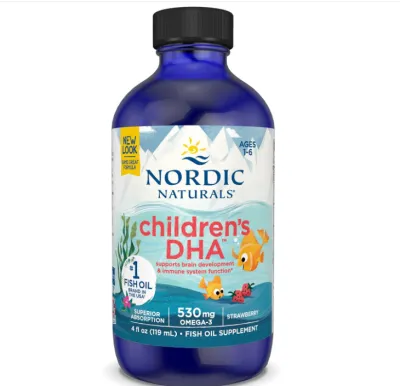
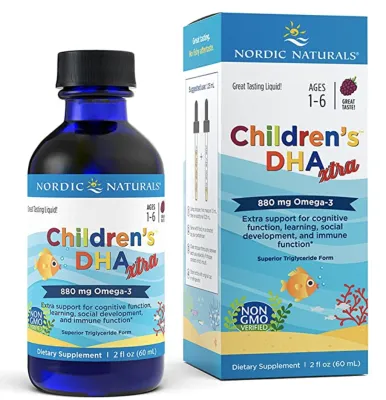
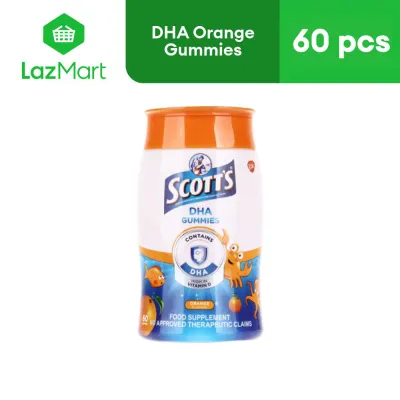
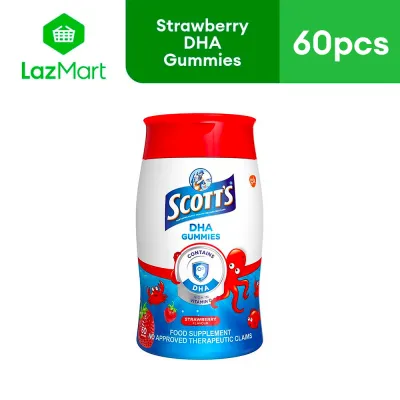
Prices are valid at publication and may change. Please refer to the product page for the latest price.
What Is DHA? Understanding the Essential Omega-3
Docosahexaenoic acid, or DHA, is a long-chain omega-3 fatty acid. It is classified as an essential nutrient because, while it is critical for human health, the human body cannot produce it in sufficient amounts. Instead, we must obtain it directly from the foods we eat or through dietary supplements.
To understand why DHA is unique, it helps to look at how it compares to other common omega-3 fatty acids:
- ALA (Alpha-Linolenic Acid): This is a short-chain omega-3 found in plant-based foods like flaxseeds, chia seeds, and walnuts. While the body can theoretically convert ALA into DHA, the conversion rate in humans—especially in infants and young children—is extremely low and highly inefficient.
- EPA (Eicosapentaenoic Acid): This medium-chain omega-3 is primarily found in marine life. It works alongside DHA to support cardiovascular health and help manage inflammatory responses in the body.
- DHA (Docosahexaenoic Acid): Unlike ALA and EPA, DHA is the primary structural fatty acid found in the brain and the eyes. It is highly concentrated in the cerebral cortex and the retina, making it the most critical omega-3 for early neurological and visual progress.
Because a child’s body cannot efficiently convert plant-based omega-3s into DHA, relying solely on flaxseeds or walnuts is rarely enough to meet their developmental needs. Direct sources of DHA are necessary to ensure their growing brains have the structural building blocks they require.
How DHA Supports Brain and Eye Development in Kids
The human brain is composed of nearly 60% fat, and DHA is one of the most abundant structural lipids within that composition. During pregnancy and the first few years of childhood, the brain accumulates DHA at a rapid pace to support the physical construction of neural networks.

Understanding how this fatty acid functions in the body can help you appreciate its role in your child’s daily learning and development:
- Building Brain Structure: DHA is a major component of the cell membranes in the brain's gray matter. It helps maintain the fluidity and permeability of these membranes, which is essential for allowing signals to travel smoothly between brain cells. This structural support is particularly vital during early childhood, when synaptic connections are forming at an unprecedented rate.
- Supporting Cognitive Function: A brain rich in DHA is better equipped to handle the demands of early learning. While it is important to avoid overhyped claims, stable nutritional science suggests that adequate DHA levels support typical cognitive functions, including attention span, memory retention, and problem-solving abilities as children explore their environment.
- Promoting Healthy Eye Development: The retina of the eye contains an exceptionally high concentration of DHA. Here, the fatty acid supports visual acuity and helps protect retinal cells from oxidative stress. Healthy visual development is closely linked to cognitive growth, as children rely on their sight to process information and learn about the world around them.
- Establishing Safety Boundaries: While DHA is a vital nutrient, it is not a miracle cure. Parents should be cautious of marketing that claims DHA supplements can cure neurodevelopmental conditions like ADHD or guarantee a higher IQ. DHA simply supports healthy, typical brain and visual development, ensuring your child has the nutritional foundation they need to reach their natural potential.
Does Your Child Need a DHA Supplement or Just a Better Diet?
When deciding whether to give your child a DHA supplement, the first step is to evaluate their current diet. For many families, a well-balanced diet can provide all the nutrients a child needs, but certain eating habits or restrictions can make it difficult to reach recommended levels.
Natural Food Sources of DHA
The most potent natural sources of DHA come from the sea. If you want to boost your child’s intake through whole foods, consider introducing these options into their weekly meals:
- Fatty Fish: Salmon, mackerel, and sardines are excellent sources of DHA. In the Philippines, fresh or canned sardines are accessible, affordable options that can be flaked and mixed into rice or pasta.
- Algae: Microalgae is the primary source of DHA in the marine food chain; fish actually get their DHA by eating algae. Algae-derived foods or specialized oils are excellent direct sources.
- Fortified Foods: Many growing-up milks, toddler formulas, and cereals sold in local supermarkets are fortified with DHA to help parents meet their children's nutritional goals.
Identifying Dietary Gaps
Even with healthy foods available, several common scenarios can prevent a child from getting enough DHA:
- Picky Eating Habits: Toddlers are notorious for rejecting foods with strong textures or smells. The distinct aroma of fish often makes it a primary target for mealtime rejection.
- Seafood Allergies: If your child has a diagnosed fish or shellfish allergy, marine-based sources of DHA are entirely off the table.
- Dietary Restrictions: Families following vegetarian or vegan lifestyles will not consume fish, making it difficult to find traditional dietary sources of DHA.
A Parent's Decision Framework
To determine the best path forward, ask yourself these questions:
- Does my child eat at least two servings of low-mercury fish per week? If yes, their dietary intake is likely sufficient.
- Does my child consistently reject seafood or have a known allergy? If yes, a supplement or fortified food is worth considering.
- Are they currently drinking fortified toddler milk? Check the label of their milk to see how much DHA it provides per serving.
Before introducing any new supplement to your child’s routine, always consult your pediatrician. A qualified professional can assess your child’s specific growth, review their diet, and recommend whether a supplement is truly necessary or if simple dietary adjustments will suffice.
How to Choose the Right DHA Vitamins for Your Child
If you and your pediatrician decide that a supplement is the right choice, navigating the pharmacy shelves can feel overwhelming. With so many options available, focusing on safety, age-appropriateness, and ingredient quality will help you make the best choice.
Selecting the Right Format
The best supplement format depends heavily on your child’s age and developmental stage:
- Liquid Oils: Ideal for infants and younger toddlers. Liquid DHA can be measured precisely with a dropper and easily mixed into breastmilk, formula, mashed fruits, or warm oatmeal.
- Chewable Capsules (Burstlets): Suitable for older toddlers and school-aged children who have mastered chewing. These soft capsules are designed to burst in the mouth, releasing a flavored oil. Caregiver supervision is essential to ensure the capsule shell is chewed completely and does not pose a choking hazard.
- Gummy Vitamins: Highly appealing to children, but they carry significant trade-offs. Gummies present a choking risk for children under three years old. They also tend to have lower concentrations of actual DHA per serving and often contain added sugars or artificial sweeteners.
Evaluating the Source: Fish Oil vs. Algae
You will generally choose between two primary sources of DHA:
- Fish Oil: Highly effective and widely available, but it must undergo rigorous purification to remove ocean contaminants.
- Algae-Based DHA: Sourced from farm-grown microalgae, this plant-based option is naturally free from ocean-borne heavy metals like mercury and lead. It is an excellent, highly bioavailable alternative for vegetarian families or children with fish allergies.
Reading the Supplement Label
Do not rely solely on the front of the bottle. Turn the package over and inspect the Supplement Facts panel:
- Check the Active DHA Content: Look for the specific milligram (mg) amount of DHA per serving, not just the "total fish oil" or "total omega-3" content. A bottle might claim "1000 mg of Fish Oil" on the front, but only contain 100 mg of actual DHA inside.
- Inspect the Sugar Content: If choosing gummies, check the grams of added sugar per serving. High-sugar supplements can contribute to dental decay and unnecessary sugar intake.
- Verify Quality and Purity: Look for manufacturers that provide clear documentation of third-party testing. Certifications from independent organizations help verify that the product has been tested for heavy metals, PCBs, and potency, ensuring you are giving your child a clean and safe product. In the Philippines, high-quality DHA supplements typically range from ₱500 to over ₱1,500 per bottle depending on the brand and source.
Safe Usage, Dosage, and Storage Tips in the Philippines
Administering and storing DHA supplements safely requires extra care, especially when dealing with the tropical climate of the Philippines. High temperatures and humidity can quickly degrade delicate oils and ruin gummy vitamins.
Dosage and Administration Guidelines
Always stick strictly to the manufacturer’s recommended dosage based on your child’s age and weight, or follow your pediatrician’s specific prescription.
- Never exceed the recommended daily dose.
- If your child misses a day, do not double the dose on the following day; simply resume their regular schedule.
- Always supervise your child while they take their supplement to prevent choking and ensure they do not consume them as candy.
Managing Tropical Storage Challenges
The warm, humid climate in the Philippines poses a unique challenge for storing nutritional supplements. Fish oil is highly sensitive to heat, light, and air, which can cause it to oxidize and spoil.
- Keep It Cool and Dry: Store liquid oils and capsules in a cool, dark pantry away from direct sunlight, stove heat, or humid bathroom cabinets. Temperatures should ideally remain below 25°C.
- Refrigerate When Necessary: Many liquid DHA supplements must be refrigerated after opening to preserve freshness. Check the product packaging for specific storage instructions.
- Prevent Melting: Gummy vitamins can easily melt and fuse into a single block in tropical heat. Keep them tightly sealed and consider storing them in the refrigerator if your home gets particularly warm during the summer months.
Checking for Spoilage
Oxidized or rancid fish oil loses its nutritional benefits and can cause digestive discomfort. Before giving a supplement to your child, perform a quick quality check:
- Smell: Fresh fish oil should have a mild, clean scent. If it smells strongly foul, sour, or intensely fishy, it has likely spoiled.
- Taste: If your child complains of a bitter or highly unpleasant taste, test a small drop yourself to verify its freshness.
- Appearance: Discard any gummies that have become excessively sticky, changed color, or developed an unusual odor.
When to Stop and Consult a Doctor
While DHA is generally well-tolerated, some children may experience mild side effects. Stop giving the supplement and consult your pediatrician immediately if you notice:
- Digestive upset, such as nausea, loose stools, or frequent spitting up.
- Skin rashes, hives, or itching.
- Any signs of an allergic reaction, such as swelling of the lips, tongue, or throat.
Always keep all supplement bottles tightly closed and stored completely out of your child’s reach to prevent accidental overconsumption.
Frequently Asked Questions (FAQ)
Can my child get enough DHA from food alone?
Yes, children can meet their DHA requirements by regularly consuming low-mercury fatty fish like salmon or sardines twice a week. However, for picky eaters, children with seafood allergies, or families following a plant-based diet, a high-quality DHA supplement serves as a safe and reliable bridge to prevent nutritional gaps.
Is algae-based DHA as effective as fish oil?
Yes, algae-based DHA is highly effective and offers the same cognitive and visual support as fish-derived DHA. Because microalgae is the original source of omega-3s in the marine food chain, algae-derived supplements are highly bioavailable, naturally free from ocean contaminants, and an excellent choice for vegan families.
At what age should I start giving my child DHA vitamins?
Infants generally receive sufficient DHA through breastmilk or fortified infant formula. Standalone DHA supplements are typically considered for toddlers aged one year and older who are transitioning to solid foods. Always consult your pediatrician to verify if your child is ready for a supplement based on their specific developmental stage and diet.
Community discussion
Share your experience or ask a question. Comments are reviewed before publication.