
For generations of parents in the Philippines, the traditional cloth diaper—affectionately known as the lampin—has been an indispensable nursery staple. Among the various materials available, birds eye lampin cotton stands out as a time-tested favorite for families seeking a healthy, sustainable, and budget-friendly diapering solution. Eco-conscious mothers prefer bird’s eye cotton because it combines high absorbency, rapid drying times in tropical humidity, and exceptional durability, all while being a biodegradable, natural fiber that is gentle on a baby’s sensitive skin.
At its core, bird’s eye cotton is a durable, natural textile defined by a unique geometric weave that optimizes fluid absorption and air circulation. Unlike synthetic alternatives, it offers a chemical-free diapering experience that respects a baby’s delicate skin barrier while minimizing environmental impact. For parents navigating the challenges of raising a child sustainably, understanding the science behind this traditional fabric is the first step toward building an efficient, low-waste diapering routine.
Understanding the Bird's Eye Weave and Fabric Structure
The term “bird’s eye” describes a specific weaving technique rather than the raw fiber itself. When examined closely, the fabric reveals a repeating pattern of small, raised diamonds, each with a tiny indentation in the center. This distinctive geometric design resembles the eye of a bird, giving the textile its historic name and setting it apart from standard flat-woven fabrics.
Products mentioned in this guide


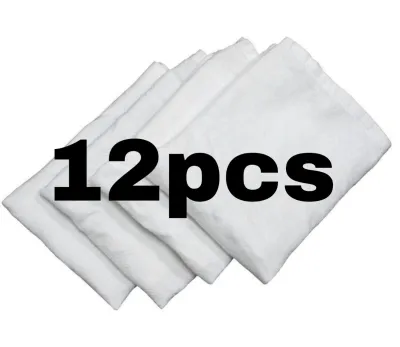
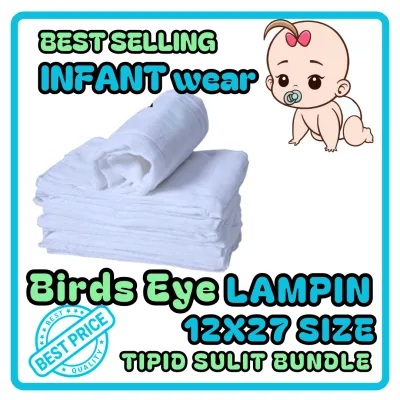
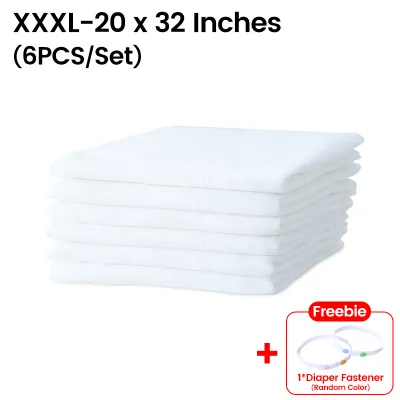
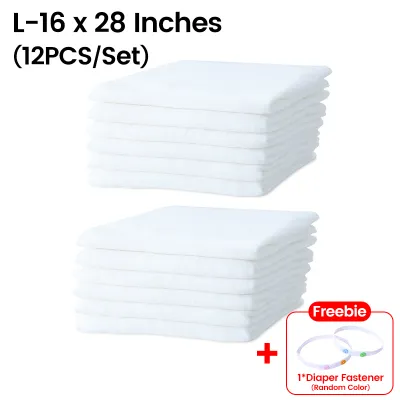
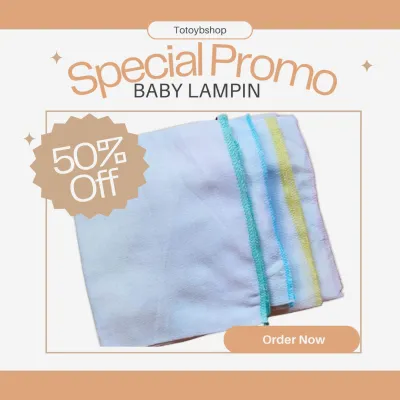
Prices are valid at publication and may change. Please refer to the product page for the latest price.
This diamond-shaped weave is engineered for high performance. The raised pattern increases the overall surface area of the fabric, allowing it to come into contact with liquids more rapidly than a completely flat, plain-woven sheet of cotton. The tiny indentations and pockets within the weave act as miniature reservoirs, catching moisture instantly and dispersing it throughout the surrounding threads to prevent liquid from pooling on the surface.
Furthermore, the physical texture of the weave prevents the fabric from sticking flat against your baby’s skin when wet. This creates a natural barrier of air pockets that facilitates continuous ventilation. When shopping for diapers, always inspect the product label to verify the fabric’s raw material composition. While authentic bird’s eye cloth is made from 100% natural cotton, some mass-produced versions may contain polyester or other synthetic blends. These synthetic additives can significantly decrease the fabric’s natural breathability, trap heat, and lead to skin irritation.
Key Benefits of Birds Eye Lampin Cotton for Cloth Diapers
Absorbency and Quick Drying in Humid Climates
In the tropical climate of the Philippines, where high humidity and warm temperatures are year-round constants, fabric performance is put to the ultimate test. Heavy, multi-layered modern cloth diapers or synthetic inserts often struggle in these conditions. They tend to trap heat around the baby’s diaper area, causing discomfort and heat rash, and can take more than a day to air-dry completely.

Birds eye lampin cotton solves this tropical dilemma beautifully. Because the fabric is relatively thin yet highly absorbent due to its woven structure, it provides the perfect balance of fluid retention and rapid evaporation. When hung on an outdoor clothesline under the tropical sun, these diapers dry in a fraction of the time required for thick bamboo or microfiber inserts. This rapid drying speed is crucial for preventing the growth of mildew, mold, and sour-smelling bacteria, ensuring that your baby’s diapers remain fresh and hygienic.
Durability and Softness Over Time
A reliable cloth diaper must be tough enough to withstand a rigorous laundry cycle. Diapers are subjected to frequent wetting, heavy scrubbing, hot water washes, and intense sunlight. Many standard fabrics degrade quickly under this level of mechanical stress, thinning out, pilling, or fraying at the edges.
The interlocking diamond weave of bird’s eye cotton provides exceptional structural durability. The threads are woven tightly together, preventing them from shifting or unraveling even after hundreds of trips through the washing machine. Remarkably, this toughness does not come at the expense of comfort. While synthetic fabrics can become stiff or scratchy over time, pure cotton actually improves with age. Each wash cycle relaxes the natural cotton fibers, making the fabric progressively softer and gentler against your baby’s skin.
Breathability for Sensitive Skin
A baby’s skin barrier is incredibly delicate and highly sensitive to friction, excess moisture, and chemical irritants. Prolonged exposure to wetness and trapped heat is the primary cause of diaper dermatitis.
The inherent breathability of 100% cotton, combined with the air-trapping pockets of the bird’s eye weave, allows heat and moisture vapor to escape continuously. This continuous airflow helps regulate the temperature inside the diaper cover, keeping your baby’s skin cool and dry. To maintain this protective environment, caregivers should ensure that the diapers are free from synthetic coatings, harsh optical brighteners, or chemical softeners during the washing process. If your baby exhibits persistent skin redness, swelling, or signs of infection in the diaper region, stop using any home remedies, discontinue cloth diapering temporarily if necessary, and consult a qualified pediatrician for professional medical advice.
Why Eco-Conscious Moms Choose Bird's Eye Cotton
For environmentally minded parents, the environmental impact of daily household choices is a major consideration. Single-use disposable diapers represent a massive global waste problem. A single baby can go through thousands of disposable diapers before potty training, resulting in tons of plastic-lined, urine-soaked waste sent directly to landfills. In contrast, a modest stash of reusable birds eye lampin cotton diapers can be washed and reused indefinitely, drastically reducing your household’s contribution to municipal landfills.
Beyond waste reduction, the material footprint of cotton is highly sustainable. Cotton is a renewable, plant-based fiber that naturally biodegrades at the end of its lifecycle. When a cotton diaper eventually wears out after years of service, it can be repurposed as a highly absorbent household cleaning rag, and eventually, it will decompose naturally without leaving harmful residues behind. This stands in sharp contrast to synthetic diapering materials like microfiber, polyester fleece, or polyurethane laminate (PUL). These synthetic materials are petroleum derivatives that shed microscopic plastic fibers into the municipal water system during every wash and will persist in the environment for centuries.
From a financial perspective, choosing reusable cotton diapers is an incredibly smart investment for families. While purchasing high-quality cloth diapers and waterproof covers requires an initial upfront cost, this expense is quickly offset by eliminating the need for daily disposable diaper purchases. Over the course of a baby’s early years, the savings can be substantial, allowing families to allocate their hard-earned pesos to other essential needs like nutrition, healthcare, and education.
To ensure your purchase has the lowest possible ecological impact, look for organic certifications on the product packaging. Certifications such as the Global Organic Textile Standard (GOTS) verify that the cotton was grown using environmentally friendly farming practices, without toxic synthetic pesticides or genetically modified seeds. This supports healthier agricultural soil, protects local water systems, and ensures safer working conditions for farming communities.
How to Prep, Fold, and Wash Bird's Eye Cotton Diapers
Prepping for Maximum Absorbency
When you first purchase brand-new bird’s eye cotton diapers, you will notice they feel somewhat smooth, thin, and slightly stiff. This is because raw cotton contains natural plant oils and waxes, and manufacturers often apply starches or sizing agents to protect the fabric during the weaving and shipping process. If you attempt to use a new diaper immediately, these oils will cause liquids to bead up and run off the fabric rather than absorbing, resulting in instant leaks.
Prepping is the simple process of washing the diapers multiple times to strip away these natural oils and open up the cotton fibers. To prep your diapers, wash them in hot water with a standard, residue-free laundry detergent, followed by a thorough rinse. Repeat this wash-and-dry cycle at least three to five times before placing them on your baby. With each cycle, you will notice the fabric shrinking slightly, tightening, and becoming significantly softer and more textured. This physical transformation indicates that the fibers have opened up and are now fully capable of maximum absorbency.
Folding and Fitting Techniques
One of the greatest advantages of traditional flat bird’s eye cotton diapers is their versatility. Unlike modern pocket diapers that come in a fixed shape, a flat sheet of lampin can be folded in numerous ways to customize the fit and absorbency for your growing baby.
For infants and younger babies, the origami fold or the angel fold is highly recommended. These folds wrap snugly around your baby’s hips and torso, providing full coverage and excellent containment for runny baby stools. For older, active babies or toddler daytime use, the pad fold is a simple and efficient option. To do a pad fold, simply fold the diaper into a neat, multi-layered rectangular strip and place it directly inside a snug-fitting, waterproof diaper cover.
Regardless of the fold you choose, always ensure the diaper fits snugly around your baby’s thighs and waist. Gaps around the legs are the primary cause of leaks. The cotton layer must be completely tucked inside a waterproof cover to prevent moisture from wicking onto outer clothing. Always supervise your baby during diaper changes, and handle pins or modern diaper fasteners with care to prevent accidental pinpricks.
Washing and Maintenance Routine
A consistent, hygienic washing routine is key to keeping your bird’s eye cotton diapers clean, odor-free, and highly absorbent. A standard, dermatologist-approved routine involves a simple two-step washing process.
Begin with a short pre-wash or rinse cycle using cold water and a small amount of detergent. This step flushes out urine and loosens solid waste, preventing organic stains from setting into the cotton fibers. Next, run a heavy-duty main wash cycle using warm or hot water and a full dose of a baby-safe, cloth-diaper-approved detergent. This deep clean sanitizes the fabric and removes any remaining residues.
To preserve the natural absorbency of the cotton, never use fabric softeners or dryer sheets, as these products coat the cotton fibers with a water-repellent chemical layer. Similarly, avoid using petroleum-based diaper rash creams directly against the fabric, as they will clog the tight diamond weave and cause the diaper to repel liquid. If your baby requires a barrier cream, always use a biodegradable liner or a reusable fleece liner to protect the cotton diaper underneath.
Comparing Bird's Eye Cotton to Other Diaper Materials
Choosing the right cloth diaper material involves balancing absorbency, drying speed, cost, and skin sensitivity. Understanding how bird’s eye cotton compares to other popular options helps you make an informed decision tailored to your family’s daily routine and climate.
To help you choose, let’s examine how bird’s eye cotton compares to three common diapering materials:
- Bird's Eye Cotton vs. Bamboo: Bamboo rayon is highly valued for its silky-soft texture and incredible liquid capacity, making it an excellent choice for heavy wetters or overnight use. However, bamboo is a delicate fiber that requires gentle care, is typically more expensive, and takes a very long time to dry. In a highly humid tropical climate, bamboo diapers can remain damp for over 24 hours, increasing the risk of mold and sour odors. Bird's eye cotton offers a more practical, faster-drying, and budget-friendly solution for daily daytime use.
- Bird's Eye Cotton vs. Microfiber: Microfiber is a synthetic, polyester-based fabric that absorbs liquid extremely rapidly. While efficient at catching quick gushes, microfiber has major safety drawbacks. It must never be placed directly against a baby's skin, as its intense moisture-wicking properties will dry out the skin and cause severe diaper rash; it must always be stuffed inside a pocket diaper. Additionally, microfiber is prone to compression leaks—releasing liquid like a squeezed sponge when a baby sits down—and is notorious for trapping bacteria and odors over time. Bird's eye cotton is completely skin-safe, biodegradable, and far easier to wash thoroughly clean.
- Bird's Eye Cotton vs. Cotton Flannel: Cotton flannel is a brushed, heavy-weave fabric that offers a soft, cozy feel. However, flannel is significantly bulkier than bird's eye cotton when folded, which can restrict a baby's natural movement. Flannel also has a lower rate of absorbency per layer, takes longer to dry, and tends to pill and wear out faster under frequent heavy washing. The structured diamond weave of bird's eye cotton provides superior, targeted absorbency and long-term durability with minimal bulk.
Ultimately, birds eye lampin cotton represents the ideal middle ground for everyday diapering. It combines the skin-safe, breathable qualities of a natural fiber with the rapid drying speed and mechanical durability needed to survive a tropical climate and frequent washing, all at a price point that is accessible for growing families.
Frequently Asked Questions (FAQ)
Can I use bird's eye cotton diapers overnight?
Yes, you can use bird’s eye cotton diapers overnight, but you will likely need to boost their absorbency. A single folded diaper is perfect for daytime use when changes are frequent, but it may not hold enough liquid for a baby sleeping a long stretch of eight to twelve hours. To make bird’s eye cotton work overnight, you can double up by using two folded diapers together, or place a highly absorbent insert—such as a hemp or organic cotton booster—inside the waterproof diaper cover. This provides the extra capacity needed to keep your baby dry and comfortable all night long.
Does bird's eye cotton shrink after washing?
Yes, because bird’s eye cotton is made from 100% natural plant fibers, it will naturally shrink when exposed to hot water and high drying temperatures. You can expect your new diapers to shrink by roughly 10% to 15% during the initial prepping and washing process. This shrinkage is a normal, expected characteristic of high-quality cotton. In fact, this shrinkage is beneficial, as it causes the diamond weave to tighten and fluff up, which actually increases the diaper’s thickness and absorbency. Always complete the full prepping process before measuring or adjusting the fit on your baby.
Is bird's eye cotton the same as muslin?
No, they are different fabrics with distinct weaving structures and physical properties. Muslin is a lightweight, plain-weave fabric that is very loose and highly breathable, making it excellent for swaddling blankets, light nursing covers, or summer clothing. Bird’s eye cotton, on the other hand, features a tighter, structured diamond-weave pattern designed specifically for durability and liquid retention. While both are made of natural cotton, bird’s eye cotton has the necessary strength, structure, and targeted absorbency required for diapering, whereas muslin is generally too thin and loose to be used as a reliable diaper.
Community discussion
Share your experience or ask a question. Comments are reviewed before publication.