
Selecting the right diaper bag is one of the most practical decisions a parent can make. When you are out with a baby, your bag serves as a mobile nursery, a pantry, and a personal locker all at once. A standard backpack might seem like an easy substitute, but it often falls short when you need to find a pacifier in seconds or keep a bottle warm. A dedicated mommy backpack is engineered specifically to handle these daily parenting challenges.
To make an informed purchase, you must look beyond aesthetics. The ideal bag balances intuitive storage, durable materials that withstand tropical humidity, and ergonomic support to protect your back. Understanding which features align with your daily routine will ensure you choose a bag that remains functional from the newborn stage through the toddler years.
Quick Answer: Essential Features of a Good Mommy Backpack
For parents who need a direct checklist, a highly functional mommy backpack should feature these five essential elements:
Products mentioned in this guide
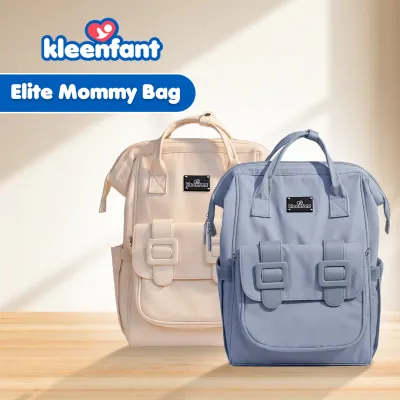
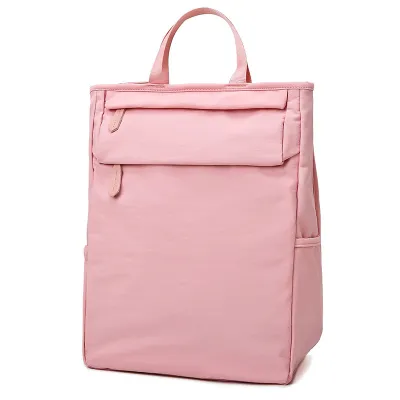
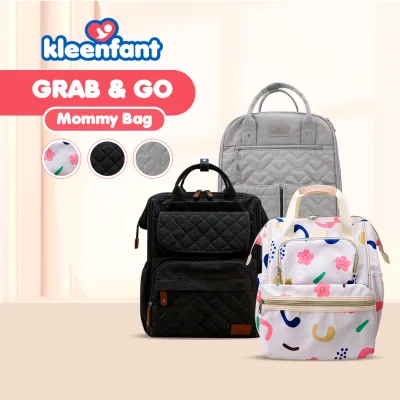
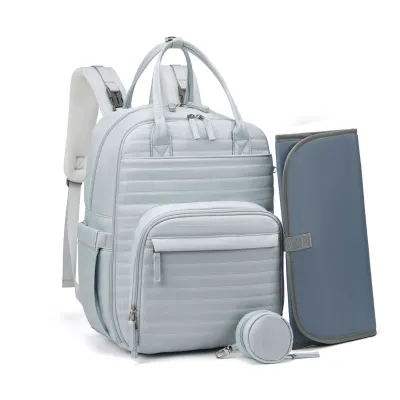
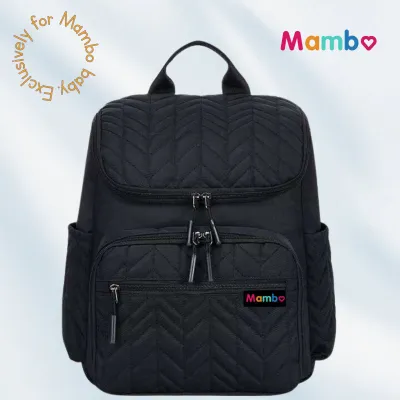
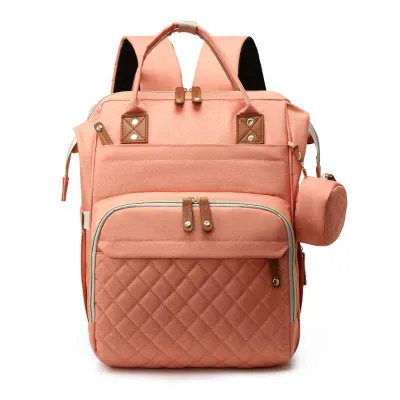
Prices are valid at publication and may change. Please refer to the product page for the latest price.
- Insulated Bottle Pockets: Thermal-lined compartments that help maintain the temperature of milk, formula, or water.
- Water-Resistant and Easy-to-Wipe Materials: Fabrics that resist sudden spills, heavy rain, and are simple to clean inside and out.
- Padded Ergonomic Straps: Wide, adjustable shoulder straps paired with a breathable back panel to distribute weight comfortably.
- Built-in Stroller Straps: Integrated straps or clips that allow you to hang the bag securely from a stroller handle.
- Dedicated Changing Pad Compartment: An easily accessible pocket containing a fold-out or detachable cushioned changing mat.
While these five features form the foundation of a great bag, the ultimate choice depends on your child’s age, your family’s daily routine, and your local climate. For instance, navigating warm, humid environments requires extra attention to breathable fabrics, while long travel days demand higher capacity and specialized travel attachments.
Storage and Organization: Keeping Baby Gear Accessible
An unorganized bag leads to unnecessary stress during outings. When your baby is crying, every second spent rummaging through a cluttered main compartment feels amplified. A well-designed mommy backpack prioritizes structured organization, ensuring that every essential item has a designated, easily reachable home.

Dedicated Insulated Pockets
Temperature control is vital when carrying milk, pre-mixed formula, or warm water for baby food. Dedicated insulated pockets feature thermal-foil linings designed to slow down temperature transfer, keeping bottles warm or cool while you are on the move. When evaluating a bag, check the manufacturer’s specifications regarding the number of insulated pockets and their physical dimensions. Some pockets are designed solely for standard narrow bottles, while others can accommodate wide-neck bottles or larger sippy cups.
It is important to remember that insulated pockets are designed to delay temperature changes, not prevent them indefinitely. For extended day trips under the sun, these pockets do not replace the safety of a dedicated cooler bag with ice packs or a high-quality vacuum-insulated thermos. Always verify the safety guidelines for storing breastmilk or formula to prevent bacterial growth during long outings.
Quick-Access and Wet/Dry Separation
Spills, spit-ups, and diaper leaks are inevitable parts of traveling with a baby. Quick-access side pockets are incredibly helpful, especially those designed with a central slit that allows you to pull out baby wipes or tissues one-by-one without opening the entire bag. This feature is invaluable for managing quick cleanups at the playground, in the car, or during a restaurant meal.
Equally important is a dedicated wet/dry compartment. This is typically a pocket lined with waterproof plastic or TPU (thermoplastic polyurethane) designed to isolate soiled clothes, damp bibs, or used cloth diapers. Keeping wet, soiled items separate from clean clothes and dry diapers prevents cross-contamination, unpleasant odors, and the risk of mold growth, which can develop quickly in humid climates.
Main Compartment and Visibility
The main compartment of a mommy backpack should offer maximum visibility. Traditional top-loading backpacks create a “black hole” effect, where smaller items naturally migrate to the bottom, hidden under larger layers. Look for backpacks featuring wide-opening, clamshell-style zippers or structured doctor-bag frames that stay open on their own. These designs allow you to view the entire contents of your bag at a single glance.
Interior lining color is another subtle but critical factor. Dark linings absorb light and make it difficult to locate small items like pacifiers, keys, or travel-sized diaper creams. Opt for bags with light-colored, contrasting interior fabrics—such as light gray, cream, or pastel tones—which reflect light and make organizing your gear significantly easier.
Materials and Durability: Handling Messes and Humid Weather
A mommy backpack undergoes heavy daily wear and tear. It gets placed on park benches, public restroom floors, and car trunks, all while carrying heavy liquids. Choosing the right materials ensures your bag remains hygienic, intact, and functional over several years of use.
When shopping, differentiate between water-resistant and fully waterproof materials. Water-resistant exteriors, often made of treated nylon, polyester, or polyurethane leather, can repel light rain and accidental spills, giving you time to wipe them clean. Fully waterproof materials offer a higher level of protection but may be heavier or less breathable. Always check the product label and manufacturer specifications to verify the exact level of water protection provided.
The interior lining must be exceptionally easy to clean. Look for slick, wipeable fabrics that do not absorb liquids. If a bottle leaks or baby food spills inside, you should be able to clean the mess completely with a simple damp cloth or disinfectant wipe. Avoid bags with absorbent cotton or low-grade polyester linings that trap moisture and foster mildew or sour odors.
Weight is another critical factor. A heavy bag empty will quickly become exhausting once packed with diapers, water bottles, and toys. Look for lightweight base materials like high-density nylon or lightweight polyester. Despite their low weight, these fabrics offer excellent tensile strength.
Before purchasing, inspect the quality of the hardware and construction. Zippers should glide smoothly without catching, as cheap zippers are often the first component to fail under the pressure of a fully packed bag. Look for reinforced double-stitching at high-stress points, particularly where the shoulder straps and top grab handle attach to the main body of the bag. Reading user reviews can provide valuable insights into how well a specific brand’s zippers and seams hold up over months of real-world use.
Finally, to preserve the bag’s structural integrity and water-resistant coatings, always follow the manufacturer’s care and washing instructions. Some bags are machine washable on gentle cycles, while others strictly require spot cleaning. Using incorrect washing methods can strip away protective coatings or warp the bag’s internal support panels.
Comfort and Ergonomics: Carrying Heavy Loads Easily
A fully packed mommy backpack can easily weigh several kilograms. Carrying this weight during long walks, doctor visits, or grocery runs can place significant strain on your shoulders, neck, and lower back. Prioritizing ergonomic design protects your physical well-being and makes outings far more pleasant.
Padded Straps and Back Support
To prevent muscle strain, look for wide, contoured shoulder straps with thick padding. Thin, unpadded straps tend to dig into your shoulders under heavy loads, restricting circulation and causing discomfort. Adjustable straps allow you to position the backpack high and tight against your back, which keeps the center of gravity close to your body and reduces the strain on your lower lumbar region.
In warm, tropical climates like the Philippines, a breathable back panel is a non-negotiable comfort feature. Look for back panels lined with multi-layered air mesh. This design facilitates airflow between your back and the bag, significantly reducing sweat buildup and keeping you cool during long walks. Additionally, some larger backpacks include adjustable chest or sternum straps. While optional, these straps help distribute weight across your chest and stabilize the load, preventing the shoulder straps from slipping off when you bend down to tend to your child.
Stroller Straps and Versatile Carrying
You will not always want to wear your backpack on your shoulders. Built-in stroller straps or dedicated D-rings compatible with universal stroller clips allow you to hang the bag directly from your stroller’s handlebar. This transfers the weight off your body entirely, giving you hands-free freedom to push the stroller and interact with your baby.
However, hanging bags on strollers requires strict safety precautions. Always consult your stroller manufacturer’s documentation to verify the maximum weight limit allowed on the handlebar. Hanging a heavy backpack can easily exceed these limits, causing the stroller to tip backward. This is a severe safety hazard, especially if your child is seated inside. If the stroller feels unstable or if you are using a lightweight umbrella stroller, always store the backpack in the under-seat basket instead.
Versatility in carrying styles adds further convenience. Look for a bag with strong, padded top grab handles that let you lift the bag quickly with one hand when boarding a bus or lifting it into a car trunk. Some modern designs also feature convertible straps, allowing you to transition the bag from a backpack to a messenger bag or a tote, adapting to different social settings or outfits.
Choosing the Right Size and Layout for Your Lifestyle
There is no single “perfect” size for a mommy backpack. A bag that is too small will leave you struggling to fit basic essentials, while a bag that is too large can become unnecessarily heavy and cumbersome. Selecting the right capacity requires matching the bag’s layout to your child’s age and your typical daily activities.
Newborns vs. Toddlers
The developmental stage of your child dictates what you need to pack. Newborns require a high volume of small, delicate items. You will need space for numerous diapers, multiple changes of clothes to handle spit-ups, nursing covers or formula supplies, burp cloths, and pacifiers. A newborn-focused bag benefits from a highly compartmentalized layout with many small pockets to keep these tiny items organized and sterile.
As your child grows into a toddler, their daily needs change. Toddlers require fewer diaper changes, meaning you can dedicate less space to diapers and wipes. Instead, you will need larger, open compartments to accommodate bulky items like snack containers, sippy cups, toys, coloring books, and a light jacket or sweater for air-conditioned indoor spaces. A bag with fewer, larger compartments often works best for this stage.
Short Errands vs. Full-Day Outings
Consider where you spend most of your time. If your daily routine consists of quick trips to the local clinic, neighborhood grocery stores, or nearby malls, a streamlined, compact backpack is highly efficient. These smaller bags (typically around 15 to 18 liters) keep you agile, fit easily into tight spaces, and prevent you from overpacking unnecessary items.
Conversely, if you frequently embark on full-day outings, family road trips, or flights, you will require a high-capacity travel backpack (ranging from 20 to 25 liters or more). These larger bags should feature dedicated travel conveniences, such as integrated luggage sleeves that slide over the handles of rolling suitcases, extra-large clothing compartments, and robust outer pockets to hold travel documents securely.
Multiples and Sibling Gear
Packing for twins, triplets, or siblings of different ages requires a highly strategic approach to storage. You must carry gear that caters to completely different developmental needs simultaneously. For instance, you may need to pack formula and diapers for an infant alongside snacks, toys, and potty-training spare clothes for a toddler.
For families with multiple children, look for extra-large backpacks with distinct dual-zone organization. This layout allows you to dedicate one half of the bag to your baby’s feeding and changing supplies, and the other half to your toddler’s gear, preventing items from getting mixed up. When packing for multiples, always check the bag’s maximum weight capacity and structural limits as specified by the manufacturer. Overloading a bag beyond its intended capacity can cause the fabric to tear, seams to split, or straps to fail prematurely.
Hygiene, Safety, and Travel-Friendly Add-ons
Beyond basic storage and comfort, several specialized features can enhance the hygiene, safety, and convenience of your daily outings. These details often distinguish a premium, well-thought-out mommy backpack from a standard daily bag.
First, prioritize chemical safety. Because you will be storing baby bottles, teething toys, and snacks inside the bag, verify that the interior linings and plastics are certified free from harmful chemicals such as BPA (Bisphenol A), phthalates, and PVC. Check the manufacturer’s product documentation or official website to confirm these safety standards, as cheap plastics can leach chemicals when exposed to high heat inside a parked car or during hot summer days.
A high-quality, portable changing pad is another indispensable accessory. Many mommy backpacks include a matching, fold-out or detachable changing pad. Before purchasing, verify the dimensions of this pad to ensure it is long enough to accommodate your growing baby. It should feature a waterproof, easy-to-wipe surface and a reasonable layer of foam padding to protect your baby’s head and back when changing diapers on hard public changing tables.
Security is another important consideration, especially when navigating crowded public transport, busy markets, or shopping malls. Look for backpacks equipped with an anti-theft pocket. This is typically a hidden, zippered pocket located on the back panel of the bag, resting directly against your lower back. Because this pocket is inaccessible while you are wearing the backpack, it provides a highly secure space to store your phone, wallet, passport, and keys, leaving you free to focus on your child without worrying about pickpockets.
Finally, for families who travel frequently, a luggage pass-through sleeve is a highly convenient addition. This is a wide fabric band on the back of the backpack that allows you to slide the bag securely over the telescoping handle of your rolling suitcase. This simple feature eliminates the need to carry a heavy backpack through airport terminals, reducing physical fatigue during transit.
Frequently Asked Questions (FAQ)
Can I use a regular backpack instead of a specific mommy backpack?
Yes, you can use a regular backpack, but it often proves less convenient. Standard backpacks typically lack specialized features like insulated bottle pockets, quick-access wipe dispensers, and dedicated wet/dry compartments. Without these built-in organizational zones, baby gear easily becomes mixed up, and cleaning up accidental milk leaks or food spills becomes significantly harder.
How do I clean and maintain a mommy backpack to prevent odors?
To prevent odors and mold, empty your backpack daily and wipe the interior linings with a damp cloth or a mild, baby-safe disinfectant. Leave the bag completely open in a well-ventilated area to air dry. Always consult the manufacturer’s care label before attempting to machine wash or spot clean the bag, as harsh detergents and hot water can degrade water-resistant coatings.
What is the ideal weight for an empty mommy backpack?
While exact weights vary depending on the materials and size, a high-quality empty mommy backpack should ideally weigh between 0.6 and 1.2 kilograms. Choosing a lightweight empty bag ensures that once you pack it with heavy bottles, water, diapers, and spare clothes, the overall load remains manageable and does not cause unnecessary physical strain. Always check the manufacturer’s product specifications for exact weight measurements before purchasing.
Community discussion
Share your experience or ask a question. Comments are reviewed before publication.