
Selecting the right bag for baby essentials is one of the most practical decisions you will make as a parent. A high-quality diaper bag does not simply carry items; it serves as a mobile organizational system that keeps feeding gear, diapers, spare clothes, and personal valuables safe and accessible. To find a bag that fits your daily routine, you must look beyond basic aesthetics and evaluate structural design, material durability, and ergonomic comfort.
Every family has a unique daily rhythm, meaning the ideal bag for one parent might not suit another. Whether you are navigating busy city streets, commuting in warm weather, or preparing for long family road trips, understanding key features will help you invest in a bag that simplifies your outings rather than adding to your daily stress.
Quick Guide: Core Features of a Baby Essentials Bag
When shopping for a bag for baby essentials, certain non-negotiable features directly impact your daily comfort and efficiency. A reliable bag must keep your hands free, protect its contents from unpredictable weather, and allow you to locate critical items in seconds during an emergency.
Products mentioned in this guide
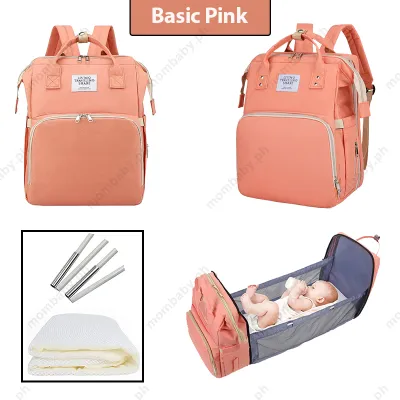
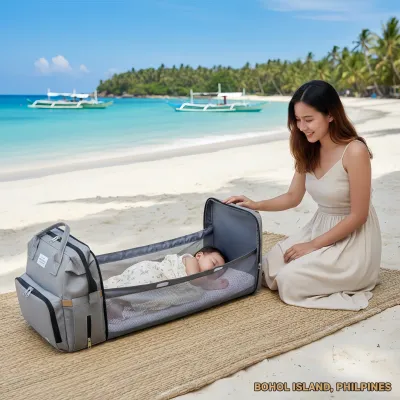
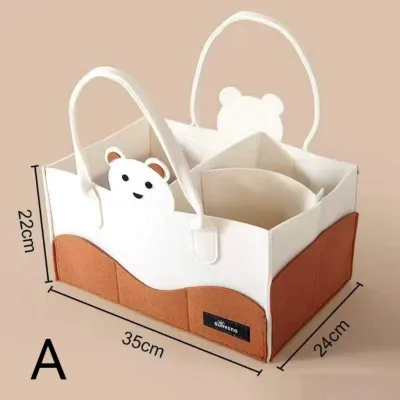
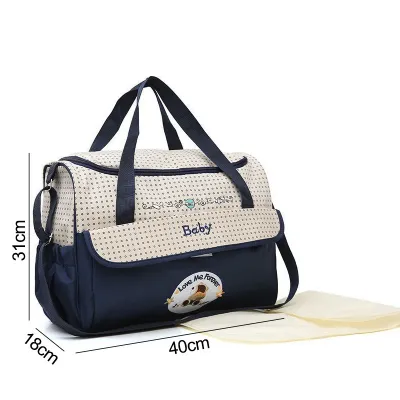
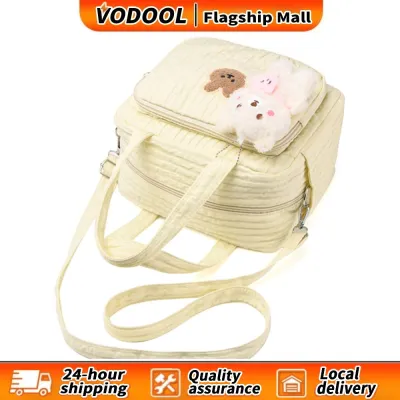
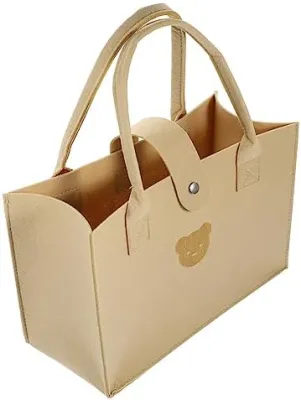
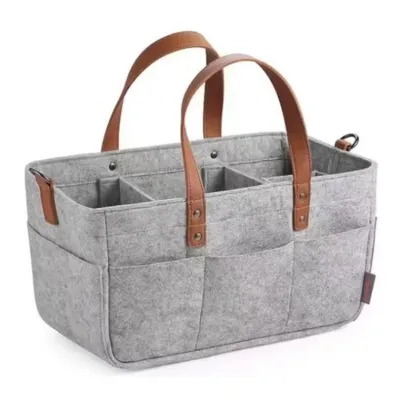
Prices are valid at publication and may change. Please refer to the product page for the latest price.
Prioritize these essential features during your search:
- Insulated compartments: Dedicated pockets lined with thermal materials to maintain the temperature of milk, formula, or baby food.
- Wipe-clean interiors: Light-colored, water-resistant linings that allow you to quickly clean up spills and easily spot items at the bottom.
- Ergonomic carrying options: Padded, adjustable shoulder straps or backpack configurations that distribute weight evenly across your body.
- Quick-access pockets: Dedicated external slots for items you need to grab instantly, such as wet wipes, pacifiers, or your phone.
Ultimately, the best bag is one that aligns with your typical travel duration and transportation methods. A minimalist clutch may work perfectly for quick neighborhood errands, while a high-capacity backpack is indispensable for full-day travel.
Essential Compartments and Organization Features
A disorganized baby bag quickly becomes a source of frustration. When your infant is crying and needs an immediate change or feeding, you cannot afford to spend minutes rummaging through a single, deep compartment. Well-designed organizational features ensure that every item has a dedicated, secure place.

Insulated Bottle and Food Pockets
Thermal insulation is crucial for preserving the quality of breast milk, prepared formula, or baby food while you are away from home. Insulated pockets are typically lined with specialized thermal foil or dense foam layers that slow down temperature transfer. This insulation helps keep milk cold or warm water at an appropriate mixing temperature during your outings.
When evaluating a bag, check the number and dimensions of the insulated pockets. Many standard bags feature narrow insulated slots designed for traditional, slim bottles. If you use wide-neck bottles or wider silicone sippy cups, verify that the pocket diameters can accommodate them without straining the zippers. Always follow manufacturer guidelines regarding safe storage times for breast milk or formula, and test the temperature of any liquid on your wrist before feeding your child.
Quick-Access and Wipes Dispenser Pockets
Diaper changes and spit-up emergencies require immediate action. External side pockets allow you to retrieve high-use items without opening the main compartment of the bag. These pockets are ideal for storing items like water bottles, small toys, or pacifiers that need to be kept within arm’s reach.
Many modern baby bags feature a dedicated wipes dispenser pocket on the exterior. This pocket typically includes a zippered or magnetic slit that aligns with the opening of your travel wipes package. This design allows you to pull out a single wipe with one hand while keeping your other hand safely on your baby during a diaper change. Ensure the outer flap seals tightly to prevent your wet wipes from drying out in warm climates.
Secure Storage for Parent and Baby Valuables
Mixing your personal belongings with baby gear can lead to damaged electronics or lost keys. A dedicated “parent zone” is an essential organizational feature. This compartment should be physically separated from the main baby storage area to prevent cross-contamination from soiled clothes or leaking bottles.
Look for bags that include zippered parent pockets positioned securely against your body to deter theft in crowded areas. Useful internal features include key clips, which save you from digging to the bottom of the bag, and padded tech sleeves to protect tablets, e-readers, or portable breast pumps. Keeping your wallet, phone, and keys in a designated, dry pocket ensures they remain clean, dry, and easily accessible.
Material, Durability, and Comfort Considerations
A baby bag undergoes significant wear and tear, often being placed on public restroom floors, park benches, and car trunks. In tropical climates characterized by high humidity and sudden rain showers, material selection directly affects both the longevity of the bag and the safety of its contents.
Wipe-Clean and Water-Resistant Fabrics
Spills, leaks, and crushed snacks are inevitable when traveling with an infant. The interior lining of your bag should be made from a smooth, water-resistant material like high-density nylon or polyester that can be wiped clean with a damp cloth. Opt for light-colored interior fabrics, such as light gray, cream, or pastel shades; dark interiors create a “black hole” effect, making it difficult to find small items in low-light environments.
For the exterior, look for water-resistant fabrics that protect baby gear during sudden downpours. Treated nylon, water-repellent polyester, and high-grade polyurethane (vegan leather) are excellent choices. Canvas can be durable but is highly susceptible to absorbing moisture and developing mold or mildew in humid environments unless it has been treated with a protective, water-resistant coating. Always check the manufacturer’s care label to determine if the bag is machine washable or if it requires spot-cleaning and air-drying.
Carrying Styles and Ergonomic Straps
The physical comfort of carrying a fully loaded baby bag cannot be overstated. A packed bag can easily weigh several kilograms, placing strain on your neck, shoulders, and lower back. Comparing different carrying styles will help you choose a design that supports your physical health.
- Backpacks: These are highly recommended for daily use because they distribute weight evenly across both shoulders. This design keeps your hands completely free to carry your baby, navigate strollers, or handle public transit.
- Totes and Shoulder Bags: These offer a classic look and quick access to contents while hanging from your shoulder. However, carrying a heavy tote on one side of your body for extended periods can cause muscle strain and posture misalignment.
- Crossbody Bags: These provide a secure fit and hands-free convenience, though they can still place uneven pressure on one shoulder if overloaded.
- Convertible Bags: These versatile options feature removable or tuck-away straps, allowing you to transition between backpack, tote, and crossbody styles as your daily needs change.
Regardless of the style, look for wide, heavily padded shoulder straps that do not dig into your skin. For warm climates, prioritize back panels made with breathable, multi-layered air mesh to promote ventilation and minimize sweat buildup. If the bag includes stroller straps or clips, consult your stroller’s user manual before attaching the bag. Hanging heavy items from stroller handlebars can alter the center of gravity, creating a dangerous tipping hazard for your child.
Matching Bag Features to Your Parenting Lifestyle
Your choice of a bag for baby essentials should align with your lifestyle, family size, and travel habits. Analyzing your typical daily routine prevents you from buying a bag that is either too bulky for quick trips or too small for your actual needs.
Short Errands and Quick Outings
If your daily routine consists primarily of brief trips to the local grocery store, neighborhood walks, or quick visits to nearby relatives, a large, heavy backpack is unnecessary. For these short outings, a compact crossbody diaper bag or a portable diaper clutch is highly efficient.
These minimalist options should provide just enough space to hold two or three diapers, a travel-sized pack of wipes, a single bottle, and a change of clothes. Choosing lightweight, streamlined materials ensures you remain agile and comfortable during quick trips without carrying excess weight.
Full-Day Trips and Travel
For family day trips, flights, or long road journeys, you require a high-capacity bag designed to sustain your baby for many hours. Look for large-capacity backpacks (typically 20 to 30 liters) that feature wide-opening main compartments, often structured with a metal frame that stays open on its own while you pack.
Travel-friendly bags should include multiple insulated bottle pockets, a dedicated sleeve for a portable changing pad, and separate wet/dry compartments to isolate soiled clothing. A luggage pass-through sleeve on the back panel is also highly beneficial, allowing you to slide the diaper bag securely over the telescoping handle of a rolling suitcase at airports or transit terminals.
Multiples or Toddler Transitions
Caring for twins or managing an infant alongside an active toddler requires a highly strategic approach to organization. You will need to carry different sizes of diapers, multiple types of snacks, and separate feeding bottles simultaneously.
For larger families, look for extra-wide bags with dual main compartments or modular packing systems. Utilizing color-coded packing cubes or separate wet bags helps you segregate items for each child, ensuring you do not accidentally pull out a toddler-sized diaper during an infant change. Ensure the bag features robust, reinforced stitching at key stress points to handle the increased weight load.
Understanding Price Bands
When budgeting for a baby essentials bag, understanding what features are available at different price points helps you make an informed investment:
- Budget-friendly (under ₱1,500): Typically made from standard polyester or lightweight nylon. These bags offer basic organization with fewer specialized compartments and standard plastic zippers. They are excellent for occasional use or as a backup bag kept in the family car.
- Mid-range (₱1,500 to ₱4,000): This is the sweet spot for daily durability. These options feature high-density water-resistant fabrics, durable metal hardware, multiple insulated pockets, ergonomic padded straps, and often include a matching travel changing pad.
- Premium (above ₱4,000): Made from premium materials such as top-tier vegan leather or ballistic nylon. These bags offer advanced organizational layouts, reinforced construction, extended warranties, and designer aesthetics suitable for professional environments.
Safety, Hygiene, and Pre-Purchase Checks
Before finalizing your purchase, you must verify that the bag meets strict safety and hygiene standards. Because the bag will remain in close proximity to your baby and store items that go directly into your child’s mouth, careful inspection is essential.
First, review the product specifications or labels to confirm that the interior linings and materials are certified non-toxic. Ensure they are free from harmful chemicals such as Bisphenol A (BPA), Polyvinyl Chloride (PVC), lead, and phthalates. This is particularly important for insulated pockets where bottles and pacifiers are stored.
Second, inspect the physical construction of the bag for potential safety hazards. Examine all zipper pulls, metal snaps, decorative tassels, and plastic buckles to ensure they are securely attached. Loose or fragile components can easily break off and pose a serious choking hazard to curious infants who like to explore textured objects.
Third, practice strict stroller safety. Never hang a heavily loaded diaper bag on stroller handlebars unless the stroller manufacturer explicitly states that the model is designed to support that specific weight distribution. To prevent tipping accidents, always store heavy items in the stroller’s lower under-seat basket first, using handlebar straps only for lightweight, empty bags.
Finally, establish a regular cleaning routine to prevent the growth of bacteria, mold, and mildew. In humid environments, damp clothes or spilled milk left inside a closed bag can develop mold within 24 to 48 hours. Empty the bag completely at the end of each week, wipe the interior with a mild, baby-safe sanitizing solution, and allow it to air-dry completely in a well-ventilated area before packing it again.
Frequently Asked Questions (FAQ)
Can I use a regular backpack instead of a specific baby essentials bag?
Yes, you can use a standard backpack, but you will miss out on specialized features designed specifically for childcare. Regular backpacks generally lack thermal insulation to keep bottles fresh, do not feature wipe-clean waterproof interior linings to handle spills, and lack dedicated quick-access wipes pockets. While a standard backpack works well for brief outings, a purpose-built baby bag offers significantly better organization, hygiene control, and convenience for daily parenting routines.
Do I really need a built-in changing pad?
While a built-in changing pad offers convenience, many parents find that a detachable or separate foldable travel changing pad is much more practical. Built-in pads that are permanently stitched to the bag can be difficult to clean thoroughly if soiled, and they add permanent bulk and weight to the bag’s structure. A separate, independent changing pad can be washed separately, replaced easily if damaged, or left behind when you are traveling to locations that already have dedicated baby-changing facilities.

Community discussion
Share your experience or ask a question. Comments are reviewed before publication.