
Quick Answer: Must-Have Features in a Baby Caddy Bag
A baby caddy bag is a highly functional, portable organizer designed to centralize diapering, feeding, and soothing essentials, ensuring everything you need is within arm’s reach. Whether you are navigating a middle-of-the-night diaper change in a dark nursery or managing an unexpected blowout during a family outing, a well-organized caddy saves valuable time and minimizes parental stress. To find an organizer that truly simplifies your daily routine, prioritize four critical features: customizable compartment layouts, easy-to-clean and water-resistant materials, reinforced and comfortable handles, and a size that accommodates your current diaper sizes without becoming overly bulky.
The ideal caddy bag for your household depends heavily on its primary environment. A stationary nursery organizer requires structural rigidity and a larger capacity to hold bulk items on a changing table. In contrast, an on-the-go travel companion must prioritize lightweight portability, secure closures, and compact dimensions to fit easily into strollers or car seats. Understanding these core distinctions allows you to select a caddy that fits seamlessly into your daily parenting flow.
Core Features to Evaluate for Daily Organization
Selecting the perfect diaper caddy involves looking beyond basic aesthetics to evaluate how the bag performs under the daily pressures of infant care. A high-quality caddy must withstand frequent handling, resist spills, and adapt as your baby’s physical needs evolve from the newborn stage through toddlerhood. By focusing on specific structural and material elements, you can ensure your organizer remains a durable and helpful asset for years to come.
Products mentioned in this guide
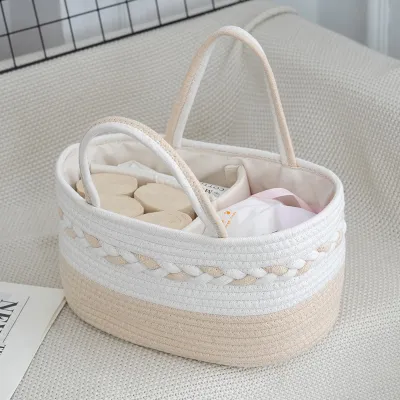
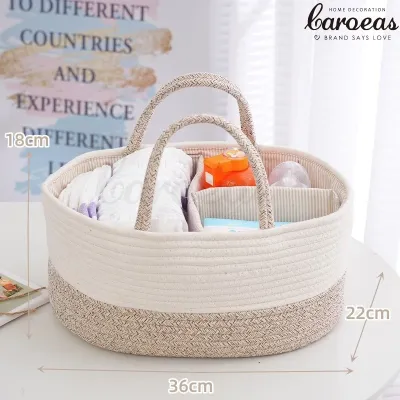
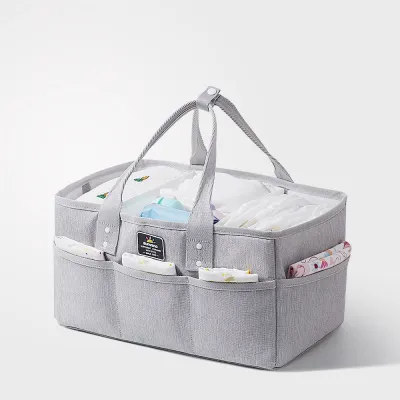
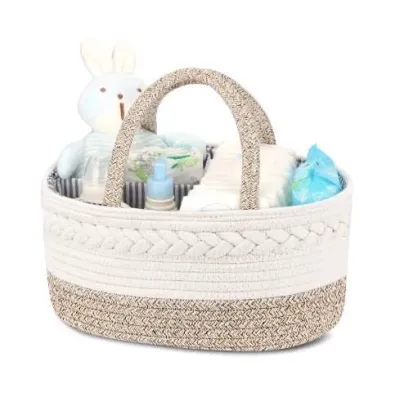
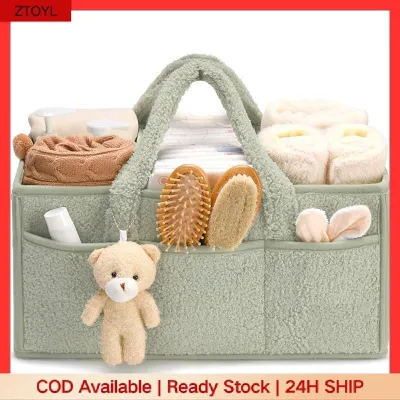
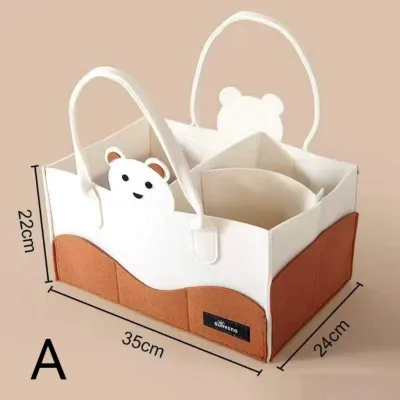
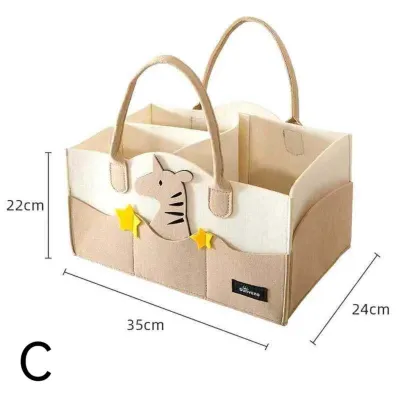
Prices are valid at publication and may change. Please refer to the product page for the latest price.

Customizable Compartments and Pockets
The internal layout of a caddy bag directly dictates how efficiently you can organize and retrieve items during high-stress moments. Look for organizers featuring removable or adjustable dividers, which typically attach via sturdy hook-and-loop fabric strips. These modular dividers allow you to customize the main compartment’s dimensions, making it easy to transition from storing tiny newborn diapers to holding larger toddler diaper pants, change of clothes, or even snack containers as your child grows.
External pockets are equally vital for daily efficiency, acting as quick-grab zones for items you need to access instantly without digging through the main compartment. Ensure the caddy has multiple exterior slip or mesh pockets to keep adult essentials like your smartphone, keys, or hand sanitizer completely separate from clean baby items. This separation prevents cross-contamination and ensures you can locate your personal items in seconds while keeping one hand securely on your baby.
Internal organization is further enhanced by dedicated elastic loops or specialized slots along the inner walls of the caddy. These loops are designed to keep bottles, diaper creams, baby oils, and wet wipe dispensers standing upright. Securing these items prevents messy leaks and spills inside the bag, which is especially important when carrying liquid-heavy essentials from room to room or loading them into a vehicle.
Easy-to-Clean and Durable Materials
The material of your caddy bag determines its longevity, ease of maintenance, and suitability for your local environment. Common materials include felt, canvas, nylon, polyester, and vegan leather, each offering distinct advantages and trade-offs:
- Felt: Highly popular for its modern, minimalist aesthetic and soft texture, though standard felt is highly porous and prone to absorbing liquid spills, catching dust, and pilling over time.
- Canvas: Offers classic, heavy-duty durability and a timeless look, but cotton canvas can absorb moisture easily and may require full machine washing to remove stubborn stains.
- Nylon and Polyester: Exceptionally lightweight, highly water-resistant, and incredibly easy to wipe down, making them highly practical choices for busy parents.
- Vegan Leather: Provides a premium, sophisticated appearance while being completely wipeable and highly durable, though it tends to be slightly heavier than synthetic fabrics.
In warm, humid tropical climates like the Philippines, material selection requires extra care. High humidity levels can easily trap moisture in organic fibers like untreated cotton canvas or low-grade felt, creating a breeding ground for mold, mildew, and unpleasant odors. To combat this, look for caddies equipped with water-resistant, wipeable inner linings and quick-dry synthetic outer fabrics that resist moisture retention, ensuring the organizer remains hygienic.
Additionally, always verify the manufacturer’s product specifications regarding material safety. If you plan to store uncovered pacifiers, teething rings, or baby skincare items directly in the compartments, ensure the materials are certified as non-toxic, lead-free, and phthalate-free. Checking these manufacturer details guarantees that the storage environment remains completely safe for items that will go directly into your baby’s mouth or onto their sensitive skin.
Ergonomic Handles and Portability
A caddy bag is only as useful as it is portable, meaning the design of its handles is a critical factor for daily comfort. Parents frequently find themselves carrying a fully loaded caddy in one hand while balancing a squirming infant in the other. Look for wide, padded, or reinforced handles that distribute weight evenly across your palm, preventing the straps from digging into your skin when the bag is packed to its maximum capacity.
The attachment points where the handles meet the main body of the bag are common failure zones under heavy loads. Before purchasing, inspect the stitching quality; high-quality caddies utilize reinforced box-X stitching patterns or metal rivets to secure the handles to the frame. This reinforcement ensures the handles will not tear away when lifting heavy loads of wet wipes, water bottles, and diapering creams.
For enhanced versatility, consider caddies that offer alternative carrying methods. Detachable, adjustable shoulder straps are excellent for hands-free carrying when moving between floors or loading the car. Furthermore, handles that can fold completely flat or slide down into the sides of the bag are highly convenient, allowing the caddy to function as a neat drawer insert or sit flush on narrow nursery shelves without blocking access to the contents.
Size and Capacity for Growing Needs
Finding the right size requires balancing your storage requirements with the physical space available in your home. To ensure the caddy is practical, measure its main compartments against the specific diaper brand and size your baby currently wears. A newborn diaper is compact, but active baby pants in larger sizes (such as L, XL, or XXL) take up significantly more physical volume; your caddy should comfortably hold at least 15 to 20 of these larger diapers alongside a standard, heavy pack of wet wipes.
While a large caddy might seem appealing for its high capacity, avoid buying an excessively massive organizer for small living spaces. A fully loaded, oversized caddy can quickly become too heavy and cumbersome to carry safely with one hand, defeating its purpose as a portable organizer. Additionally, bulky caddies can clutter changing tables or bedside stands, creating unnecessary physical obstacles in tight spaces.
If you want an organizer that adapts over time, look for expandable designs or modular caddies featuring external mesh pockets that stretch or side snaps that allow the bag to compress when empty. These adaptive features ensure the caddy can easily scale down for quick trips or expand to accommodate extra clothing sets, swaddles, and feeding bottles during longer day outings.
Choosing the Right Caddy Style for Your Routine
The way you structure your daily parenting routine should dictate the style of caddy bag you select. Some parents require a permanent, beautiful storage solution that remains in the nursery, while others need a rugged, secure companion for frequent car travel and outdoor stroller walks. Matching the physical style of the caddy to your specific lifestyle ensures maximum utility and prevents you from fighting against your gear.
Nursery Diaper Caddies for Stationary Use
If your caddy is destined to remain primarily on a changing table, dresser, or bedside shelf, prioritize structural integrity and aesthetic design. Look for organizers made from thick, high-density felt (at least 3mm thick) or canvas reinforced with internal plastic support panels. These rigid frames ensure the caddy holds its shape perfectly even when completely empty, allowing you to grab a diaper or a tube of cream with one hand without the bag collapsing or folding inward.
Stationary nursery caddies are also excellent for holding bulkier items that you do not necessarily need to transport, such as large boxes of sterile cotton balls, changing pad liners, extra swaddles, and multiple changes of clothing. Because portability is secondary for a stationary organizer, you can comfortably opt for heavier materials, decorative wooden handles, or larger dimensions that blend beautifully with your nursery’s interior decor scheme.
Stroller and Car Caddies for On-the-Go Parents
For parents who travel frequently, run errands, or navigate local shopping malls and parks, a portable on-the-go caddy is indispensable. These bags must prioritize compact, lightweight designs and feature secure closures—such as zippered lids, heavy-duty velcro flaps, or strong magnetic snaps—to prevent diapers and bottles from falling out when driving over bumps or tilting the bag.
Stroller integration is a key feature for mobile parents, so look for caddies equipped with dedicated attachment mechanisms like sturdy velcro straps or integrated carabiner clips. Always verify your stroller manufacturer’s weight limits before hanging a loaded caddy on the handlebar; overloading the handlebar can easily cause the stroller to tip backward, creating a serious safety hazard for your baby. Additionally, look for a caddy with a textured, non-slip rubberized base to keep it securely upright when sitting on a car seat or center console.
Hygiene, Safety, and Maintenance Guidelines
Maintaining a clean and safe caddy bag is essential for protecting your baby’s health and ensuring the longevity of your organizer. Because caddies store items that come into direct contact with your baby’s skin and mouth, regular upkeep and safety inspections must become a standard part of your parenting routine. Following proper care and safety guidelines prevents accidents and keeps your baby’s essentials hygienic.
Cleaning Routines by Material: Before initiating any cleaning process, always check the manufacturer’s care label attached to your specific caddy bag. For felt organizers, spot clean dirty areas using a damp microfiber cloth and a mild, baby-safe detergent; never submerge felt in water or place it in a washing machine, as this can ruin its structural shape and cause severe shrinkage. Canvas caddies can often be machine-washed on a gentle, cold cycle, but they should always be air-dried completely to prevent warping. Nylon, polyester, and vegan leather are the most low-maintenance options, requiring only a quick wipe with a baby wipe or a damp cloth mixed with mild soap to clean up leaks or dust. Ensure the caddy is completely dry before restocking it to prevent trapped moisture.
Preventing Overloading and Tipping: An overloaded or poorly balanced caddy bag poses a physical hazard, especially when placed on elevated surfaces like changing tables or dresser tops. To maintain a low center of gravity and prevent the bag from tipping over, always place your heaviest items—such as full containers of wet wipes, large bottles of lotion, or glass feeding bottles—at the bottom and dead center of the main compartment. Reserve the outer pockets and upper sections exclusively for lightweight items like pacifiers, bibs, and cotton swabs.
Hardware and Wear Checks: Conduct a quick physical inspection of your caddy bag every few weeks to check for signs of wear and tear. Pay close attention to the stitching on the handles, the integrity of the zippers, and the attachment points of the internal dividers. Look for loose threads, fraying fabric, or small detached plastic and metal parts; loose threads can wrap around a baby’s tiny fingers or toes (a serious condition known as a thread tourniquet), while loose zipper pulls or snaps present immediate choking hazards for curious infants.
Product Storage Safety: It is crucial to remember that while a caddy bag is an exceptional tool for organization, it does not childproof the items stored inside. Hazardous baby care products—including diaper rash creams, hand sanitizers, liquid medications, baby scissors, and nail clippers—must be stored securely within the caddy. Once your baby becomes mobile, starts crawling, or begins reaching for objects, the caddy bag itself must be placed completely out of your child’s physical reach to prevent accidental ingestion or injury.
Frequently Asked Questions (FAQ)
Is a felt caddy bag safe for storing baby skincare products?
Standard felt caddy bags are perfectly safe for storing sealed, packaged baby skincare products such as tubes of diaper cream, bottles of lotion, and baby oil. However, you should avoid placing open, unpackaged, or loose items—such as pacifiers, teething toys, or sterile cotton balls—directly into raw felt compartments. Felt is a highly porous material that easily traps environmental dust, pet dander, and ambient moisture, which can harbor bacteria over time. Additionally, felt absorbs liquid spills quickly, making it difficult to sanitize thoroughly if a bottle leaks. Always check the manufacturer’s specifications to ensure the felt is made from non-toxic, baby-safe fibers and dyes if you plan to store items that will directly touch your baby’s skin.
How can I prevent my caddy bag from tipping over?
To prevent your caddy bag from tipping over, practice balanced packing by placing your heaviest items—such as a brand-new, heavy pack of wet wipes, large bottles of baby wash, or glass bottles—at the very bottom and center of the main compartment. Use the external side pockets only for lightweight, flat items like extra bibs, pacifiers, or small toys to avoid making the bag top-heavy or lopsided. Always place the caddy on a flat, stable, and level surface. If you are hanging the caddy on a stroller, use the designated stroller straps and verify that the total weight does not exceed the stroller manufacturer’s recommended handlebar weight limit to prevent the stroller from tipping backward.
Do I need a separate caddy for the nursery and the car?
While you can technically use a single, highly portable caddy bag and carry it between your nursery, living room, and car, investing in separate caddies often significantly reduces daily friction. A larger, highly structured, and aesthetically pleasing stationary caddy is ideal for keeping your nursery changing table organized. Conversely, a compact, lightweight caddy with secure zippered closures and a non-slip base is perfect for leaving permanently in your car’s backseat or trunk for unexpected emergencies. If you prefer a single bag due to budget or space constraints, look for a versatile, mid-sized hybrid option featuring a zippered lid, sturdy carrying handles, and removable dividers that can easily transition between home and travel environments.

Community discussion
Share your experience or ask a question. Comments are reviewed before publication.