
Finding the ideal baby wipe for sensitive skin in the Philippines can feel like an ongoing trial-and-error process, especially when balancing comfort, safety, and household budgets. Wepis baby wipes have gained notable traction among local parents, but whether they are the absolute best choice for your baby’s sensitive skin depends heavily on your child’s unique skin triggers, daily environment, and specific dermatological needs. There is no single universal “best” wipe, as a formulation that soothes one infant’s skin might cause mild irritation in another.
In the local market, Wepis competes with several established and emerging brands. These products typically compete on water purity, minimal ingredient lists, and physical texture. Rather than relying solely on front-of-pack claims or brand marketing, the safest approach for parents is to learn how to compare ingredient lists and physical specifications. This article will teach you how to verify these claims yourself, ensuring you make an informed decision based on objective criteria rather than marketing promises.
Key Factors to Compare for Sensitive Baby Skin
When shopping for baby wipes, it is easy to get overwhelmed by colorful packaging and bold claims. To protect your baby’s skin, you must shift your focus from marketing promises to verifiable product specifications and physical properties. Understanding the science behind what makes a wipe gentle will help you evaluate Wepis and its competitors objectively.
Products mentioned in this guide
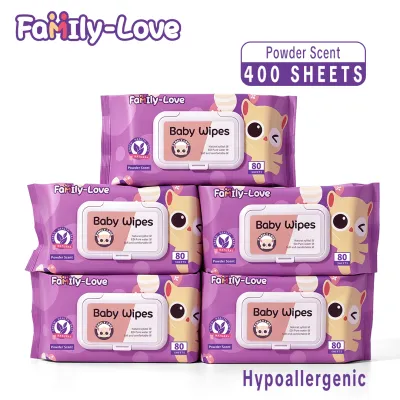

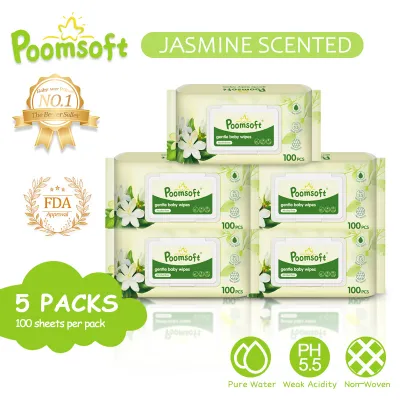
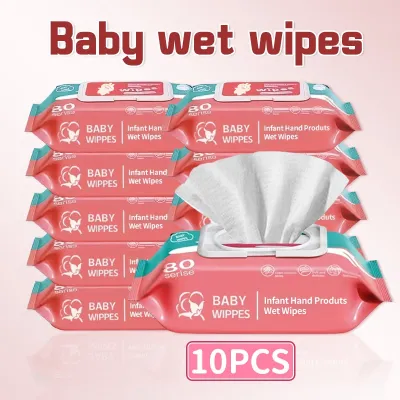
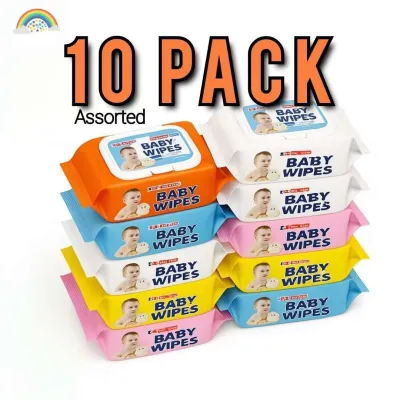
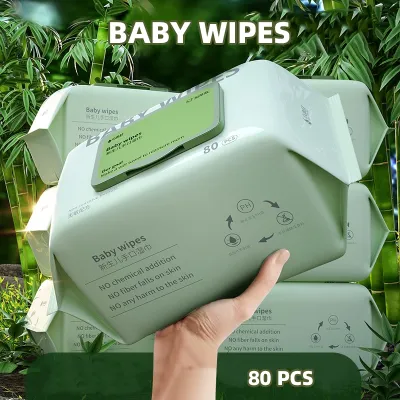
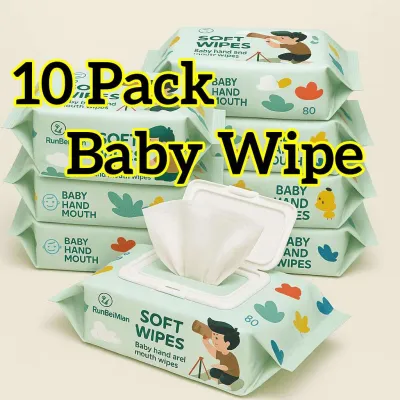
Prices are valid at publication and may change. Please refer to the product page for the latest price.
Ingredient Transparency and Irritants
An infant’s skin barrier is significantly thinner and more permeable than an adult’s, making it highly vulnerable to chemical absorption and environmental irritants. When evaluating any baby wipe brand, your first line of defense is a thorough examination of the ingredient list. True transparency means the manufacturer lists every component clearly, allowing you to identify potential allergens before they touch your baby’s skin. A minimalist formulation with fewer ingredients is generally safer for sensitive skin, as it statistically reduces the likelihood of an adverse reaction.
Water purity is the cornerstone of any high-quality baby wipe. Many brands advertise “water-based” formulations, but the method of water purification is what truly matters. Look for labels that specify the use of purified water, deionized water, or reverse osmosis (RO) water. Reverse osmosis is a multi-stage filtration process that forces water through semi-permeable membranes to remove dissolved solids, heavy metals, chlorine, and microbial contaminants. Wipes made with RO water ensure that no trace impurities are left on the skin to trigger inflammation or disrupt the skin’s natural barrier.
Beyond water, you must actively scan the label for common chemical irritants. Avoid wipes containing alcohol, which strips natural lipids and causes severe dryness, and parabens, which are used as preservatives but can irritate compromised skin. Furthermore, watch out for harsh preservatives like Methylisothiazolinone (MIT) and Chloromethylisothiazolinone (CMIT), which have been linked to contact dermatitis.
It is also crucial to understand the difference between “fragrance-free” and “unscented” products. Fragrance-free means the formulation contains absolutely no added scent chemicals, making it the ideal choice for sensitive skin. Unscented products, on the other hand, may contain masking fragrances designed to neutralize the natural chemical odors of the ingredients. These masking agents can still trigger allergic reactions, so always prioritize certified fragrance-free options.
Wipe Thickness, Texture, and Moisture Level
The physical properties of a baby wipe play a direct role in preventing mechanical irritation. Wipe thickness is typically measured by its basis weight in grams per square meter (GSM). High-GSM wipes are thicker, more durable, and less likely to tear during use. When a wipe is too thin, caregivers often have to fold it multiple times or apply excessive pressure to clean up a mess. This repetitive rubbing creates shear force on the baby’s delicate epidermis, leading to friction-induced redness and micro-tears in the skin barrier.
Texture is another critical variable to consider. Wipes generally come in either smooth or embossed (textured) varieties. Embossed wipes, often featuring raised patterns or “3D pearl” designs, are highly efficient at lifting soft, runny stools with minimal passes. This efficiency reduces the overall wiping time and friction, which is highly beneficial for sensitive diaper areas. Smooth wipes, conversely, are excellent for gentle cleanups on flat surfaces, such as wiping hands or cleaning minor spills, where heavy lifting of residue is not required.
Moisture balance is particularly important in the tropical, high-humidity climate of the Philippines. Wipes must contain enough moisture to dissolve and lift waste easily without requiring hard scrubbing. However, if a wipe is excessively wet, it leaves a pool of liquid on the skin. In a humid environment, this excess moisture takes longer to evaporate. When trapped inside a closed diaper, it creates a warm, damp microclimate that softens the stratum corneum (maceration) and fosters the growth of yeast, such as Candida albicans, leading to painful diaper rashes.
How to Evaluate Wepis Against Other Leading Brands
Comparing Wepis to other popular brands in local supermarkets and online marketplaces requires a systematic approach. By evaluating both the chemical formulations and the economic value of each brand, you can determine which product offers the best balance of safety and cost-effectiveness for your household.

Reading the Label: What to Look For and Avoid
To conduct a fair comparison, you must learn to decode the packaging of Wepis and its competitors. First, always check the applied product’s label and the treated item’s manufacturer instructions for specific usage guidelines and age suitability. If instructions conflict, the item is unidentified, or the use is not covered, stop and consult the manufacturer or a qualified professional. This step is vital to ensure you are using the product exactly as intended by the creators.
When examining the packaging, look for “pH-balanced” claims. Healthy baby skin has a slightly acidic natural pH of around 5.5, which forms a protective barrier known as the acid mantle. Wipes formulated to match this pH help preserve this barrier and defend against bacterial colonization. However, do not take these claims at face value. Look for specific testing data, clinical trial mentions, or independent dermatological certifications on the label to verify that the brand has undergone rigorous safety evaluations.
Be cautious with marketing terms like “natural,” “organic,” or “botanical.” Many brands add plant extracts such as aloe vera, chamomile, calendula, or tea tree oil, presenting them as soothing ingredients. While these extracts can be beneficial for some infants, they contain natural complex organic compounds that can act as contact allergens for babies with highly sensitive skin or eczema. For highly reactive skin, a simple formulation consisting almost entirely of purified water and a mild, food-grade preservative is often much safer than a product loaded with botanical extracts.
Finally, always locate and check the manufacturing and expiration dates on the packaging. Preservative systems are designed to keep wipes sterile for a specific window of time. In hot, humid tropical climates, the degradation of these preservatives can accelerate. Using expired wipes or those stored in direct sunlight can expose your baby to harmful bacterial or fungal contamination, defeating the purpose of a gentle cleaning routine.
Calculating True Value: Cost Per Wipe vs. Pack Size
A practical comparison must also factor in your household budget, but comparing the flat retail price of different brands can be highly misleading. To find the true financial impact of choosing Wepis over another brand, you must calculate the cost per individual wipe. This is done using a simple formula: divide the total price of the pack by the total sheet count (Total Price ÷ Total Sheet Count = Cost per Wipe).
For example, let us look at a typical pricing scenario in the Philippine market. If a pack of Wepis wipes costs ₱85 and contains 80 sheets, the cost per wipe is approximately ₱1.06. If a competing premium brand costs ₱150 for a pack of 100 sheets, the cost per wipe is ₱1.50. By calculating this metric, you can easily see which brand offers the better direct value per sheet, regardless of the overall pack size or promotional bundles.
However, bulk buying presents unique challenges in the Philippines’ humid climate. While purchasing massive 120-sheet bulk packs often lowers the cost per wipe, these large packs take much longer to finish. If the pack’s resealable sticker or plastic flip-top lid has a weak adhesive or a loose seal, the wipes will dry out before you can use them all. More importantly, repeatedly opening a large pack over several weeks introduces airborne bacteria and mold spores into a warm, moist environment, potentially contaminating the remaining sheets. For babies with sensitive skin, smaller packs of 40 to 80 sheets with high-quality, rigid plastic lids are often a safer and more hygienic choice, even if they carry a slightly higher cost per wipe.
Additionally, you must factor in sheet efficiency. If a thin, inexpensive wipe requires you to use three or four sheets to clean a single diaper mess, its real-world cost is effectively tripled. Conversely, if a thicker, slightly more expensive wipe cleans the same mess in a single sheet, it is actually the more economical choice. Always balance the cost per wipe with the physical thickness and durability of the material.
Decision Framework: Which Wipes Should You Buy?
To help you make the final decision, use this conditional framework to match Wepis or its competitors to your baby’s specific skin profile, your diapering habits, and your environmental conditions.
- Choose Wepis if: You prioritize a highly affordable, everyday water-based wipe with a minimal ingredient list, verified fragrance-free formulation, and your baby's skin tolerates basic, no-frills cleansing well without requiring added moisturizers or specialized botanical barriers. Wepis is an excellent choice for budget-conscious families looking for a reliable, clean formulation for routine diaper changes and daily cleanups.
- Choose a thicker, textured alternative if: Your baby is transitioning to solid foods or frequently has heavy, messy diaper changes. In these scenarios, a high-GSM, embossed wipe will allow you to clean the skin with fewer passes, significantly reducing physical friction and protecting the delicate skin barrier from mechanical irritation.
- Choose a specialized soothing wipe if: Your baby's skin is prone to extreme dryness, frequently reacts to friction, and has been verified through patch testing to tolerate specific soothing botanical extracts like calendula or colloidal oatmeal. These specialized formulations can help support the skin's moisture barrier, especially in air-conditioned environments or during dry, windy seasons.
- Verify first if: Your baby has a diagnosed skin condition such as eczema, psoriasis, or severe contact dermatitis. In these cases, commercial baby wipes may not be suitable, regardless of how gentle they claim to be. Always consult your pediatrician or a pediatric dermatologist before introducing any new brand or formulation to your baby's skin care routine.
Safe Usage and Patch Testing for Sensitive Skin
Before fully integrating Wepis or any new wipe brand into your daily diapering routine, performing a localized patch test is highly recommended to identify any potential sensitivities safely. To perform a patch test, take a single wipe from the newly opened pack and gently swipe it on a small, discreet area of your baby’s skin, such as the inner arm or the upper thigh. Allow the area to dry naturally, and do not apply any lotions, creams, or powders over the test spot. Monitor the area closely for 24 hours. If you observe any redness, swelling, tiny bumps, or signs of itching, discontinue use immediately. If the skin remains clear, the product is generally safe for wider use.
Beyond the product itself, proper wiping technique is essential for maintaining skin health. Always wipe gently from front to back, especially for baby girls, to prevent the transfer of fecal bacteria to the urinary tract. Avoid aggressive scrubbing or rubbing, which can create micro-tears in the skin barrier. Instead, use a gentle patting or sweeping motion to lift away residue. After wiping, allow the skin to air-dry completely for a few moments before putting on a fresh diaper, as trapping moisture inside the diaper can trigger irritation.
If you notice persistent redness, diaper rash that does not clear up within 48 hours, skin peeling, bleeding, or if your baby cries in discomfort during diaper changes, stop using all commercial wipes immediately. Switch to lukewarm water and soft cotton balls or a clean, damp cloth, and consult a healthcare professional for a proper diagnosis and treatment plan. Remember that baby wipes are designed for external use only; always keep them away from your baby’s eyes, nose, and mouth to prevent accidental ingestion or mucosal irritation.
Frequently Asked Questions (FAQ)
These common questions can help you safely navigate using baby wipes for sensitive skin.
Can I use baby wipes on a newborn's face and hands?
A newborn’s facial skin is exceptionally thin, delicate, and highly sensitive compared to the skin on their diaper area. While many water-based wipes are marketed as safe for full-body use, it is best to check the specific brand’s label for explicit face-safe indications. For the first few weeks of life, consider using plain, sterile water and a soft cotton ball or a clean, damp washcloth for facial cleanups, avoiding the delicate eye area entirely to prevent irritation or accidental contact with preservatives.
How do I know if my baby is reacting to the wipes or the diaper?
Observing the pattern of the skin irritation can provide helpful clues. A reaction to baby wipes typically appears across the entire wiped area, including the deep skin folds, and may also appear on the face or hands if the wipes were used there. In contrast, a reaction to a diaper or a standard diaper rash is usually confined to areas in direct contact with the diaper material or where wetness pools, often sparing the deep skin folds. If you are unsure, stop using both the wipes and the current diaper brand, clean the area with plain water, and consult your pediatrician for an accurate diagnosis.
Community discussion
Share your experience or ask a question. Comments are reviewed before publication.