
Deciding on an electric breast pump is one of the most critical choices for a breastfeeding mother in the Philippines. The market offers two primary paths: the traditional electric breast pump, with its tubes, bottles, and separate motor unit, and the modern wearable breast pump, which tucks entirely inside a nursing bra. The ideal choice depends on your daily routine, work environment, and milk supply goals.
Neither option is universally superior; rather, each serves different lifestyle demands. Wearable pumps offer hands-free mobility and discretion, making them excellent for multitasking, commuting, and active routines. Traditional electric breast pumps provide superior suction strength, highly customizable cycle settings, and a more efficient milk yield, making them the preferred choice for exclusive pumpers or those establishing a supply.
Quick Answer: Which Electric Breast Pump Should You Choose?
Choosing between these two categories comes down to where and how often you plan to pump. If you are returning to a busy office, frequently commuting through Manila traffic, or chasing a toddler around the house, a wearable electric breast pump provides the freedom you need to maintain your breastfeeding journey without being tied to an outlet.
Products mentioned in this guide
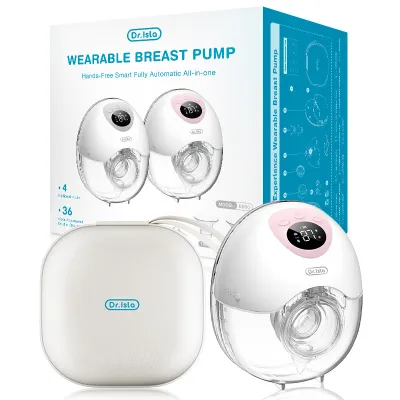
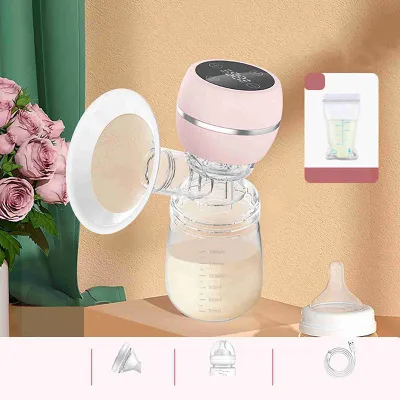
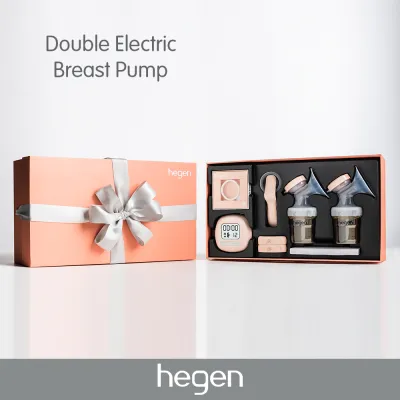
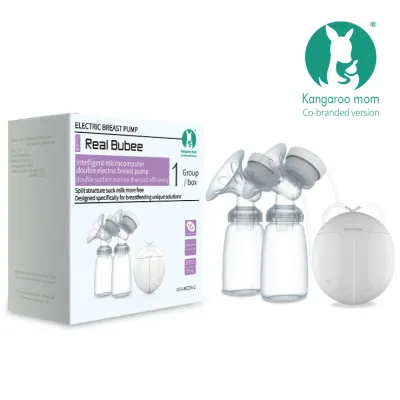
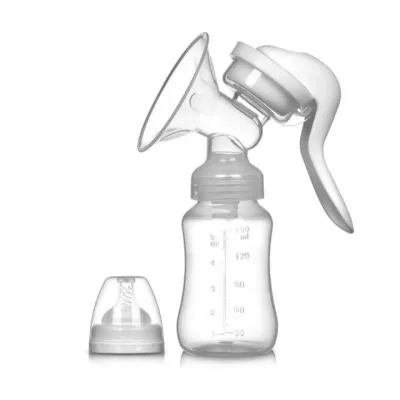
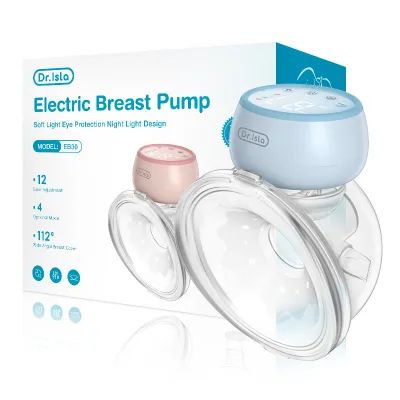
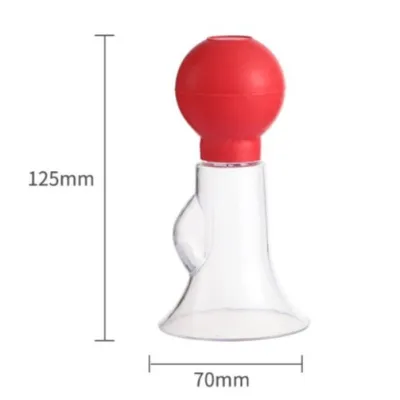
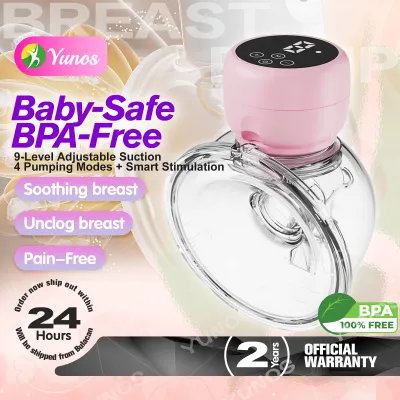
Prices are valid at publication and may change. Please refer to the product page for the latest price.
Conversely, if you are exclusively pumping, working primarily from a fixed home desk, or focused on maximizing your milk output in the early postpartum weeks, a traditional electric breast pump is generally the more reliable and efficient tool. Many mothers find that their physical comfort and milk expression are highly sensitive to suction patterns, which traditional models execute with greater precision. Understanding your daily environment and milk supply needs will point you directly to the system that fits your lifestyle.
Key Differences Between Wearable and Traditional Electric Pumps
While both categories use an electric motor to create a vacuum that mimics a baby’s natural nursing rhythm, their engineering, physical form, and operational limits are vastly different. Traditional pumps prioritize raw performance and customization, keeping the heavy motor unit separate from the breast shields. Wearable pumps prioritize miniaturization, integrating the motor, battery, and milk collection cup into a single, self-contained unit that sits on the breast.

These design philosophies create distinct user experiences. The physical differences affect everything from how much you can move during a session to how quickly you can empty your breasts. Evaluating these core differences across key performance categories will help you determine which trade-offs you are willing to make.
Portability and Hands-Free Mobility
Traditional electric breast pumps are inherently tethered systems. Even when powered by rechargeable batteries rather than a wall outlet, they require silicone tubing to connect the breast shields on your chest to the motor unit sitting on a table or clipped to your waistband. This setup means you are physically connected to bottles hanging from your breasts, which limits your ability to bend over, reach, or move dynamically without risking spills or losing suction.
Wearable electric breast pumps eliminate tubing and external bottles entirely. The entire mechanism fits inside a standard nursing bra, allowing you to walk, prepare meals, type on a laptop, or attend virtual meetings with your hands completely free. For mothers in the Philippines managing household chores in tropical heat or working in hybrid office setups, this level of mobility is invaluable. However, keep in mind that even the most secure wearable pump requires you to avoid sudden movements or deep forward bends, which can break the silicone seal or cause milk to leak from the vent holes.
Suction Strength and Milk Yield
Traditional electric breast pumps generally feature larger, more robust motors that deliver a wider range of suction strength and cycle speeds. These systems often provide hospital-grade suction, typically ranging up to 300 mmHg, which can be finely adjusted to match your comfort level and stimulate a faster let-down reflex. Because the suction is highly consistent and the breast shields are easy to massage while pumping, traditional models are highly efficient at fully emptying the breasts, which is crucial for maintaining a robust milk supply.
Wearable pumps utilize smaller, battery-powered motors that may not match the raw suction power or cycle sophistication of traditional models. While modern wearable technology has improved significantly, some mothers find that wearables require longer sessions to express the same volume of milk, or that they do not fully empty the lower chambers of the breast. If you rely solely on a wearable pump, you must monitor your output closely; incomplete emptying over time can signal your body to slow down milk production. Always consult the manufacturer’s specifications for exact vacuum levels and cycle modes rather than relying on general marketing claims.
Noise Level and Discretion
If you need to pump in a shared office space, during a commute, or while participating in video calls, discretion becomes a primary concern. Wearable pumps are specifically engineered for quiet operation. Their small motors are encased within the collection cups and muffled further by your clothing, producing a low hum that is easily masked by ambient office noise or air conditioning units. Visually, they fit inside your bra, and while they do add bulk to your silhouette, they allow you to pump without exposing your skin or requiring a dedicated private room.
Traditional pumps are significantly louder and highly visible. The motor units often produce a distinct rhythmic pulsing sound that can be difficult to hide in a quiet room. Additionally, because the bottles and tubing project outward from your chest, pumping discreetly in public or at a work desk requires a high-quality nursing cover and a comfortable, supportive pumping bra. For many mothers, this means traditional pumping is best restricted to private spaces, lactation rooms, or the comfort of home.
Comfort, Fit, and Flange Customization
Proper flange fit is the single most important factor in preventing nipple damage and ensuring efficient milk transfer. Traditional breast pumps excel in this area by offering a vast array of flange sizes, shapes, and materials. Because the breast shields are independent plastic or silicone funnels, you can easily swap them out for aftermarket sizes, soft silicone inserts, or angled flanges designed to match your unique anatomy.
Wearable pumps have more rigid design constraints. Because the flange must seal directly against the integrated collection cup, your sizing options are often limited to the specific inserts provided by the manufacturer or a narrow range of compatible third-party parts. If your nipple size falls outside the standard 21mm to 24mm range, finding a comfortable, airtight fit with a wearable pump can be challenging. An ill-fitting wearable flange can cause painful friction, tissue swelling, and blocked milk ducts. Always measure your nipple diameter accurately using a printable sizing ruler before purchasing any pump system.
How to Choose Based on Your Daily Routine
The best breast pump is not the most expensive one, but the one that integrates seamlessly into your daily life. Your choice should reflect your working conditions, your baby’s feeding patterns, and how much physical support you have throughout the day.
Choose a Wearable Pump If…
A wearable electric breast pump is ideal if your daily routine demands constant movement and high discretion. If you are a working mother returning to an office environment that lacks a dedicated, private lactation room, a wearable pump allows you to express milk at your desk or in a quiet corner without disrupting your workflow.
This option is also highly suited for mothers who spend significant time commuting via public transit or driving, as the tubeless design fits easily under normal clothing. Additionally, if you are caring for multiple children at home and cannot afford to sit stationary for 20 to 30 minutes several times a day, the hands-free nature of a wearable pump lets you attend to your family while maintaining your pumping schedule. Prioritize this option if convenience and time-saving are more critical to your daily survival than maximizing every single milliliter of milk.
Choose a Traditional Electric Pump If…
You should choose a traditional electric breast pump if your primary goal is to establish, protect, or increase your milk supply. This is particularly critical in the early postpartum weeks when your hormone levels are adjusting and your breasts require strong, consistent stimulation to signal adequate milk production.
If you are an exclusive pumper—meaning your baby receives all of their breast milk via bottles—the speed, efficiency, and deep-emptying capabilities of a traditional hospital-grade pump are indispensable. Traditional pumps are also the logical choice if you primarily work from a home office or have a dedicated, comfortable space where you can sit undisturbed. Because these models are highly durable and feature easily replaceable parts, they are built to withstand the heavy wear and tear of multiple daily pumping sessions over many months or even years.
Consider a Dual Setup or Hybrid Approach If…
For many mothers in the Philippines, the ultimate solution is not choosing one over the other, but combining both into a hybrid pumping routine. If your budget allows, using a traditional electric pump for your first morning session and your final evening session ensures your breasts are thoroughly emptied, which keeps your supply high. You can then use a wearable pump during the middle of the day at the office or while running errands for quick, convenient maintenance sessions.
Alternatively, some modern traditional pumps offer a middle ground: they feature portable, rechargeable motor units that can be paired with wearable collection cups instead of standard hanging bottles. While this setup still requires thin silicone tubing running from your shirt to the motor, it offers the high suction power of a traditional pump with the hands-free convenience of wearable cups, providing a highly versatile compromise.
Maintenance, Cleaning, and Long-Term Value
Beyond daily use, you must consider the long-term upkeep, hygiene requirements, and financial investment associated with both pump styles. In the warm, humid climate of the Philippines, proper cleaning and thorough drying of breast pump parts are critical to prevent the growth of mold, bacteria, and yeast.
- Cleaning Complexity: Wearable pumps generally have fewer parts overall, but those parts are often intricately designed with small crevices, integrated valves, and delicate silicone membranes. Disassembling, washing, and thoroughly drying these components can be tedious. Traditional pumps have more physical parts—including bottles, flanges, backflow protectors, and valves—but these components are usually larger, simpler in shape, and much easier to scrub with a bottle brush and air-dry quickly.
- Sterilization and Heat Sensitivity: Always check the manufacturer's care instructions before sterilizing your pump parts. Some wearable pump components are highly sensitive to extreme heat and can warp if subjected to standard boiling water or high-temperature steam sterilizers, which destroys the vacuum seal. Traditional pump parts are typically made of durable, medical-grade plastics that tolerate boiling, steam, and UV sterilization exceptionally well.
- Long-Term Value and Replacement Parts: Traditional electric breast pumps are highly durable and offer excellent long-term value. Because they are widely used, replacement parts like valves, tubing, and membranes are inexpensive and readily available at local baby boutiques and online marketplaces in the Philippines, with prices ranging from ₱150 to ₱500 per part. Wearable pumps, on the other hand, rely on proprietary, brand-specific parts that can be expensive and difficult to source locally. If a critical silicone seal on your wearable pump tears, you may face shipping delays or high costs (often exceeding ₱1,000 per part) to secure a replacement. Always verify the availability of spare parts and local warranty terms before committing to a specific brand.
Frequently Asked Questions (FAQ)
While choosing a breast pump is a personal decision, safety and physical comfort should always come first. If you experience persistent pain, a sudden drop in milk supply, or signs of localized breast inflammation, consult a certified lactation consultant or your healthcare provider for personalized guidance.
Can I use a wearable breast pump while sleeping or lying down?
No, most standard wearable breast pumps are designed strictly for upright or slightly reclined use. Because the milk collection cups rely on gravity to direct the expressed milk into the lower reservoir, lying down or sleeping while wearing them will cause the milk to flow backward. This can result in severe leaks, loss of suction, and potential damage to the integrated motor if milk enters the vacuum chamber.
If you need to pump while resting, a traditional pump with a highly supportive pumping bra is a safer option, though you must still remain in a semi-upright, propped position. Always check your specific pump’s user manual, as a few specialized, high-end wearable models feature completely sealed, multi-angle bags designed to prevent leaks during reclined rest, but these are exceptions rather than the rule.
Do wearable pumps cause more clogged ducts than traditional ones?
Wearable breast pumps do not directly cause clogged ducts, but improper use or a poor physical fit can increase your risk. Clogged ducts typically occur when milk is not thoroughly cleared from the breast tissue, leading to localized stagnation and inflammation. Because wearable pumps often have slightly lower suction power and may not compress the breast as evenly as traditional models, they can leave behind pockets of milk if used exclusively without breast massage.
Additionally, if the wearable pump is pressed too tightly against your chest by an overly restrictive bra, the physical pressure can compress your milk ducts, restricting flow and leading to painful clogs. To minimize this risk, ensure your bra has enough stretch to accommodate the pump comfortably, monitor your breasts for areas of hardness or fullness after a session, and use a traditional pump periodically to ensure complete drainage. If you develop persistent pain, localized redness, warmth, or a fever, stop pumping immediately and seek medical attention.
How do I know if my flange size is correct for a wearable pump?
To verify if your flange size is correct, observe your nipple during a pumping session. Your nipple should draw cleanly into the center of the flange tunnel and move back and forth freely without rubbing against the plastic walls. The surrounding dark skin of your areola should not be pulled excessively into the tunnel; only a minimal amount of areolar tissue should enter the shaft.
If you experience pinching, friction, or notice that your nipple is turning white or red during or after a session, your flange is likely too small or too large. Because wearable pumps require an absolute seal to maintain their delicate vacuum, even a millimeter of mismatch can drastically reduce your milk yield. Measure your nipple diameter at the base before a session, add 2mm to 3mm to that measurement, and use the corresponding flange or silicone insert size recommended by the manufacturer’s sizing guide.
Community discussion
Share your experience or ask a question. Comments are reviewed before publication.