
Deciding how to express breast milk is one of the most significant choices you will make during your breastfeeding journey. The market offers two primary paths: the modern handsfree wearable breast pump and the traditional plug-in or battery-operated pump. Each design caters to distinct lifestyles, milk production goals, and daily schedules.
To make an informed choice, consider your primary daily environment and physical needs.
- Choose a wearable pump if: You need to multitask, commute through daily traffic, or express milk discreetly at your office desk without being physically tethered to a wall outlet.
- Choose a traditional pump if: You are exclusively pumping, require highly customizable suction patterns to establish or increase your milk supply, or prefer a straightforward cleaning routine with fewer proprietary components.
- Verify first if: You have unique flange sizing requirements, limited private spaces at work, or a strict budget for ongoing replacement parts.
Many mothers find that their needs change over time. Consequently, using a combination of both styles—such as a traditional pump at home for thorough sessions and a wearable pump during commutes or office hours—often provides the most balanced solution.
Products mentioned in this guide
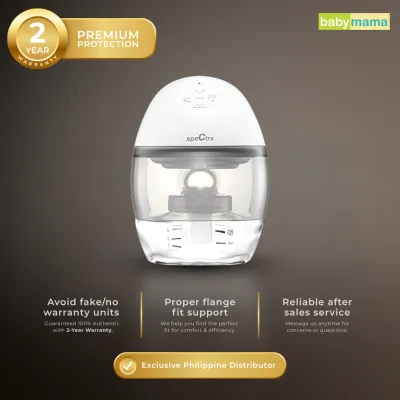
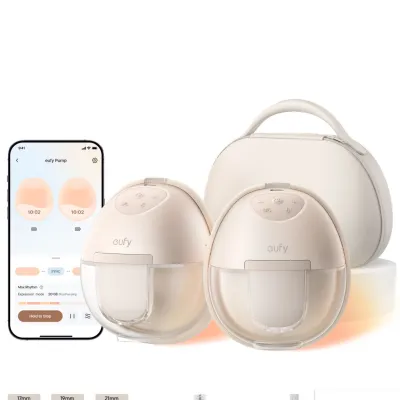
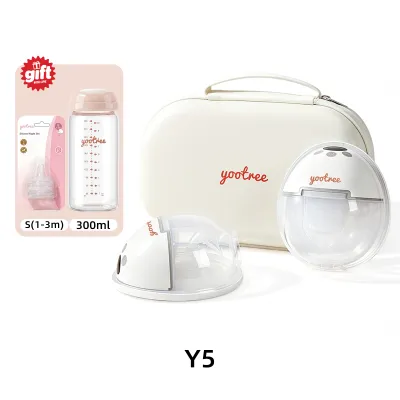
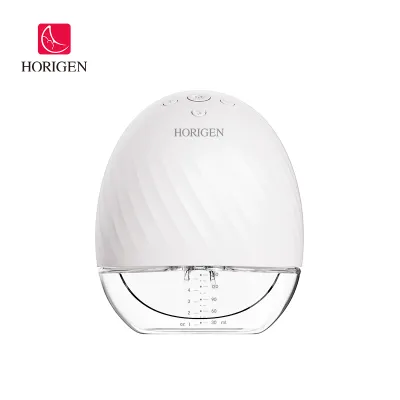
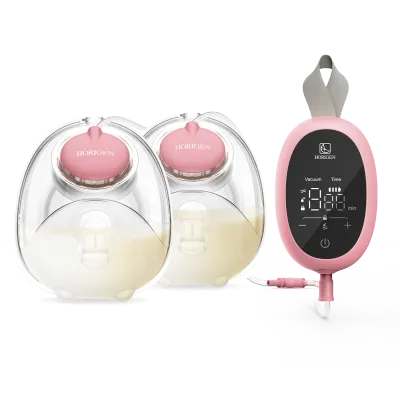
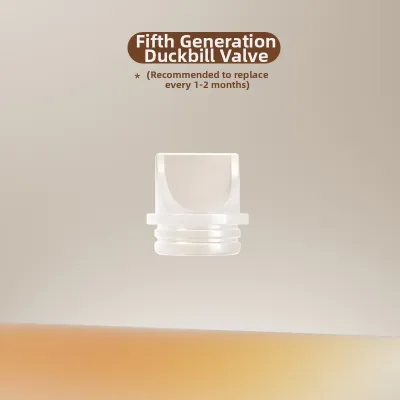
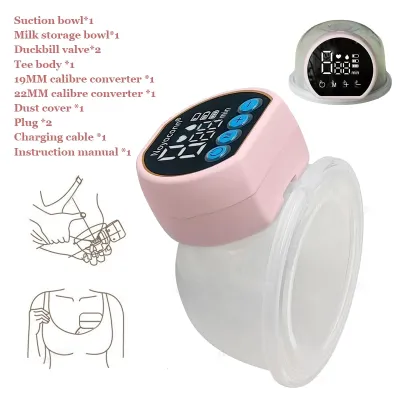
Prices are valid at publication and may change. Please refer to the product page for the latest price.
Mobility and Hands-Free Convenience
The physical architecture of your breast pump directly dictates how much freedom of movement you enjoy during each expression session. A handsfree wearable breast pump features a self-contained, tubeless design where the motor, collection cup, and flange form a single compact unit. This unit slips directly inside a standard, supportive nursing bra, allowing you to walk around, attend to light household chores, or continue working at a computer. While this design offers physical liberation, it does require a few postural adjustments. For instance, you must avoid bending over forward to prevent milk from spilling out of the collection vents, and the bulkier profile of the cups may create a noticeable silhouette under close-fitting attire.
In contrast, traditional breast pumps rely on an external motor unit connected to flanges and collection bottles via flexible silicone tubing. This configuration generally requires you to remain seated near an electrical outlet or carry a separate battery pack. Although this setup confines your movement to a specific seating area, you can still achieve a hands-free experience by pairing the flanges with a specialized pumping bra. This setup allows you to type, read, or relax, though you remain physically anchored to the bottles and tubes.
The weight distribution also differs significantly between the two styles. With a wearable pump, the weight of the motor and the collected milk is carried entirely on your chest, which requires a highly supportive, non-wired bra to prevent sagging or shifting. Traditional pumps keep the weight of the motor on a table or clipped to your waistband, leaving only the lightweight plastic flanges on your breasts. This difference can affect your physical comfort during longer pumping sessions.
Your daily routine plays a decisive role in which level of mobility is truly practical. If you spend your day commuting, managing an active household, or moving between meetings, the untethered nature of a wearable device offers clear advantages. However, if your day permits structured, stationary breaks in a dedicated space, the physical constraints of a traditional pump may not pose a significant hurdle to your routine.
Milk Output, Suction, and Efficiency
A breast pump’s primary mechanical job is to mimic a baby’s natural nursing pattern to stimulate milk ejection and thoroughly drain the breast. Traditional breast pumps are widely recognized for their robust, consistent, and highly customizable suction levels. Because they are powered by larger, dedicated motors, these systems can offer a wider range of cycle speeds and vacuum strengths. This high level of control makes traditional models the preferred choice for mothers who are establishing their milk supply in the early weeks postpartum, those who are exclusively pumping, or individuals who need to express milk quickly and efficiently.

Wearable breast pumps have advanced significantly in motor efficiency, yet their compact, battery-powered motors generally deliver slightly less peak suction and fewer cycle variations than their plug-in counterparts. For many users, this means a wearable session may take slightly longer to achieve the same level of breast emptying. Rather than acting as a primary tool for supply building, wearable pumps excel as maintenance devices, convenient options for catching let-downs, or tools for adding extra pumping sessions to a busy day without disrupting your workflow.
The efficiency of milk expression is also closely tied to how well the pump stimulates your let-down reflex. Traditional pumps often feature highly responsive transition phases that switch from rapid, shallow stimulation cycles to deeper, slower expression cycles. Wearable pumps also offer these modes, but the smaller motor size can sometimes result in a less distinct transition, which may affect mothers who rely on strong sensory cues to trigger their milk flow.
Regardless of which style you choose, achieving optimal milk expression relies heavily on proper flange fit and sizing. An incorrectly sized flange can cause friction, nipple trauma, and incomplete milk removal, which can gradually diminish your overall milk supply. Always consult the manufacturer’s official sizing guides, measure your nipple diameter accurately, and consider consulting a certified lactation specialist or healthcare professional to find your correct fit. Before purchasing, review the specific suction specifications and motor capabilities detailed on the product packaging or official brand websites to ensure they align with your physical comfort and milk production goals.
Noise Levels and Discretion at Work or Home
Expressing milk in shared environments, whether in an open-plan office or a quiet home nursery, requires a careful look at acoustic and visual privacy. Wearable pumps excel at visual discretion because the entire assembly is concealed within your clothing, eliminating dangling tubes and external bottles. Acoustically, their integrated motors are typically muffled by your bra and outerwear, producing a low, subtle hum. While highly discreet, keep in mind that the sound of milk dripping into the internal plastic cups can still be slightly audible in exceptionally quiet rooms.
Traditional pumps, by comparison, produce a more distinct, rhythmic mechanical hum from their external motor units, accompanied by the visible movement of milk into external bottles. This setup generally requires a more private setting, such as a designated lactation room or a closed office. Some mothers utilize a nursing cover or play white noise in the background to maintain a sense of privacy when pumping around others.
The psychological impact of pump noise should not be underestimated. A loud, mechanical sound can sometimes increase stress or self-consciousness, which can physically inhibit the release of oxytocin—the hormone responsible for the milk let-down reflex. If you find yourself easily distracted or stressed by the sound of your equipment, a quieter wearable pump or a traditional pump with an ultra-quiet motor setting can help create a more relaxing environment.
When planning your pumping setup, evaluate the facilities available to you. Under local guidelines in the Philippines, workplaces are encouraged to provide clean, private lactation stations for nursing employees. If your workplace offers a dedicated, private room with electrical outlets, the noise and visibility of a traditional pump present very little inconvenience. If you must pump at an open desk or in shared workspaces, the muffled sound and hidden profile of a wearable pump may provide the peace of mind you need to express milk comfortably.
Cleaning, Assembly, and Daily Maintenance
The time spent cleaning and maintaining your equipment is a major part of the daily pumping commitment. Wearable pumps often feature unique, compact designs that consist of several small, interlocking parts, including silicone diaphragms, valves, and specialized collection chambers. Each of these components must be carefully disassembled, hand-washed, and thoroughly dried after every session. In warm, humid tropical climates like the Philippines, ensuring complete air-drying is absolutely vital to prevent moisture buildup and the growth of mold or bacteria within the small crevices of the pump.
Traditional pumps generally feature a simpler, more standardized assembly with fewer intricate parts to wash. While the bottles, valves, and flanges require standard cleaning, the long silicone tubing does not come into contact with breast milk in closed-system designs. This tubing must be kept entirely dry; if condensation forms inside, manufacturers typically recommend running the pump motor for a few minutes with only the tubing attached to clear out the moisture. Additionally, the main motor unit of both pump styles must never be submerged in water or exposed to extreme heat.
Using hard water for washing can also lead to mineral buildup on delicate silicone parts over time, which may compromise the seal and reduce suction efficiency. To prevent this, some parents prefer using distilled or filtered water for the final rinse. Regardless of your water source, always follow the manufacturer’s specific cleaning, sanitizing, and sterilization instructions to protect your baby’s health and maintain your equipment’s warranty.
When assessing different models, consider the availability of dedicated cleaning brushes or quick-clean breast pump wipes, which can simplify maintenance when you are away from a sink. Regularly inspect all silicone parts for signs of wear, such as stretching, cloudiness, or tiny tears, and replace them promptly according to the manufacturer’s recommended schedule to ensure your pump continues to perform at its best.
Upfront Costs and Replacement Parts
Budget considerations involve both the initial purchase price and the ongoing cost of replacement parts over your breastfeeding journey. Wearable breast pumps generally require a higher upfront investment because they pack advanced, miniaturized motor technology and rechargeable batteries into a compact housing. Traditional pumps are available across a much wider pricing spectrum, ranging from highly affordable manual models and basic single-electric options to premium, hospital-grade double-electric systems.
Beyond the initial cost, factor in the long-term expense of consumable parts such as valves, membranes, and silicone inserts, which naturally stretch and wear out over time. Traditional pump parts are highly standardized, making them easy to find at local pharmacies, baby specialty stores, and major online marketplaces in the Philippines. Wearable pump parts, however, are almost always proprietary. If a valve tears, you must purchase the exact replacement from the specific brand or an authorized distributor, which can sometimes result in higher shipping costs or longer waiting times.
A lack of readily available spare parts can unexpectedly halt your pumping routine, which can be highly stressful if you rely on the pump daily. Therefore, it is highly recommended to purchase a backup set of valves and membranes alongside your initial pump purchase, especially if you choose a wearable model with limited local retail availability.
Before making a purchase, check the local availability of spare parts and the manufacturer’s warranty terms. It is also wise to inquire with your employer or health maintenance organization (HMO) in the Philippines, as some health plans or corporate wellness programs offer benefits, discounts, or reimbursements for breastfeeding equipment and accessories.
How to Make Your Final Decision
Choosing the right breast pump comes down to aligning the equipment’s strengths with your daily realities. Rather than aiming for an idealized schedule, evaluate your typical day, your milk supply goals, and your physical environment.
Use this simple decision matrix to guide your final choice:
- Time & Environment: If your daily schedule keeps you constantly on the move, involves frequent travel, or lacks access to a private room with power outlets, a handsfree wearable breast pump provides the necessary flexibility to maintain your routine.
- Supply Goals: If you are exclusively expressing milk, working to increase a low milk supply, or pumping for a newborn or premature infant, a traditional double-electric pump offers the robust suction and efficiency needed for consistent breast stimulation.
- Budget & Maintenance: If you prefer a lower initial cost, require easily accessible replacement parts, and want a straightforward assembly that is easy to wash and dry, a traditional pump is the more practical and economical option.
Remember that your pumping needs can evolve. Many mothers begin their journey with a traditional pump to establish a strong milk supply during maternity leave, and then introduce a wearable pump when returning to work or active daily routines. Assess your current stage, prioritize your comfort, and consult a healthcare professional or lactation specialist if you need personalized guidance.
Frequently Asked Questions (FAQ)
Can I rely solely on a wearable pump for exclusive pumping?
While some mothers successfully use a wearable pump as their sole device, many lactation experts recommend using a traditional, hospital-strength pump as your primary workhorse if you are exclusively pumping. Traditional pumps offer more consistent breast emptying, which is crucial for maintaining a robust milk supply over several months. If you choose to use a wearable pump exclusively, monitor your daily milk output closely and consult a lactation consultant or healthcare professional if you notice a persistent decline in supply.
Do I need to buy specific bras for a wearable breast pump?
Most modern wearable pumps are designed to fit comfortably inside standard, supportive nursing or pumping bras that offer some stretch. Extremely tight, structured, or underwire bras can compress the pump cups against your breast, which may break the flange seal, cause painful friction, or restrict milk flow. Conversely, a bra that is too loose will not hold the pump securely, leading to leaks. Check your pump manufacturer’s apparel guidelines to ensure a secure, comfortable fit.
Community discussion
Share your experience or ask a question. Comments are reviewed before publication.