
Selecting the right baby heartbeat monitor is one of the most personal decisions you will make as a parent. The ideal choice depends heavily on your baby’s mobility, your own anxiety levels, and your tolerance for middle-of-the-night false alarms.
Wearable monitors, such as smart socks, foot bands, or diaper clips, track your baby’s vitals continuously by staying in direct contact with their skin. While they offer the flexibility of monitoring your baby anywhere, they are more prone to triggering false alarms when your baby kicks, rolls, or shifts.
Non-wearable monitors, which include under-mattress sensor pads and camera-based tracking systems, offer a completely passive approach. These devices monitor your baby from a distance without requiring you to attach anything to their body, though they do require a highly stable and specific crib environment to function accurately.
Products mentioned in this guide
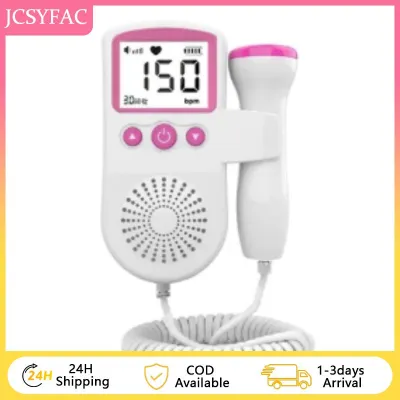

![[FREE GEL] Fetal Doppler Heartbeat Detector Portable Ultrasound Pregnant LCD 3MHz Baby Heart Rate Mo](https://img.lazcdn.com/g/p/888be6082d56e876bdaaab7f630ad699.jpg_400x400q80.jpg_.webp)
Prices are valid at publication and may change. Please refer to the product page for the latest price.
It is crucial to remember that neither wearable nor non-wearable monitors are approved medical devices. They are designed solely for consumer wellness and peace of mind, and they should never be used as a substitute for direct parental supervision or professional medical care.
How Wearable and Non-Wearable Monitors Actually Work
To make an informed decision, it helps to understand the distinct technologies that power these two types of monitors. Wearable baby monitors rely on physical contact to gather data. Most smart socks and foot bands use pulse oximetry, a technology similar to the clip-on devices used in hospitals. These sensors shine a safe, low-intensity light through the baby’s skin to measure blood flow, calculating both heart rate and oxygen saturation levels. Other wearable options, such as diaper clips, utilize highly sensitive accelerometers or acoustic sensors to detect the physical rise and fall of the baby’s abdomen.
Non-wearable monitors utilize non-contact methods to track your baby’s well-being. Under-mattress sensor pads typically feature highly sensitive piezoelectric sensors. These sensors detect the minute mechanical vibrations generated by your baby’s breathing movements and heartbeat, translating them into electronic signals. Alternatively, advanced camera-based or radar-based systems use computer vision or ultra-wideband radar technology to detect microscopic chest movements from a wall mount or tabletop. These systems analyze pixel changes or wave reflections to monitor breathing patterns without physically touching the baby.
Regardless of the technology, parents must recognize that these products are consumer-grade wellness tools. They do not possess the diagnostic accuracy of clinical-grade medical equipment. They are not designed to cure, treat, or prevent any medical condition, and they should never replace the guidance of a qualified pediatrician.
Key Differences: Comfort, Reliability, and Daily Use
Evaluating how each monitor fits into your daily routine is essential for long-term satisfaction. The physical footprint, signal consistency, and setup requirements of each device will directly impact your baby’s sleep quality and your own peace of mind.

Wearability and Baby's Comfort
Wearable monitors require direct, snug contact with your baby’s skin to maintain an accurate reading. In tropical climates like the Philippines, where high humidity and warm temperatures are common, this physical contact requires extra attention. Sweat and moisture can easily accumulate under a fabric sock or silicone band, which may lead to heat rash, chafing, or skin irritation. If your baby has sensitive skin or conditions like eczema, you must inspect the application site daily, rotate the device as permitted by the manufacturer, and clean the wearable components regularly according to the product’s care instructions.
Active babies can also pose a challenge for wearable devices. As infants grow and begin to kick, roll, or pull at their feet, they may find the physical sensation of a wearable device distracting, which can disrupt their sleep. If a wearable is not fitted perfectly according to the manufacturer’s weight and size guidelines, an active baby can easily kick it off entirely.
Non-wearable monitors, by contrast, keep your baby’s body completely free of devices. There are no straps to adjust, no batteries touching the skin, and no risk of localized skin irritation. However, under-mattress sensor pads require a highly specific crib environment. They must rest flat on a completely firm, standard-sized mattress. If your nursery setup includes a soft mattress topper, a non-standard bassinet, or a flexible travel crib, a sensor pad may struggle to function correctly, potentially leading to inaccurate readings.
Signal Reliability and False Alarms
Alarm fatigue is a significant concern for parents using baby monitors, and the two types of devices experience signal disruptions in very different ways. Wearable monitors rely on a continuous Bluetooth or Wi-Fi connection to transmit data from the sensor to a base station or smartphone. If your baby kicks vigorously, if the fabric bunches up, or if the sensor shifts away from the blood vessels, the device may lose its reading. This sudden loss of signal often triggers a loud “disconnect” or “low reading” alert, waking the entire household for a false alarm.
Non-wearable monitors face their own set of reliability variables. Under-mattress pads are calibrated to detect movement within a specific zone. If an active baby rolls off the sensor pad’s active area or presses tightly against the wooden slats of the crib, the system may trigger a false “no movement” alarm. Similarly, camera- or radar-based systems require an unobstructed line of sight. If a thick swaddle or heavy blanket covers the baby’s chest, or if a caregiver stands in front of the lens, the monitor may lose its tracking capability.
To minimize these disruptions, it is highly recommended to read user reviews carefully, paying close attention to mentions of false alarm rates. Look for devices that allow you to adjust the sensor’s sensitivity or customize the alert thresholds to match your baby’s specific sleeping habits.
Portability and Nursery Setup
Your family’s lifestyle and living arrangements should play a major role in your choice of monitor. Wearable monitors are highly portable and versatile. Because the sensor travels on the baby, you can easily use it in various rooms, during stroller walks, or while visiting family. This portability is incredibly convenient for parents who do not want to be restricted to a single nursery space. However, wearables require diligent daily maintenance, including regular battery charging and routine washing of fabric straps to maintain hygiene.
Non-wearable monitors are designed for a stationary, long-term setup in a single room. Installing an under-mattress pad or mounting a specialized camera requires careful routing of power cables to ensure they are completely out of your baby’s reach. These systems typically rely on a continuous connection to an AC power outlet. In areas prone to power fluctuations or brief brownouts, a non-wearable monitor without a built-in battery backup may shut down, leaving you temporarily without monitoring. They are best suited for families who intend to have their baby sleep in the same crib every night.
How to Choose: Match the Monitor to Your Family's Needs
To help you decide which monitor aligns with your parenting style and household setup, consider the following structured decision framework.
Choose a Wearable Monitor if:
- You travel frequently: You need a portable system that easily transitions between travel cribs, bassinets, and different homes.
- You monitor naps in multiple rooms: Your baby regularly naps in strollers, playards, or different areas of the house during the day.
- You prefer detailed vitals tracking: You want direct, continuous updates on heart rate and oxygen levels rather than general movement alerts.
- You have a standard crib setup: Your nursery has limited wall space for mounting cameras or lacks convenient outlets near the crib.
Choose a Non-Wearable Monitor if:
- Your baby has highly sensitive skin: You want to avoid any risk of skin irritation, sweat buildup, or chafing in warm, humid weather.
- You want a passive routine: You prefer a hands-off setup where you do not have to remember to attach, adjust, or charge a device on your baby before every sleep.
- Your baby is an active sleeper: Your infant constantly kicks off socks, booties, or clothing, which would easily dislodge a wearable sensor.
- You want to avoid daily charging: You prefer a system that remains plugged into wall power and does not require daily battery management.
Neither Option May Fit if:
- Your baby has a diagnosed medical condition: If your infant was born prematurely or has a respiratory or cardiovascular condition, consumer monitors are not safe substitutes for medical equipment. You must consult your pediatrician to obtain prescribed, clinical-grade monitoring devices.
- Your crib mattress is incompatible: You use a specialized hollow-core mattress, an extra-thick memory foam topper, or a mesh-sided bassinet that prevents under-mattress sensor pads from reading movements accurately.
Verify First: Before purchasing any monitor, always verify the manufacturer’s age, weight, and size specifications. Using a wearable monitor on a baby who is outside the recommended weight range can result in a poor fit, leading to skin damage or inaccurate readings.
Important Safety Limits and When to Consult a Pediatrician
No consumer baby monitor has been clinically proven to prevent Sudden Infant Death Syndrome (SIDS). Parents must never allow the presence of a monitor to lower their guard or lead to a relaxation of safe sleep practices. The most reliable way to protect your baby is to strictly follow established safe sleep guidelines.
Always place your baby to sleep on their back on a firm, flat, and level mattress. Keep the crib completely bare—free of pillows, loose blankets, bumper pads, quilts, and stuffed toys. If you are using a wired non-wearable monitor, ensure that all power cords are securely fastened and routed entirely out of your baby’s reach to eliminate any strangulation hazards. Regularly inspect wearable devices for loose parts, worn fabric, or damaged fasteners that could present a choking risk.
Parents should rely on their own observations of physical red flags rather than waiting for a monitor alert. Stop using the monitor and seek immediate medical attention if you observe any of the following symptoms:
- Persistent lethargy: Your baby is unusually weak, unresponsive, or exceptionally difficult to wake up for feedings.
- Abnormal skin color: There is a blue, pale, or gray tint to your baby's lips, tongue, gums, or fingernails.
- Labored breathing: Your baby is breathing abnormally fast, grunting, flaring their nostrils, or showing deep chest retractions where the skin pulls in tightly under the ribs.
Finally, before making a purchase, take the time to check for recent product recalls on the manufacturer’s website and verify that the device complies with local consumer electronics safety standards.
Frequently Asked Questions (FAQ)
Can a baby heartbeat monitor prevent SIDS?
No, consumer baby heartbeat monitors cannot prevent SIDS. There is no clinical or scientific evidence demonstrating that these devices reduce the risk of SIDS. They are designed exclusively as wellness tools to offer peace of mind to parents. To effectively reduce the risk of SIDS, caregivers must strictly adhere to safe sleep practices, which include placing the baby to sleep alone, on their back, in a bare crib with a firm mattress.
Are smart socks or wearable bands safe for newborns?
Wearable monitors can be safe for newborns, provided you strictly follow the manufacturer’s guidelines regarding minimum weight, age, and proper fit. An ill-fitting wearable can restrict blood circulation, cause skin irritation, or fail to collect accurate data. Caregivers must regularly inspect the baby’s skin for redness, pressure marks, or signs of sweat irritation, and ensure that no small parts of the device have become loose or damaged.
Do non-wearable sensor pads work with all mattresses?
No, under-mattress sensor pads are not universally compatible with all crib mattresses. These devices typically require a standard, firm crib mattress to accurately detect the micro-movements of a baby’s breathing and heartbeat. They often fail to function correctly through memory foam, extra-thick waterproof covers, plush mattress toppers, or hollow-core breathable mattresses. Always consult the monitor manufacturer’s compatibility instructions before purchasing to ensure the system will work safely with your specific mattress.
Community discussion
Share your experience or ask a question. Comments are reviewed before publication.