
A truly waterproof and safe changing mat relies on a robust, non-porous barrier—such as Thermoplastic Polyurethane (TPU), Polyethylene Vinyl Acetate (PEVA), or specially formulated, phthalate-free Polyvinyl Chloride (PVC)—that completely blocks liquid penetration while remaining free from toxic chemical additives. In warm, humid tropical climates like the Philippines, choosing the right material is not just about preventing leaks; it is also about managing moisture, preventing mold growth, and protecting your baby’s delicate skin from irritation.
What Makes a Changing Mat Truly Waterproof and Safe?
A true waterproof barrier prevents any liquid from passing through the material, even under pressure. In contrast, water-resistant surfaces only repel liquid temporarily. For a nursery setup, especially on wooden changing tables or dressers, a fully waterproof surface is essential to protect the furniture underneath from staining and deep-seated odors.
Seams and stitching play a critical role in overall performance. Even if the main fabric is waterproof, standard stitched seams can allow liquids to seep into the inner foam padding. Heat-sealed or welded seams offer the highest level of protection, ensuring that no moisture or bacteria can find a harbor inside the mat.
Products mentioned in this guide
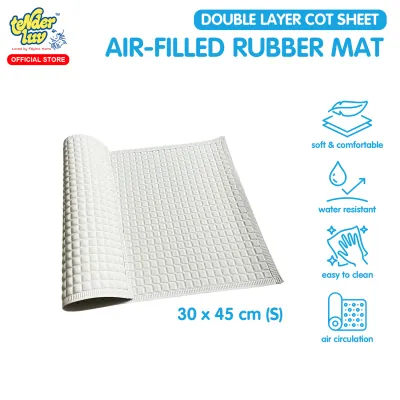
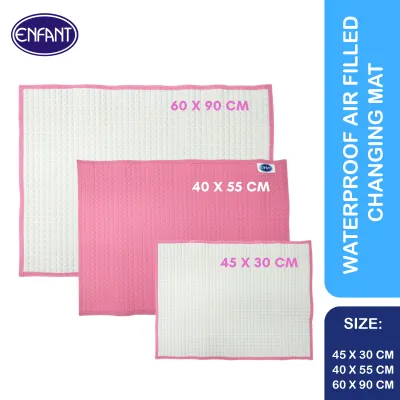
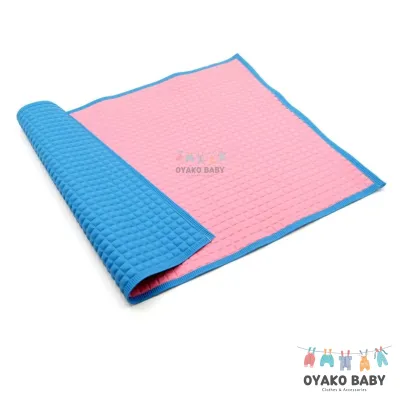
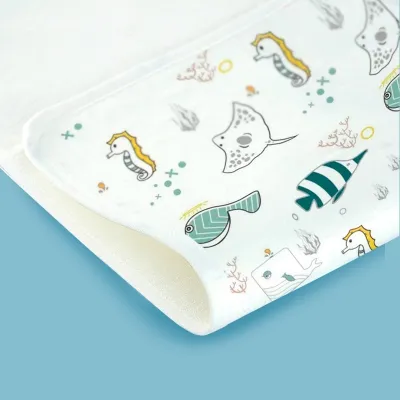
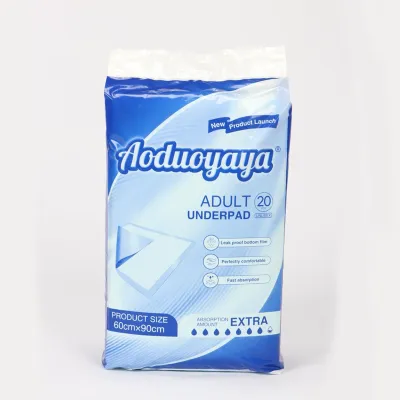
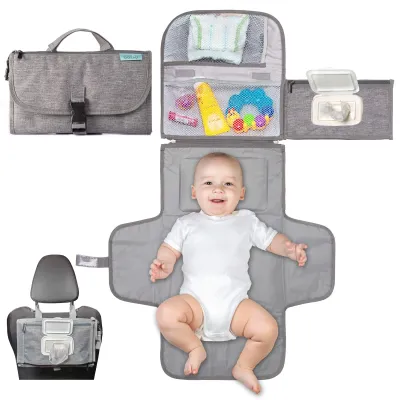
Prices are valid at publication and may change. Please refer to the product page for the latest price.
Skin safety is the second, equally vital pillar. A newborn’s skin is incredibly thin and highly permeable. Because babies spend significant time on their changing mats daily, any chemical off-gassing or contact with harmful substances can pose risks. Parents must look out for heavy metals, volatile organic compounds (VOCs), and plasticizers like phthalates, which are historically used to make plastics flexible but are linked to developmental concerns.
In humid environments, durability and hygiene are closely linked. High humidity can accelerate the breakdown of low-quality plastic coatings, leading to sticky surfaces, peeling, or cracking. A durable, high-quality material ensures the mat remains easy to wipe down and sanitize over hundreds of diaper changes without degrading.
PVC, TPU, and PEVA: Comparing Common Waterproof Materials
PVC (Polyvinyl Chloride)
PVC is highly durable, completely waterproof, and exceptionally easy to wipe clean. It resists tearing and stands up well to frequent sanitizing, making it a popular choice for heavy-duty nursery furniture.

Traditional PVC often requires plasticizers (phthalates) to make it soft and pliable. Without these additives, PVC is rigid. Because of this, parents must actively verify that any PVC changing mat is explicitly labeled as non-toxic and phthalate-free before purchase.
TPU (Thermoplastic Polyurethane)
TPU is a hybrid material that bridges the gap between hard plastic and soft silicone. It is highly flexible, soft to the touch, and does not require chemical plasticizers to remain pliable.
It is frequently laminated onto organic cotton or polyester fabrics to create a soft, waterproof backing. This makes it an excellent choice for parents who prefer a warmer, fabric-like feel for their baby’s skin while maintaining a reliable liquid barrier.
PEVA (Polyethylene Vinyl Acetate)
PEVA is a non-chlorinated vinyl often used as a direct, safer alternative to PVC. It is lightweight, odorless, and naturally flexible without the need for phthalates.
While highly waterproof and affordable, PEVA can be less durable than PVC or TPU under heavy, long-term use. It is more prone to creasing, and over time, these creases can develop micro-tears if the mat is folded or subjected to rough scrubbing.
Weighing the Options
When deciding between these materials, consider your specific nursery setup and climate. If you live in a highly humid region, a TPU-laminated fabric mat offers excellent breathability and comfort but requires regular washing. On the other hand, a solid, phthalate-free PVC or PEVA mat provides an instant wipe-clean surface that does not require machine laundering, making it highly efficient for quick cleanups during hot days.
How to Verify Safety and Waterproof Claims Before Buying
Shopping for baby gear on online marketplaces or in local boutiques requires a discerning eye. Do not rely solely on marketing buzzwords like “eco-friendly” or “natural.” Instead, look closely at the product tags and manufacturer specifications for explicit material breakdowns. A safe product should clearly state the exact composition of both the outer cover and the inner padding.
Verify safety certifications rather than assuming compliance. Look for recognized standards such as Oeko-Tex Standard 100 (which tests for harmful substances in textiles) or REACH compliance (a European standard regulating chemical substances). While these certifications are excellent indicators of safety, you should treat them as items to verify on the manufacturer’s official database or product documentation.
Inspect the physical construction of the mat. Run your fingers along the edges and seams. If the mat features standard thread stitching along the borders without any protective binding or heat-sealing, liquids will eventually penetrate the needle holes. Opt for mats with welded seams or those with thick, waterproof bias binding that covers the stitching.
If a product lacks clear labeling, or if the manufacturer cannot provide a detailed material safety data sheet upon request, it is best to stop and choose an alternative. Never compromise on unlabeled plastics when it comes to your baby’s daily environment.
Material-Specific Cleaning and When to Replace Your Mat
Maintaining the integrity of your changing mat requires gentle but effective cleaning. For daily maintenance across PVC, TPU, and PEVA, a simple solution of mild baby-safe soap and warm water is highly effective. Wipe the surface down with a soft microfiber cloth, and always allow the mat to air dry completely before folding or storing it.
Avoid harsh chemical cleaners, bleach, or abrasive scrubbing pads. These agents can strip away the waterproof coatings, cause TPU laminates to delaminate from their fabric backing, or create micro-scratches in PEVA and PVC. High-heat sterilization or placing laminated mats in a hot dryer can also melt or warp the waterproof barriers, rendering them useless.
Regularly inspect your changing mat for observable signs of wear. If you notice peeling, cracking, persistent sour odors, or liquid pooling along the seams instead of sitting on the surface, the waterproof barrier has failed. A compromised mat can trap moisture and bacteria inside the foam core, creating a health hazard for your baby. When these signs appear, stop using the mat immediately and replace it.
Frequently Asked Questions (FAQ)
Are fabric changing pads with waterproof linings safe for newborns?
Yes, fabric changing pads with waterproof linings (typically TPU or PEVA) are safe for newborns, provided the fabric surface is breathable, hypoallergenic, and free from loose threads. The waterproof lining protects your nursery furniture from leaks, while the soft fabric top keeps your baby comfortable. However, because the fabric top absorbs liquids, you must wash these pads frequently to prevent bacterial growth and skin irritation.
Can I use a regular waterproof mattress protector as a changing mat?
While a waterproof mattress protector can serve as a temporary barrier in an emergency, it is not a suitable long-term replacement for a dedicated changing mat. Mattress protectors lack the contoured edges, safety straps, and dense foam padding required to keep an active baby secure and comfortable during a diaper change. Additionally, they are often too large to fit securely on standard changing tables, increasing the risk of slips or falls.
Community discussion
Share your experience or ask a question. Comments are reviewed before publication.