
Finding the best water wipes for your baby’s sensitive skin in the Philippines requires looking past bold front-label marketing and focusing on the fine print of the ingredient list. While many brands prominently display “99% water” on their packaging, the remaining 1% of the formulation is what actually determines whether a product will soothe your baby’s skin or trigger an uncomfortable reaction. Because every baby’s skin barrier is unique, and the hot, humid tropical climate of the Philippines can exacerbate skin issues like heat rash and diaper dermatitis, there is no single “best” brand for every infant. This guide provides a practical evaluation framework to help you navigate the crowded baby care aisles and online marketplaces. By learning how to decode ingredient lists, assess physical wipe materials, and verify safety claims, you can make an informed decision tailored to your baby’s specific skin needs.
What Makes a Water Wipe Truly Safe for Sensitive Skin?
To understand what makes a water wipe safe, you must look at the reality of the “99% water” claim. Water alone is highly susceptible to bacterial growth and mold, especially when stored in warm, humid environments common in the Philippines. To keep wipes sterile and safe over several weeks, manufacturers must include a preservative system in the remaining 1% of the formulation. This small percentage also contains mild surfactants to lift dirt and pH adjusters to ensure the product matches the natural, slightly acidic pH of healthy baby skin, which typically ranges from 4.5 to 5.5.
The specific preservatives used in that 1% dictate the wipe’s compatibility with sensitive skin. Some brands use food-grade preservatives or fruit extracts, which are generally well-tolerated but may have a shorter shelf life once opened. Other brands rely on synthetic preservatives that offer robust protection against contamination but can occasionally trigger contact dermatitis in highly sensitive infants. When evaluating a product, look beyond the front label and identify the exact preservative system used, ensuring it does not contain known sensitizers.
Products mentioned in this guide
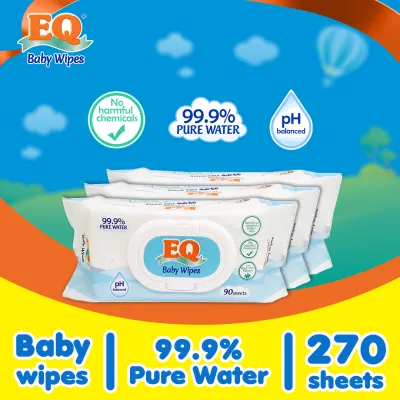
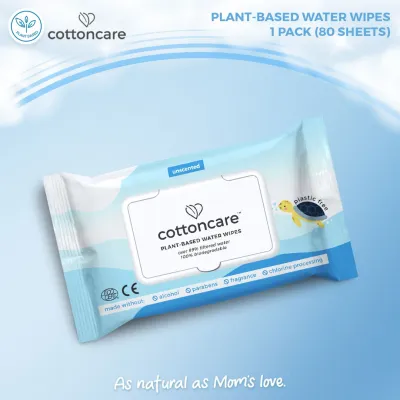
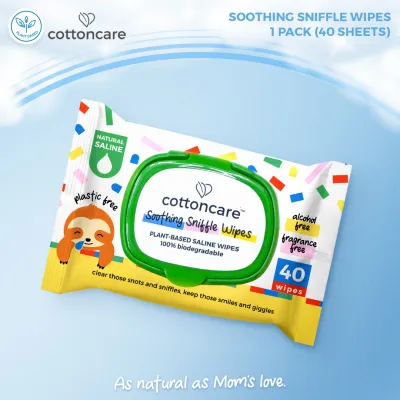
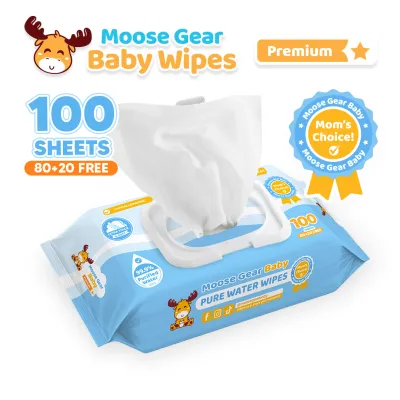
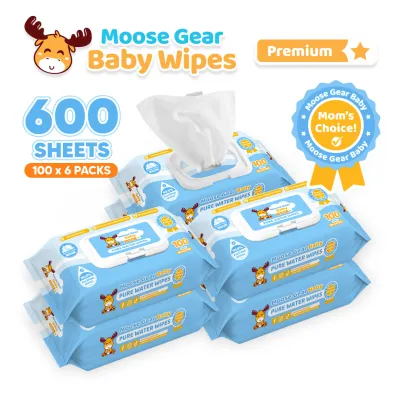
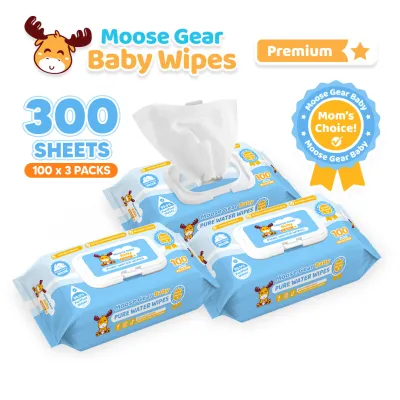

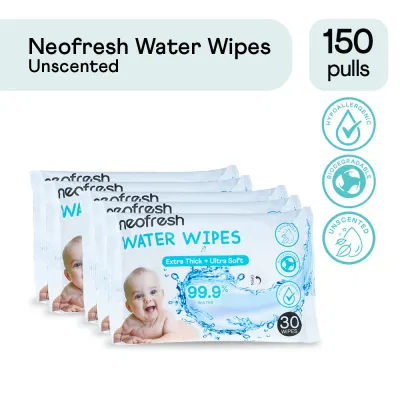
Prices are valid at publication and may change. Please refer to the product page for the latest price.
Hidden irritants are another crucial factor to scan for on the label. Even products labeled “unscented” may contain masking fragrances designed to cover up chemical smells, which can still irritate compromised skin. True “fragrance-free” wipes are a safer choice for sensitive skin. You should also avoid products containing drying alcohols, such as isopropyl alcohol or ethanol, which strip the skin of its natural oils. Instead, look for formulations that prioritize simplicity, containing only water and one or two mild, necessary ingredients to maintain product safety.
The physical material of the wipe itself plays a significant role in skin health, particularly in preventing friction-induced irritation. Wipes are generally made from either synthetic polyester blends or plant-based fibers like cotton, viscose, or bamboo. Synthetic fibers tend to be less absorbent and can feel rougher on delicate skin, increasing the risk of friction during cleanups. In a tropical climate where sweat and heat already compromise the skin barrier, minimizing physical friction during diaper changes is vital for preventing redness and chafing.
Core Dimensions for Comparing Water Wipe Brands
When comparing different water wipe options on store shelves or online marketplaces, establishing a structured evaluation process helps you make an objective choice. The first dimension to evaluate is ingredient transparency. Reputable manufacturers make their full ingredient lists easily accessible, either directly on the packaging or through their official websites. If a brand only lists active ingredients or uses vague terms like “gentle cleansing agents” without specifying the chemical names, proceed with caution. Transparent labeling allows you to cross-reference ingredients against known triggers if your baby has previously experienced a reaction.

Moisture level and texture are equally important physical characteristics to compare. A high-quality water wipe must balance adequate hydration with the risk of over-wetting. Wipes that are too dry require more rubbing to clean the skin, leading to irritation. Conversely, wipes that are excessively wet can leave a pool of moisture in your baby’s skin folds, such as the thighs and neck. In the humid Philippine climate, excess moisture that does not dry quickly can lead to skin maceration—a softening and breaking down of the skin barrier—which makes the area highly susceptible to fungal infections.
Packaging integrity is a frequently overlooked dimension that directly impacts both product safety and value. Because water wipes contain minimal preservatives, they are highly vulnerable to drying out and bacterial contamination once the seal is compromised. Look for packaging that features a sturdy, resealable plastic lid rather than a simple adhesive sticker. In warm tropical temperatures, the adhesive on sticker seals can degrade quickly, causing the pack to remain partially open. A secure plastic lid helps retain moisture and prevents airborne contaminants from entering.
Navigating Certifications and Dermatological Claims
As you browse baby care products, you will frequently encounter terms like “hypoallergenic,” “dermatologically tested,” and “pediatrician approved.” It is important to understand that these terms are often used as marketing descriptors and may not carry standardized, legally binding definitions. For instance, “hypoallergenic” simply means the product is formulated to minimize the risk of allergic reactions, but it does not guarantee that no reaction will occur. To truly assess these claims, you must look for recognized third-party certifications from independent dermatological or allergy organizations.
Reliable endorsements, such as seals of approval from organizations like the National Eczema Association or the Skin Health Alliance, indicate that the product has undergone rigorous review by independent experts. These organizations evaluate the formulation’s ingredients and manufacturing processes to ensure they meet strict safety standards for sensitive and eczema-prone skin. When a brand displays these seals, it provides an extra layer of reassurance that the product has been held to a higher standard of scrutiny than basic self-declared marketing claims.
When specific clinical data or independent certifications are absent, take the initiative to verify the manufacturer’s claims. Visit the brand’s official website to look for detailed product information, safety data sheets, or explanations of their testing methodologies. Additionally, you can cross-reference the product with local regulatory databases, such as the Food and Drug Administration (FDA) of the Philippines, to confirm that the cosmetic product is officially notified and authorized for sale. Taking these steps ensures that you are relying on verified regulatory compliance rather than persuasive packaging designs.
Decision Framework: Matching Wipes to Your Baby's Needs
To simplify your selection process, you can use a conditional decision framework based on your baby’s current skin condition and history of sensitivities. This approach allows you to adapt your product choices as your baby’s skin needs change over time.
If your baby has active eczema, severe redness, or a history of highly reactive skin, you should choose ultra-minimalist formulations. These products typically contain 99.9% water and a single, highly stable, non-sensitizing preservative, such as a minute amount of fruit extract or a mild food-grade preservative. Avoid any wipes that contain botanical extracts, essential oils, or added moisturizers, as even natural ingredients can act as contact allergens on a compromised skin barrier. The goal for highly sensitive skin is to minimize the number of chemical exposures during each cleanup.
If your baby has healthy, non-reactive skin, you may consider wipes with mild, soothing botanical extracts like aloe vera or chamomile. However, only use these if your baby has previously tolerated these specific ingredients. When introducing a new brand with botanical additives, perform a patch test on a small area of healthy skin and wait 24 to 48 hours to monitor for any signs of redness or irritation before full use.
Regardless of the brand you choose or the safety claims printed on the packaging, you must remain vigilant and observe how your baby’s skin responds. If you notice a persistent rash, weeping skin, peeling, or signs of discomfort during or after use, stop using the wipes immediately. Switch to using clean, lukewarm water and soft, reusable cotton cloths or cotton balls to cleanse the area, and gently pat the skin dry. If the skin condition does not improve within a few days, or if it worsens, consult a qualified pediatrician or pediatric dermatologist for a professional diagnosis and appropriate treatment plan.
Frequently Asked Questions (FAQ)
Can I use water wipes on a newborn's face and hands?
Yes, but you must verify the manufacturer’s specific guidelines on the packaging first. The skin on a newborn’s face is significantly thinner and more sensitive than the diaper area, and is closer to sensitive mucous membranes. While many water wipes are formulated to be gentle enough for facial use, some may contain mild surfactants or preservatives that can cause stinging in the eyes or irritation if ingested from the hands. Always look for explicit labeling indicating the wipes are safe for face and hands, and avoid the eye area unless specified.
Do water wipes need to be rinsed off after use?
In most cases, water wipes are designed as leave-on products that do not require rinsing. However, if your baby has an extremely compromised skin barrier or active diaper rash, rinsing can be a beneficial extra step. Even mild preservatives can accumulate on the skin if wipes are used frequently throughout the day. If you notice slight redness, gently rinse the area with plain, lukewarm water after using a wipe, or pat the skin completely dry with a clean, soft cloth to prevent prolonged contact with active ingredients.

Community discussion
Share your experience or ask a question. Comments are reviewed before publication.