
When your baby transitions from a stationary infant to an active explorer, your home suddenly presents a new set of physical challenges. In the Philippines, where concrete hollow block walls and tiled floors are standard in many residential builds, finding the right wall protector for baby safety becomes a top priority for parents. These protective barriers cushion the impact of inevitable bumps and falls while preserving your home’s paint and plaster from scuffs and scratches.
As infants reach developmental milestones, their physical coordination undergoes rapid changes. Crawling typically begins between six and ten months, quickly followed by pulling up on furniture and walls, cruising, and eventually taking those first independent steps. During these stages, a baby’s high center of gravity and developing vestibular system make them prone to losing balance. A sudden wobble can lead to a painful collision with a hard wall surface.
While installing protective padding is an excellent way to mitigate daily hazards, it is essential to establish a clear safety boundary. A wall protector for baby safety is a supplementary, passive safety measure; it does not replace active adult supervision. These products are designed to soften minor impacts and reduce the severity of daily bumps, but they cannot guarantee the prevention of all injuries. If your child ever experiences a hard fall, shows signs of lethargy, vomiting, or unusual behavior, stop using the play area immediately and consult a medical professional.
Products mentioned in this guide
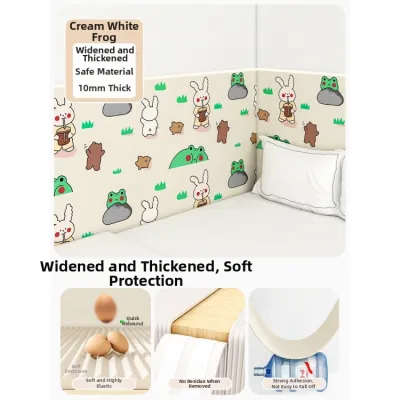

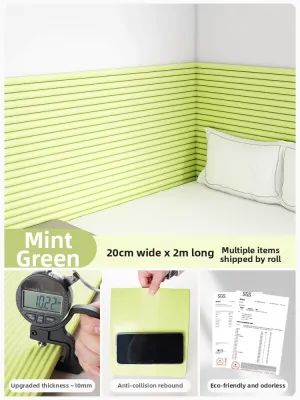
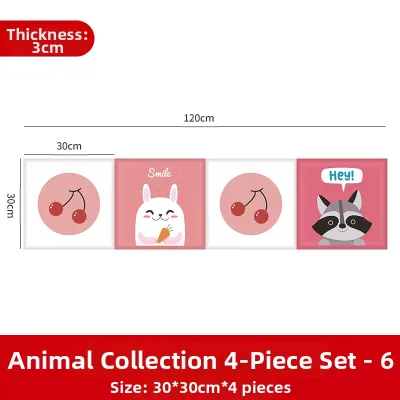
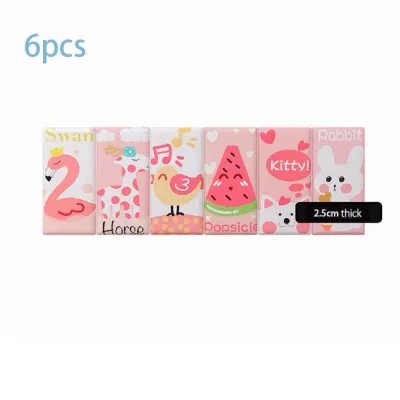
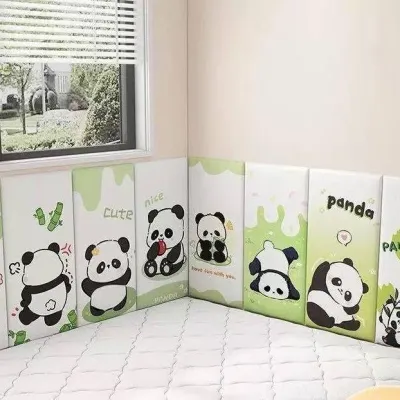
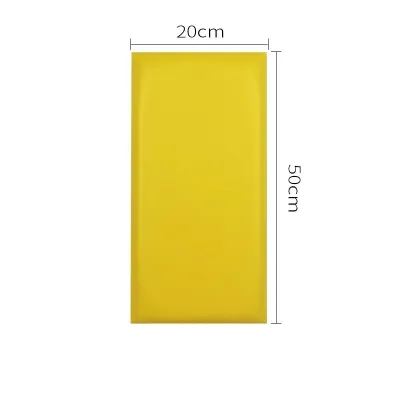
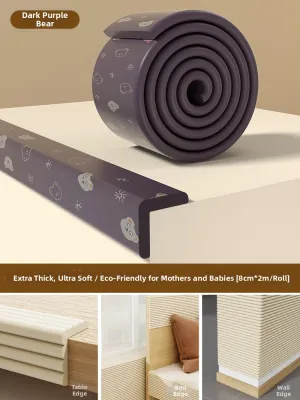
Prices are valid at publication and may change. Please refer to the product page for the latest price.
What to Look for When Buying Baby Wall Padding
Selecting the right wall padding requires balancing safety, durability, and practical integration into your living space. Because these products will be in direct contact with your child, evaluating their structural and chemical properties is a critical first step.
- Material Safety and Certifications: Babies explore their world through touch and taste, often placing their mouths directly on accessible surfaces. When shopping, verify that the products carry non-toxic certifications, such as being free from BPA, phthalates, lead, and formamide. Avoid purchasing wall pads that emit a strong, pungent chemical odor upon unpacking, as this can indicate the off-gassing of volatile organic compounds (VOCs). Look for manufacturers that explicitly provide safety documentation or meet recognized international toy safety standards.
- Thickness and Density: The effectiveness of a wall protector relies on its ability to absorb and dissipate kinetic energy. A thicker pad generally offers more cushioning, but thickness must be balanced with density. High-density materials absorb impact efficiently without compressing completely flat under pressure. Conversely, a pad that is too thick but low in density may protrude excessively into a narrow hallway—creating a tripping hazard—while failing to prevent a hard impact with the underlying wall.
- Adhesive Quality and Wall Compatibility: Secure mounting is vital to prevent the padding from falling and becoming a hazard itself. However, parents—especially those renting condominiums or houses in urban areas like Metro Manila—must also consider how the adhesive affects the wall. Look for heavy-duty, double-sided adhesives designed for clean removal. The adhesive must be compatible with your specific wall finish, whether it is flat latex paint, semi-gloss enamel, or textured plaster.
- Tropical Climate Resilience: The humid, tropical climate of the Philippines introduces unique maintenance challenges. High relative humidity, particularly during the rainy season, can cause standard water-based adhesives to soften, lose grip, and peel away from concrete walls. Furthermore, non-breathable materials can trap ambient moisture against the wall, creating a damp microclimate where mold and mildew thrive. Ensure the materials you choose are moisture-resistant and that the adhesives are rated to withstand high temperatures and humidity fluctuations.
Comparing the Main Types of Wall Protector for Baby Options
Understanding the distinct characteristics of the primary wall protectors available in the local market will help you choose the best fit for your home’s layout and your family’s daily routine.

Foam Wall Pads (EVA and XPE)
Foam wall pads are the most common and versatile baby-proofing barriers available today. They are typically sold as interlocking puzzle tiles or large, self-adhesive sheets designed to mimic brick, wood, or decorative geometric patterns.
- Material Differences: These pads are primarily manufactured from either Ethylene-Vinyl Acetate (EVA) or Cross-Linked Polyethylene (XPE) foam. EVA foam is highly flexible, budget-friendly, and widely accessible, making it a popular choice for temporary setups. XPE foam, however, features a closed-cell structure that provides superior density, enhanced shock absorption, and greater resistance to long-term wear. XPE is also structurally stable and less prone to chemical off-gassing over time.
- Hygiene and Maintenance: One of the greatest advantages of foam is its water-resistant surface. Spills, drool, sticky handprints, and stray crayon marks can be easily wiped away using a damp microfiber cloth and a mild, baby-safe dishwashing soap. This makes foam highly practical for high-traffic play zones.
- Limitations and Risks: Low-density or cheap foam can be easily punctured by sharp toys, wooden building blocks, or pet claws. If a curious toddler manages to tear off a small piece of the foam, it instantly becomes a severe choking hazard. Parents must inspect foam panels daily for any signs of physical degradation or loose edges. If damage is detected, immediately remove the compromised section and replace it.
Fabric Covers and Upholstered Panels
For parents seeking a softer, more integrated look that complements their home decor, upholstered wall panels and fabric-covered protectors offer an elegant alternative to bright foam plastics.
- Structural Composition: These protectors typically consist of a lightweight backing board (such as thin MDF or plastic), a thick core of high-density polyurethane sponge, and an outer fabric cover made from natural cotton, linen, or durable synthetic polyester blends. They provide a soft, cushioned surface that is highly comfortable for babies to lean against.
- Aesthetic and Acoustic Benefits: Upholstered panels blend seamlessly into nurseries, bedrooms, and quiet reading corners. Beyond their visual appeal, the fabric and sponge layers provide excellent acoustic dampening, helping to quieten a room and create a more peaceful sleeping environment for your infant.
- Limitations and Tropical Challenges: Fabric is highly porous, meaning it readily absorbs liquid spills, sweat, and airborne moisture. In humid tropical environments, this absorption can quickly lead to the growth of mold, mildew, and dust mites within the inner sponge core, which can trigger respiratory issues or allergies in sensitive infants. To manage this risk, prioritize panels that feature removable, machine-washable covers. Ensure the room maintains excellent ventilation, use dehumidifiers if necessary, and regularly check the backing of the panels for any signs of dampness or musty odors.
Bumper Guards and Edge Protectors
While flat wall pads cover broad vertical surfaces, bumper guards and edge protectors are specialized tools designed to secure sharp corners, structural columns, and narrow wall intersections.
- Targeted Protection: These guards are typically L-shaped, U-shaped, or flexible cylindrical strips made from soft silicone, rubber, or high-density Nitrile Butadiene Rubber (NBR). They are specifically engineered to wrap around the sharp 90-degree edges of concrete walls, wooden door frames, and the corners of low-lying built-in cabinetry.
- Material Selection: Clear silicone guards are highly durable and discreet, allowing your home's natural wood or paint colors to show through. NBR rubber guards are thicker and softer, providing maximum impact absorption for areas where toddlers are highly likely to run and collide.
- Installation Tip: Before purchasing, measure the exact angle, width, and height of the corners you need to protect. Universal-fit guards can leave small gaps if your walls are slightly uneven. These gaps provide a perfect handhold for curious babies to grip and peel the guard away, creating a choking hazard from the loose adhesive tape or the guard material itself.
Matching the Right Protector to Your Space and Baby's Stage
Every home has a unique layout, and every baby develops at a different pace. Tailoring your baby-proofing strategy to your specific living spaces ensures optimal protection without cluttering your home.
- Around the Crib or Toddler Bed: Safe sleep guidelines must be followed strictly when baby-proofing a sleeping area. The American Academy of Pediatrics (AAP) advises against placing loose pillows, thick fabric panels, or traditional soft bumpers inside a baby's crib due to suffocation and entrapment risks. If your child's crib is positioned flush against a concrete wall, do not place padding inside the crib. Instead, secure thin, firm, breathable fabric panels or flat foam pads directly to the wall outside and above the crib rail height. Ensure there are absolutely no gaps where a baby's head or limbs could become wedged, and verify that all wall-mounted items are anchored securely so they cannot fall.
- Open Play Areas and Hallways: When infants begin crawling and pulling themselves up, they require a wide, continuous safety perimeter. Interlocking EVA or XPE foam tiles are ideal for these spaces; they can be laid flat on the floor and extended up the lower portion of the walls by 50 to 60 centimeters. This creates a secure, padded basin. For hallways where toddlers practice walking, large, adhesive-backed foam panels can be applied to cover the lower half of the walls, protecting them from sudden sideways tumbles.
- High-Traffic Corners and Doorways: As babies transition into running toddlers, their speed and momentum increase, making collisions with sharp corners highly dangerous. Focus your efforts on high-traffic transition zones, such as the entrance to the living room or hallway corners. Install heavy-duty, high-impact silicone or thick NBR rubber bumper guards on these sharp edges, extending from floor level up to at least one meter high to match your growing child's height.
- Dynamic Reassessment: Baby-proofing is an ongoing process rather than a single task. Conduct a monthly safety audit of your home. As your child grows taller, gains speed, and develops new climbing skills, adjust the height and placement of your wall protectors, and reinforce the adhesives to withstand greater impact forces.
Installing and Maintaining Wall Padding in Humid Climates
Proper installation and consistent maintenance are critical to ensuring your wall protectors remain secure and hygienic, particularly under the demanding environmental conditions of the Philippines.
- Wall Preparation: Cleanliness is the foundation of a lasting adhesive bond. Begin by washing the target wall area with a solution of water and mild dishwashing soap to remove accumulated dust, oils, and fingerprints. Avoid using harsh chemical cleaners that leave a slippery residue. Because concrete and plaster walls can hold latent moisture in humid climates, allow the wall to dry completely—ideally for 24 hours with a fan blowing directly on the area—before applying any adhesive.
- Application Technique: When installing self-adhesive panels or mounting tape, peel the backing carefully and apply the protector to the wall. Use a clean cloth, a squeegee, or a roller to apply firm, even pressure from the center of the pad outward to push out any trapped air bubbles. Allow the adhesive to cure undisturbed for at least 24 to 48 hours (or the exact time specified on the manufacturer's label) before allowing your baby near the area.
- Routine Safety Checks: The combination of tropical heat and high humidity can slowly degrade adhesive polymers over time. Once a week, perform a physical inspection of all wall protectors. Gently tug on the edges and corners of the pads. If you detect any lifting, peeling, or sliding, immediately remove the protector and reapply it with fresh, high-quality mounting tape. Loose protectors pose a serious hazard; a baby can pull them down, leading to falls or the ingestion of adhesive materials.
- Cleaning Protocols: Clean foam protectors weekly with a damp microfiber cloth and a baby-safe, non-toxic sanitizing spray. For fabric panels, vacuum them regularly with a HEPA-filter vacuum to remove dust mites and pet dander. If a spill occurs on a fabric panel, spot-clean it immediately and dry it thoroughly with a hairdryer on a cool setting to prevent mold cultivation. Never use bleach, ammonia, or harsh chemical solvents, as these can degrade the protective materials and release harmful fumes into your baby's environment. Always follow the specific care instructions on the product label.
Frequently Asked Questions (FAQ)
Are foam wall pads safe if my baby chews on them?
No, foam wall pads are not safe for chewing. Even if a product is certified non-toxic, it is not designed to withstand infant teeth. A baby can easily bite off small pieces of foam, which present an immediate choking hazard or risk of intestinal blockage. If you notice bite marks or physical damage on your foam pads, immediately remove them from the baby’s reach and redirect their chewing behavior to safe, approved rubber teething toys.
Will wall protectors damage my paint when removed?
There is always a risk of paint damage, especially on walls finished with low-quality latex paint or over poorly prepared plaster. To minimize this risk, use a hairdryer on a low, warm setting to gently heat and soften the adhesive backing before slowly peeling the protector away at a 45-degree angle. Always perform a test patch on a small, hidden area of the wall before installing protectors throughout your home.
How thick should a baby wall protector be to be effective?
For adequate impact protection, a wall protector should ideally be between 1 and 2 centimeters thick, combined with a high-density structural composition. Extremely thin pads (under 0.5 centimeters) may not provide enough deceleration during a fall, while excessively thick pads (over 3 centimeters) can protrude too far and become a tripping hazard. Test the cushioning by pressing firmly with your thumb; the material should compress slightly but prevent your finger from feeling the hard wall underneath.
Community discussion
Share your experience or ask a question. Comments are reviewed before publication.