
Parents often look for simple, reliable ways to protect their baby’s delicate skin, and a tub of pure petroleum jelly is a common household staple. When it comes to newborns and infants, pure petroleum jelly is generally safe to use as a topical barrier, but its safety depends entirely on how, where, and when you apply it. Because infant skin is significantly thinner and more sensitive than adult skin, understanding the mechanics of this occlusive barrier is essential for preventing accidental irritation or heat-related skin issues.
In tropical climates like the Philippines, where high humidity and heat are constant factors, using heavy barrier ointments requires extra care. While petroleum jelly is highly effective at shielding skin from external moisture, it can also trap heat and sweat if applied incorrectly. Navigating baby skincare means balancing the protective benefits of an occlusive layer with the practical realities of your environment and your baby’s specific skin needs.
Understanding Petroleum Jelly and Baby Skin
To understand how petroleum jelly works, it helps to look at its physical properties. Petroleum jelly is a mixture of mineral oils and waxes, classified as an occlusive agent. Unlike water-based lotions that absorb directly into the skin to provide hydration, an occlusive agent sits on top of the skin’s outermost layer, the stratum corneum. It creates a physical, water-resistant seal that prevents moisture from escaping.
Products mentioned in this guide
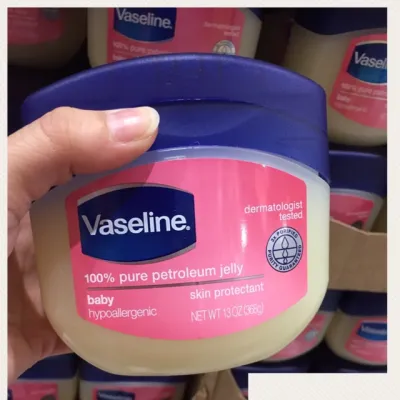
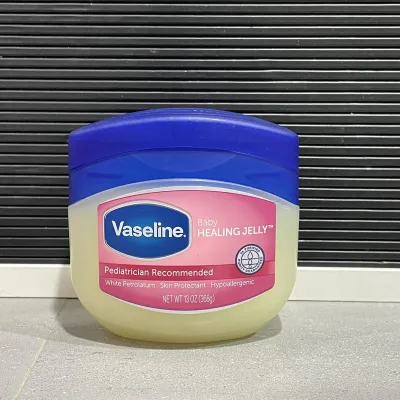
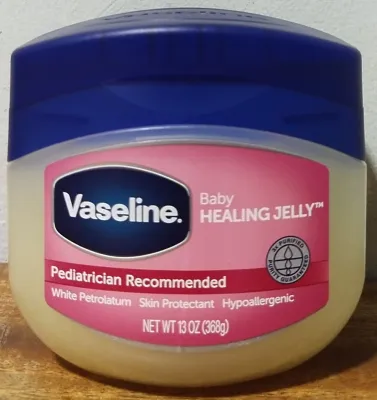
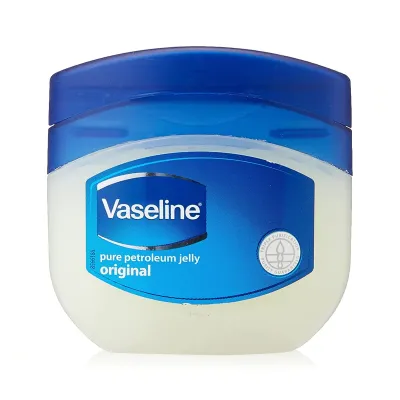
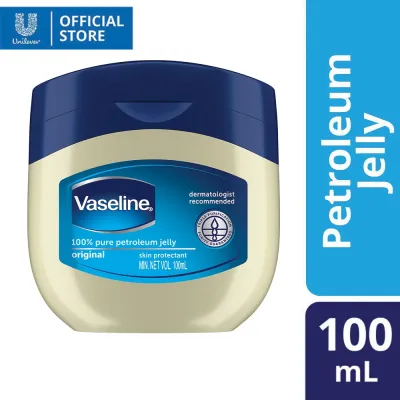
Prices are valid at publication and may change. Please refer to the product page for the latest price.
A newborn’s skin is structurally different from adult skin. It is about thirty percent thinner, highly permeable, and still developing its natural barrier function. This means an infant’s skin loses moisture much faster, making it prone to dryness, but it also absorbs topical substances more readily. Because of this high permeability, parents must be highly selective about what they apply to their baby’s body, ensuring that any product used is free from unnecessary chemical additives.
When purchasing petroleum jelly for a baby, it is crucial to verify the product’s purity. Parents should carefully inspect the product packaging to ensure it is labeled as 100% pure petroleum jelly or triple-purified. Unrefined or poorly refined petroleum products can contain impurities and chemical residues that may trigger contact dermatitis or allergic reactions on sensitive infant skin. Checking for these purity claims on the label is a vital safety step before any application.
It is also important to clarify a common misconception: petroleum jelly does not actually add moisture to the skin. Because it contains no water, it cannot hydrate dry skin cells on its own. Instead, it acts as a protective lid, trapping the moisture that is already present in the skin or sealing in a hydrating lotion applied beforehand. Understanding this distinction helps parents use the product more effectively as a protective shield rather than a primary moisturizer.
Common Uses for Vaseline on Baby Skin
One of the most common and practical applications for petroleum jelly is diaper rash prevention. The diaper area is constantly exposed to moisture, friction, and the acidic enzymes present in urine and stool, which can quickly break down a baby’s delicate skin barrier. Applying a thin layer of petroleum jelly during diaper changes creates a reliable physical shield. This barrier prevents wetness from directly contacting the skin, significantly reducing the risk of painful diaper dermatitis.

Another effective use is locking in hydration immediately after bath time. When a baby is bathed, their skin absorbs water, but this moisture evaporates rapidly once they are out of the tub. To prevent this rapid drying, parents can pat the baby’s skin gently with a towel, leaving it slightly damp, and immediately apply a thin layer of petroleum jelly. This technique traps the clean bath water within the skin layers, keeping the infant’s skin soft and supple.
In warm, tropical regions, friction and chafing are frequent discomforts for growing infants. Babies naturally have adorable skin folds, neck rolls, and chubby thighs where skin constantly rubs against skin or damp clothing. The high humidity in the Philippines can cause sweat to accumulate in these folds, leading to painful chafing and redness. Applying a tiny, well-distributed amount of petroleum jelly to these friction-prone areas helps the skin glide smoothly, preventing painful raw spots.
Safety Concerns and When to Avoid Petroleum Jelly
While petroleum jelly is highly effective as a barrier, its occlusive nature means there are specific situations where it can do more harm than good. In hot and humid climates, babies are highly susceptible to heat rash, also known as miliaria or bungang-araw. Because petroleum jelly forms an impenetrable seal over the skin, applying it to a baby who is sweating can block the sweat glands. This traps perspiration beneath the skin surface, leading to itchy, red bumps and worsening the heat rash.
Similarly, petroleum jelly should be avoided if a baby is prone to infant acne. Trapping natural skin oils, dead skin cells, and bacteria under a heavy, greasy layer can clog pores and exacerbate breakouts. If your baby is experiencing active skin eruptions or unexplained bumps, it is best to keep the skin clean and dry, avoiding heavy ointments until you can consult a pediatrician for a proper evaluation.
A critical, lesser-known safety concern is the risk of lipid pneumonia. Parents must never apply petroleum jelly inside or directly around a baby’s nose or mouth. Because petroleum jelly is an oil-based substance, there is a risk that tiny, microscopic droplets of the ointment can be accidentally inhaled into the baby’s lungs over time. The lungs cannot easily clear these mineral oils, which can lead to a serious, chronic inflammatory lung condition. For dry lips or facial skin near the airway, always seek safer, pediatrician-approved alternatives.
Additionally, petroleum jelly should never be applied over active skin infections, weeping eczema, or unwashed skin. If a baby has a bacterial or fungal infection, applying an occlusive layer seals the pathogens directly onto the skin, creating a warm, moist environment where bacteria and fungi can rapidly multiply. This can worsen the infection and delay the natural healing process. Always ensure the skin is thoroughly cleaned and free of infection before applying any barrier ointment.
Best Practices for Safe Application
To minimize risks and ensure your baby’s skin tolerates petroleum jelly well, always perform a patch test before full-body application. Apply a pea-sized amount of the product to a small, discreet area of intact skin, such as the inside of the baby’s forearm or thigh. Monitor this specific spot closely for 24 hours. If you notice any signs of redness, swelling, tiny bumps, or itching, wash the area immediately and do not use the product again.
If the patch test is successful, follow proper application steps to maintain hygiene and safety. Always wash your hands thoroughly with soap and water before scooping the product out of the jar to avoid introducing bacteria into the container. Ensure the baby’s skin is completely clean and dry before application. Use only a very thin, translucent layer of petroleum jelly; a small amount goes a long way, and applying a thick glob only increases the risk of trapping sweat and clogging pores.
Parents must also establish clear stop conditions to protect their baby’s health. If you observe increased redness, new bumps, signs of irritation, or if a diaper rash does not improve after a few days of application, discontinue use immediately. These symptoms indicate that the skin barrier may be compromised or that an underlying infection is present. In such cases, seek a professional pediatric consultation to receive an accurate diagnosis and a safe treatment plan.
Evaluating Alternatives for Baby Skincare
There are many scenarios where a simple occlusive barrier like petroleum jelly is insufficient for a baby’s skin needs. If an infant is suffering from severely dry, flaky skin, they require a product that actively draws moisture into the skin rather than just trapping what little moisture is left. In these cases, a combination of humectants, which attract water, and emollients, which smooth and soften the skin, is necessary to restore the skin’s natural balance.
When evaluating alternative infant moisturizers, parents should look for products specifically formulated for sensitive baby skin. Key features to verify on the product label include “fragrance-free,” “hypoallergenic,” and “dye-free.” Fragrances and artificial colorants are among the most common triggers for skin allergies and contact dermatitis in infants. Choosing minimalist, clean formulations helps protect the baby’s developing skin barrier from unnecessary chemical exposure.
For specific skin conditions like infant eczema, parents should check for pediatrician-recommended ingredients such as ceramides. Ceramides are natural lipids that help rebuild and strengthen the skin’s protective barrier, preventing moisture loss and keeping irritants out. Because eczema is a complex inflammatory condition, it is always best to consult a healthcare professional to select a targeted therapeutic cream rather than relying solely on heavy occlusive ointments.
Frequently Asked Questions (FAQ)
Can I use Vaseline on my newborn's umbilical cord stump?
The general medical consensus for umbilical cord care is to keep the stump clean and dry to allow it to shrivel and fall off naturally. Applying an occlusive ointment like petroleum jelly to the umbilical area is not recommended, as it traps moisture and prevents air circulation. This can delay the drying process and significantly increase the risk of bacterial infection. Keep the area clean and dry, and do not apply any ointments unless explicitly directed by your pediatrician.
Is Vaseline safe for baby eczema?
Petroleum jelly can be a highly effective supportive tool for managing baby eczema, but it is not a standalone treatment. During eczema flare-ups, the skin barrier is severely compromised, leading to rapid moisture loss. Applying a thin layer of petroleum jelly over a hydrating, pediatrician-approved eczema cream can help lock in that moisture and protect the skin from external irritants. However, it does not treat the underlying inflammation, so it must be used as part of a broader management plan guided by a medical professional.
Does petroleum jelly expire or go bad?
While pure petroleum jelly is chemically highly stable and does not spoil or grow mold as quickly as water-based creams, it can still degrade over time. More importantly, repeated use of a single jar can lead to contamination if dirty fingers are dipped into the product. Parents should check the packaging for an expiration date or a period-after-opening symbol. If you notice any changes in the product’s texture, color, or odor, discard it immediately and replace it with a fresh container to ensure your baby’s safety.
Community discussion
Share your experience or ask a question. Comments are reviewed before publication.