
Using Sudocrem to manage diaper rash in the Philippines’ intense heat and humidity requires a careful, adaptive approach. While this classic zinc oxide-based barrier cream is highly regarded for protecting delicate skin from moisture, its thick formulation behaves differently in a tropical climate than it does in cooler regions. When the ambient air is thick with humidity, applying a heavy occlusive layer can sometimes backfire by trapping sweat and heat against your baby’s skin. To get the best results, you must understand how to balance the cream’s protective barrier properties with the skin’s need to breathe in tropical conditions.
How Tropical Heat and Humidity Affect Diaper Skin and Creams
The climate in the Philippines presents unique challenges for infant skin care, primarily due to the combination of high temperatures and elevated relative humidity. Inside a diaper, a microclimate is created where heat and moisture are naturally insulated. When the external environment is already humid, sweat cannot evaporate efficiently from your baby’s skin. This constant state of wetness can lead to skin maceration, a condition where the outer layer of the skin becomes soft, fragile, and highly susceptible to breakdown.
In this fragile state, any friction from diaper edges or contact with acidic urine and stool can quickly trigger diaper rash. The friction of a wet diaper rubbing against macerated skin acts almost like sandpaper, rapidly wearing down the skin’s natural defenses. Furthermore, tropical heat increases blood flow to the skin’s surface, which can make the area even more sensitive to chemical irritants present in waste. To prevent this, caregivers often turn to thick barrier creams to block contact with these irritants.
Products mentioned in this guide
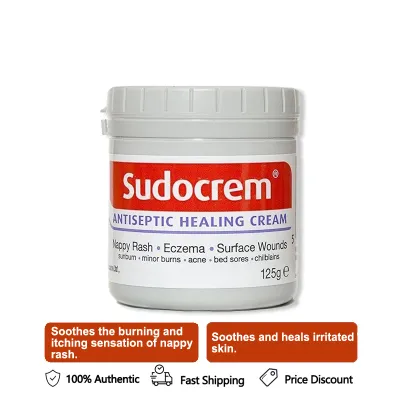
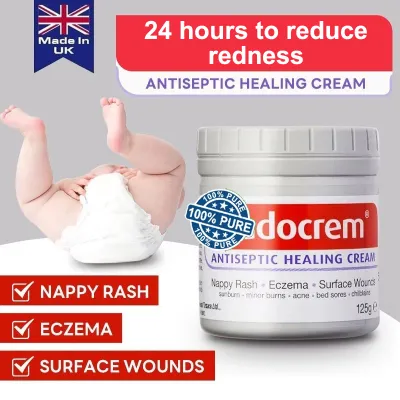
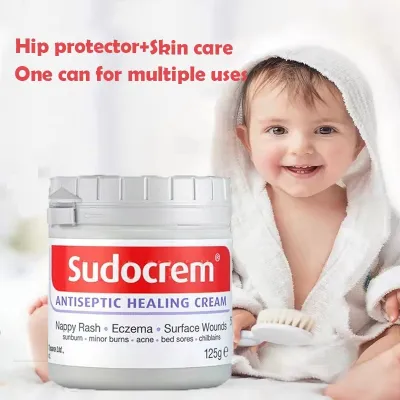
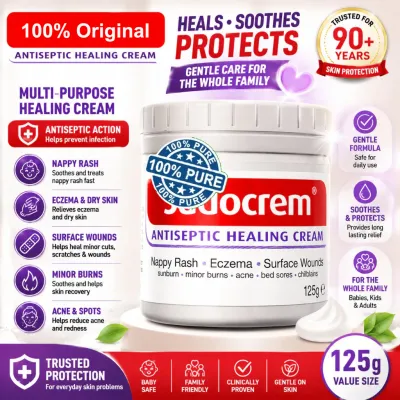
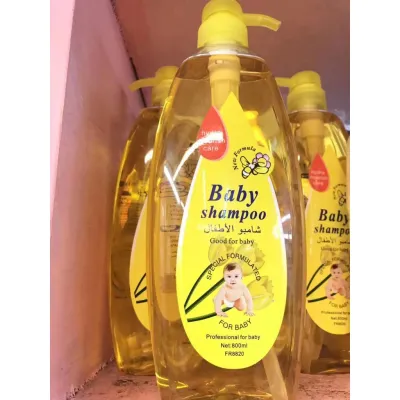
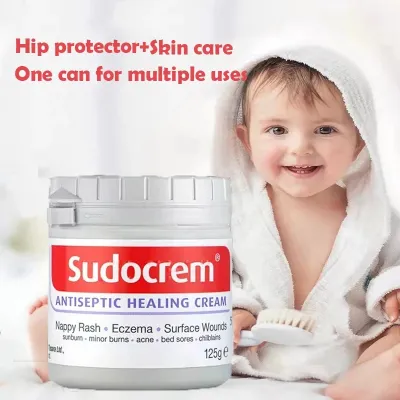
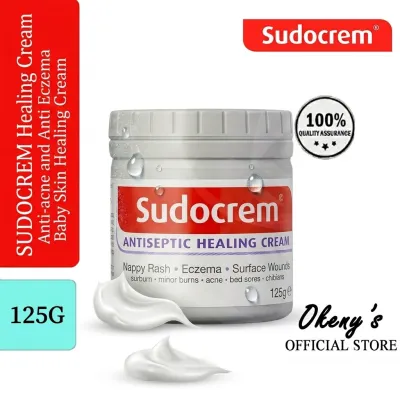
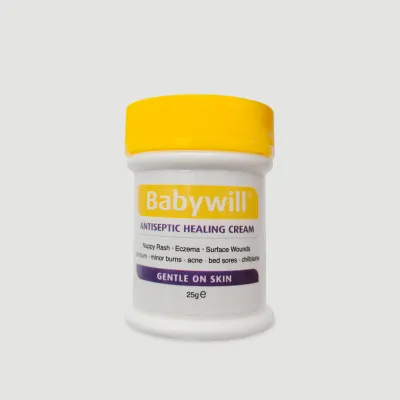
Prices are valid at publication and may change. Please refer to the product page for the latest price.
However, high ambient temperatures can alter the physical behavior of these ointments. In the tub, the cream may soften or separate slightly due to the heat, making it feel oilier upon initial application. Once on the skin, a thick layer forms a highly effective, waterproof seal. While a strong moisture barrier is essential for keeping external wetness away from the skin, it can also act as an impermeable trap for internal moisture. If your baby is sweating under their diaper, a heavy, occlusive cream can block the sweat glands and prevent the skin from cooling down naturally. This creates a delicate balancing act: you must apply enough cream to shield the skin from waste, but not so much that you suffocate the skin and trap heat.
What to Observe When Using Sudocrem in Humid Weather
When using any diaper cream in a tropical climate, you should start by carefully reviewing the product label. Check the packaging for specific manufacturer instructions, age recommendations, and the list of active ingredients. Standard barrier formulations typically rely on ingredients like zinc oxide, paraffin, and lanolin to create a protective shield. You should verify these ingredients on your specific tub to ensure your baby does not have known sensitivities to them, and always follow the manufacturer’s guidelines for safe application.

Once you begin using the cream, closely observe how the formulation interacts with your baby’s skin during the hottest parts of the day. In high humidity, a cream that is applied too heavily may begin to slide off, pill, or clump in the skin folds rather than forming a smooth, protective layer. If you notice the cream mixing with sweat to create a sticky, heavy residue that is difficult to gently wipe away during diaper changes, this is a sign that the application is too thick.
Additionally, monitor your baby’s skin for any adverse reactions to the occlusive barrier. Look for signs of trapped heat, such as tiny, clear fluid-filled bumps or increased redness in areas where the cream was applied. If the skin under the diaper appears flushed, warm to the touch, or more irritated after application, the cream may be trapping sweat and heat. Regularly checking the skin’s physical condition allows you to adjust your application method before a minor irritation develops into a more severe rash.
Adjusting Your Diaper Cream Routine for Hot Climates
To maximize the effectiveness of your diaper cream while minimizing heat-related skin issues, you must adjust your daily application routine to suit the tropical climate. The most critical step is ensuring the skin is completely dry before applying any barrier cream. Applying an occlusive cream over damp or sweaty skin seals that moisture directly against the skin barrier, which can rapidly accelerate irritation. After cleaning your baby during a diaper change, gently pat the skin dry with a clean, soft cotton cloth, ensuring you do not rub or irritate the area.
Next, modify the thickness of your application based on the current weather and the state of your baby’s skin. Instead of applying a thick, white paste, opt for a very thin, translucent layer. You should still be able to see the baby’s skin through the cream. This minimal application provides an effective barrier against urine and stool while still allowing the skin to breathe as much as possible. Always supervise your baby during changes, ensure the cream is kept out of their reach, and verify the manufacturer’s age guidelines and application instructions on the packaging.
In addition to adjusting how you apply the cream, increase the frequency of diaper changes during hot days. Do not wait for the diaper to become fully saturated before changing it, as prolonged exposure to wetness worsens skin fragility. Frequent changes keep the diaper area dry and reduce the need for heavy barrier applications. To complement this routine, dress your baby in loose, breathable cotton clothing, as tight synthetic fabrics can trap heat and exacerbate diaper rash.
Finally, incorporate regular, supervised diaper-free time into your baby’s daily schedule. Allowing your baby to spend fifteen to twenty minutes playing without a diaper on a clean, waterproof mat lets the skin air out naturally. Ensure the room is well-ventilated, perhaps using a fan to circulate the air, but keep the fan from blowing directly on your baby to prevent them from getting cold. This simple practice is one of the most effective ways to support skin recovery in a humid climate.
Warning Signs: When to Stop and Consult a Pediatrician
While a reliable barrier cream is highly effective for standard diaper irritation, it is important to recognize its limitations. Warm, dark, and moist environments are ideal breeding grounds for microbes, particularly fungi like yeast. If a secondary infection develops, continuing to apply a thick, occlusive barrier cream can actually worsen the condition by trapping the pathogens against the skin.
Caregivers must be vigilant in identifying the visual signs of a fungal diaper rash. Unlike typical diaper dermatitis, which usually presents as generalized redness on the areas in direct contact with the diaper, a fungal infection often features a bright red, raw-looking rash with sharply defined borders. You may also observe small, red “satellite” spots or pustules spreading outward from the main rash into the groin folds. If you notice these signs, or if the rash does not improve after a few days of careful, thin cream application, stop using the barrier cream immediately.
You should also watch for signs of bacterial infection, such as yellow crusting, oozing, or pus-filled blisters. If your baby develops a fever, shows signs of extreme discomfort, or if the rash continues to spread and worsen despite frequent changes and dry skin, do not attempt to treat it at home. Stop all home remedies and consult a qualified pediatrician or healthcare professional immediately to obtain an accurate diagnosis and appropriate prescription treatment.
Frequently Asked Questions (FAQ)
Is it safe to use Sudocrem for every diaper change in the summer?
In peak tropical heat, applying a thick barrier cream at every single diaper change is generally not necessary if your baby’s skin is healthy and clear. If the skin is free of redness, a routine of prompt diaper changes, thorough drying, and brief periods of airing out is usually sufficient to maintain skin health. Reserve the cream for times when you notice early signs of irritation or when your baby will be wearing a diaper for an extended period, such as overnight. Over-applying thick creams on healthy skin in hot weather can unnecessarily clog pores and trap sweat.
Can thick diaper creams cause heat rash in tropical climates?
Yes, highly occlusive diaper creams can contribute to heat rash (miliaria) if they are applied too thickly in hot, humid conditions. Heat rash occurs when sweat ducts become blocked, preventing sweat from evaporating from the skin. Because thick barrier creams are designed to block moisture, applying a heavy layer over a wide area can inadvertently block sweat glands. To prevent this, apply the cream sparingly and only to the specific areas exposed to friction and waste, keeping the layer as thin and translucent as possible.
Community discussion
Share your experience or ask a question. Comments are reviewed before publication.