
Repurposing stylish, high-quality athletic gear for parenthood has become a popular trend for active families. While there is no official lululemon diaper bag in the brand’s current lineup, many parents successfully use their larger backpacks, spacious totes, and travel duffles to carry baby essentials. This approach offers a sleek, modern aesthetic and excellent post-baby utility, but it does require some careful planning.
The primary trade-off of using a lifestyle bag over a traditional diaper bag is style versus specialized utility. Lululemon bags feature lightweight, durable technical fabrics that transition seamlessly from a morning stroll to a casual lunch. However, they lack built-in, baby-specific features such as insulated bottle compartments, dedicated stroller straps, and integrated waterproof changing pads. Deciding if this setup works for you depends on matching the bag’s physical capacity, carrying style, and material durability to your baby’s age and the typical length of your outings.
How to Evaluate if a Lululemon Style Fits Your Diaper Bag Needs
Before committing to a lifestyle bag for your baby gear, it is important to evaluate how well the design handles the unique demands of parenting. A bag that works perfectly for a solo gym session might fall short when packed with diapers, bottles, and spare clothes. Assessing a few practical design elements beforehand will help you avoid daily frustration.
Products mentioned in this guide
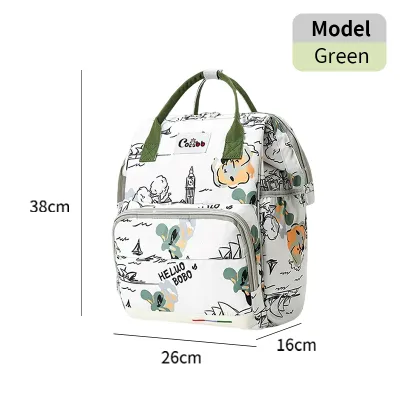
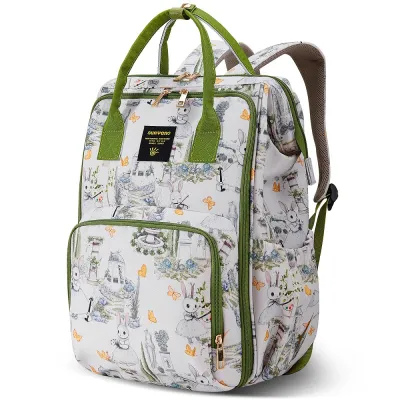
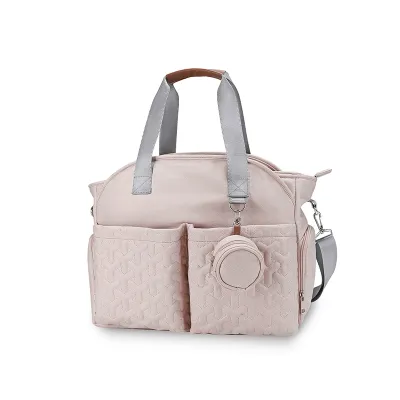
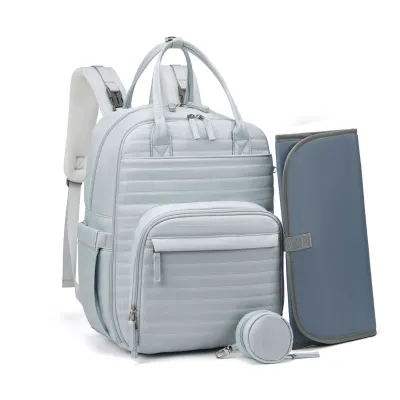
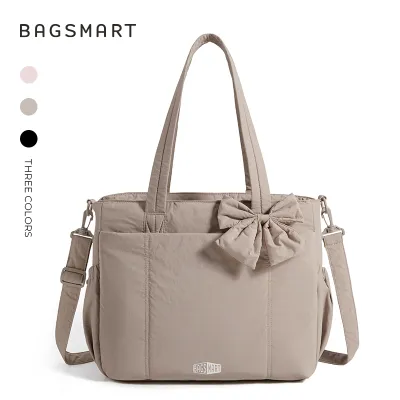
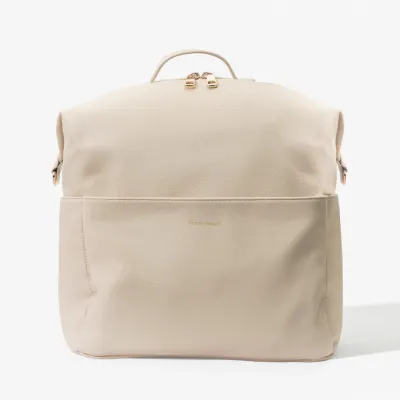
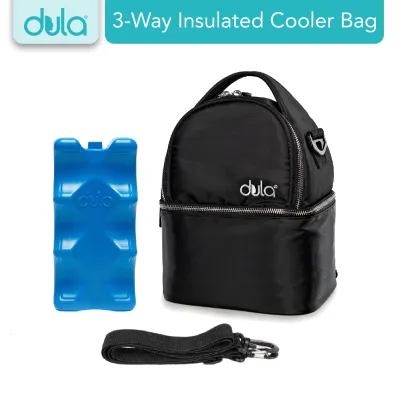
Prices are valid at publication and may change. Please refer to the product page for the latest price.
Capacity and Weight Distribution
When choosing a bag, always check its internal capacity in liters and examine its base dimensions. For a full day out with an infant, a capacity of 20 to 30 liters is generally ideal to accommodate bulky items like a portable changing mat, a wet bag, spare outfits, and a substantial diaper supply. For quick errands, a smaller 10- to 15-liter bag may suffice.
Weight distribution is equally critical for your physical comfort. Baby gear is surprisingly heavy, especially when carrying multiple liquid containers, packed wipes, and personal items. Look for bags with wide, padded, and adjustable shoulder straps that distribute weight evenly across your shoulders and back. In hot and humid tropical climates, such as during the warm months in the Philippines, thin or unpadded straps can easily dig into sweaty skin and cause severe discomfort during long walks.
Compartment Layout and Quick Access
When a baby emergency strikes, you cannot afford to waste time rummaging through a disorganized bag. Evaluate the exterior pocket layout of any style you consider. Quick-access exterior slip pockets or secure zippered compartments are essential for keeping high-frequency items like wet wipes, pacifiers, hand sanitizer, and snacks within arm’s reach.
Inside the bag, the style of the main opening dictates how easily you can locate items. A wide-mouth opening or a clamshell zipper design allows you to see the entire contents of your bag at a glance. In contrast, narrow openings or drawstring closures often create a deep, dark cavity where small items easily get lost at the bottom, forcing you to unpack the entire bag just to find a clean pacifier.
Material Wipeability and Spill Resistance
Baby outings are inevitably messy, making fabric choice a top priority. Before purchasing, verify the material composition and check the manufacturer’s care label. Smooth, water-repellent nylon or polyester fabrics are highly practical because they allow you to easily wipe away spilled milk, baby food, or diaper cream with a damp cloth.
Textured, brushed, or canvas-like fabrics tend to absorb liquids quickly, which can lead to stubborn stains and unpleasant odors over time. Always adhere to the manufacturer’s specific cleaning instructions to preserve the integrity of technical coatings and protect your investment. Avoid harsh chemical cleaners or machine washing unless explicitly permitted by the care tag.
Assessing Popular Lululemon Bag Categories for Daily Outings
Rather than looking for a single perfect model, it is helpful to evaluate broad categories of bags based on their general design traits. This structural approach allows you to match your daily routine and transportation habits to the most appropriate style.

Backpacks for Hands-Free, Full-Day Trips
Backpacks are often the most practical choice for parents who prioritize mobility. Keeping your hands completely free makes it much easier to push a stroller, navigate crowded shopping centers, carry an infant seat, or chase an active toddler.
When evaluating a backpack, check the interior configuration for hidden utility. Many athletic backpacks feature padded laptop compartments, which are excellent for keeping a clean, folded changing mat flat and separate from the rest of your gear. Additionally, verify the size of the exterior side pockets. You want to ensure they are wide and stretchy enough to securely hold baby bottles or your own water flask without slipping out when you bend over.
Totes and Duffles for Short Trips and Car Storage
Large totes and duffle bags offer a different set of advantages, primarily centered around visibility and volume. The open-top design of a classic tote makes it simple to drop in bulky items and see everything inside at a single glance. These bags are incredibly convenient for quick car trips where you can easily toss the bag onto the passenger seat or into the trunk.
However, totes and duffles carry notable trade-offs. Carrying a heavy tote on one shoulder for extended periods can cause muscle strain and uneven posture. Furthermore, many totes lack secure top closures. If the bag tips over in your vehicle or on a stroller basket, smaller items can easily spill out. These styles are generally best suited for older babies who require fewer emergency supplies, or as a secondary “car base” bag packed with backup outfits and extra diapers.
Belt Bags and Crossbodies as Supplemental "Essentials" Pouches
Small crossbody bags and belt bags are not designed to serve as primary diaper bags, but they excel as supplemental organizers. When you are managing a large, heavy diaper bag, keeping your personal essentials separate prevents you from constantly digging through baby gear to find your own items.
Using a compact belt bag allows you to keep your phone, keys, wallet, and hand sanitizer secured directly on your body. This setup is particularly useful when you leave your main diaper bag attached to the stroller or resting in the car while you take your baby for a quick diaper change in a public restroom. It ensures your high-value personal items remain safe and accessible at all times.
Internal Organization Hacks for Non-Dedicated Diaper Bags
Because lifestyle bags do not come with specialized baby compartments, you will need to create your own organizational system. Fortunately, a few simple packing strategies can easily transform an open athletic bag into a highly functional parenting toolkit.
- Utilize Modular Pouches: Instead of tossing items directly into the bag, group them into color-coded or clear zippered pouches. For example, place diapers, wipes, and diaper bags in one pouch, and spare clothes in another. This modular approach allows you to grab exactly what you need without disturbing the rest of the bag.
- Insert a Removable Diaper Caddy: A structured, multi-pocket felt or nylon diaper organizer insert can be dropped directly into a large tote or backpack. This instantly adds structured compartments, including upright bottle slots and small pockets for creams and medicines.
- Use Insulated Bottle Sleeves: To compensate for the lack of built-in thermal pockets, purchase independent insulated bottle sleeves. These sleeves protect formula or breast milk from temperature fluctuations, which is particularly important in warm, tropical environments.
- Anchor Small Items with Clips: Use carabiners, key leashes, or interior clips to secure pacifier cases, toy straps, and hand sanitizers to the bag's internal loops. This keeps small, frequently used items anchored near the top of the bag for instant access.
- Verify Dimensions Before Buying: Always measure the interior dimensions of your bag before purchasing third-party organizers or inserts. A poorly fitting insert can warp the shape of your bag or waste valuable space.
Signs You Might Need a Dedicated Diaper Bag Instead
While repurposing an athletic bag works well for many, it is not the ideal solution for every parenting style. Recognizing when a lifestyle bag is no longer meeting your needs can save you physical discomfort and daily stress.
If you experience persistent shoulder, neck, or back pain, it is a clear sign that the bag’s suspension system or strap padding is insufficient for the heavy loads of baby gear. Similarly, if you find yourself constantly dealing with leaky bottles because the bag lacks dedicated, upright elastic bottle holders, transitioning to a dedicated diaper bag is highly recommended.
Furthermore, parents who need to transport pumped breast milk or prepared formula over long distances often require built-in thermal insulation to maintain safe temperatures. Dedicated diaper bags also frequently feature integrated stroller straps that allow you to hang the bag safely from the handlebar without tipping the stroller over, as well as specialized, easy-to-sanitize interior linings designed to handle heavy wear and tear. If these features are essential to your daily routine, investing in a purpose-built diaper bag is the safest and most practical path.
Frequently Asked Questions (FAQ)
Does Lululemon make an official diaper bag?
Lululemon focuses primarily on athletic, fitness, and lifestyle apparel and accessories. The brand does not currently manufacture a bag officially designated, marketed, or engineered specifically as a diaper bag. Parents who prefer the brand’s aesthetic rely on repurposing their larger-capacity backpacks, totes, and travel bags, often customizing the interior organization with third-party modular inserts and packing cubes.
How do you clean a Lululemon bag after a baby spill?
For general maintenance and minor baby spills, spot clean the affected area using a soft, damp cloth with mild soap and cool water, then allow the bag to air dry completely away from direct sunlight. Always check the care label located on the bag’s interior seam before applying any cleaning solutions. Avoid machine washing, tumble drying, or using harsh chemical bleach, as these methods can degrade technical water-resistant coatings, damage zippers, and void the manufacturer’s warranty.

Community discussion
Share your experience or ask a question. Comments are reviewed before publication.