
When you discover you are pregnant, your daily nutritional choices suddenly take center stage. Among the various prenatal supplements recommended by doctors and experienced mothers in the Philippines, United Home Natafol is a highly familiar name. If you are wondering whether this specific supplement is safe to take during your pregnancy, the direct answer is yes—provided it is used under the guidance of your obstetrician. Because Natafol primarily provides folic acid, it plays a vital role in supporting your developing baby. However, its safety and overall suitability for your specific pregnancy depend on your unique health profile, your daily diet, and any other prenatal vitamins you might already be taking.
Navigating prenatal nutrition can feel overwhelming, especially with so many options on drugstore shelves. To help you make an informed decision, this guide explores what United Home Natafol is, how it supports your pregnancy, potential side effects to watch for, and the essential precautions you must take to keep both you and your baby healthy.
Understanding United Home Natafol and Its Role in Pregnancy
United Home Natafol is a widely recognized over-the-counter dietary supplement in the Philippines, often recommended to support maternal health. To understand its role, you must first look at its primary active component: folic acid. Folic acid is a synthetic form of folate, a vital B-vitamin that the body uses to produce new cells and synthesize DNA. During pregnancy, your body’s demand for this nutrient increases significantly to support the rapid growth of the fetus and the expansion of maternal tissues.
Products mentioned in this guide
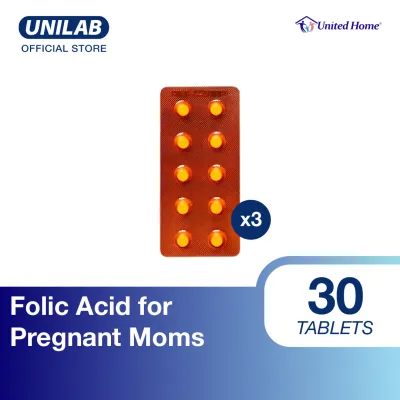
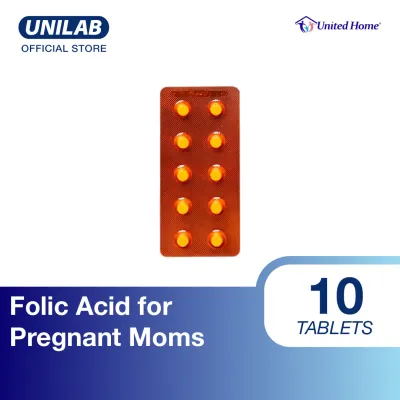

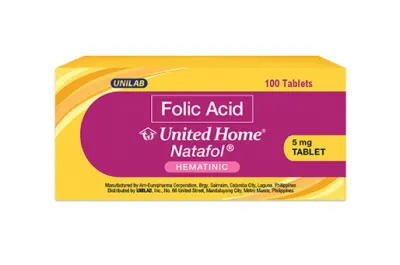
Prices are valid at publication and may change. Please refer to the product page for the latest price.
The medical community globally recognizes the critical importance of folic acid in early fetal development. Specifically, adequate intake of this vitamin is essential for the proper closure of the embryonic neural tube, which eventually develops into your baby’s brain and spinal cord. Ensuring you have sufficient folic acid in your system helps prevent serious congenital conditions known as neural tube defects (NTDs), such as spina bifida and anencephaly. Because these developmental milestones occur within the first few weeks of pregnancy—often before you even realize you are expecting—maintaining optimal folic acid levels is a top priority for maternal care.
While United Home Natafol is standardly known for its folic acid content, you must physically check the product packaging and the patient information leaflet before taking it. Supplement formulations can occasionally be updated, and different product lines under the same brand may contain varying strengths or additional active ingredients, such as other B-complex vitamins or minerals. Inspecting the label ensures you know exactly what dosage of folic acid you are consuming per tablet.
Ultimately, a healthy pregnancy requires a tailored approach. While Natafol is a reliable source of folic acid, your specific nutritional requirements might demand a more comprehensive prenatal multivitamin or a different dosage altogether. Always present the physical packaging to your healthcare provider so they can verify if its exact nutritional profile aligns with your body’s current needs.
Is It Safe to Take Natafol While Pregnant?
Generally, taking Natafol during pregnancy is considered highly safe and is standard practice for maternal care. Because folic acid is a water-soluble vitamin, your body naturally absorbs what it needs and typically excretes any excess through your urine. This natural filtering process minimizes the risk of toxicity from standard daily doses, making folic acid one of the most well-tolerated and highly recommended prenatal supplements worldwide.

However, the absolute safety of any supplement is always conditional. Your personal medical history plays a decisive role in determining what is safe for you. For instance, women with certain pre-existing conditions—such as a history of pregnancies affected by neural tube defects, specific genetic variations like the MTHFR gene mutation, diabetes, or those taking anti-seizure medications—may require significantly higher doses of folic acid than what is standardly available in over-the-counter options like Natafol. Conversely, taking too much folic acid without medical supervision can sometimes mask symptoms of other nutritional deficiencies, such as a Vitamin B12 deficiency.
Another critical safety factor is the risk of accidental over-supplementation. Many pregnant women in the Philippines consume prenatal milk, fortified foods, and other multivitamins simultaneously. If you combine Natafol with other multi-nutrient supplements, you run the risk of consuming excessive amounts of certain vitamins and minerals. While excess water-soluble vitamins are easily excreted, fat-soluble vitamins (such as Vitamins A, D, E, and K) and minerals like iron can accumulate in your body and potentially cause adverse effects on your health or your baby’s development.
To ensure absolute safety, you must consult your obstetrician or a qualified healthcare provider before starting or combining any supplements. Your doctor will evaluate your diet, review your blood test results, and examine all the products you currently use. This professional assessment guarantees that your prenatal regimen provides the exact level of support your baby needs without exposing you to the risks of over-supplementation.
Potential Side Effects and Practical Ways to Manage Them
While United Home Natafol is generally very well-tolerated, some pregnant women may experience mild, temporary side effects. It is important to understand that these reactions are common to almost all prenatal vitamins and are typically a result of your digestive system adjusting to the concentrated nutrients, rather than a specific issue with this brand. Recognizing these symptoms and knowing how to manage them can make your prenatal routine much more comfortable.
Some women report mild gastrointestinal discomfort after taking prenatal supplements. This can manifest as:
- Mild nausea or stomach upset: A fluttering or uneasy feeling in the stomach shortly after swallowing the tablet.
- Changes in bowel habits: Occasional constipation, mild diarrhea, or bloating.
- Darkened stools: If your specific prescribed formulation or accompanying supplements contain iron, your stool may turn a darker color, which is a completely harmless and common reaction to iron absorption.
If you experience mild nausea, try adjusting the timing of your dose. Taking your supplement on an empty stomach often exacerbes morning sickness. Instead, try taking Natafol with a light meal or right before you go to bed. Taking it at bedtime allows you to sleep through the peak absorption period, reducing the likelihood of daytime nausea.
To manage mild constipation, focus on daily lifestyle adjustments. The tropical climate of the Philippines makes staying hydrated particularly important; ensure you drink plenty of water throughout the day to keep your digestive tract functioning smoothly. Additionally, incorporate fiber-rich, locally available foods into your daily meals, such as ripe papayas, bananas, oatmeal, and fresh green leafy vegetables.
As you begin taking the supplement, monitor how your body responds over the first few days. Keeping a simple symptom log on your phone or in a notebook can be incredibly helpful. Note down the time you took the tablet, what you ate with it, and any physical sensations you experienced. If any discomfort persists or worsens, share this log with your doctor during your next prenatal visit so they can suggest alternative options or timing.
Essential Precautions and When to Seek Medical Advice
When incorporating United Home Natafol into your daily routine, taking systematic precautions ensures that you maximize its benefits while eliminating unnecessary risks. The most critical precaution is to avoid self-prescribing or doubling up on supplements. Always disclose every single product you consume to your healthcare provider. This includes prescription medications, over-the-counter pain relievers, herbal teas, and traditional remedies, as some substances can interfere with how your body absorbs folic acid.
While mild digestive adjustments are normal, you must know how to identify serious warning signs that require immediate medical attention. Stop taking the supplement immediately and seek urgent medical care if you experience any of the following symptoms:
- Signs of a severe allergic reaction: This includes the sudden appearance of skin rashes, hives, intense itching, swelling of your face, lips, tongue, or throat, and any difficulty breathing or swallowing.
- Severe gastrointestinal distress: Persistent, uncontrollable vomiting, severe abdominal pain, or cramping that does not subside.
- Systemic symptoms: Extreme dizziness, confusion, or a sudden, unexplained fever.
It is also vital to remember that dietary supplements are formulated to complement, not replace, a balanced and nutrient-dense pregnancy diet. While Natafol provides a reliable source of folic acid, your body benefits most when you combine your daily supplement with natural dietary folates. Make an effort to eat plenty of folate-rich foods, such as spinach, broccoli, citrus fruits, avocado, and legumes, which provide a broad spectrum of natural vitamins and fiber.
Finally, proper storage is essential to maintain the stability, potency, and safety of your supplements. The high heat and humidity characteristic of the Philippines can rapidly degrade vitamins if they are stored incorrectly. Keep your Natafol blister packs in a cool, dry place, strictly away from direct sunlight, moisture, and heat. Avoid storing them in humid bathrooms or near kitchen appliances. Most importantly, keep all medications and supplements completely out of reach of children to prevent accidental ingestion.
Frequently Asked Questions (FAQ)
Can I take United Home Natafol if I am trying to conceive?
Yes, taking a folic acid supplement like United Home Natafol during the preconception phase is highly recommended by healthcare professionals. Because the baby’s neural tube closes within the first 28 days of pregnancy—frequently before you receive a positive pregnancy test—building up your body’s folate stores before conception is one of the most effective ways to protect your future baby. If you are actively planning a pregnancy, consult your doctor to determine the ideal daily dosage and the best time to start your supplementation routine.
What should I do if I miss a dose?
If you miss a scheduled dose of Natafol, take it as soon as you remember. However, if your next scheduled dose is only a few hours away, skip the missed tablet entirely and return to your regular daily schedule. You must never take a double dose to make up for a missed one. Doubling your dose does not provide extra benefits; instead, it suddenly increases the concentration of nutrients in your digestive system, which can trigger acute stomach irritation, nausea, and other uncomfortable side effects.
Community discussion
Share your experience or ask a question. Comments are reviewed before publication.