
Quick Answer: Is Unilovr the Best Choice for Sensitive Skin?
Choosing the right baby wipe in the Philippines requires balancing effectiveness, cost, and skin safety. Unilovr has established itself as a highly popular option among Filipino parents, primarily due to its focus on water-rich, minimalist formulations designed to minimize skin irritation. When compared to mainstream competitors, Unilovr stands out for its high water content and soft fabric texture, making it a strong contender for daily diaper changes in hot, humid tropical climates.
However, declaring any single brand as the absolute best is impossible because baby skin is highly individual. What works perfectly for one infant might cause mild redness or a flare-up in another. While Unilovr positions itself as a gentle option, parents must always remember that no wipe can guarantee a zero-percent chance of reaction.
When introducing Unilovr or any other new wipe brand to your baby’s routine, a gradual transition and a simple patch test on a small patch of intact skin on the leg or arm are highly recommended. If your baby has a history of severe allergies or diagnosed skin conditions, consulting your pediatrician before switching brands remains the safest course of action.
Products mentioned in this guide
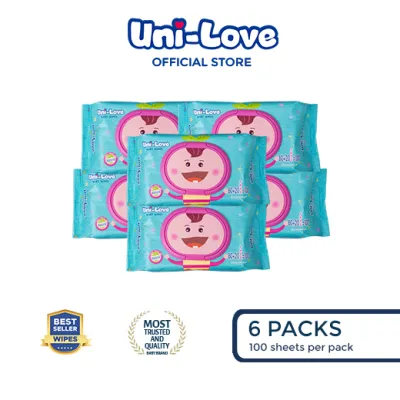
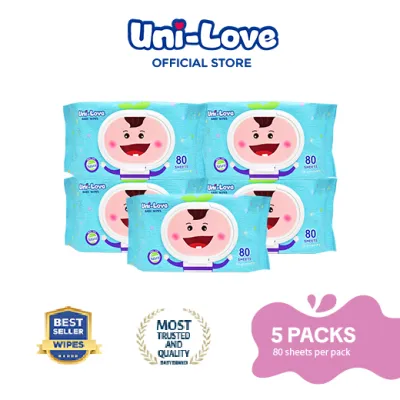
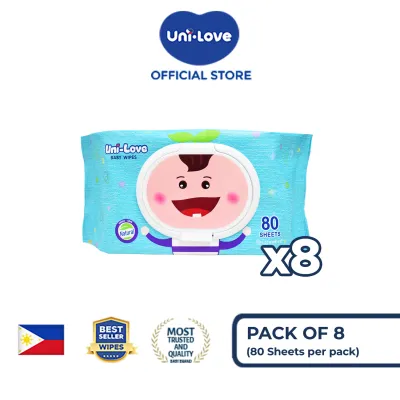
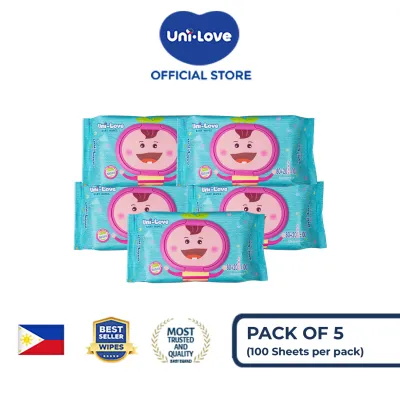
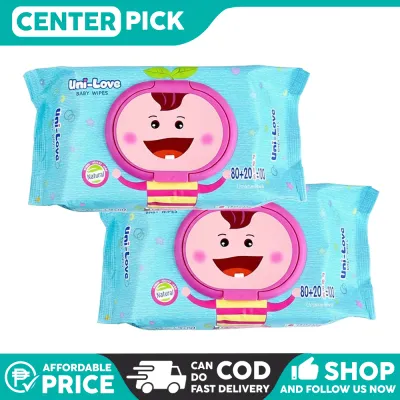
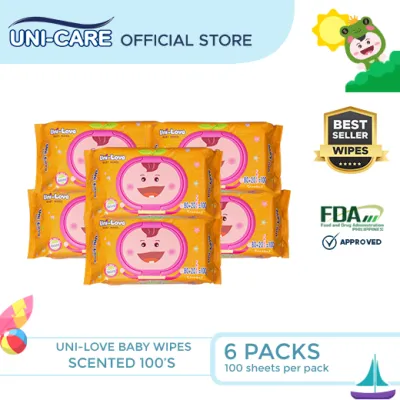
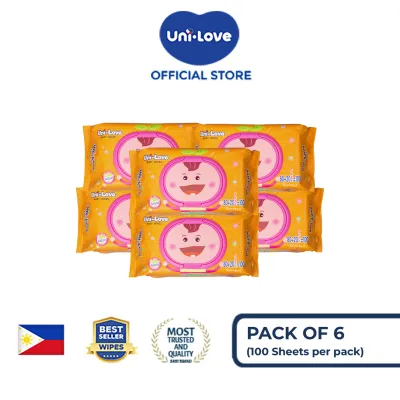
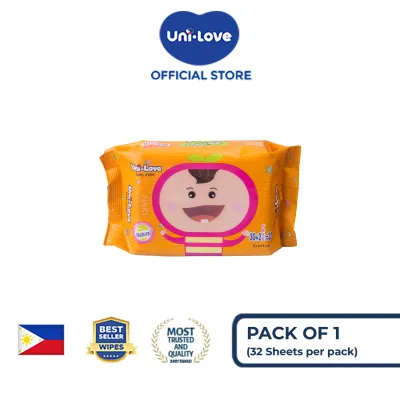
Prices are valid at publication and may change. Please refer to the product page for the latest price.
What to Look for in Wipes for Sensitive Skin
An infant’s skin barrier is significantly thinner and more permeable than an adult’s, making it highly susceptible to chemical irritants, physical friction, and environmental moisture. In the Philippines, high humidity and elevated temperatures can exacerbate skin issues, trapping sweat and waste against the skin. To protect this delicate barrier, parents must understand what makes a wipe truly suitable for sensitive skin.

First, look for a high purified water content. The most gentle wipes on the market typically consist of 99% or more purified water, minimizing the reliance on chemical cleansing agents. Water effectively dissolves and lifts waste without stripping the skin’s natural lipid barrier.
Second, pay close attention to the preservative system. While “preservative-free” might sound appealing, it is highly dangerous for baby wipes. Without preservatives, a wet pack of wipes stored in a warm, humid bathroom or diaper bag would quickly become a breeding ground for harmful bacteria and mold. The key is to look for mild, food-grade, or dermatologically validated preservatives, while strictly avoiding harsh options such as parabens, methylisothiazolinone (MI), or high concentrations of phenoxyethanol.
Third, prioritize fragrance-free formulations over those labeled “unscented.” Unscented products may still contain masking fragrances designed to neutralize the chemical smell of the ingredients, which can trigger contact dermatitis in sensitive babies. True fragrance-free wipes contain no added perfumes, essential oils, or botanical scents.
Finally, the wipe should support the skin’s natural pH balance. Healthy baby skin has a slightly acidic pH, typically between 4.5 and 5.5, which helps maintain the protective acid mantle. Wipes formulated to match this pH range help prevent diaper rash and preserve skin integrity. Because manufacturers update their ingredients and manufacturing processes periodically, always check the physical product label or the manufacturer’s official digital listings for the most current ingredient list before purchasing.
Unilovr vs. Competitors: Key Comparison Dimensions
Evaluating baby wipes requires looking beyond marketing claims and analyzing how the product performs during actual use. To understand how Unilovr compares to other popular brands available in local supermarkets and online marketplaces in the Philippines, we must examine three primary dimensions: formulation gentleness, physical fabric properties, and moisture balance.
These three elements work together to determine whether a wipe will soothe your baby’s skin or contribute to diaper dermatitis. By breaking down these categories, parents can make an informed decision based on their baby’s specific skin needs and daily routine.
Ingredient Gentleness and Formulation
Unilovr’s formulation philosophy centers on simplicity, utilizing highly purified water as the primary ingredient and limiting the addition of synthetic chemicals. Many of its product lines incorporate soothing, plant-derived additives such as aloe vera or chamomile extracts, which are widely recognized for their skin-calming properties. This minimalist approach compares favorably to standard, mass-market baby wipes that often rely on stronger surfactants and synthetic fragrances to clean and scent the skin.
When reading the ingredient labels of Unilovr and its competitors, parents should actively look for potential irritants. Avoid products containing alcohol (specifically ethanol or isopropyl alcohol), which dries out the skin and compromises the skin barrier. Synthetic dyes, phthalates, and essential oils should also be avoided, as they are common culprits behind allergic contact dermatitis.
To help you evaluate formulations on the shelf, keep this quick checklist in mind:
- Verify the water source: Look for terms like "ultra-purified," "EDI water," or "99% water" on the packaging.
- Check for fragrance claims: Ensure the label explicitly states "fragrance-free" rather than just "unscented."
- Identify the preservatives: Look for mild alternatives like sodium benzoate or citric acid, and ensure parabens are absent.
- Search for soothing agents: Look for beneficial ingredients like glycerin, aloe barbadensis leaf juice, or tocopheryl acetate (Vitamin E).
Keep in mind that claims such as “dermatologically tested” or “hypoallergenic” are brand-led assertions. While they indicate that the manufacturer has conducted basic testing, they do not guarantee absolute safety. Always verify the ingredient list yourself to ensure it aligns with your baby’s skin tolerances.
Texture, Thickness, and Cleaning Power
The physical properties of a baby wipe play a massive role in skin health. Every time you wipe your baby’s skin, physical friction occurs. If a wipe is thin, rough, or poorly constructed, you will need to wipe repeatedly to clean up a mess, which can cause micro-tears in the skin barrier and lead to painful chafing.
Unilovr wipes are generally recognized for their soft, cloud-like texture and adequate thickness. Many of their sensitive-skin variations utilize spunlace non-woven fabric, which provides a plush feel against the skin. This fabric choice is designed to minimize friction while maintaining structural integrity, preventing the wipe from tearing or stretching out of shape during heavy-duty cleanups.
In comparison, some entry-level competitor brands offer thinner wipes with a completely smooth surface. While smooth wipes are acceptable for light cleanups, they often slide over sticky messes rather than lifting them, requiring more passes and increased rubbing. Textured or embossed wipes, which feature raised patterns or cross-woven fibers, are highly effective at grabbing and trapping waste in a single pass. When evaluating wipe strength and softness, look for products with a higher GSM (grams per square meter) rating, as this indicates a thicker, more durable fabric that protects your hands and reduces physical skin irritation.
Moisture Level and Drying Time
Moisture balance is a delicate trade-off, especially in the tropical climate of the Philippines. A baby wipe must be sufficiently wet to dissolve dried-on waste and clean the skin efficiently without requiring harsh scrubbing. However, if a wipe is excessively wet, it will leave a pool of water in the skin folds and diaper creases.
In high-humidity environments, trapped moisture is a primary driver of diaper rash, as it softens the stratum corneum (making it easier to damage) and creates an ideal breeding ground for yeast and bacteria. Unilovr manages this balance well, offering a consistent moisture level throughout the pack, supported by secure resealable plastic lids that prevent the wipes from drying out prematurely.
Some premium water-based competitors are exceptionally wet, which can be useful for stubborn messes but often requires parents to manually dry the baby’s skin afterward. To prevent diaper rash when using highly saturated wipes, always practice proper drying techniques. After cleaning your baby, allow the skin to air-dry completely for a few moments, or gently pat the area dry with a clean, dry cotton cloth before applying a barrier cream and fastening a fresh diaper.
Price and Value: Cost per Wipe Breakdown
While gentleness is the top priority for sensitive skin, the ongoing cost of diapering is a significant practical consideration for Filipino families. Because prices can fluctuate significantly between physical supermarkets, local pharmacies, and online marketplaces, comparing the upfront retail price of a pack of wipes can be highly misleading.
To determine the true economic value, parents should calculate the cost per individual wipe. You can easily do this using a simple formula:
$$\text{Cost per Wipe} = \frac{\text{Total Price of the Pack (in PHP)}}{\text{Total Number of Sheets}}$$
In the Philippine market, baby wipes generally fall into three broad price bands:
- Standard / Budget Wipes: Typically range from ₱0.50 to ₱1.20 per sheet. These are often thinner, highly scented, and may contain standard preservatives.
- Mid-Range / Sensitive Wipes (including Unilovr): Typically range from ₱1.30 to ₱2.50 per sheet. These offer a balance of thicker fabric, simplified ingredients, and better moisture retention.
- Premium / Ultra-Pure Water Wipes: Typically range from ₱2.80 to ₱5.00+ per sheet. These usually feature 99.9% water formulations and imported biodegradable fabrics.
When analyzing this breakdown, consider the performance trade-offs. A cheaper, budget-friendly wipe might cost less per sheet, but if it is thin and dry, you may end up using three or four sheets per diaper change. Conversely, a slightly more expensive, thicker sensitive wipe like Unilovr might allow you to complete the clean-up with just one or two sheets. This means the higher-quality option can actually be more cost-effective over time.
To manage diapering costs without compromising on skin safety, consider these practical purchasing strategies:
- Buy in Bulk: Multi-packs and box sets almost always offer a lower cost per wipe than single packs.
- Utilize E-Commerce Sales: Watch for monthly promotional events on major online marketplaces (such as 8.8 or 9.9 sales) to stock up on official brand stores' bundles.
- Check the Sheet Dimensions: Ensure you are comparing similar sizes, as smaller sheets will require you to use more wipes per change.
How to Choose the Right Wipes for Your Baby
Selecting the ideal baby wipe comes down to aligning your baby’s skin tolerance, your daily cleaning habits, and your household budget. To help you make a final decision, use this structured framework:
- Choose Unilovr if: You are looking for a reliable, mid-priced wipe that offers a soft, thick texture, high moisture retention, and a simplified ingredient list. It is an excellent everyday choice for babies with normal to slightly sensitive skin who require gentle cleaning in the warm Philippine climate.
- Choose a Competitor if: Your baby has extremely reactive skin that tolerates only ultra-pure, 99.9% water formulations, or if you require heavy-duty, extra-large textured wipes specifically designed for toddler-sized messes. You might also look elsewhere if you prefer specific organic botanical extracts not offered in Unilovr's range.
- Verify first if: Your baby has an active diaper rash, broken skin, or a diagnosed dermatological condition like eczema or psoriasis. In these scenarios, stop using all commercial wipes immediately and clean the area using warm water and soft cotton balls. Consult your pediatrician for a proper diagnosis and a recommended treatment plan.
Ultimately, the best baby wipe is not the one with the most premium price tag or the most appealing packaging. It is the specific product that cleans your baby’s skin effectively while leaving it clear, calm, and free of irritation. Keep a close eye on how your baby’s skin reacts over several days of consistent use, and do not hesitate to adjust your choice if you notice any signs of discomfort.
Frequently Asked Questions (FAQ)
Can I use baby wipes on a newborn's face and hands?
While many sensitive-skin baby wipes are formulated to be gentle enough for full-body use, you must always check the manufacturer’s physical label for specific age, area, and safety recommendations. The skin on a newborn’s face is exceptionally thin and sensitive, and the hands are frequently placed in the mouth, increasing the risk of ingesting wipe ingredients.
If you do use wipes on these areas, ensure they are strictly fragrance-free and alcohol-free. Avoid the immediate eye area entirely to prevent stinging. For newborns, using a clean, soft washcloth dampened with plain warm water is often the safest and most gentle alternative for cleaning the face and hands.
Do water wipes really prevent diaper rash?
No wipe brand can completely prevent diaper rash on its own. While water-based and sensitive wipes significantly reduce the risk of chemical irritation and allergic contact dermatitis, diaper rash is a multi-faceted condition. It is primarily caused by prolonged skin exposure to wetness, friction from the diaper, and contact with the enzymes present in urine and stool.
To effectively prevent diaper rash, gentle wipes must be combined with a comprehensive skin care routine. This includes performing frequent diaper changes, allowing the skin to dry completely before putting on a new diaper, and applying a thick layer of a zinc oxide-based barrier cream to protect the skin from moisture and waste. Always supervise your baby during diaper changes and keep all wipe packaging out of their reach to prevent accidental choking or suffocation hazards.
Community discussion
Share your experience or ask a question. Comments are reviewed before publication.