
Finding the right diaper pants for an active toddler is a major milestone for Filipino parents. As babies transition from crawling to walking, their movement increases, and standard tape diapers often struggle to stay in place. This is where extra-large (XL) diaper pants become essential. Comparing popular options like Unilove XL diaper pants, Pampers, Equator, and Huggies is a practical way to find a practical balance of comfort, performance, and cost.
Because every baby has a unique body shape, skin sensitivity level, and activity pattern, there is no single diaper brand that works universally for everyone. A diaper that keeps one toddler dry all night might cause leaks or red marks on another. The ideal choice depends on how well a specific brand’s design aligns with your baby’s physical proportions and your family’s daily budget.
To make an informed decision, caregivers must evaluate these brands across three core pillars: absorbency, physical fit, and overall price per piece. This guide provides a practical, hands-on framework to help you test and compare these four diaper brands at home, ensuring your baby stays dry and comfortable in the tropical Philippine climate.
Products mentioned in this guide
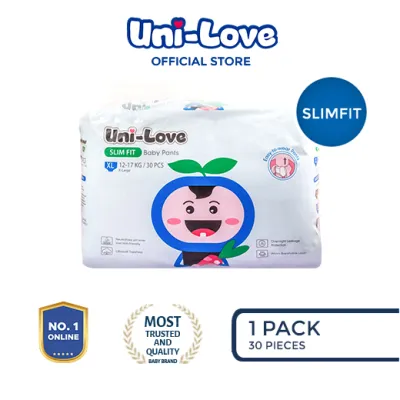
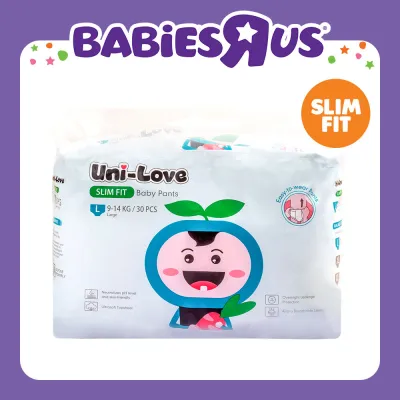
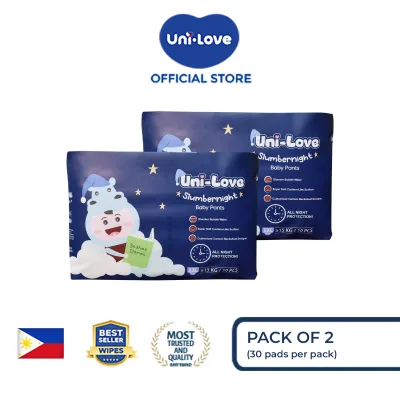
Prices are valid at publication and may change. Please refer to the product page for the latest price.
Brand Positioning and Core Design Differences
Each diaper brand in the Philippine market approaches toddler comfort and leak protection with a distinct design philosophy. Understanding these differences helps narrow down which options are worth testing for your child’s daily routine. Some brands focus heavily on high-speed absorption technology for active play, while others prioritize ultra-soft materials for sensitive skin or budget-friendly pricing for frequent daytime changes.
The “XL” size category generally targets toddlers who are starting to walk, run, and climb. At this developmental stage, diaper pants are preferred over tape diapers because they slip on easily like underwear, accommodating a toddler’s constant movement. However, the exact weight range and physical dimensions of an XL diaper can vary significantly between brands. One manufacturer might design their XL pants for babies weighing 12 to 17 kilograms, while another might specify a range of 11 to 16 kilograms.
Furthermore, most of these brands offer multiple product tiers, such as standard, premium, or ultra-thin variants. A premium line from one brand may feature softer waistbands and advanced channel technology, whereas their standard line might focus on basic, reliable dryness at a lower price point. Caregivers should always verify the specific product line and weight guidelines printed on the packaging rather than relying solely on the “XL” label.
Evaluating Absorbency and Leak Protection
In the hot and humid Philippine climate, high absorbency and efficient moisture management are critical to keeping your baby comfortable and preventing diaper rash. When comparing Unilove XL diaper pants with Pampers, Equator, and Huggies, the first step is to examine the diaper’s core construction. Look at the packaging to verify the manufacturer’s claims regarding absorbent layers, superabsorbent polymer distribution, and wetness indicators that change color when wet.

Active toddlers require robust leak protection, especially around the legs and waist. High-quality diaper pants feature double-layered leg cuffs and elastic barriers that hug the thighs gently but securely. These barriers act as a physical dam to contain liquid during sudden movements, crawls, or midday naps. Additionally, a breathable back-sheet is essential to allow hot air and moisture vapor to escape, reducing the humid microclimate inside the diaper that can lead to skin irritation.
To conduct a practical, at-home test of each brand’s absorbency, monitor how the diaper behaves after several hours of wear or a heavy wetting event. Observe whether the core sags heavily, clumps into hard lumps, or feels damp to the touch on the outside. A high-performing diaper core should distribute liquid evenly across its length, keeping the surface layer dry against your baby’s skin and maintaining its structural integrity even when full.
Assessing Fit, Comfort, and Skin Sensitivity
A diaper can have excellent absorbency, but if it does not fit your baby’s unique body shape, leaks and skin irritation are inevitable. The waistband of diaper pants must be elastic enough to stretch easily over wide hips and chubby tummies, yet snug enough to stay up during active play. When removing a diaper, carefully inspect your baby’s waist and thighs for deep red marks or indentations, which indicate that the elastic is too tight or the cut is too small.
Skin sensitivity is another crucial factor, particularly in tropical environments where sweat and friction can quickly cause chafing. Check the product labels to verify claims such as hypoallergenic materials, fragrance-free composition, or dermatological testing. While these labels provide a helpful starting point, the ultimate test is how your baby’s skin reacts. Soft, cottony materials that minimize friction against the inner thighs are highly desirable for preventing painful chafing. If your baby develops persistent skin redness, severe chafing, or diaper rash, stop using the current diaper brand immediately and consult a pediatrician or healthcare professional for proper guidance.
Because babies come in all shapes—some have rounder bellies, while others have thicker thighs—the physical cut of the diaper pants matters. A slim-cut diaper might fit a lean, active toddler perfectly but cause pinching on a chubbier baby. Conversely, a bulky, wide-cut diaper might bunch up and leak on a slimmer baby. Matching the diaper’s physical shape to your baby’s proportions is key to achieving a secure, comfortable seal.
Price and Overall Value Considerations
Managing a household budget in the Philippines requires a smart approach to recurring expenses like diapers. To determine the true cost of each brand, caregivers must look beyond the upfront price of a single pack. The most accurate metric is the cost per piece, which you can calculate by dividing the total price of the package by the number of diapers inside (₱ per piece).
However, cost per piece is only one part of the value equation; absorbency efficiency plays a major role in your monthly diaper budget. For instance, a slightly more expensive diaper that can reliably last through a twelve-hour night without leaking may end up costing less than a cheaper diaper that requires multiple changes and extra laundry cycles due to leaks. Balancing the unit price against the actual performance and duration of wear is essential for true cost-efficiency.
To optimize your spending, look for bulk packaging, mega-packs, or monthly subscription bundles, which often offer a lower cost per piece than small convenience packs. Additionally, major e-commerce platforms in the Philippines frequently run promotional sales, discount vouchers, and cashback events. Planning your purchases around these promotional windows can significantly reduce your long-term financial commitment to diapering.
Decision Framework: Which Brand Fits Your Baby Best?
To choose the right diaper pants for your toddler, align the specific design strengths of each brand with your family’s daily priorities and your baby’s physical needs.
- Choose Unilove XL diaper pants if you are looking for a highly popular, budget-friendly option designed for everyday wear, with a soft waistband that stretches comfortably over active toddlers.
- Choose Pampers if your primary focus is a slim, lightweight design with advanced channel technology that distributes wetness evenly, making it suitable for active daytime play.
- Choose Equator if you prioritize straightforward, economical utility for frequent daytime changes where a lower cost per piece is your main purchasing driver.
- Choose Huggies if you need robust, heavy-duty leak barriers and a secure, snug fit that holds up well during high-movement activities and overnight sleep.
Before committing to a bulk purchase of any brand, always verify the fit and skin compatibility by buying a small trial pack first. Use these trial diapers over a few days to observe how they handle your baby’s movements, check for any signs of skin redness, and ensure there are no leaks during naps. Remember that your baby’s comfort, skin health, and physical proportions are the ultimate deciding factors, far outweighing any brand marketing or general recommendations.
Frequently Asked Questions (FAQ)
How do I know if the XL size is the right fit for my baby?
You can determine if the XL size fits correctly by checking for physical signs of comfort and security. After removing the diaper, look for red marks or deep elastic indentations around your baby’s waist and thighs, which suggest the diaper is too tight. Apply the two-finger rule: you should be able to slide two fingers easily under the waistband. Finally, always ensure the outer leg cuffs are fully pulled out and not tucked inward, as tucked cuffs are a primary cause of side leaks.
Can I mix different diaper brands for day and night use?
Yes, mixing different diaper brands is a highly effective, cost-efficient strategy used by many Filipino parents. You can use a more budget-friendly diaper brand for frequent daytime changes when your baby is active and monitored closely. For uninterrupted overnight sleep, you can switch to a high-absorbency diaper brand that offers reliable moisture retention. Just ensure that both brands fit your baby’s body shape well to prevent leaks and skin irritation during transitions.
Community discussion
Share your experience or ask a question. Comments are reviewed before publication.