
Choosing the right baby wipe for sensitive skin in a tropical climate like the Philippines requires a careful balance of ingredient transparency, material texture, and moisture retention. With high humidity and heat often contributing to diaper rash and skin irritation, parents must look beyond attractive packaging to evaluate how a product actually interacts with their baby’s delicate skin barrier. While many families consider bulk options like Unilove wipes 18 packs to manage daily household needs economically, determining whether these or alternative brands are truly suitable for your child involves a systematic comparison. By understanding how to read ingredient labels, assess physical wipe characteristics, and perform safe home patch tests, you can confidently select a wipe that keeps your baby clean, comfortable, and free from irritation.
What to Look for in Sensitive Skin Baby Wipes
When evaluating baby wipes for sensitive skin, the ingredient list is your first line of defense. Delicate infant skin has a thinner outer layer than adult skin, making it highly susceptible to absorbing chemical irritants. Parents should actively check labels for the absence of drying alcohols, parabens, phthalates, and synthetic fragrances, which are common triggers for contact dermatitis. Instead, look for formulations that prioritize purified water and include mild, skin-soothing botanical extracts like aloe vera or chamomile, provided your baby does not have a known allergy to these plants. It is also important to distinguish between “fragrance-free” products, which contain no scent-imparting ingredients, and “unscented” products, which may use masking chemicals to neutralize odors.
The physical material and texture of the wipe play an equally critical role in skin health. Wipes are typically made from non-woven fabrics, such as spunlace, which combine polyester and viscose fibers. The thickness of this material, often measured in grams per square meter (GSM), determines how well the wipe cushions the skin during use. Thin, flimsy wipes tend to tear easily and require multiple folds, which increases the frequency of friction against the skin. For sensitive skin, a thicker, embossed wipe is generally preferable because the raised patterns help lift away stool and urine with minimal swiping, reducing the risk of mechanical irritation and micro-abrasions.
Products mentioned in this guide
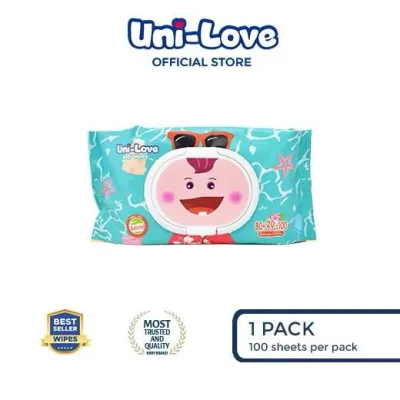
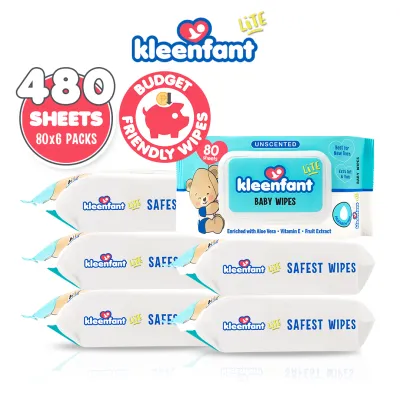
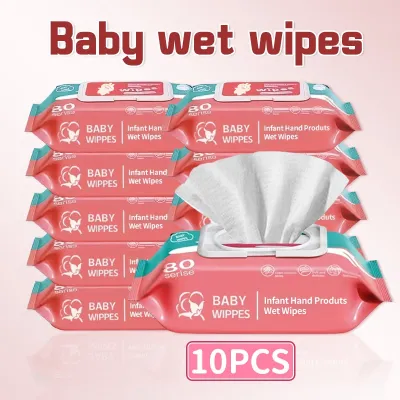
Prices are valid at publication and may change. Please refer to the product page for the latest price.
Moisture levels and pH balance are the final key components of a safe baby wipe. A high-quality wipe must contain enough liquid to dissolve and wipe away waste effectively without requiring aggressive rubbing. The water used in these formulations should undergo rigorous purification processes, such as reverse osmosis or electrodeionization (EDI), to eliminate impurities and bacteria. Furthermore, because a baby’s natural skin barrier is slightly acidic, maintaining a skin-friendly pH balance is essential. Wipes formulated to match this natural acidity help preserve the skin’s protective acid mantle, preventing the overgrowth of harmful bacteria and yeast that thrive in alkaline environments.
How to Assess Unilove Wipes for Sensitive Skin
To determine if Unilove wipes are suitable for your baby’s sensitive skin, start by conducting a thorough inspection of the product packaging. Look closely at the ingredient panel printed on the back of the pack to verify the manufacturer’s hypoallergenic claims. Check for the specific preservatives used to keep the wipes shelf-stable, as even water-based wipes require some form of preservation to prevent mold and bacterial growth. Ensure that the formulation does not contain methylisothiazolinone (MI) or other harsh preservatives that have been linked to skin sensitization. Always verify the recommended age range, method of use, and specific manufacturer warnings printed on the product documentation before introducing any wipe to your child’s routine. Parents must also independently verify any dermatological certifications, safety standards, or recent product recalls directly from official manufacturer announcements or regulatory databases, as these statuses can change over time.

Before using any new wipe brand extensively during diaper changes, it is highly recommended to perform a controlled patch test. Take a single wipe from the package and gently swipe it on a small, clean area of your baby’s skin, such as the inner forearm or the thigh. Observe the area closely over the next twenty-four to forty-eight hours for any signs of localized irritation, including redness, swelling, dry patches, or tiny bumps. This simple, observable check allows you to identify potential sensitivities in a localized area before exposing the highly sensitive diaper region to a new product. During this test, also assess the physical feel of the wipe—noting whether it feels sufficiently soft, thick, and moist to your own touch.
For many households in the Philippines, purchasing baby wipes in bulk formats, such as Unilove wipes 18 packs, is a highly practical way to manage monthly expenses. When evaluating these bulk options, calculate the actual cost-effectiveness by dividing the total price in ₱ by the total number of sheets across all packs. While bulk buying offers significant savings, it also introduces specific storage responsibilities. In a tropical climate characterized by high temperatures and humidity, storing large quantities of wipes requires care. Unopened packs must be kept in a cool, dark pantry away from direct sunlight to prevent the liquid from evaporating or the packaging seals from degrading over time.
Comparing Unilove to Other Popular Brands
When comparing Unilove to other popular baby wipe brands available in local supermarkets and online marketplaces, creating a structured comparison checklist is the most effective approach. Begin by comparing the primary liquid base of each brand. Some premium brands market themselves as “99% water” or “pure water” wipes, which typically feature a highly minimalist ingredient list designed to minimize chemical exposure. Compare these formulations side-by-side with Unilove’s ingredient list to see which product contains fewer synthetic additives. Additionally, compare the physical dimensions and stretch of the sheets; a larger, more elastic wipe often proves more efficient, requiring fewer sheets per diaper change.
Packaging design is another practical factor that directly impacts both hygiene and product longevity. Wipes that feature a rigid plastic flip-top lid generally perform much better at retaining moisture than those relying solely on a peel-back adhesive sticker. In the Philippines’ warm climate, adhesive seals can quickly lose their stickiness due to dust, humidity, and repeated use, leading to dried-out, unusable wipes. When comparing brands, evaluate the durability of the plastic lid and how tightly it clicks shut. A secure closure not only prevents evaporation but also shields the wipes from environmental contaminants like dust and insects.
Finally, weigh the balance between price per wipe and general availability. While some specialized, imported organic brands may offer exceptionally clean ingredient profiles, they are often expensive and difficult to find outside of major metropolitan areas or high-end baby boutiques. Unilove and similar mainstream brands are widely distributed across local grocery stores, pharmacies, and ecommerce platforms, ensuring you can easily restock when running low. Your goal should be to find a brand that meets your baby’s skin tolerance limits while remaining consistently accessible and affordable for your household’s daily budget.
Decision Guide: Choosing the Right Wipe for Your Baby
Making the final choice between Unilove and alternative baby wipe brands comes down to your baby’s unique skin response and your family’s practical needs. You should choose Unilove wipes if your manual inspection of the ingredient list reveals no known irritants for your child, the embossed texture feels sufficiently gentle during use, and the bulk 18-pack pricing aligns well with your household budget. This combination makes it an excellent, cost-effective option for daily, high-volume cleaning tasks, provided your baby’s skin barrier remains healthy and clear.
Conversely, you should opt for an alternative brand if your baby exhibits any signs of skin irritation, persistent redness, or diaper rash after using Unilove wipes. If your child has extremely reactive skin, you may need to prioritize ultra-minimalist, water-only wipes that contain the absolute fewest ingredients possible, even if these brands come at a higher price point or lack bulk packaging options. Always prioritize skin compatibility over cost savings when managing active skin sensitivities.
Most importantly, always verify your baby’s skin health with a qualified professional if you suspect an underlying dermatological issue. If your baby has a diagnosed skin condition such as eczema, atopic dermatitis, or severe, bleeding diaper rash, do not attempt to self-diagnose or rely solely on commercial product labels. Consult a pediatrician or a pediatric dermatologist before introducing any new wipe brand or skin-care product. A medical professional can provide personalized recommendations and help you establish a safe, gentle cleansing routine tailored to your baby’s specific medical needs.
Frequently Asked Questions (FAQ)
Can I use baby wipes on a newborn's face and hands?
Newborn skin is exceptionally delicate and significantly thinner than older infant skin, making it highly sensitive to topical products. Before using any baby wipe on your newborn’s face or hands, carefully check the packaging to ensure it is explicitly labeled as safe for these sensitive areas. Avoid using wipes that contain any added fragrances, essential oils, or strong preservatives near the eyes, nose, and mouth, as these can easily cause irritation or accidental ingestion. If you observe any redness, dryness, or tiny bumps on your baby’s face after use, stop using the wipes immediately. For the safest cleansing of a newborn’s face and hands, many pediatricians recommend using sterile cotton balls moistened with plain, warm water instead of commercial wipes.
How should I store bulk baby wipes to prevent them from drying out?
Proper storage is essential when purchasing baby wipes in large quantities, such as 18 packs, to ensure they remain moist, hygienic, and effective over time. Store all unopened packages in a cool, dry place, such as a closed pantry or closet, away from direct sunlight, air conditioning vents, and household heat sources. High temperatures can weaken the adhesive seals on the packaging, causing the moisture to evaporate long before the pack is opened. For packs currently in use, always press the plastic flip-top lid or adhesive seal down firmly after extracting a wipe to maintain an airtight seal. If you notice the top wipes in an opened pack starting to feel dry, try storing the package upside down between uses; this allows the liquid formula to redistribute evenly throughout the remaining sheets.

Community discussion
Share your experience or ask a question. Comments are reviewed before publication.