
Selecting the right baby wipes for sensitive skin in the Philippines requires balancing ingredient safety, material texture, and cost. While Unilove is a highly visible and budget-friendly option in local supermarkets and e-commerce platforms, its suitability for your baby’s sensitive skin depends on verifying its fragrance-free status, alcohol content, and how its physical texture handles tropical humidity. Filipino parents must look beyond brand popularity to examine specific ingredient labels, material thickness, and preservation methods to protect their baby’s delicate skin barrier.
In a hot and humid climate, baby skin is particularly vulnerable to diaper rash, heat rash, and contact dermatitis. Sweat and friction can compromise the skin barrier, making it highly reactive to harsh chemicals. Therefore, choosing a wipe is a critical decision in daily skin maintenance. By understanding how to read packaging labels and compare formulations, you can make an informed choice that keeps your baby comfortable and rash-free.
Key Factors for Choosing Baby Wipes for Sensitive Skin
When evaluating baby wipes for sensitive skin, the ingredient list is your most reliable guide. Many products feature prominent marketing claims on the front of the packaging, but the true formulation is revealed on the back. Parents should develop the habit of scanning these details before making a purchase.
Products mentioned in this guide
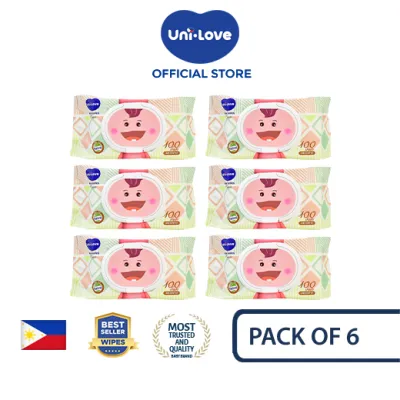
Prices are valid at publication and may change. Please refer to the product page for the latest price.
The distinction between “fragrance-free” and “unscented” is one of the most critical factors to understand. Fragrance-free means that no perfume or aromatic chemicals have been added to the product. Unscented, on the other hand, often means that masking fragrances have been used to neutralize the natural chemical smell of the ingredients. For babies with highly reactive skin, even these masking agents can trigger allergic contact dermatitis, making true fragrance-free options the safer choice.
Preservatives and alcohols are another major concern for sensitive skin. Drying alcohols, such as isopropyl alcohol or ethanol, can strip the skin of its natural oils, leading to dryness and irritation. While wipes require preservatives to prevent the growth of mold and bacteria—especially in the warm, humid conditions of the Philippines—you should look for mild preservation systems. Avoid products containing parabens, methylisothiazolinone (MIT), or formaldehyde-releasing agents, which are known skin sensitizers.
Water purity and pH balance also play a vital role in maintaining skin health. The skin’s natural barrier is slightly acidic, typically maintaining a pH level of around 5.5. Wipes that are pH-balanced help preserve this protective acid mantle. Additionally, look for labels indicating the use of highly purified water, such as EDI (electrodeionization) water, which undergoes a multi-stage filtration process to remove impurities and minerals that could irritate delicate skin.
Finally, the physical material of the wipe should not be overlooked. Friction from wiping can cause micro-tears in the skin barrier, leading to redness and irritation. Thicker, embossed, or cross-woven wipes are generally preferred because they lift messes more efficiently with fewer passes. A textured wipe reduces the need for repetitive rubbing, which is especially important when cleaning the diaper area during active flare-ups.
Evaluating Unilove Baby Wipes for Sensitive Skin
Unilove has established a strong presence in the Philippine market, primarily known for offering affordable baby care products. To determine if Unilove wipes are suitable for your baby’s sensitive skin, you must evaluate their specific product lines against standard dermatological criteria.

Start by examining the ingredient list on the specific Unilove variant you are considering, such as their unscented or sensitive options. Look for the absence of added perfumes, parabens, and drying alcohols. Many of their sensitive-focused wipes utilize purified water as the primary ingredient, combined with mild skin-conditioning agents like aloe vera or vitamin E. Verify that these soothing ingredients are listed near the middle or end of the ingredient list, indicating they are present in safe, supportive concentrations.
Next, check the packaging for specific sensitive skin certifications. Look for claims such as “dermatologically tested” or “hypoallergenic.” While these terms indicate that the product has undergone safety evaluations, parents should verify if the packaging references independent testing standards or pediatric approval. These certifications provide an extra layer of reassurance that the formulation is designed to minimize the risk of allergic reactions.
The physical characteristics of Unilove wipes also warrant close inspection upon opening a pack. Observe the thickness and moisture level of the individual sheets. A good sensitive wipe should feel soft to the touch, stretch slightly without tearing immediately, and hold enough moisture to clean effectively without leaving the skin excessively wet. In the tropical Philippine climate, excess moisture left on the skin can trap sweat in diaper folds, potentially leading to heat rash or fungal infections.
Lastly, always verify the manufacturing date, batch code, and shelf life printed on the Unilove packaging. High ambient temperatures and humidity can accelerate the degradation of cosmetic formulations and weaken the adhesive seals on wipe packaging. Ensuring you purchase fresh stock with an intact resealable lid or sticker is crucial for maintaining the product’s hygiene and preventing the wipes from drying out prematurely.
Comparing Unilove to Other Popular Brands in the Philippines
To help you decide whether Unilove is the right choice for your household, it is helpful to compare its verifiable packaging attributes against other popular brands available in local supermarkets and online marketplaces.
| Label Attribute | Unilove (Sensitive/Unscented) | Premium Sensitive Brand | Standard Budget Brand |
|---|---|---|---|
| Fragrance Claim | Fragrance-Free / Unscented | Fragrance-Free | Often Scented / Mild Fragrance |
| Alcohol Content | Alcohol-Free | Alcohol-Free | May contain benzyl alcohol |
| Material Type | Spunlace Non-woven / Embossed | Organic Cotton / Thick Spunlace | Thin Polyester Blend |
| Water Type | EDI Purified Water | Purified / USP Water | Standard Filtered Water |
| Average Price per Wipe | Budget-friendly (Verify on store) | Premium (Verify on store) | Low-cost (Verify on store) |
When comparing costs, parents should calculate the cost per wipe rather than simply looking at the retail price of the pack. To do this, use the following formula:
Cost per Wipe = Price of the Pack (₱) / Total Number of Wipes
For example, if a pack of 80 wipes costs ₱60, the cost per wipe is ₱0.75. Comparing this figure across brands allows you to see the true value of Unilove, which often positions itself as a highly economical choice compared to imported premium sensitive brands. However, remember that a cheaper wipe that requires you to use three sheets per cleanup may end up costing more than a thicker, premium wipe that gets the job done with a single sheet.
The choice between a thicker, textured wipe and a highly saturated, smooth one depends largely on your baby’s daily needs. Thicker, textured wipes are ideal for cleaning solid messes quickly, reducing the physical friction on the skin. Conversely, highly saturated, smooth wipes are excellent for gentle dabbing and cooling the skin during hot afternoons, though they may require more careful drying afterward to prevent moisture retention in skin folds.
When purchasing any baby wipes online, always check for local distributor seals and authentic packaging. The popularity of brands like Unilove has led to unauthorized listings on e-commerce platforms. Authentic products will feature clear, legible batch codes, intact plastic safety seals, and secure resealable lids that protect the wipes from environmental contamination.
How to Safely Test and Transition to a New Wipe Brand
Skincare transitions for a baby with sensitive skin require a cautious, systematic approach. Even if a product is labeled hypoallergenic or fragrance-free, individual skin sensitivities can still cause unexpected reactions.
Before using a new brand of wipes on your baby’s sensitive diaper area, perform a simple patch test. Take a single wipe from the new pack and gently swipe it over a small, non-sensitive area of your baby’s skin, such as the inner forearm or the upper thigh. Repeat this process twice a day for three consecutive days, allowing the area to dry naturally. Monitor the test site closely for any signs of reactivity.
During the testing period, watch for visible signs of irritation that indicate the product is not compatible with your baby’s skin. These signs include localized redness, small raised bumps, dry or flaky patches, or swelling. If your baby shows signs of discomfort, such as scratching the test area or crying when it is touched, discontinue use immediately and wash the area with plain, cool water.
If a skin reaction occurs and persists for more than a few days, or if it spreads beyond the test area, consult a pediatrician or a pediatric dermatologist. You should also seek professional medical advice if the skin develops blisters, oozes, or shows signs of infection, such as warmth and increased swelling. Never apply over-the-counter medicated creams or steroid ointments to a reaction without a doctor’s explicit guidance.
Proper storage is also essential for maintaining the safety and integrity of your baby wipes. Store all wipe packages in a cool, dry place away from direct sunlight and heat sources. In the Philippines, storing wipes in hot areas, such as inside a parked car or near a sunny window, can compromise the preservative system, leading to bacterial growth or causing the active ingredients to break down and irritate the skin.
Frequently Asked Questions (FAQ)
Can I use regular baby wipes if my baby does not currently show signs of sensitive skin?
While babies with normal skin can tolerate regular wipes, using them continuously can sometimes lead to issues over time. Regular wipes often contain added fragrances, essential oils, and stronger cleansing agents that are unnecessary for daily hygiene. Under the hot and humid conditions of the Philippines, repeated exposure to these ingredients can gradually weaken the skin’s natural protective barrier. This cumulative exposure can trigger sudden contact dermatitis or make the skin more susceptible to diaper rash. If you choose to use regular wipes, monitor your baby’s skin closely for delayed reactions, such as gradual dryness or mild redness, and be prepared to switch to a gentler, fragrance-free formula if irritation develops.
Are water wipes always the safest option for sensitive skin?
Water wipes, which typically consist of 99% or more purified water, are highly regarded for sensitive skin because they minimize chemical exposure. However, they are not without trade-offs. Because water is highly susceptible to bacterial and mold growth, even water-based wipes require a safe, mild preservative system to remain sanitary, especially in warm tropical climates. Parents must pay close attention to the expiration dates and strict storage requirements of water wipes, as they often have a shorter shelf life once opened. For daily, on-the-go use, a standard sensitive wipe with mild skin-conditioning agents and a robust, gentle preservation system may sometimes be more practical and resilient against environmental contamination.

Community discussion
Share your experience or ask a question. Comments are reviewed before publication.